Key Takeaways
-
Teeth spacing correction is highly reliable and achievable at any age using braces, clear aligners, bonding, or frenectomy procedures depending on gap size and complexity.
-
Proper diagnosis through visual exam, digital scans, bite analysis, and X-rays is essential before treatment, as gaps result from different causes requiring personalized solutions.
-
Retainers are non-negotiable after gap closure because gum tissue 'remembers' the old position; use fixed bonded retainers, removable nightly retainers, or both for long-term stability.
-
Small childhood gaps (2mm or less) often close naturally as permanent teeth erupt, but gaps wider than 1.8mm typically require orthodontic intervention to prevent future issues.
-
Clear aligners work best for mild-to-moderate spacing in committed patients, taking 6-16+ months, while braces handle multiple gaps and bite issues in 12-24 months.
-
Gum disease must be treated before cosmetic gap closure, as weakened bone and tissue cause teeth to drift; the American Dental Association recommends regular periodontal checkups.
Do you smile with your lips pressed together to hide a gap between your front teeth? You are not alone. Gaps between teeth, called diastema, are one of the most common reasons families visit our office. The good news is that teeth spacing correction is one of the most reliable things orthodontics can fix. Whether you are a parent watching your child’s smile change, a teen prepping for prom pictures, or an adult ready to finally close that gap you’ve had since childhood, there is a path forward. At Brockway Orthodontics in Clearwater, we’ve helped patients of every age close spaces and keep them closed for good. Let’s walk through why gaps happen, what your options are, and how to pick the right plan for your smile.
What Is Teeth Spacing Correction?
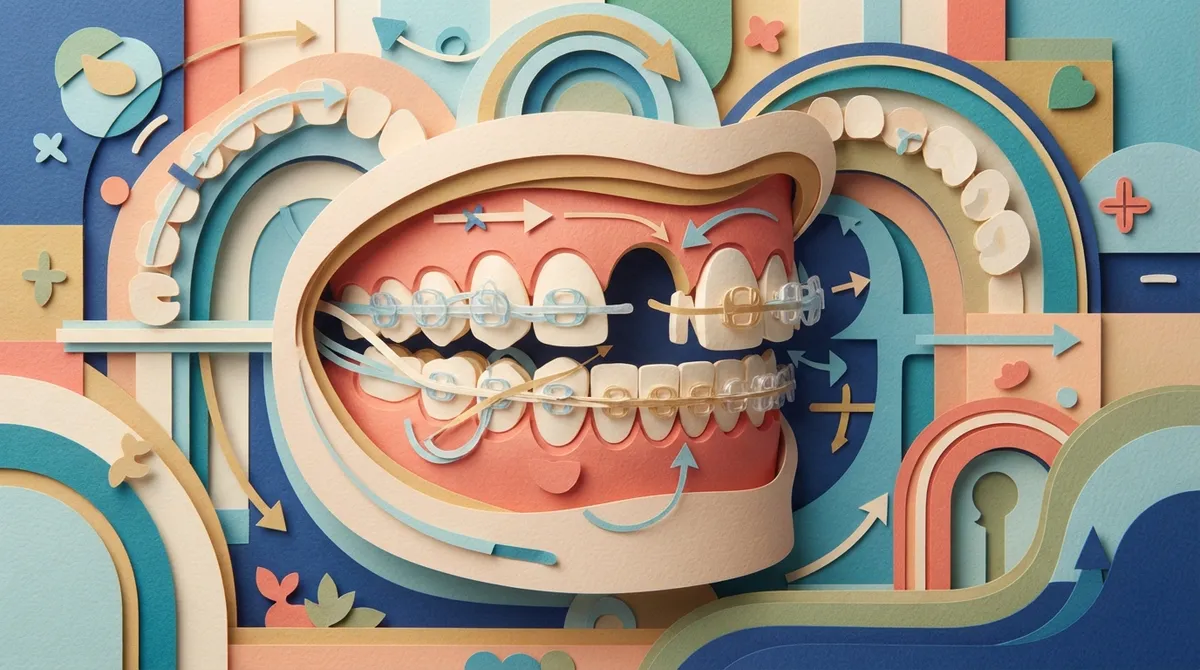
Teeth spacing correction is the process of closing gaps between two or more teeth. Dentists call this gap a diastema. The most common spot people notice it is between the upper front teeth, but gaps can show up anywhere in the mouth. Some gaps are tiny and barely noticeable. Others are wide enough to catch food or make you self-conscious about your smile.
Fixing these gaps isn’t just about looks, either. Spacing issues can affect your bite, your speech, and even your gum health over time. That’s why a proper evaluation matters so much before jumping into treatment.
Common Causes of Gaps Between Teeth
Understanding why a gap formed helps your orthodontist pick the right fix. Here are the most frequent causes we see:
- Teeth that are smaller than your jaw, leaving extra space
- Missing or undersized teeth, like small lateral incisors
- An extra tooth, known as a mesiodens, blocking normal alignment
- A thick or low-attaching frenum (the tissue between your front teeth and upper lip)
- Gum disease that has weakened the bone and tissue holding teeth in place
- Tongue-thrusting habits or thumb-sucking during childhood
- Teeth shifting over time due to natural aging or missing teeth nearby
According to the American Association of Orthodontists, spacing can come from a mix of these factors, which is why a personalized exam is so important.
How We Diagnose the Cause of Your Gap
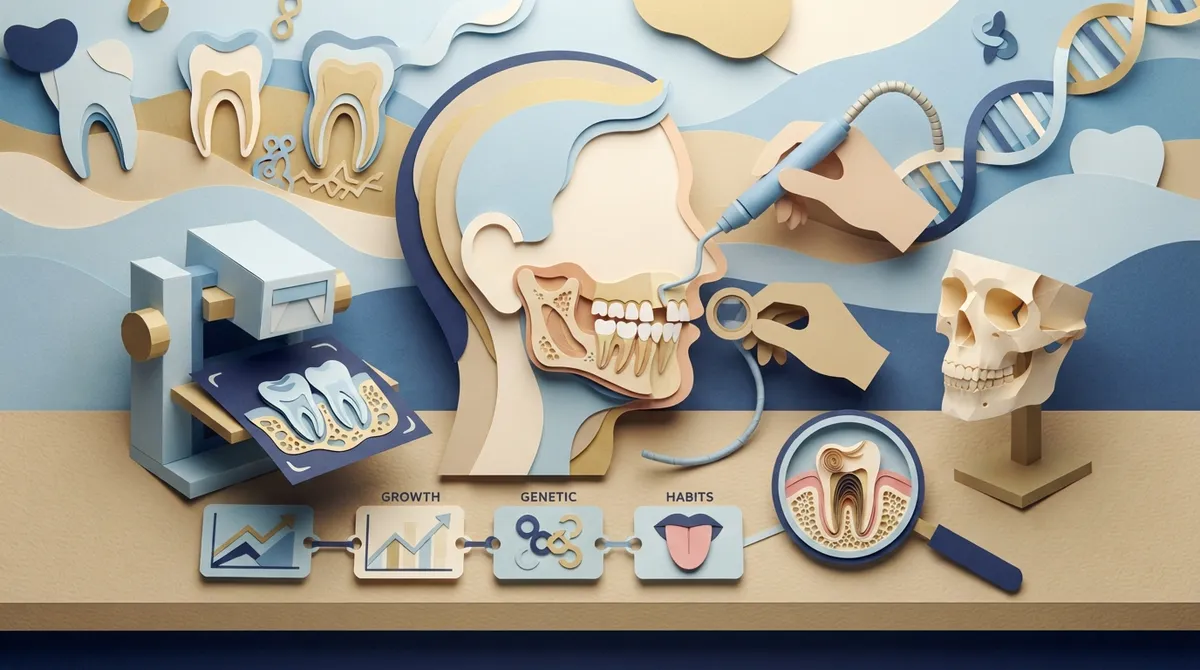
Before recommending any treatment, we need to know exactly what’s causing your spacing. A thorough evaluation might include:
- A visual exam and photos of your smile and bite
- Digital scans or impressions of your teeth
- A bite analysis to check how your teeth fit together
- A periodontal check to rule out gum disease
- Dental X-rays, especially if we suspect missing, extra, or impacted teeth
This step-by-step process helps us build a treatment plan that fits your unique smile, not a one-size-fits-all approach. You can learn more about what happens during this process on our first visit page.
Treatment Options for Closing Gaps
There isn’t just one way to close a gap. The right choice depends on the size of the space, your age, your bite, and your goals. Here’s a look at the most common options.
1. Braces
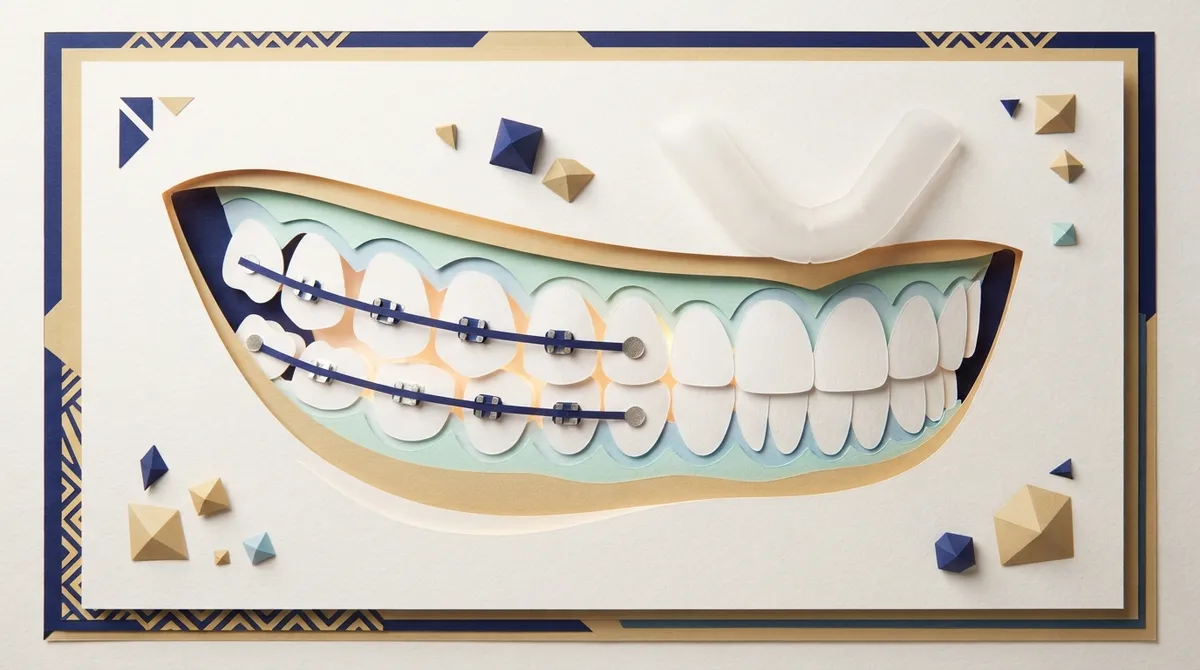
Braces are often the go-to choice when spacing is combined with crowding, bite issues, or multiple gaps. They give your orthodontist precise control over tooth movement and root position, which matters for lasting results. We offer traditional metal braces as well as ceramic braces that blend in with your natural tooth color.
2. Clear Aligners
For many mild-to-moderate spacing cases, clear aligners work wonderfully. They’re nearly invisible and removable, which busy teens and professionals love. At Brockway Orthodontics, we offer Spark™ Clear Aligners, a more budget-friendly option compared to some other clear aligner brands. Success with aligners depends on your commitment to wearing them as directed, since they only work if you keep them in.
3. Dental Bonding
Small gaps caused by tooth shape or size differences can sometimes be treated with composite bonding alone. This conservative approach reshapes the tooth without needing braces. A 2012 peer-reviewed case report noted that direct bonding preserves more natural tooth structure than other cosmetic options, though it isn’t a fix for every spacing pattern.
4. Frenectomy
If a thick or low frenum is pulling your front teeth apart, a simple procedure called a frenectomy may help. This is usually paired with orthodontic treatment rather than done alone, since space closure often needs to happen first or at the same time.
5. Restorative and Periodontal Care
Sometimes closing a gap takes a team approach. Missing teeth may need a bridge or implant. Undersized teeth might require orthodontic repositioning followed by bonding or veneers. And if gum disease caused the spacing, that needs treatment first before any cosmetic work begins.
Comparing Your Treatment Options
| Treatment | Best For | Typical Duration | Reversible? |
|---|---|---|---|
| Braces | Multiple gaps, bite issues, complex cases | 12-24 months | N/A (removed at end of treatment) |
| Clear Aligners | Mild-to-moderate spacing, adults and teens | 6-16+ months | N/A (removed at end of treatment) |
| Composite Bonding | Small gaps from tooth shape/size | 1 appointment | Yes, considered conservative |
| Frenectomy | Gaps caused by frenum attachment | Quick in-office procedure | No, but often paired with ortho |
| Veneers | Cosmetic gap closure on healthy teeth | 2-3 visits | No, involves tooth preparation |
How Long Does Teeth Spacing Correction Take?
Timelines vary quite a bit based on how many gaps you have and how much movement is needed. One published case report on adults with multiple spacing issues treated with clear aligners reported a treatment time of 16 months. That’s a helpful reminder that duration depends on complexity, not just how wide a single gap looks.
Simple single-gap cases treated with braces might close in several months, while more involved cases with crowding or bite correction can take a year or two. Our team will give you a personalized timeline during your consultation, based on your specific treatment plan.
Gaps in Children: When to Watch and When to Act
Parents often ask if a gap between their child’s front teeth will close on its own. Sometimes it will! Here’s what research tells us:
- A childhood midline gap of about 2mm or less often closes on its own as permanent teeth come in
- A gap wider than about 1.8mm after the permanent lateral incisors erupt is more likely to need orthodontic help
- These numbers are general guidelines, not hard rules — every child develops differently
If your child has a persistent gap, especially with delayed tooth eruption or a suspected extra tooth, it’s worth having it checked. Our early treatment program is designed to catch these issues at the right time, not too early and not too late.
Signs Your Child’s Gap Needs a Closer Look
- The gap seems to be getting wider instead of smaller
- Permanent teeth are slow to come in on one or both sides
- You notice an unusual bump or extra tooth near the gum line
- Your child has a history of thumb-sucking past age 4-5
- There’s a family history of missing or extra teeth
Why Do Gaps Reopen After Treatment?
This is one of the most common questions we hear, and it’s a fair one. Spacing has a strong tendency to relapse after treatment because the surrounding gum tissue and fibers “remember” the old position. That’s exactly why retainers are non-negotiable after gap closure.
Depending on your case, we may recommend:
- A fixed bonded retainer behind your front teeth
- A removable retainer worn nightly
- A combination of both for maximum stability
Our retainer program is built around long-term success, not just finishing treatment and hoping for the best. Regular check-ins help us catch any early signs of shifting before they become a bigger problem.
Gum Disease and Spacing: What You Need to Know
Sometimes new gaps appear in adulthood, and gum disease is often the culprit. When gums and bone weaken, teeth can drift and create new spaces. If this sounds like your situation, treating the gum disease always comes first. Orthodontic or cosmetic closure should wait until the infection and inflammation are fully under control. The American Dental Association recommends regular periodontal checkups to catch gum issues before they affect tooth position.
What to Expect During Your Consultation
Walking into an orthodontic office for the first time can feel a little intimidating, but it doesn’t need to be. Here’s what a typical visit looks like at our Clearwater practice:
- A friendly welcome and conversation about your smile goals
- Digital scans or photos (no messy molds required)
- A review of your bite and any spacing concerns
- A clear explanation of your treatment options and costs
- Time for your questions, big or small
Dr. Brockway believes understanding your treatment builds confidence in your care. She and her team take time to explain things in plain language, so you always know what’s happening and why. If you’re ready to see your options in person, you can book a free consultation online whenever it’s convenient for you.
Is Teeth Spacing Correction Painful?
Most patients describe mild pressure or soreness for a few days after adjustments, not sharp pain. Clear aligners tend to feel like gentle pressure, while braces might cause a bit more soreness right after tightening. Over-the-counter pain relief and soft foods usually handle any discomfort just fine. Compared to many dental procedures, orthodontic treatment is generally well-tolerated by patients of all ages.
Cost Considerations for Closing Gaps
The cost of teeth spacing correction depends on the treatment method and how complex your case is. Simple bonding costs less than full orthodontic treatment, while braces or clear aligners for multiple gaps and bite correction cost more. We offer flexible financing and insurance options to help make treatment fit your budget. Our team will walk you through pricing during your consultation, with no surprises later.
Why Choose Brockway Orthodontics for Your Smile
Dr. Brockway isn’t just a skilled orthodontist in Clearwater — she genuinely cares about every patient’s journey. Our office is equipped with modern technology like digital scanning and 3D imaging, so your treatment plan is precise from day one. We also offer same-day treatment starts in certain cases, because we know families have busy schedules. Whether you’re looking into braces for your teenager or clear aligners for yourself, our team treats you like family. See what patients are saying by visiting our Brockway Orthodontics location on Google, or follow along on Instagram and Facebook for smile transformations from real patients.
You can also check trusted resources like the Florida Association of Orthodontists to learn more about choosing a qualified provider for your care.
Getting Started With Your Gap-Free Smile
Closing a gap between your teeth is more achievable than you might think, no matter your age or how long you’ve lived with it. From simple bonding to full orthodontic treatment, there’s a path that fits your smile and your life. The most important first step is getting an accurate diagnosis from a team you trust.
Ready to stop hiding your smile in photos? Reach out to our Clearwater team today and let’s talk about closing that gap for good. Your confident, gap-free smile is closer than you think.
FAQs
Q: What is the best way to close gaps between teeth?
A: It really depends on your gap! Small gaps from tooth shape might just need simple bonding, while larger or multiple gaps usually do best with braces or clear aligners. The best way to know for sure is to get a friendly evaluation from our team so we can point you toward the right option for your smile.
Q: Can clear aligners fix a gap between the front teeth?
A: Yes, in many cases they can! Clear aligners like Spark™ work well for mild-to-moderate spacing, especially when there’s no major bite issue involved. We’ll check your specific gap during a consultation to confirm aligners are the right fit for you.
Q: Will a gap between my child’s front teeth close on its own?
A: It’s possible, especially if the gap is small (around 2mm or less) and permanent teeth haven’t fully come in yet. But if the gap seems wide or isn’t shrinking as new teeth erupt, it’s worth having an orthodontist take a look, just to be safe.
Q: Why do gaps reopen after orthodontic treatment?
A: Great question, and it happens more than you’d think! Teeth and gum tissue can ‘remember’ their old position, causing spaces to drift back open. That’s why we always recommend a retainer, whether fixed or removable, to keep your new smile exactly where it belongs.
Q: How much does orthodontic treatment for spacing cost?
A: Costs vary based on your treatment type and how many gaps need closing. Simple bonding is more affordable, while braces or aligners cost more but offer longer-lasting results for complex cases. We offer financing options to make any treatment plan easier on your budget, so don’t let cost hold you back from asking questions.
Our Service Area