Clear aligners have revolutionized orthodontic treatment, offering a discreet and comfortable alternative to traditional metal braces. These innovative devices use transparent, custom-made trays to gradually shift teeth into their desired positions, allowing patients to achieve beautiful smiles without the aesthetic concerns associated with conventional orthodontic appliances. Understanding what clear aligners are and how they work can help you determine if this treatment option is right for your orthodontic needs.
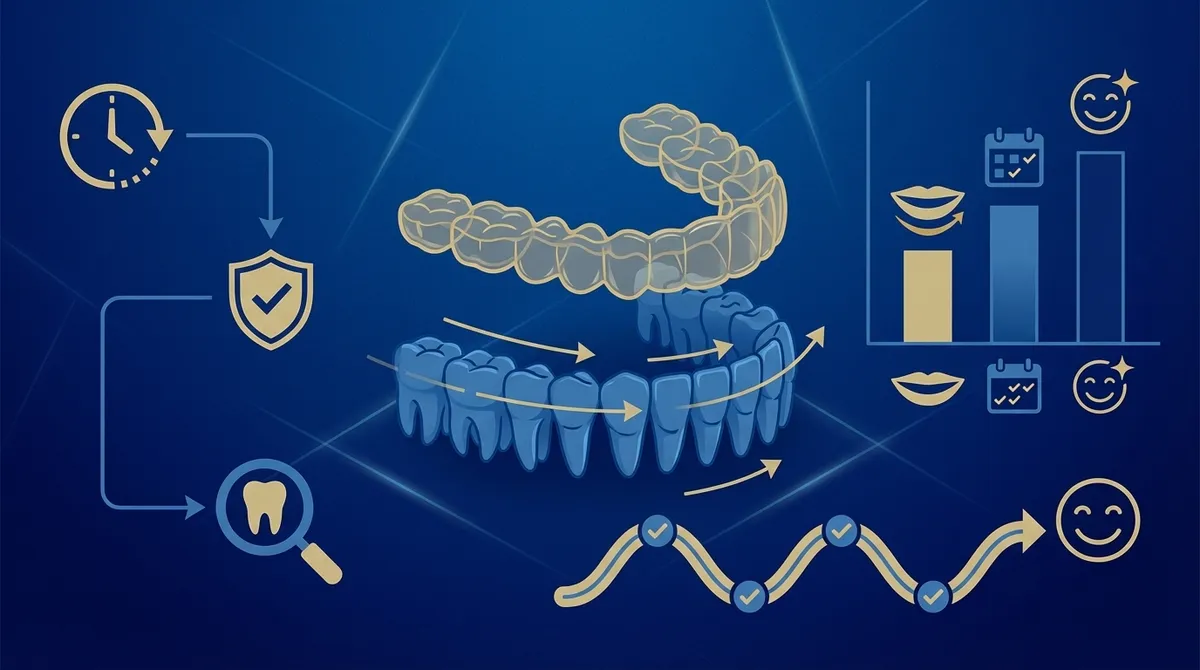
The technology behind clear aligners combines advanced 3D imaging, computer-aided design, and precision manufacturing to create a personalized treatment plan. Each set of aligners is crafted specifically for your teeth, with slight modifications that encourage controlled tooth movement over time. As you progress through your series of aligners, your teeth gradually shift into alignment, transforming your smile week by week.
Whether you’re dealing with crowded teeth, gaps, overbites, or other orthodontic issues, clear aligners offer a modern solution that fits seamlessly into your lifestyle. At Brockway Orthodontics, Dr. Brockway and the team specialize in creating customized clear aligner treatment plans that deliver exceptional results while prioritizing patient comfort and convenience.
The Science Behind Clear Aligner Technology
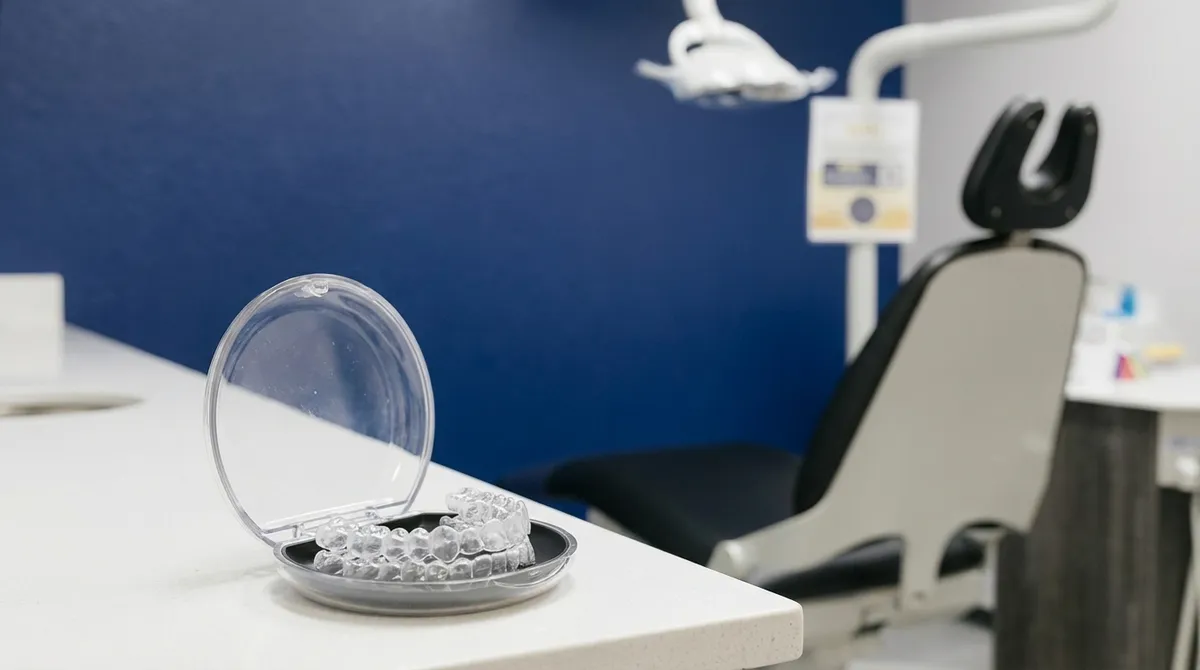
Clear aligners represent a significant advancement in orthodontic science, utilizing biocompatible thermoplastic materials that apply gentle, consistent pressure to your teeth. The materials used in manufacturing these aligners are FDA-approved and specifically engineered to be both durable and flexible enough to facilitate controlled tooth movement. The process begins with digital impressions or physical molds of your teeth, which are then converted into highly accurate 3D models.
Using sophisticated treatment planning software, orthodontists can map out the entire movement of your teeth from their current positions to their final, ideal alignment. This digital approach allows for precise predictions and adjustments before treatment even begins. The software divides this journey into stages, with each stage corresponding to a new set of aligners that will move your teeth incrementally closer to their target positions.
The biomechanics of tooth movement with clear aligners relies on applying controlled forces that stimulate bone remodeling. When pressure is applied to a tooth, the bone on one side is resorbed while new bone forms on the opposite side, allowing the tooth to move through the jawbone. Clear aligners distribute these forces evenly across multiple teeth, resulting in efficient and predictable movement patterns that are monitored throughout your treatment.
How Clear Aligners Compare to Traditional Braces

The primary distinction between clear aligners and traditional braces lies in their design, visibility, and treatment approach. Traditional braces use metal brackets bonded to teeth and connected by wires that are periodically tightened to move teeth. Clear aligners, by contrast, are removable trays that can be taken out for eating, brushing, and special occasions, offering unprecedented flexibility and convenience.
Aesthetically, clear aligners provide a significant advantage for patients who prefer a discreet treatment option. The transparent material makes them virtually invisible when worn, allowing teenagers and adults to undergo orthodontic treatment without feeling self-conscious about their appearance. This discretion has made clear aligners particularly popular among professionals, students, and anyone who values maintaining a natural-looking smile during treatment.
|
Feature |
Clear Aligners |
Traditional Braces |
|---|---|---|
|
Visibility |
Nearly invisible |
Highly visible metal brackets |
|
Removability |
Removable for eating and cleaning |
Fixed to teeth throughout treatment |
|
Dietary Restrictions |
None (removed while eating) |
|
|
Oral Hygiene |
Brush and floss normally |
Requires special techniques and tools |
|
Comfort |
Smooth plastic, no sharp edges |
Can irritate cheeks and lips |
|
Office Visits |
Every 6-8 weeks typically |
Every 4-6 weeks for adjustments |
Treatment duration can be comparable between the two options, though this varies significantly based on the complexity of your case. Simple to moderate cases often see excellent results with clear aligners in 12 to 18 months, while more complex orthodontic issues might require longer treatment times with either method. The orthodontic services at specialized practices can help determine which approach will be most effective for your specific needs.
The Clear Aligner Treatment Process Explained

Beginning clear aligner treatment involves several carefully planned steps that ensure optimal results. Your journey starts with a comprehensive orthodontic consultation where your provider assesses your teeth, bite, and overall oral health. During this initial visit, digital photographs, X-rays, and 3D scans or impressions are taken to create a complete picture of your dental structure.
Once your records are collected, your orthodontist uses specialized software to design your personalized treatment plan. This digital plan shows the projected movement of your teeth at each stage and provides an estimated timeline for completion. You’ll have the opportunity to preview your future smile before treatment even begins, which helps set realistic expectations and builds excitement for the transformation ahead.
Getting Started with Your Aligners
After your treatment plan is finalized, your custom aligners are manufactured and delivered to your orthodontist’s office. You’ll receive your first several sets of aligners along with detailed instructions for wear and care. Most patients are advised to wear their aligners for 20-22 hours per day, removing them only for eating, drinking anything other than water, and performing oral hygiene routines.
Each set of aligners is typically worn for one to two weeks before progressing to the next set in the series. As you advance through your aligners, you’ll notice gradual changes in your tooth positions. Some patients experience mild pressure or discomfort when switching to a new set, which is normal and indicates that the aligners are working effectively to move your teeth.
Monitoring Progress Throughout Treatment
Regular check-ins with your orthodontist are essential to ensure your treatment is progressing as planned. These appointments, typically scheduled every six to eight weeks, allow your provider to verify that your teeth are moving according to the treatment timeline. If any adjustments are needed, they can be made promptly to keep your treatment on track.
Many modern clear aligner systems now incorporate remote monitoring options, where you can submit photos or scans of your teeth through a smartphone app. This technology enables your orthodontist to track your progress between appointments and address any concerns without requiring an in-person visit, adding another layer of convenience to your treatment experience.
Types of Clear Aligner Systems Available
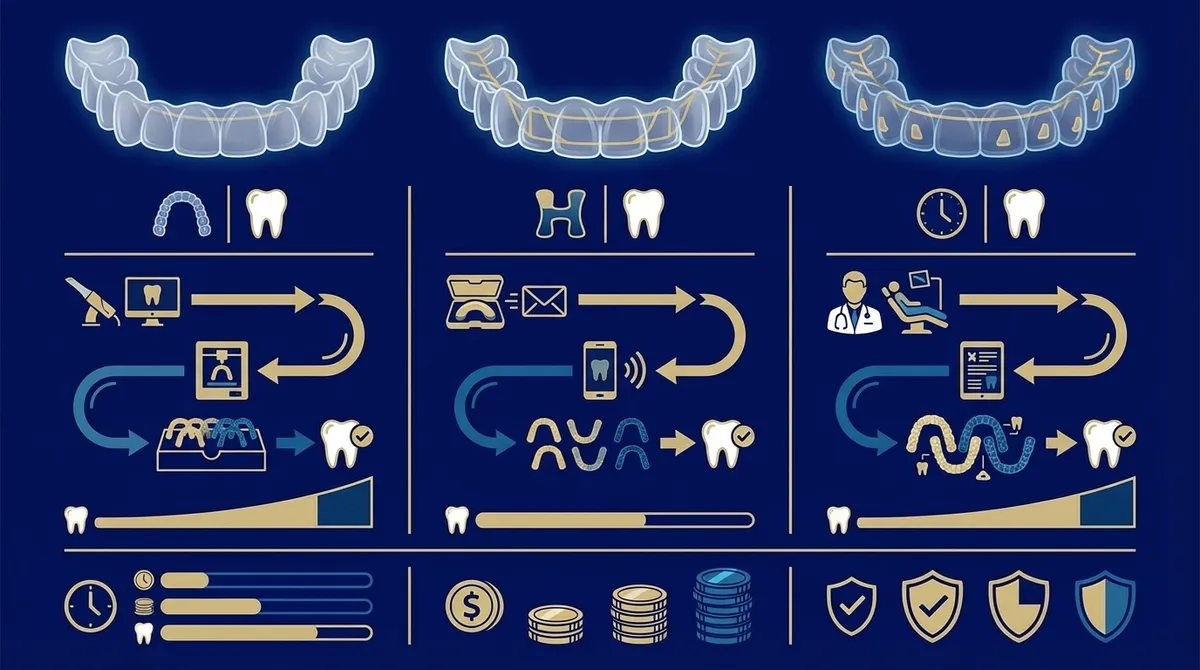
The clear aligner market has expanded significantly, with multiple brands offering variations on the technology. While many people are familiar with the most heavily marketed brand, numerous high-quality systems provide excellent results. Understanding the differences between available options helps you make an informed decision about which system might be best for your treatment.
Spark™ Clear Aligners represent one advanced option that utilizes proprietary TruGEN™ material, designed to be clearer, more comfortable, and more stain-resistant than many competing products. The material technology used in different aligner systems can affect everything from how visible the aligners are to how well they retain their shape and clarity throughout the wearing period.
Each aligner system has unique features and benefits, such as varying thicknesses, different edge designs, and proprietary attachment systems. Some systems are better suited for specific types of tooth movements or case complexities. Your orthodontist’s experience with different systems and their assessment of your particular needs will guide the selection of the most appropriate option for your treatment.
Ideal Candidates for Clear Aligner Treatment
Clear aligners can effectively treat a wide range of orthodontic conditions, though they work best for certain types of cases. Ideal candidates typically have mild to moderate orthodontic issues such as crowding, spacing, minor bite irregularities, or relapsed teeth from previous orthodontic treatment. The technology has advanced considerably, expanding the range of treatable conditions to include many cases that previously required traditional braces.
Adults and teenagers who have all their permanent teeth are generally good candidates for clear aligner therapy. The removable nature of the aligners requires a certain level of responsibility and commitment, as treatment success depends on consistent wear time. Patients who are motivated to follow their treatment plan and maintain the recommended 20-22 hours of daily wear typically achieve excellent results.
Conditions Effectively Treated with Clear Aligners
-
Crowded teeth where there isn’t enough space for all teeth to fit normally
-
Gaps or spacing between teeth that create aesthetic or functional concerns
-
Overbite conditions where upper teeth significantly overlap lower teeth
-
Underbite situations where lower teeth protrude in front of upper teeth
-
Crossbite issues where upper and lower jaws are misaligned
-
Open bite problems where upper and lower teeth don’t meet when biting
-
General teeth straightening for improved appearance and function
However, severe orthodontic cases involving significant jaw discrepancies, extreme rotations, or substantial vertical tooth movements may require traditional braces or a combination approach. During your consultation, your orthodontist will evaluate whether clear aligners are appropriate for your specific situation or if alternative treatments would deliver better results.
Caring for Your Clear Aligners and Maintaining Oral Health
Proper maintenance of your clear aligners is essential for both treatment effectiveness and oral health. Aligners should be cleaned daily using gentle methods that preserve the plastic material while removing bacteria and preventing discoloration. Most orthodontists recommend brushing aligners with a soft toothbrush and clear, antibacterial soap or specialized aligner cleaning products, avoiding toothpaste which can be abrasive and create scratches that harbor bacteria.
Oral hygiene becomes even more important during clear aligner treatment, as trapping food particles or bacteria against your teeth for extended periods can lead to decay or gum disease. You should brush and floss thoroughly after every meal before reinserting your aligners. If brushing isn’t immediately possible, rinse your mouth vigorously with water and clean your teeth as soon as you’re able to maintain optimal oral health throughout treatment.
Best Practices for Aligner Care
-
Remove aligners before eating or drinking anything except water
-
Store aligners in their protective case when not wearing them
-
Clean aligners at least twice daily with appropriate cleaning methods
-
Rinse aligners with cool water before reinserting them
-
Avoid exposing aligners to hot water which can warp the plastic
-
Keep previous aligner sets in case a replacement is needed
-
Never wrap aligners in napkins or tissues where they might be discarded
The American Dental Association emphasizes the importance of maintaining regular dental checkups and professional cleanings throughout orthodontic treatment. These visits ensure that your teeth and gums remain healthy as your smile transforms, catching any potential issues before they become significant problems.
Understanding the Costs and Investment in Clear Aligners
The financial investment in clear aligner treatment varies based on multiple factors including case complexity, treatment duration, geographic location, and the specific aligner system used. Generally, clear aligner treatment costs are comparable to traditional braces, ranging from approximately $3,000 to $8,000 for most cases. More complex treatments requiring longer duration or additional refinements may fall at the higher end of this spectrum.
Many orthodontic practices offer flexible payment plans that break down the total treatment cost into manageable monthly installments, making clear aligners accessible to more patients. Additionally, many dental insurance plans that cover orthodontic treatment provide benefits for clear aligners similar to what they would cover for traditional braces, typically contributing a fixed amount toward treatment costs regardless of the method chosen.
When evaluating the investment in clear aligners, consider the long-term benefits beyond just a straighter smile. Properly aligned teeth are easier to clean, reducing your risk of cavities and gum disease. Correcting bite issues can alleviate jaw pain and prevent excessive wear on tooth enamel. The confidence that comes with an improved smile can positively impact personal and professional relationships, making orthodontic treatment an investment in your overall quality of life.
Potential Challenges and How to Overcome Them
While clear aligners offer numerous advantages, patients may encounter certain challenges during treatment. One common issue is maintaining compliance with the recommended wear time, particularly for busy individuals who might be tempted to leave aligners out for extended periods. Developing a consistent routine and setting smartphone reminders can help ensure you’re wearing your aligners for the necessary 20-22 hours daily.
Some patients experience temporary discomfort when switching to new aligners, which is a normal part of the tooth movement process. This pressure sensation typically subsides within a day or two as your teeth adjust. Over-the-counter pain relievers can help manage any discomfort, and switching to new aligners before bed allows you to sleep through much of the adjustment period.
Managing Common Clear Aligner Concerns
Speech changes are another temporary challenge some patients face, particularly during the first few days of wearing aligners. The presence of the plastic trays in your mouth may cause a slight lisp or alter your speech patterns initially. However, most people adapt quickly, and speech returns to normal within a few days as your tongue adjusts to the aligners’ presence.
Aligner discoloration can occur if proper care isn’t maintained, particularly for patients who drink coffee, tea, or other staining beverages. Removing aligners before consuming anything except water and cleaning them regularly prevents most staining issues. If yellowing occurs, specialized cleaning crystals or tablets designed for clear aligners can restore clarity.
Lost or damaged aligners occasionally happen despite best efforts at care. Most orthodontists recommend keeping your previous set of aligners as a backup in case your current set is lost or broken. Contact your orthodontist immediately if this occurs so they can advise whether to move forward to the next set, go back to the previous set temporarily, or order replacements.
Life After Clear Aligners: Retention and Long-Term Results
Completing your clear aligner treatment is an exciting milestone, but maintaining your new smile requires a commitment to retention. After your teeth reach their desired positions, they have a natural tendency to shift back toward their original locations, a phenomenon called relapse. Retainers are essential for preventing this movement and preserving your treatment results long-term.
Your orthodontist will provide specific retention instructions, which typically involve wearing retainers full-time for the first several months after treatment, then transitioning to nighttime-only wear. Some patients receive fixed retainers bonded to the back of their teeth for permanent retention, while others use removable retainers similar in appearance to their clear aligners. Compliance with retention protocols is just as important as compliance during active treatment for ensuring lasting results.
The investment you’ve made in your smile deserves protection through diligent retainer use. Many orthodontic practices offer retention monitoring programs where you check in periodically to ensure your results are stable. Maintaining good oral hygiene, attending regular dental appointments, and wearing your retainers as directed will help ensure your beautiful new smile lasts a lifetime.
Why Choose Professional Orthodontic Care for Clear Aligners
While direct-to-consumer clear aligner companies have emerged in recent years, there are significant advantages to pursuing treatment under the supervision of a qualified orthodontist. Professional orthodontic care includes comprehensive examinations, X-rays, and diagnostic records that identify underlying issues that might not be visible in simple photographs or impressions. These thorough assessments ensure your treatment plan addresses not just aesthetic concerns but also functional and health-related aspects of your bite.
Orthodontists complete years of specialized education beyond dental school, focusing specifically on tooth movement and facial development. This expertise enables them to anticipate potential complications, make necessary adjustments during treatment, and handle complex cases that require more than straightforward tooth alignment. The Florida Association of Orthodontists represents professionals committed to the highest standards of specialized care in orthodontics.
In-person monitoring throughout your treatment allows your orthodontist to verify that teeth are moving as planned and make course corrections if needed. This oversight is particularly valuable for preventing problems such as improper tooth movements, bite issues, or inadequate treatment results that might occur without professional supervision. At Brockway Orthodontics, patients benefit from Dr. Brockway’s expertise and personalized attention throughout their clear aligner journey.
Making the Decision: Is Clear Aligner Treatment Right for You?
Determining whether clear aligners are the right choice for your orthodontic needs requires careful consideration of your lifestyle, treatment goals, and specific dental conditions. Reflect on your daily routine and whether you can commit to wearing aligners for the recommended duration each day. Consider how important discretion is to you during treatment and whether the aesthetic benefits of clear aligners outweigh other factors in your decision-making process.
Your orthodontic condition plays a significant role in treatment suitability. Schedule a comprehensive consultation with an experienced orthodontist who can evaluate your teeth, bite, and jaw relationship. During this appointment, ask questions about expected treatment duration, anticipated results, and what your specific treatment plan would involve. Understanding all aspects of the process helps you make an informed decision that aligns with your expectations and goals.
Financial considerations are also important in your decision-making process. Discuss payment options, insurance coverage, and the total investment required for your treatment. Many patients find that when they break down the cost over the treatment period, clear aligners fit comfortably within their budget, particularly when considering the long-term benefits of improved oral health and confidence.
Ready to discover if clear aligners can transform your smile? The team at Brockway Orthodontics specializes in creating personalized treatment plans that deliver beautiful, lasting results in a comfortable, welcoming environment. Book appointment online today for your complimentary consultation and take the first step toward the confident smile you’ve always wanted. You can also check out patient experiences and connect with our community by visiting our Google Business Profile to see what others are saying about their orthodontic journeys.
FAQs
Q: How long does clear aligner treatment typically take?
A: Clear aligner treatment duration varies based on case complexity, but most patients complete treatment in 12 to 18 months. Simple cases may finish in as little as six months, while more complex orthodontic issues might require 24 months or longer. Your orthodontist will provide a personalized timeline during your initial consultation based on your specific treatment needs.
Q: Can I eat and drink normally with clear aligners?
A: You must remove your clear aligners before eating or drinking anything except water. This prevents damage to the aligners and avoids trapping food particles against your teeth. Once you’ve finished eating and cleaned your teeth thoroughly, you can reinsert your aligners. This removability is one of the key advantages over traditional braces, which have dietary restrictions.
Q: Are clear aligners painful to wear?
A: Clear aligners are generally not painful, though many patients experience mild pressure or discomfort when switching to a new set. This sensation is normal and indicates that the aligners are working to move your teeth. Any discomfort typically subsides within one to two days as your teeth adjust. Clear aligners are often more comfortable than traditional braces since they have no brackets or wires that can irritate soft tissues.
Q: How do I clean my clear aligners properly?
A: Clean your aligners at least twice daily using a soft toothbrush and clear antibacterial soap or specialized aligner cleaning products. Gently brush all surfaces and rinse with cool water. Avoid using toothpaste, which can be abrasive and scratch the plastic, creating areas where bacteria can accumulate. Never use hot water, as it can warp the aligners and affect their fit.
Q: Will clear aligners affect my speech?
A: Some patients experience minor speech changes when they first begin wearing clear aligners, such as a slight lisp. However, these changes are typically temporary and resolve within a few days as your tongue adapts to the presence of the aligners. Most people adjust quickly and speak normally throughout their treatment without any noticeable speech impediment.