Key Takeaways
-
Ask your orthodontist office what the purpose of your second appointment is—it could be a records visit, braces fitting day, or a first adjustment—so you can prepare appropriately.
-
Braces fitting day is typically one of the longest orthodontic visits, so plan extra time in your schedule and expect mild tooth tenderness for a few days afterward.
-
After braces are fitted or adjusted, soft foods like yogurt and pasta, salt water rinses, and orthodontic wax can help manage soreness, which is completely normal.
-
Adjustment visits are usually shorter than fitting appointments and may not always include wire changes; your orthodontist checks progress and adjusts treatment as needed.
-
Contact your orthodontist immediately if you experience a loose bracket, poking wire, or severe pain—don't wait for your next routine appointment, as quick fixes keep treatment on track.
-
Clean your teeth thoroughly before appointments and bring any elastics or appliances you were given to ensure smooth exams and adjustments.
You made it through the first visit, and now your calendar says “second appointment.” Maybe you feel a little curious. Maybe you feel a little nervous. Either way, that is completely normal! Every parent, teen, and adult we meet at Brockway Orthodontics asks the same thing: what actually happens next?
Here is a fun secret. The phrase braces second appointment does not mean the same thing for everyone. For some patients, it is the visit where braces go on. For others, it is a records visit after the consultation. And for patients who already have braces, it is often the first adjustment visit.
In this friendly guide, we will walk you through each possibility. You will learn what to expect, how long it may take, and what to ask your orthodontic team. By the end, you will feel ready, relaxed, and maybe even a little excited about your smile journey.

What Does “Braces Second Appointment” Really Mean?
Let us clear up the confusion first. “Second appointment” is not an official clinical term. It is simply a casual way to describe the next visit in your treatment path. What it means depends on your personal treatment plan.
Most patients fall into one of three groups:
- After a consultation: The second visit may be a records or assessment appointment so your orthodontist can finish planning.
- Braces fitting day: The second visit may be when brackets and wires are placed on your teeth.
- First adjustment: If braces are already on, the second visit is often a check-in to see how your teeth are moving.
The best first step is to simply ask the office, “What is the purpose of my next visit?” That one question helps you prepare the right way. You can also read more about what happens during your first visit to see how the whole process begins.

The Three Types of Second Appointments at a Glance
Here is a quick comparison to help you spot which one fits you.
| Type of Visit | When It Happens | What Usually Happens | How Long It Takes |
|---|---|---|---|
| Records or assessment visit | After your consultation | Tests, measurements, and planning | Varies by plan |
| Braces fitting visit | After planning is complete | Brackets and archwire are placed | Often one of the longest visits |
| First adjustment visit | After braces are on | Progress check and possible wire or elastic changes | Usually shorter |
Your orthodontist will tell you which one applies to you. Every smile is different, so every plan is a little different too.
If Your Second Appointment Follows Your Consultation
Sometimes the first visit is mostly about getting to know you. Dr. Brockway listens to your goals, looks at your teeth, and talks through your options. The American Association of Orthodontists (AAO) notes that the first one or two visits may include tests and measurements before a treatment is chosen.
So if your second visit is a records appointment, here is what may happen:
- Your team may take digital scans or 3D images of your teeth and bite.
- Photos of your smile and face may be taken.
- Your orthodontist may review the results and finalize your treatment plan.
- You will learn what treatment may fit you best, such as braces or clear aligners.
- You can talk about timing, payment options, and any questions you have.
At our practice, we use modern tools like digital impressions instead of messy molds. That makes this visit more comfortable and more precise. If you are still deciding between treatment types, our guide on braces versus clear aligners can help.
If Your Second Appointment Is Braces Fitting Day
This is the big day for many families! It is the visit where your braces actually go on. The AAO notes that fitting braces is likely to be one of the longest visits in your whole treatment, so plan some extra time in your schedule.
What the Process Looks Like
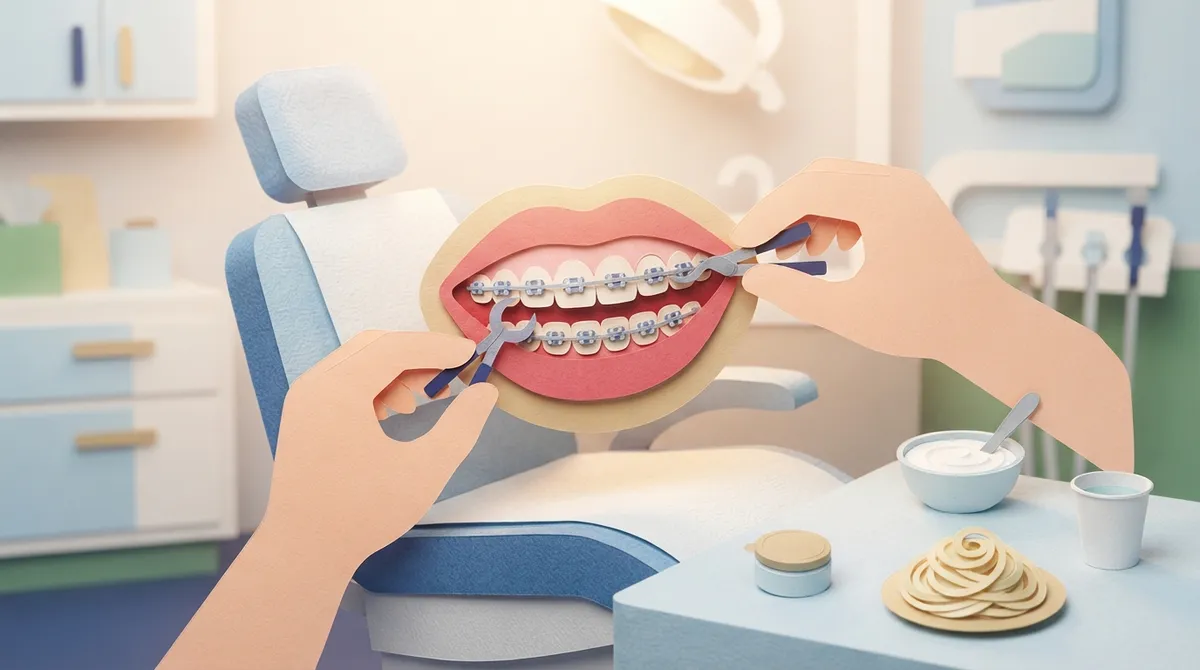
Do not worry. Getting braces is not painful. Here is the usual flow:
- Cleaning and prep: Your teeth are cleaned and gently dried so everything sticks well.
- Placing brackets: Small brackets are attached to your teeth with a special dental adhesive.
- Adding the archwire: A thin wire is placed through the brackets to start guiding your teeth.
- Securing the wire: Elastic ties or other small parts hold the wire in place.
- Care review: Your team explains how to brush, floss, and care for your braces at home.
You can choose from several styles. We offer metal braces and ceramic (clear) braces, plus Spark™ Clear Aligners for patients who prefer a more discreet option. Learn more on our All About Braces page.
What You May Feel Afterward
Your teeth may feel tender or pressured for a few days. That is normal and usually fades. Soft foods like yogurt, pasta, and mashed potatoes can be your best friends at first. Our friendly food guide for braces has plenty of ideas.
Curious how long the whole visit may last? Our post on how long getting braces takes breaks it down. Some patients may even qualify for same-day braces in Clearwater, depending on their plan.
If Your Second Appointment Is Your First Adjustment
If you already have braces on, your braces second appointment is usually a check-in. Think of it as a progress report for your smile! Your orthodontist wants to see how your teeth are moving and whether everything is working as planned.
What Your Orthodontist Checks
A routine follow-up generally includes:
- Checking how your teeth are moving
- Looking at the condition of your brackets and wires
- Changing or adjusting the archwire if needed
- Replacing elastic ties
- Adjusting or adding elastics (rubber bands) if your plan calls for them
- Reviewing how well you are cleaning around your braces
Here is something many people do not expect: not every visit requires a wire change. Sometimes your orthodontist simply checks progress and lets your teeth keep working. That is perfectly fine and often part of the plan.
How Long Will It Take?
Adjustment visits are usually shorter than the day your braces go on or come off. The exact length depends on what needs to be done. If you want a general idea, feel free to ask the office when you book. We are always happy to share what to expect.
How Often Will You See Your Orthodontist?
This is one of the most common questions we hear from parents and adults alike. The honest answer is that it depends on your treatment plan. The AAO gives a broad range of about every 4 to 12 weeks for braces adjustments, depending on your stage of treatment. Its patient guidance also describes visits at roughly every 6 to 10 weeks.
Your orthodontist will set the schedule that fits you best. That schedule always matters more than a general range. If you want to see the bigger picture of timing, our guide on how long braces take to work is a great next read.
How to Get Ready for Your Next Visit
A little preparation makes any appointment smoother. Whether you are a parent juggling school pickups or an adult balancing a busy career, these simple steps help.
- Confirm the purpose: Ask what your visit is for so you know what to expect.
- Brush and floss well: Clean teeth make exams and adjustments easier.
- Bring your questions: Jot them down so you do not forget.
- Bring any appliances: If you were given elastics or special tools, bring them along.
- Plan for time: Fitting visits can run longer, so leave room in your day.
Teens, this one is for you: do not be shy about speaking up! If something feels uncomfortable, tell your team. Parents, you are welcome to ask questions too. Our guide to braces for teens is a handy companion.
Easy Ways to Feel Better After a Visit
Some soreness after braces are fitted or adjusted is completely normal. Your mouth is simply getting used to new pressure. Here are a few comforting tips:
- Choose soft foods for the first few days
- Rinse gently with warm salt water
- Use orthodontic wax on any bracket that rubs your cheek or lip
- Take a pain reliever only as directed by your healthcare provider
- Keep brushing and flossing, even when it feels a little tender
Good home care really does protect your teeth and gums during treatment. Our post on how to brush teeth with braces walks you through it step by step. Also keep up with your regular dental checkups and cleanings alongside your orthodontic visits.
When You Should Not Wait for Your Next Appointment
Most little bumps are easy to handle at home. But some issues deserve a quick call to the office. Contact us right away if you notice:
- A loose or broken bracket
- A wire that is poking or injuring your cheek or gums
- Pain that feels severe or does not go away
- Any appliance problem your orthodontist told you to report
Please do not wait for your next routine visit if the office advises earlier care. A quick fix now can keep your treatment on track. Not sure what counts as urgent? Check out our guide on emergency versus routine orthodontics, or learn about emergency orthodontic care in Clearwater.
Why Families Choose Brockway Orthodontics
We believe every visit should feel welcoming, not stressful. Dr. Brockway takes time to listen to your goals and explain each step in a simple, friendly way. You can meet Dr. Brockway and see what makes our practice special.
We treat the whole family, from kids and teens to adults who want a discreet smile upgrade. Our modern tools, like digital impressions and 3D imaging, help plan your care with precision. Not sure about costs? Our financing and insurance page explains your options.
Want to hear from real patients? Visit us on Google — Brockway Orthodontics to read reviews from our Clearwater community. You can also learn about general oral health guidance from the American Dental Association and find orthodontic resources through the Florida Association of Orthodontists.
Ready for Your Next Step?
Your second appointment is a big step toward the smile you have been dreaming about. Whether it is a records visit, braces fitting day, or your first adjustment, you are making real progress. The best thing you can do is stay curious, ask questions, and keep up your daily care.
If you have questions about your next visit, we would love to help. Book your appointment online or contact our friendly team today. We cannot wait to see you smile!
FAQs
Q: What happens at the second orthodontist appointment?
A: It depends on your plan! The second visit may be a records appointment after your consultation, the day your braces are fitted, or your first adjustment if braces are already on. The best move is to ask your orthodontic office what your visit is for so you can feel fully prepared.
Q: Is the second appointment when braces are put on?
A: Sometimes, yes. If your orthodontist has already finished the diagnostic work and planning, your second visit may be braces fitting day. If more tests or measurements are needed first, your second visit may be a records appointment instead.
Q: How often do you need orthodontist appointments with braces?
A: Visits are scheduled based on your personal treatment plan. The American Association of Orthodontists gives a general range of about every 4 to 12 weeks for braces adjustments, and your orthodontist will set the schedule that works best for you.
Q: Will my teeth hurt after a braces adjustment?
A: Some mild soreness or pressure is common for a few days after braces are fitted or adjusted. Soft foods, warm salt water rinses, and orthodontic wax can help. If pain is severe or does not go away, give our office a call.
Q: What should I do if a bracket comes loose or a wire is poking me?
A: Try covering the sharp spot with orthodontic wax for comfort, then contact our office right away. Please do not wait for your next routine visit, since a quick fix can keep your treatment moving along smoothly.
Our Service Area