Key Takeaways
-
A good clear aligner candidate typically has mild to moderate crowding, spacing, or bite issues, healthy teeth and gums, and the discipline to wear trays 20 to 22 hours a day.
-
Wanting a discreet option does not determine candidacy; a clinical exam with an orthodontist, reviewing bite, tooth positions, jaw relationship, and gum health, is what decides it.
-
Severe crowding, significant jaw mismatches, large back-tooth movements, or cases needing surgery often do better with braces or a combined approach.
-
Active cavities or gum disease must be treated before any orthodontic movement begins, since moving teeth can worsen these problems.
-
Aligners only work when worn, and a 2021 study found only about 36% of patients were fully compliant, so honest self-assessment of daily habits matters.
-
Age alone does not disqualify anyone; teens need most permanent teeth in and adults with mild relapse can often be treated, but retainers are needed afterward to protect results.
You have probably seen the ads. Clear trays, a perfect smile, and no wires in sight. It looks easy, and maybe you are wondering, “Could that be me?” It is a great question, and the honest answer is: it depends.
So, what makes someone a clear aligner candidate? In short, a good candidate has teeth and gums that are healthy enough for movement, an alignment or bite problem that aligners can correct predictably, and the habits needed to wear the trays every day. An in-person exam with an orthodontist is the only way to know for sure.
Here at Brockway Orthodontics, we love helping patients figure this out. Whether you are a parent weighing options for a teen, a busy professional looking for a discreet fix, or an adult returning to treatment after relapse, this guide will walk you through what we look for. We will keep it simple and friendly.
The Short Answer: Who Is a Good Clear Aligner Candidate?
Clear aligners are removable, nearly invisible trays that gently move your teeth in small steps. They work very well for many people. But they are not the right tool for every smile.
A strong clear aligner candidate usually has most of these traits:
- A treatable bite or alignment concern: Often mild to moderate crowding, spacing, or certain bite problems.
- Healthy teeth and gums: No untreated cavities or active gum disease.
- Reliable habits: The ability to wear aligners about 20 to 22 hours a day.
- Realistic expectations: An understanding that aligners need patience, follow-up visits, and retainers afterward.
- Good follow-through: Willingness to switch trays on schedule and attend checkups.
Notice that wanting a discreet option is not on the list by itself. Preference matters, but it does not decide candidacy. A clinical exam does.
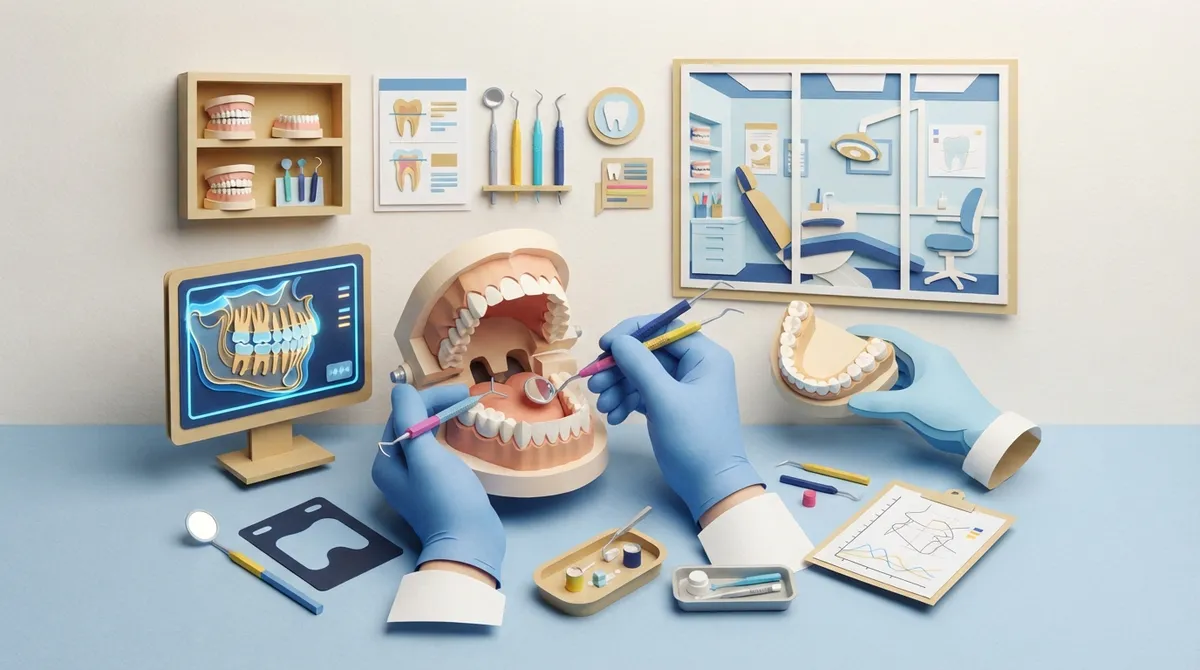
Why an Orthodontist Exam Decides Candidacy
Candidacy is not something you can check with a quiz or a selfie. It comes from a careful look at your whole mouth. During an exam, an orthodontist reviews:
- Your bite: How your upper and lower teeth meet.
- Tooth positions: Which teeth need to move, how far, and in which direction.
- Jaw relationship: Whether your jaws line up well with each other.
- Gum and bone health: The support system that holds your teeth in place.
- Your goals: What you want your smile and bite to look and feel like.
From there, we can say whether aligners alone, braces, or a combination makes the most sense. If you want to know what that first appointment feels like, check out Your First Visit or our guide on what to expect during your orthodontic exam.
Smile Problems Clear Aligners Often Treat Well
Many everyday alignment issues respond nicely to aligners. Depending on the details of your case, these concerns may be a good fit:
- Mild to moderate crowding: Teeth that overlap or twist because there is not enough room.
- Spacing and gaps: Small to moderate gaps between teeth. Our guide on teeth spacing explains the causes and options.
- Mild bite issues: Some overbites, underbites, and crossbites can be treated, depending on how complex they are.
- Minor relapse: Teeth that drifted after earlier braces and need a gentle realignment.
Here is the key detail: success depends on the exact tooth movements your case needs, and on the clinician’s experience with aligner treatment. Some cases need extra tools like small tooth-colored bumps called attachments, tiny spacing adjustments between teeth, or elastics. Others work best with a mix of aligners and braces.
When Clear Aligners May Not Be the Best Choice
We never want to promise something that will not deliver the result you deserve. Some situations are less predictable with aligners alone. These include:
- Severe crowding or complex rotations: Heavily twisted teeth can be tough for trays to control.
- Significant jaw discrepancies: When the jaws themselves are mismatched, the fix may need more than tooth movement.
- Large movements of back teeth: Moving molars a long way is harder with aligners alone.
- Cases needing surgery or team care: Some patients need oral surgery or specialist support along with orthodontics.
- Active dental or gum disease: These need treatment first, before any orthodontic movement begins.
If your case falls into one of these groups, please do not feel discouraged. Braces and other tools are very effective, and sometimes they get you to the finish line faster and more reliably. You can compare your options in Clear Aligners vs. Braces: Which One Is Right for You? and learn more about braces.
Quick Comparison: Strong Candidate vs. Needs a Closer Look
| Factor | Often a Strong Candidate | May Need Another Approach |
|---|---|---|
| Alignment concern | Mild to moderate crowding or spacing | Severe crowding or complex rotations |
| Bite and jaws | Mild bite issues | Significant jaw mismatch or surgical needs |
| Gum and tooth health | Healthy gums, no active decay | Untreated cavities or gum disease |
| Daily habits | Can wear trays 20 to 22 hours daily | Struggles with consistent wear |
| Follow-up | Attends visits, changes trays on time | Often misses appointments |
The Habit Factor: Can You Wear Them Enough?
This is where many people are surprised. Clear aligners only work when they are in your mouth. Most plans call for roughly 20 to 22 hours of wear each day. You take them out to eat and to brush and floss, then pop them right back in.
That sounds simple, but real life gets busy. Research shows that wear habits vary a lot. In a 2021 study of 2,644 clear aligner patients, about 36% were fully compliant, 38.3% were fairly compliant, and 25.7% were poorly compliant. In that same group, 45.5% reported wearing each aligner for 22 hours a day throughout treatment. Keep in mind these numbers come from one provider’s patients and were self-reported, so they are not universal. Still, they show why honest self-reflection matters.
If aligners sit in a case at lunch and never make it back in, progress slows. Teeth may stop tracking with the trays, and your final result can suffer. Fixed braces, on the other hand, work around the clock without needing your help. For some patients, that is the better fit, and that is perfectly okay.
Everyday Responsibilities of an Aligner Patient
- Wear your trays for the full prescribed hours each day.
- Clean them and your teeth after eating.
- Store them safely in their case, never wrapped in a napkin.
- Change trays on the schedule your orthodontist gives you.
- Show up for monitoring visits.
Lost or poorly fitting trays and missed follow-ups can mean extra adjustments or new aligners. Our post on clear aligner food mistakes shares easy tips to protect your trays and your smile.
Gum and Tooth Health Come First
Healthy teeth and gums are the foundation of any orthodontic plan. Moving teeth when there is active decay or gum disease can make those problems worse. That is why we check for them first.
If we spot an issue, we will help you coordinate care with your dentist or a periodontal specialist. Once your mouth is healthy, orthodontic treatment can move forward safely. This is especially important for health-conscious patients and anyone with a history of gum concerns. We tailor every plan to your needs.
Does Age Matter? Teens, Adults, and Everyone in Between
Here is some good news: age alone does not decide candidacy. Both teens and adults can be great candidates when their dental development and clinical needs are a match.
For Teens and Young Adults
Teens often love how discreet aligners are, especially around big moments like graduation, prom, or senior photos. Good candidates have all or most of their permanent teeth in and the maturity to keep up with daily wear. Parents, your role matters here. A little gentle supervision can make a big difference. Learn more about our adolescent treatment options, or read our guide on braces vs. clear aligners for kids.
For younger children who are still growing, growth and supervision are extra factors. Sometimes early treatment is the smartest first step, with aligners or braces coming later.
For Adult Professionals and Relapse Patients
Adults are a big part of the aligner story. If you work in a client-facing job or simply prefer a low-profile option, aligners can fit right into your life. Many adults who had braces years ago also find their teeth have shifted. A mild relapse can often be corrected with aligners. See our adult treatment page and our post on getting braces at 40 and beyond.
What Aligners Can and Cannot Promise
Aligners are removable and much less noticeable than braces. That is a real perk. But they are not automatically faster, cheaper, or right for everyone. A good orthodontist will be upfront about the limits.
Before you start, your orthodontist should explain:
- Likely limitations of aligners for your case.
- Alternatives, including braces or combined care.
- The need for retainers after treatment to keep your results.
- The possibility of refinements, which are extra trays to fine-tune the finish.
Retainers matter more than most people expect. Teeth like to drift back. Our retainers page explains how to protect your new smile for the long run.
How Brockway Orthodontics Helps You Decide
At Brockway Orthodontics, we offer Spark™ Clear Aligners, along with metal and ceramic braces, so we can match you with the option that truly fits. Dr. Chelsea Brockway takes the time to listen to your goals, explain your choices in plain language, and build a plan that works for your life. You can learn more about her on the Meet Dr. Brockway page.
We also use modern tools like digital impressions and 3D imaging, so there are no messy molds and your plan is precise. Curious what real patients think? Read Brockway Orthodontics reviews on Google to see their experiences in Clearwater.
Wondering about cost? We offer flexible options, and you can explore financing and insurance to see what works for your budget. For extra background on dental care in general, the American Dental Association is a trusted resource, and you can find specialist information through the Florida Association of Orthodontists.
A Simple Self-Check Before Your Visit
Not sure where you stand? Ask yourself these questions. They will not replace an exam, but they can help you prepare:
- Do I have mild to moderate crowding or spacing, rather than a severe bite problem?
- Are my teeth and gums healthy, with regular dental checkups?
- Can I realistically wear trays most of the day, every day?
- Am I okay with taking them out to eat and cleaning them each time?
- Will I attend my follow-up visits and wear a retainer afterward?
If you answered yes to most of these, you may well be a strong candidate. If a few felt shaky, that is fine too. It simply helps us pick the right path with you.
Ready to Find Out If Clear Aligners Are Right for You?
The best way to answer “am I a candidate?” is to let an expert take a look. A quick consultation can give you clarity, a clear plan, and real confidence about your next step. No pressure, just honest guidance from a team that cares.
Ready to get started? Book your appointment online or contact us with any questions. We cannot wait to meet you and help you smile with confidence in 2026 and beyond.
FAQs
Q: Am I a good candidate for clear aligners?
A: You may be if you have mild to moderate crowding, spacing, or a treatable bite concern, along with healthy teeth and gums. You also need to wear your trays about 20 to 22 hours a day. A quick exam with an orthodontist is the only way to know for sure, and we would be happy to take a look!
Q: Who should not get clear aligners?
A: Clear aligners may not be the best fit for people with severe crowding, big jaw mismatches, or cases that need surgery. They are also not ideal if you have untreated cavities or gum disease, or if daily wear would be a struggle. Don’t worry, though. Braces or a combined plan can often get you a great result.
Q: Can clear aligners fix an overbite, underbite, or crossbite?
A: Sometimes, yes! Milder bite problems can often be treated with aligners, sometimes with helpers like elastics or attachments. More complex or jaw-related bites may need braces or other care, so your orthodontist will recommend the best path after an exam.
Q: Can teenagers get clear aligners?
A: Absolutely. Teens can be wonderful candidates when their permanent teeth are in and they can follow the wear schedule. For younger patients, parents play a helpful role in keeping them on track.
Q: Do I need healthy teeth and gums before starting clear aligners?
A: Yes, healthy teeth and gums are the foundation for safe tooth movement. Active decay or gum disease needs to be treated first, sometimes with help from your dentist or a periodontal specialist. Once your mouth is healthy, we can move forward with confidence.
Our Service Area