Key Takeaways
-
Fixed bonded retainers work around the clock without needing you to remember them, but they require careful daily cleaning with floss threaders or interdental brushes and regular checkups.
-
Clear removable retainers are nearly invisible and comfortable, but they can crack, wear down, or get lost, so always store them in their case when not in use.
-
A 2023 Cochrane review found evidence too uncertain to name one best retainer type, so the right choice depends on your teeth, habits, and lifestyle.
-
Many patients combine options, such as a bonded wire on the lower front teeth with a clear removable retainer on the upper arch for extra protection.
-
Wear schedules vary, but many orthodontists recommend long-term part-time wear, often a few nights each week, because teeth can keep shifting over time.
-
If your retainer breaks, gets lost, or suddenly feels tight, call your orthodontist promptly and never force it or repair a loose fixed wire yourself.
You did it! The brackets are off, your teeth look amazing, and you can finally smile without a second thought. But here’s the part nobody likes to hear: the journey isn’t quite over. Your teeth are still settling into their new homes, and they need a little help to stay put.
That’s where retainers come in. Choosing from the many retainer options after braces can feel confusing at first. Clear trays, wire retainers, bonded wires… which one is right for you? The good news is that you don’t have to figure it out alone.
In this friendly guide, we’ll walk through every common type, compare the pros and cons, and share tips for wearing and caring for your retainer. Whether you’re a parent helping your child, a teen with prom photos coming up, or an adult who wants to protect an investment, you’ll find clear answers here.
Why Do You Need a Retainer After Braces?
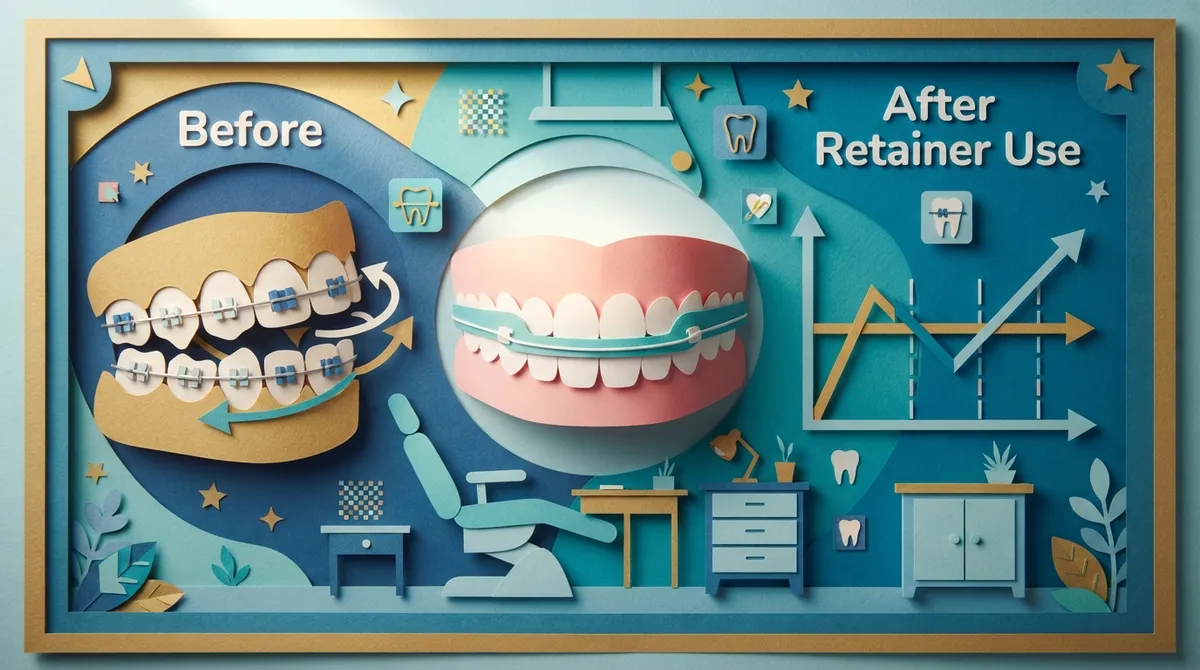
Think of your teeth like freshly poured cement. They look set, but the gum and bone around them are still adapting to the new positions. Without support, teeth can drift back toward where they started.
Retainers help hold your new smile steady while those tissues settle. They also help guard against the small shifts that happen naturally as we age. A retainer does not make a promise that your teeth will never move. It simply gives your smile the best chance of staying where you worked so hard to put it.
If you want to dig deeper into why this stage matters, our guide on retainers explains how we help patients protect their results.
The Main Retainer Options After Braces
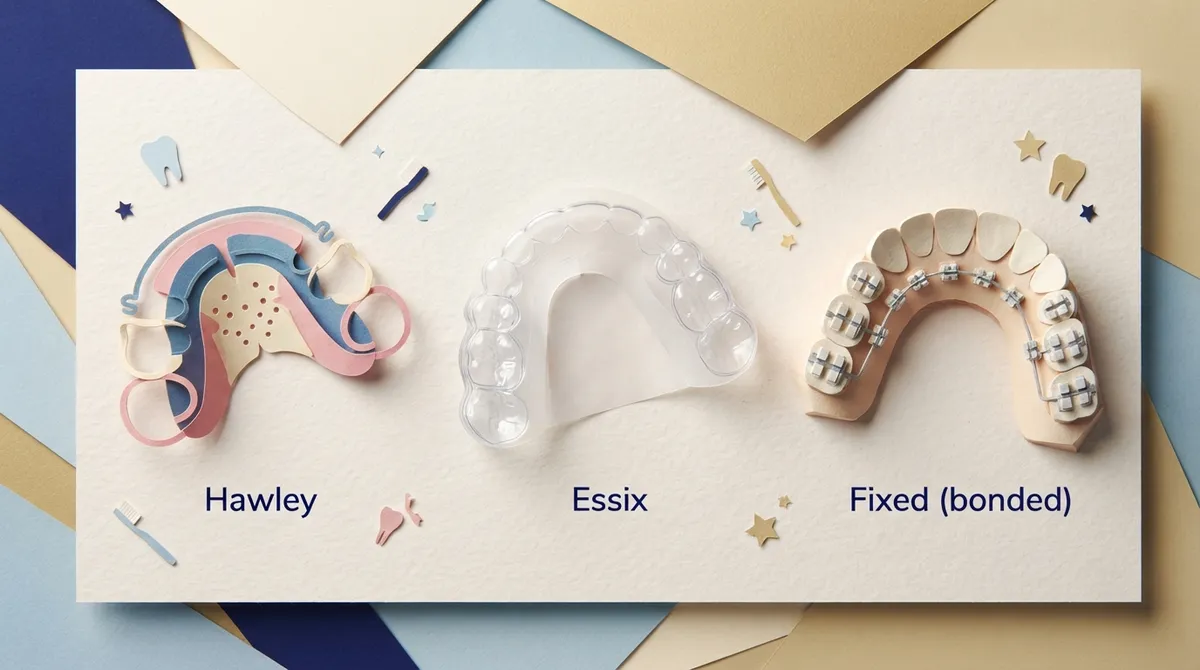
Most retainer options after braces fall into two big groups: removable and fixed. Within those groups, you will find a few popular styles. Let’s meet them.
Clear Removable Retainers (Essix-Style)
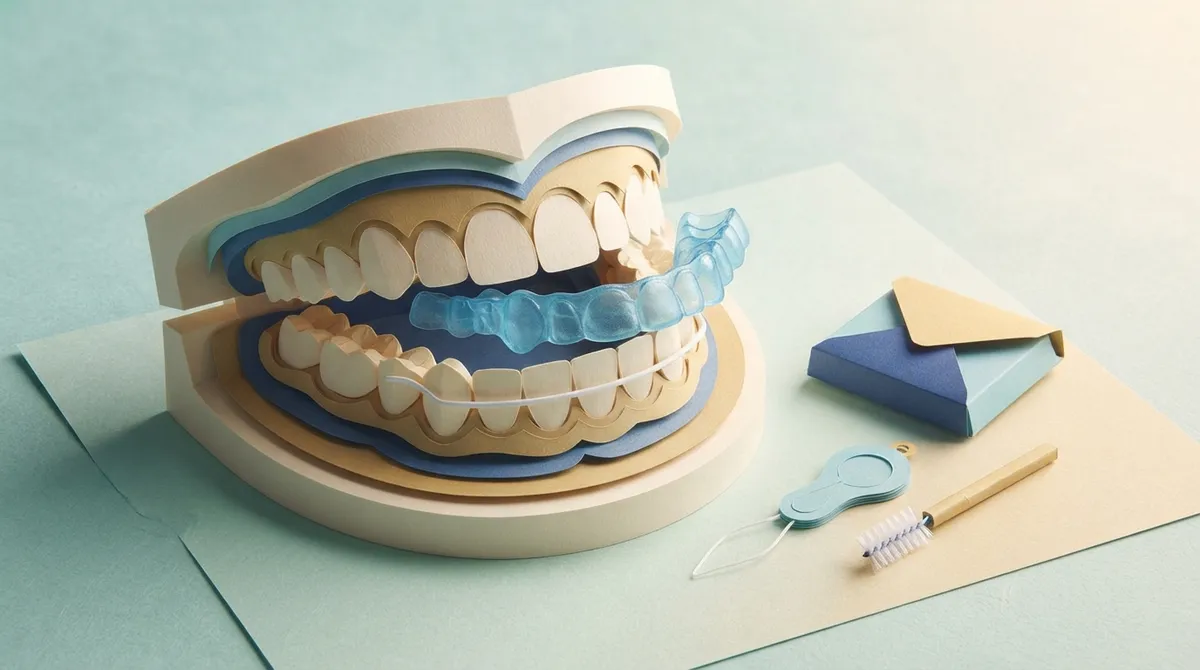
These are thin, clear plastic trays that fit snugly over your teeth. They look a lot like clear aligners, which makes them a favorite for teens and adults who want a discreet option.
- Pros: Nearly invisible, comfortable, and easy to take out for meals and cleaning.
- Cons: They can crack, wear down, or get lost, especially if you wrap them in a napkin at lunch (we have all heard that story!).
Hawley Retainers
A Hawley retainer has a smooth acrylic plate that sits against the roof or floor of your mouth, plus a thin metal wire that wraps across the front teeth. It’s the classic style that has helped smiles for decades.
- Pros: Durable, and your orthodontic team can adjust it when needed.
- Cons: More noticeable than clear trays, and it may feel bulky or affect speech for a few days.
Fixed (Bonded) Retainers
A fixed retainer is a thin wire bonded to the back of your teeth, most often the lower front teeth. Because it stays in place, you do not need to remember to put it in.
- Pros: Works around the clock and can’t be forgotten or lost.
- Cons: It needs careful cleaning, and the wire can break or come loose, so regular checkups matter.
Retainer Types Compared at a Glance
| Feature | Clear (Essix-Style) | Hawley | Fixed (Bonded) |
|---|---|---|---|
| Visibility | Nearly invisible | Wire visible on front teeth | Hidden behind teeth |
| Removable? | Yes | Yes | No |
| Relies on you to wear it? | Yes | Yes | No |
| Durability | Can crack or wear through | Often very durable | Can break or loosen |
| Cleaning | Brush and rinse as directed | Brush and rinse as directed | Needs floss aids and careful brushing |
| Adjustable? | Usually replaced instead | Yes, by a professional | Repaired or replaced |
Which Retainer Is Actually Best?
Here’s the honest answer: there is no single winner for everyone. A 2023 Cochrane review looked at 47 studies involving 4,377 children and adults. It concluded that the evidence is too uncertain to name one best retention method.
The comparisons between fixed and removable retainers showed small or uncertain differences in tooth movement, failure rates, gum health, and patient satisfaction. In one trial, lower clear retainers were linked to about 0.6 mm more tooth irregularity than multistrand fixed retainers, though the review noted this difference may not be clinically important.
What does that mean for you? It means the best retainer is the one that fits your teeth, your habits, and your lifestyle, and the one you will actually use. Your orthodontist considers factors like:
- Where your teeth started before treatment
- How your final result turned out
- Your risk of teeth shifting back (relapse)
- Your brushing and flossing habits
- Your personal preferences and daily routine
Can You Have Both a Fixed and a Removable Retainer?
Absolutely! Many patients get a combination. A common setup is a bonded wire on the lower front teeth and a clear removable retainer for the upper arch. Others get different styles for the top and bottom.
This approach gives you extra protection where teeth tend to shift the most. Dr. Brockway can walk you through which setup makes sense for your smile during your final visit.
How Long Do You Need to Wear Your Retainer?
This is the question we hear most. The truth is that wear schedules vary from person to person, so please follow the plan your own orthodontist gives you rather than a generic timeline.
That said, here are some common patterns:
- Full-time wear at first. Many patients wear their retainer nearly all day and night for an initial period, taking it out only to eat and brush.
- Nighttime wear next. After the early phase, most people switch to wearing it while they sleep.
- Long-term part-time wear. Many orthodontists recommend continuing to wear a retainer a few nights each week for years to help maintain alignment.
Some patients start with nighttime wear right away. Either way, think of your retainer as a lifelong friend for your smile. A small habit now protects the results you invested in.
How to Care for Your Retainer
A little daily care keeps your retainer fresh, comfortable, and working well. Here is a simple routine you can follow.
Caring for Removable Retainers
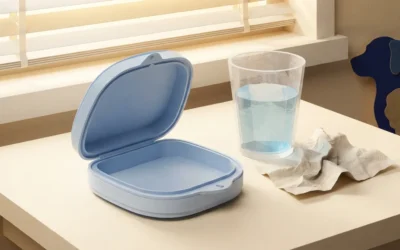
- Remove it for meals. Take it out before you eat, and always store it in its case.
- Rinse and clean daily. Use a soft toothbrush and mild soap or the cleaner your orthodontist recommends.
- Skip the heat. Hot water, hot cars, and hot dashboards can warp plastic, so keep it cool.
- Keep it safe from pets. Dogs love chewing on retainers more than you would believe.
- Bring it to checkups. We can check the fit and spot early wear.
Caring for Fixed Retainers
- Brush carefully around the wire every day.
- Use a floss threader or interdental brush to clean between teeth.
- Avoid biting hard foods directly on the front teeth.
- Keep your regular dental and orthodontic checkups.
For more everyday habits that protect your smile, check out our tips on how to wear a retainer after braces and keep your smile.
What If Your Retainer Breaks, Gets Lost, or Feels Tight?
It happens to nearly everyone at some point, so please don’t panic. Here’s what to do:
- Broken or cracked: Stop wearing it if it could cut your mouth, and call your orthodontist.
- Lost: Reach out right away. The sooner you get a replacement, the less time your teeth have to move.
- Loose fixed wire: Do not try to fix it yourself. Schedule a visit so it can be repaired safely.
- Suddenly tight: A tight fit often means your teeth shifted a little. Call us, and don’t force it in.
Need quick guidance? Our article on what to do if your retainer breaks walks you through the steps.
Retainer Tips for Different Stages of Life
For Parents of Kids and Teens
Retainers are easy to lose at school, in lunchrooms, and on sports fields. Pick a bright case, set a nightly routine, and make retainer checks part of family life. A little teamwork goes a long way.
For Teens and Young Adults
Big events like graduation and prom are fun, but busy schedules can lead to skipped nights. Clear retainers keep things discreet, and a phone reminder can help build the habit.
For Working Adults
If you’re juggling meetings and deadlines, a fixed retainer on the lower teeth can offer steady protection without the daily hassle. Pair it with a removable option on top if your orthodontist suggests it.
For Patients Who Have Had Relapse
If your teeth have drifted since an earlier round of treatment, you’re not alone. Many adults come back for a fresh look at their options. Learn more about adult treatment and how personalized care can bring your smile back on track.
How Often Should You See Your Orthodontist After Braces?
Follow-up care matters. Many health systems, including the NHS, describe about 12 months of orthodontic follow-up after treatment ends. Arrangements vary by provider, and you may need ongoing retainer checks, repairs, or replacements after that.
Regular visits let us confirm that your teeth are holding steady and that your retainer still fits well. For more on the full process, see how braces work from start to finish. You can also learn more about oral health standards from the American Dental Association.
Can Teeth Still Shift If You Wear Your Retainer?
Sometimes, yes. Teeth can continue to change over time because of aging, grinding, gum health, and natural changes in the jaw. A retainer greatly reduces this risk, but it can’t promise zero movement.
That’s why consistent wear and regular checkups are so important. If your retainer ever feels different, tell us early. Small shifts are much easier to manage than big ones.
Trust Brockway Orthodontics for Your Retainer Care
Dr. Brockway takes the time to listen, explain your options in plain language, and build a retention plan around your life. As a trusted orthodontist in Clearwater, Florida, our team helps kids, teens, and adults protect their smiles for the long haul. You can learn more about Dr. Brockway and see what our patients are saying. Visit Visit us on Google — Brockway Orthodontics to read reviews from our Clearwater community.
We offer modern tools like digital impressions and 3D imaging, which help us create a comfortable, precise fit. Whether you completed treatment with metal braces, ceramic braces, or Spark™ Clear Aligners, we have a retention plan for you.
Ready to Protect Your Smile?
Your smile deserves long-term care. The best retainer options after braces are the ones chosen with your teeth, your habits, and your goals in mind. Don’t leave it to guesswork when a friendly conversation can set you up for years of confidence.
Have a lost, broken, or tight retainer, or just want to pick the right style? Book your appointment online and we’ll find the perfect fit together. Prefer to chat first? Contact us and our welcoming team will be glad to help.
FAQs
Q: What types of retainers can I get after braces?
A: The most common options are clear removable retainers (Essix-style), Hawley retainers with an acrylic plate and wire, and fixed bonded wires behind the teeth. Some patients get a mix of two types. Dr. Brockway will help you choose based on your teeth and lifestyle.
Q: Do I have to wear my retainer every night for life?
A: Many orthodontists recommend long-term part-time wear, often a few nights each week, because teeth can keep moving as we age. Your schedule may differ, so follow your own orthodontist’s plan. Think of it as a small habit that protects a big investment!
Q: How do I clean my retainer?
A: For removable retainers, rinse them and brush gently with a soft toothbrush and mild soap or your orthodontist’s recommended cleaner. Skip hot water, which can warp plastic. For fixed retainers, brush carefully and use floss threaders or interdental brushes around the wire.
Q: What should I do if my retainer breaks or no longer fits?
A: Call your orthodontist as soon as you can. Don’t force a tight retainer into place, and don’t try to repair a fixed wire yourself. A quick visit helps keep your teeth from shifting and gets you back on track.
Our Service Area