Key Takeaways
-
Healthy gums must come first: braces move teeth through gum and bone tissue, and moving teeth with active inflammation can accelerate the bone and tissue damage you're trying to avoid.
-
A history of gum disease doesn't automatically rule out braces; if periodontitis is active, treatment is typically delayed until it is controlled, while stable past disease often allows careful treatment.
-
Expect a periodontal assessment before treatment, including checks for gum inflammation, pocket depth, recession, tooth mobility, and imaging when needed.
-
Braces trap plaque in brackets, wires, and tight corners, so daily brushing around every bracket and flossing with a threader, water flosser, or interdental brush is essential throughout treatment.
-
Smoking, diabetes, certain medications, and past gum disease all affect gum health, so share your full medical and dental history with your orthodontist to get a personalized plan.
-
If gum inflammation appears during treatment, tooth movement may be paused so gums can heal, which protects your teeth long term rather than signaling failure.
So you’re finally ready to straighten your smile. Maybe a big event is coming up, maybe you’ve just had enough of that crooked tooth, or maybe you want better bite function. Whatever your reason, welcome! You’re in great company, and it’s never too late to start.
But here’s something many adults don’t hear until they’re sitting in the chair: why gum health matters before adult braces is one of the most important questions to ask. Braces move teeth through the bone and gum tissue that hold them in place. If that foundation is inflamed or weakened, treatment can cause real problems.
The good news? Healthy gums are very achievable, and even people with a history of gum disease can often still get braces. In this friendly guide, we’ll walk through why your gums matter, what a gum check looks like, and how to keep your smile healthy from the first appointment to the last. At Brockway Orthodontics, we believe a beautiful smile starts with a healthy base.
How Braces and Gums Work Together
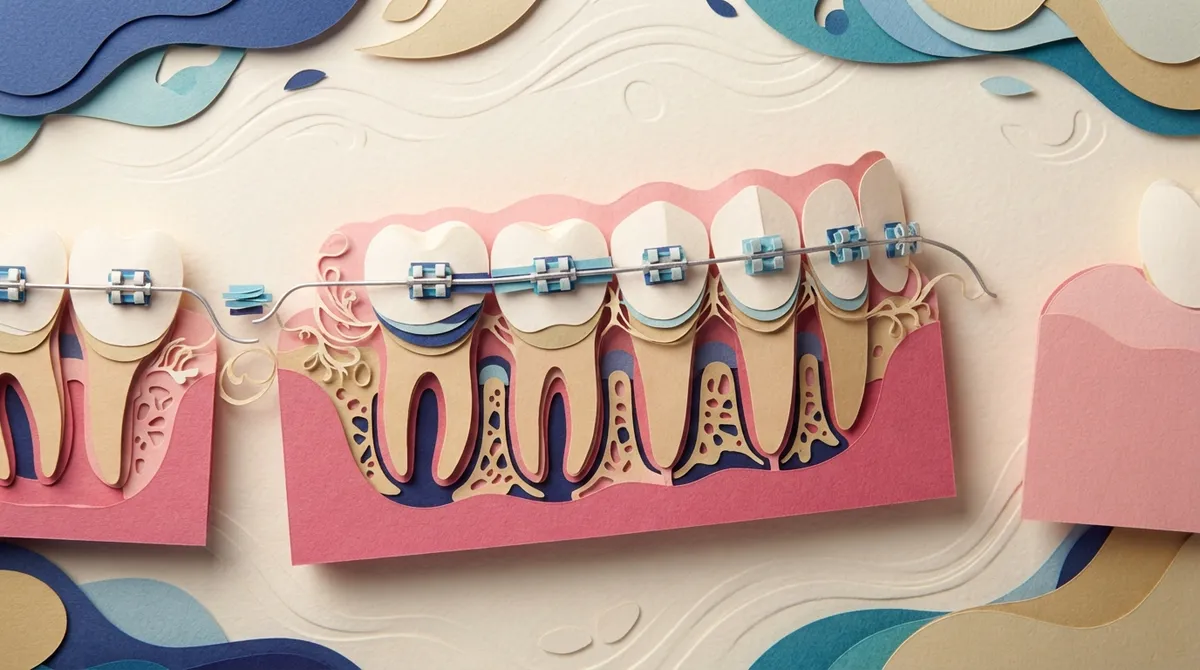
Think of your teeth like fence posts in soil. The soil is your gums and the bone underneath. When you wear braces, gentle pressure slowly moves each tooth through that soil to a new spot.
For that to go well, the soil needs to be firm and healthy. If it’s soft, swollen, or eroding, the posts can loosen instead of simply shifting. That’s why the first step in smart adult orthodontic planning is a look at your gum health.
What Gum Disease Actually Is
Gum disease comes in two main stages:
- Gingivitis: Early, reversible inflammation. Gums may look red or puffy and bleed when you brush or floss.
- Periodontitis: A more advanced stage where infection affects the bone and tissue that support your teeth. This can cause pockets, recession, and loose teeth.
It’s more common than you might think. According to the CDC, about 42% of U.S. adults aged 30 and older have periodontitis, and about 8% have severe periodontitis. Among adults 65 and older, the rate is around 60%. So if you’ve had gum trouble, you are far from alone.

Why Gum Health Matters Before Adult Braces
Here’s the heart of it. Orthodontic forces on teeth with active gum inflammation and damaged support tissue can make attachment loss or bone loss worse. In plain terms, moving teeth while the gums are unhealthy can speed up the very damage you’re trying to avoid.
Healthy gums help with several things:
- Safer tooth movement. Strong bone and tissue let teeth shift predictably.
- Less inflammation during treatment. Braces can trap plaque, so you want to start from a clean slate.
- Better long-term results. A stable foundation helps your new smile last.
- More comfort. Calm, healthy gums are less sore and less likely to bleed.
Many of our adult patients are surprised to learn that straight teeth and healthy gums go hand in hand. Straighter teeth are easier to clean, which can support gum health later. But the order matters: gums first, movement second.
What Happens During a Gum Health Check
A periodontal assessment is a normal, important part of adult orthodontic planning. It’s quick and painless, and it gives your orthodontist the full picture before any brackets or aligners go on.
Your evaluation may include:
- Checking for gum inflammation and plaque buildup
- Measuring periodontal pockets (the small spaces between gum and tooth)
- Looking for tooth mobility and gum recession
- Reviewing your medical and dental history
- Taking X-rays or 3D images when clinically helpful, which is one reason modern intraoral scanning and imaging are so valuable
This step is not about judging you. It’s about building a plan that fits your mouth. If you want to know what to expect at that first visit, our guide to your first orthodontist appointment walks you through it.
Can You Get Braces If You Have Gum Disease?
This is the question we hear most. The honest answer: it depends on whether the disease is active or controlled.
| Gum Condition | Can You Start Braces? | What Usually Happens First |
|---|---|---|
| Healthy gums | Yes | Standard treatment planning |
| Mild gingivitis | Often after a short delay | Professional cleaning and better home care |
| Active periodontitis | Not yet | Periodontal treatment to control infection first |
| Past periodontitis, now stable | Often yes, with a careful plan | Ongoing monitoring and gentle force planning |
A history of gum disease does not automatically rule out braces. Adults with a reduced but stable periodontium can often be good candidates when the disease is controlled, home hygiene is solid, and the orthodontic forces and follow-up are planned carefully.
What Does “Stable” Mean?
Treatment goals are individualized, but clinical guidance often focuses on controlling inflammation and avoiding deep pockets that bleed. One guideline endpoint cited in recent expert consensus is no pockets of 5 mm or deeper with bleeding on probing, and no pockets of 6 mm or more. These are clinical decision tools, not a substitute for a personal exam, so your orthodontist and gum specialist will make the final call for you.
What Happens If You Start Braces With Untreated Gum Disease?
Starting braces with active gum disease can raise real risks. The inflammation may worsen, bone support may shrink further, and teeth can become looser. In some cases, treatment may need to be paused so the gum problem can be handled first.
If gum inflammation or periodontal disease shows up during treatment, your orthodontist and a periodontal clinician may reassess the plan. Tooth movement might stop temporarily while the gums heal. That’s not a failure. It’s smart, careful care that protects your teeth for the long haul.
How Braces Affect Plaque and Gum Health
Let’s be real: braces make cleaning trickier. Brackets, wires, and tight corners give plaque more places to hide. And plaque is the main driver of gum inflammation.
That means gum care isn’t just a pre-braces step. It’s a daily habit all the way through treatment. Many patients struggle at first, which is why we love sharing tips like these brushing mistakes to avoid with braces and this friendly walkthrough on how to brush teeth with braces.
Simple Daily Habits for Healthy Gums
- Brush gently for two minutes, twice a day, angling the bristles toward the gumline
- Clean around each bracket and under the wire
- Floss daily using a floss threader, water flosser, or interdental brushes
- Rinse after meals when you can’t brush
- Keep up with professional cleanings as recommended
If you’re wondering how to handle flossing specifically, the best tips to brush and floss with braces daily can make it feel a whole lot easier.
Who Needs Extra Gum Attention?
Some factors can make gums more sensitive to inflammation and affect your treatment planning. Be sure to share these with your care team:
- Smoking or tobacco use: Reduces healing and raises gum disease risk
- Diabetes: Can make gum infections harder to control
- Certain medications: Some cause dry mouth or gum overgrowth
- Age: Gum disease becomes more common as we get older
- Past periodontal disease: Needs a personalized maintenance schedule
Being open about your health history helps us protect you. There’s no judgment here, just a plan built around your real life.
Gum Health and Your Treatment Options
Your gum health can also shape which orthodontic option fits you best. Both braces and clear aligners can work for adults, but each has trade-offs when it comes to cleaning and monitoring. Removable aligners make brushing and flossing simpler, while fixed braces may offer more control in certain complex cases.
Not sure where to start? Our comparison of braces vs. clear aligners in Clearwater can help you weigh the options. You can also see how dental health affects your braces or aligner options. Brockway Orthodontics offers Spark™ Clear Aligners, metal braces, and ceramic braces, so we can match the right tool to your needs.
A Simple Roadmap: From Gum Check to Straight Smile
Here’s what the journey often looks like for an adult with gum concerns:
- Book a consultation. We review your goals, history, and current gum health.
- Get a periodontal assessment. This may include measurements and imaging.
- Treat any active gum disease. Your dentist or periodontist helps bring inflammation under control.
- Confirm stability. We make sure your gums are healthy enough to begin.
- Start orthodontic treatment. Forces are planned carefully for your support tissue.
- Monitor throughout. Regular check-ups catch problems early. Learn why orthodontic checkups matter so much.
- Protect your results. Retainers and ongoing gum care keep everything steady.
This team approach, with your orthodontist and dentist or periodontist working together, gives you the safest path to a smile you love. If you’re curious about how adults in particular benefit, check out whether orthodontics for adults in Clearwater is right for you.
Why Choose Brockway Orthodontics
At Brockway Orthodontics in Clearwater, Florida, Dr. Brockway takes the time to listen to your concerns and goals. She explains each step in a friendly, easy-to-understand way so you feel informed and comfortable. We use modern technology like digital impressions and 3D imaging to plan treatment precisely, and in certain cases we offer same-day treatments for busy schedules.
We welcome adults of all ages, including those with gum concerns, and we’re happy to coordinate with your dentist or gum specialist. You can also visit us on Google — Brockway Orthodontics to see what our Clearwater patients say about their experience. For general oral health guidance, the American Dental Association is a helpful resource, and you can learn more about the CDC’s data on gum disease at the CDC’s gum disease fast facts page.
Ready to Start With a Healthy Foundation?
Healthy gums aren’t a roadblock to braces. They’re the base that makes your results last. Whether your gums are in great shape or need a little care first, there’s a path forward, and we’re here to walk it with you.
Ready to find out where you stand? Book your appointment online and let’s build a plan for a healthy, confident smile. Have questions first? Feel free to contact us anytime.
FAQs
Q: Do I need a gum check before getting adult braces?
A: Yes, and it’s a simple step that makes a big difference! A periodontal assessment checks for inflammation, pocket depth, recession, and tooth mobility so we can make sure your gums are ready for tooth movement.
Q: Can I get braces if I have gum disease?
A: Often, yes, as long as the disease is treated and under control first. Active gum disease needs to be managed before braces begin, but a history of gum disease doesn’t automatically rule you out.
Q: Why do orthodontists treat gum disease before braces?
A: Braces apply pressure to teeth held in place by your gums and bone. If those tissues are inflamed or damaged, that pressure could worsen bone loss, so we treat the gums first to keep your teeth safe.
Q: How can I keep my gums healthy while wearing braces?
A: Brush gently around every bracket, floss daily with a threader or water flosser, and keep up with professional cleanings. Sharing any health changes with your care team also helps us catch gum trouble early.
Q: Can adults with bone loss still have orthodontic treatment?
A: Many can! If the gum disease is controlled and the support tissue is stable, adults with some bone loss may still be good candidates with a carefully planned approach and close monitoring.
Our Service Area