Key Takeaways
-
Crowding happens when the jaw lacks room for all teeth, and it's often inherited, but early loss of baby teeth, narrow jaw growth, and childhood habits can contribute.
-
Crowding alone does not automatically require extractions; orthodontists may use tooth movement, arch expansion, or small enamel reduction (IPR) to create space.
-
Braces handle a broader range of crowding and bite problems, while clear aligners may suit selected mild-to-moderate cases when worn consistently as directed.
-
The American Association of Orthodontists recommends a first orthodontic check-up around age 7, when permanent teeth begin erupting, so problems can be monitored early.
-
Retainers are essential after treatment, since teeth can gradually drift back out of line without them, which is a common reason adults seek retreatment.
-
Treatment length varies: mild cases may take several months, while more involved cases can take one to three years, so a personal exam is needed for an accurate estimate.
Ever look in the mirror and notice your teeth seem to be fighting over limited space? You’re far from alone. Crowded teeth are one of the most common reasons people walk into an orthodontic office, and the good news is that there are more ways to treat them than ever before. If you’re searching for a Clearwater orthodontist for crowded teeth, you’ve already taken a smart first step.
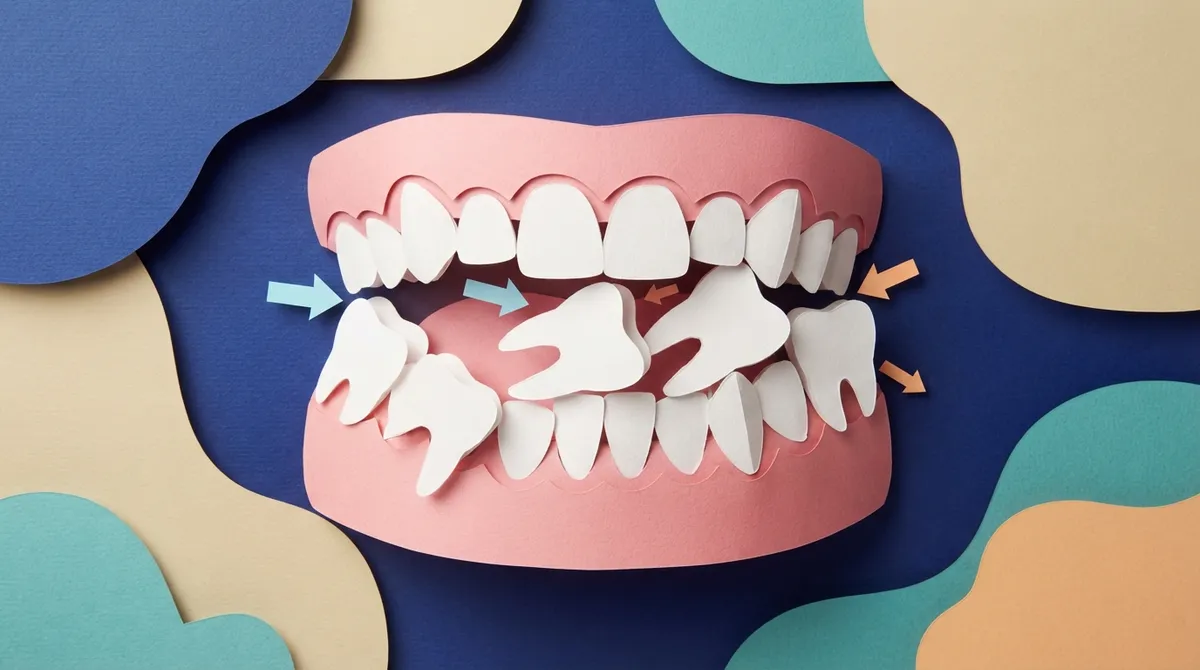
Crowding happens when your jaw doesn’t have enough room for all your teeth to line up neatly. Teeth overlap, twist, or tuck behind each other. That can make brushing and flossing harder, and it may affect how your bite comes together. It can also make you feel shy about your smile, whether you’re a teen heading into high school or an adult with a busy career.
In this friendly guide, we’ll walk through what causes crowding, how an orthodontist checks it, what treatment options exist, and what to expect along the way. Every smile is different, so the right plan always starts with a personal exam. Let’s get started!
What Are Crowded Teeth, Really?
Crowded teeth occur when there isn’t enough space in the dental arch for teeth to sit in a normal, aligned position. Think of it like trying to park ten cars in a lot with only eight spaces. Something has to give, and in your mouth, that means teeth shift, rotate, or overlap.
Crowding can be mild, with one or two teeth slightly twisted. It can also be more significant, with several teeth stacked or pushed out of line. Both types can be treated, but the plan may look very different depending on the case.
Common Signs of Crowding
- Teeth that overlap or sit in front of or behind their neighbors
- Teeth that look twisted or rotated
- Floss that shreds or gets stuck between tight contacts
- Hard-to-reach spots that collect plaque
- Adult teeth that seem to be coming in with nowhere to go
- Lower front teeth that have slowly shifted over time
What Causes Crowded Teeth?
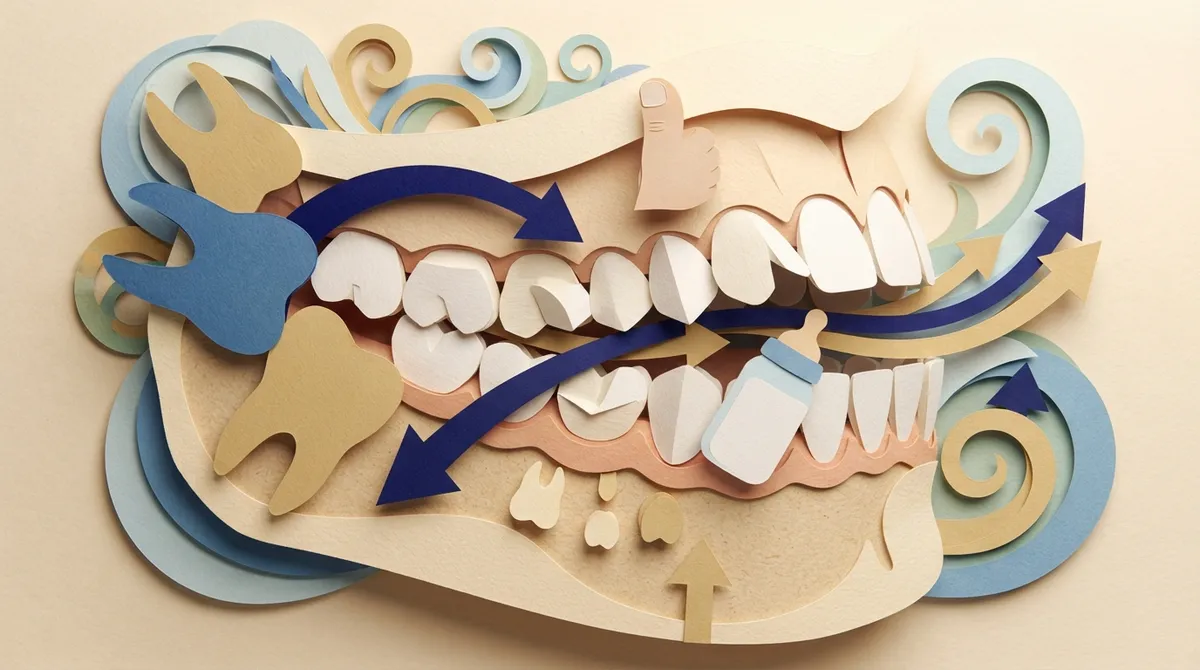
There’s rarely just one cause. Crowding usually comes from a mix of factors, and many of them are simply inherited. You didn’t do anything wrong!
- Genetics: You may inherit a smaller jaw from one parent and larger teeth from the other.
- Early or late loss of baby teeth: When baby teeth fall out too soon, nearby teeth can drift into the gap and block adult teeth.
- Jaw growth patterns: A narrow arch leaves less room for teeth.
- Habits in childhood: Long-term thumb sucking or pacifier use can influence how the jaw and teeth develop.
- Tooth shifting over time: Teeth can move gradually after earlier orthodontic treatment if retainers aren’t worn as directed.
If you’ve had braces before and your teeth have crept back out of line, you’re in good company. Many adults come in for retreatment, and we’re always happy to help. You can read more in our guide on crowding teeth treatment options that really work.
Why Does Crowding Matter Beyond Looks?
A great smile is wonderful, but crowding isn’t only about appearance. When teeth overlap, it can be harder to clean every surface. That may make it easier for plaque to build up in tight spots, which matters for your gums and overall oral health.
Crowding can also be linked with bite concerns, since the way your upper and lower teeth meet depends on how everything is lined up. An orthodontist looks at the whole picture, not just how crowded the teeth appear. That includes tooth position, bite, jaw relationship, facial profile, age, and dental health.
For parents of kids and teens, catching crowding early can give your orthodontist more options. For adults, it’s never too late to improve both comfort and confidence. Our page on truths about whether you’re too old for braces answers a question we hear all the time.
What Does a Clearwater Orthodontist Do for Crowded Teeth?
An orthodontist is a dental specialist trained to move teeth and guide jaw development. When you visit a Clearwater orthodontist for crowded teeth, the goal is to figure out how to create space and then move teeth into healthy positions safely.
Here’s what a thorough evaluation may include:
- An exam of your teeth, gums, and bite
- Photographs of your smile and face
- Digital scans or impressions
- X-rays when appropriate
- A conversation about your goals, lifestyle, and budget
At Brockway Orthodontics, Dr. Brockway takes time to listen to your concerns and explain your options in plain, friendly language. We use digital impressions instead of messy molds, plus 3D imaging to plan treatment with precision. Curious about what the first appointment looks like? Take a peek at your first visit.
How Do Orthodontists Make Room for Crowded Teeth?
This is the big question. Since crowding is a space problem, treatment is really about creating the right amount of room. Your orthodontist may use one method or a combination, depending on your case.
| Space-Creating Method | How It Works | Often Considered For |
|---|---|---|
| Tooth movement | Teeth are gently shifted to use available space more efficiently | Mild crowding |
| Arch expansion | The dental arch is widened to make more room | Growing children and teens |
| Interproximal reduction (IPR) | Tiny amounts of enamel are polished between selected teeth | Mild to moderate crowding |
| Extraction | One or more teeth are removed to create space | Select cases with significant crowding |
Here’s something that surprises many families: crowding alone does not automatically mean teeth must be removed. Many cases can be treated without extractions. Your orthodontist will explain whether it’s recommended for your situation and why.
Braces or Clear Aligners: Which Works for Crowded Teeth?
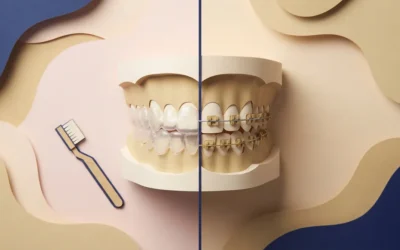
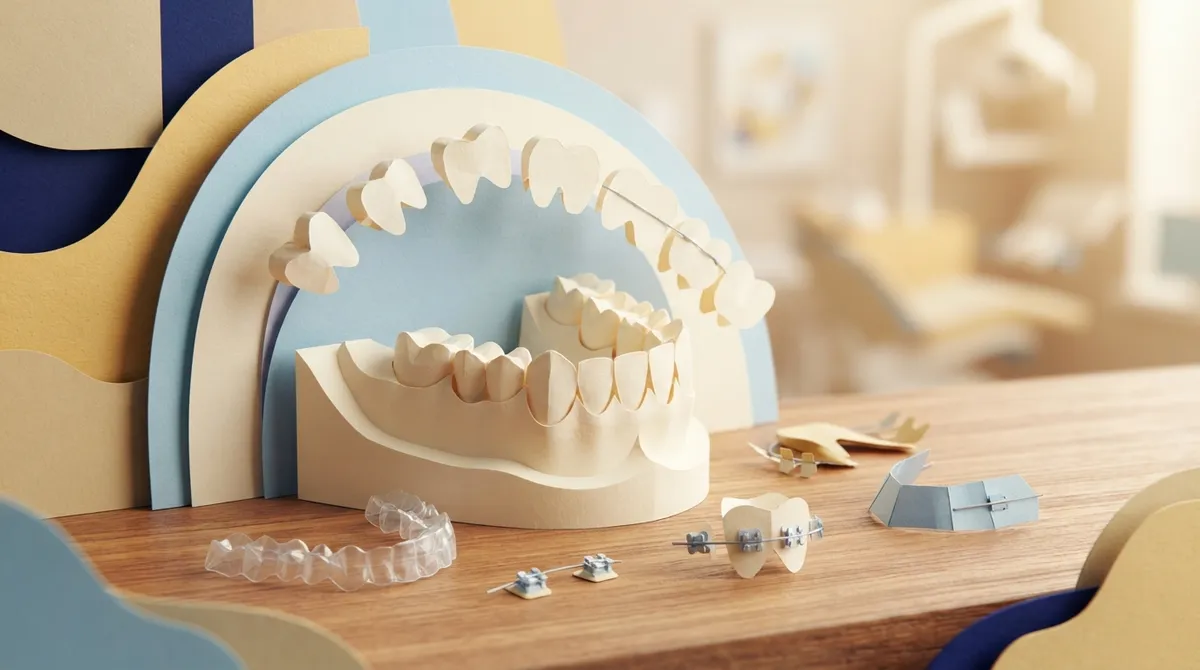
Both can be effective, but the right choice depends on your teeth, your bite, and your lifestyle. Braces can address a broad range of alignment and bite problems. Clear aligners may suit selected mild-to-moderate cases, depending on the movements needed and how well they’re worn as directed.
| Option | Pros | Things to Consider |
|---|---|---|
| Metal braces | Handle a wide range of cases; reliable and durable | More visible; food restrictions apply |
| Ceramic (clear) braces | Blend in with teeth; handle many alignment issues | Need careful cleaning to keep a fresh look |
| Spark™ Clear Aligners | Nearly invisible; removable for eating and brushing | Best for selected cases; need consistent wear |
Metal and Ceramic Braces
Braces are a trusted option for crowding, especially when teeth need more complex movement. Metal braces are strong and effective. Ceramic braces use tooth-colored brackets for a more discreet look. If you’re weighing the two, our article on metal vs. clear braces can help, and you can learn the basics at All About Braces.
Spark Clear Aligners
Many teens and adult professionals love the idea of straightening teeth without a mouth full of metal. Spark™ Clear Aligners are a more affordable alternative to Invisalign, and they’re designed to be comfortable and nearly invisible. They’re removable, which makes eating, brushing, and flossing simpler. Dr. Brockway will tell you honestly whether aligners are a good fit for your crowding or whether braces would give you a better result.
Want to compare further? Check out clear aligners vs. braces for a side-by-side look.
What About Crowded Teeth in Kids and Teens?
Parents often ask when to start. The American Association of Orthodontists recommends a first check-up around age 7, because that’s when a child’s permanent teeth begin to come in and an orthodontist can spot developing problems. That doesn’t mean treatment starts right away. Often, it just means we keep an eye on things.
For some children, early treatment can guide jaw growth and make room for incoming teeth. This is where arch expansion may come in. You can learn more about early treatment and how it works.
For teens, comprehensive treatment with braces or aligners is very common. Our adolescent treatment options are designed to fit busy school, sports, and social schedules. Teens can even choose styles that feel more like them.
Can Adults Fix Crowded Teeth Too?
Absolutely! More adults than ever are choosing orthodontic care. Maybe you never had braces as a kid, or maybe you did and your teeth shifted back. Either way, adult treatment is very doable.
Adult professionals often want something discreet and efficient. Options like ceramic braces and clear aligners are popular for that reason. For adults with gum concerns or complex dental needs, a customized plan matters even more, and your orthodontist may coordinate with your general dentist. Learn more about adult treatment at our practice.
How Long Does Treatment for Crowded Teeth Take?
Honest answer: it depends. Treatment time varies with how complex your case is, the method you choose, growth, and how well you follow instructions. General estimates range from several months for selected mild cases to one to three years for more involved treatment. Those are broad ranges, not guarantees, and the only way to get your real estimate is through an exam.
Here are a few things that can influence your timeline:
- How severe the crowding is
- Whether space-creating steps like expansion or IPR are needed
- Your age and stage of jaw growth
- Wearing aligners, elastics, or retainers as directed
- Keeping your appointments
For a closer look at timelines, our post on how long braces take to work is a helpful read.
What Happens After Treatment?
Finishing braces or aligners is a big celebration, but there’s one more important step: retainers. After active treatment, retainers help keep your teeth where they’ve been moved. Without them, teeth can slowly drift back, which is a common reason adults come in for retreatment.
Your orthodontist will explain which type of retainer fits you, how often to wear it, and what follow-up looks like. Learn more about retainers and how to care for them, or see how to wear a retainer after braces.
How Do You Choose the Right Clearwater Orthodontist?
Choosing an orthodontist is a big decision, so it’s worth asking good questions. Local practices advertise services for crowded teeth, but those are provider claims, so it pays to verify details yourself. Here’s a simple checklist:
- Check credentials: Confirm the provider is a trained orthodontic specialist.
- Ask about options: A good orthodontist explains braces, aligners, and other approaches honestly.
- Ask about costs: Request fees, payment plans, and insurance details up front.
- Look at technology: Digital scans and 3D imaging can make planning more precise and comfortable.
- Notice the vibe: You should feel heard, comfortable, and informed.
For more tips, see how to find the right orthodontist in Clearwater, FL, and check what other families say on our patient reviews page. You can also see what neighbors say when you visit us on Google — Brockway Orthodontics.
What About Cost and Payment?
Cost is a real concern for most families, and it should be. Orthodontic fees depend on the type of treatment, the length of care, and the complexity of your case. Because there’s no one-size-fits-all price, the best step is a personal consultation and a clear written estimate.
Many families use insurance benefits and flexible payment options to make treatment fit their budget. Dr. Brockway’s team can walk you through it, and you can read about financing and insurance before you visit. For tips on stretching your benefits, see how to use dental insurance to help pay for braces.
Why Families Choose Brockway Orthodontics
At Brockway Orthodontics, we celebrate families! Dr. Brockway is more than a qualified orthodontist in Clearwater, FL. She truly cares about your journey, takes time to listen to your goals, and makes sure you feel comfortable and informed from start to finish. You can get to know her on the Meet Dr. Brockway page.
We offer treatments for the whole family, from teens getting first braces to adults exploring discreet options. Our modern technology, including digital impressions and 3D imaging, helps keep your visits comfortable and your plan precise. In certain cases, same-day treatment may even be possible, which is a big help for busy schedules. And because Dr. Brockway loves this community, building relationships with local families is just as important to her as creating beautiful smiles.
The Florida Association of Orthodontists at faortho.org is a helpful resource if you want to learn more about orthodontic care in our state, and the American Dental Association offers general oral health guidance. Remember, though, that only an in-person exam can tell you what your own smile needs.
Ready to Give Your Crowded Teeth Room to Shine?
Crowded teeth are common, treatable, and nothing to feel embarrassed about. With the right plan, you can enjoy a healthier, more comfortable smile that you’re proud to share. Whether braces, ceramic braces, or Spark™ Clear Aligners are the best fit, the first step is simply a conversation.
Ready to see what’s possible? Book your appointment online and let’s take a look at your smile together. Have questions first? Feel free to contact us, and our friendly team will be happy to help.
FAQs
Q: How do I find an orthodontist in Clearwater, Florida, for crowded teeth?
A: Start by looking for a trained orthodontic specialist and ask about their treatment options, fees, and insurance. A consultation is the best way to see if you feel comfortable and informed. At Brockway Orthodontics, Dr. Brockway is happy to walk you through every step!
Q: Can clear aligners fix crowded teeth, or do I need braces?
A: Clear aligners may work well for selected mild-to-moderate crowding, while braces can handle a wider range of cases. The right choice depends on your teeth, your bite, and how consistently you can wear aligners. An exam will tell you which path fits you best.
Q: Does treating crowded teeth always require tooth extraction?
A: Not at all! Crowding alone doesn’t automatically mean teeth must be removed. Your orthodontist may use tooth movement, arch expansion, or small enamel reduction to create space, and will only recommend extractions when it’s clinically appropriate.
Q: How long does orthodontic treatment for crowded teeth usually take?
A: It varies from person to person. Some mild cases may take several months, while more complex cases can take one to three years. Your orthodontist can give you a personal estimate after an exam.
Q: Will I need to wear a retainer after treatment for crowded teeth?
A: Yes, retainers are generally needed to help keep your teeth in their new positions. Your orthodontist will explain which type is best for you and how often to wear it. Following that schedule is the best way to protect your smile for the long run.
Our Service Area