Key Takeaways
-
Daily flossing around bonded wire retainers is critical; use floss threaders, orthodontic floss, or water flossers to prevent plaque buildup that causes gum irritation, cavities, and bad breath.
-
Call your orthodontist immediately if you notice looseness, bending, or sharp edges on your retainer; waiting weeks allows unwanted tooth movement that undoes months of treatment progress.
-
Bonded retainer failure rates are significant: approximately 25% in the first 12 months, rising to 53.85% over 6 years, making regular professional monitoring essential for long-term success.
-
Avoid chewing hard foods like ice and candy or eating sticky foods like gum and caramel, as these can stress the wire and loosen the bonding material, requiring costly repairs.
-
Never attempt DIY fixes on a loose or bent wire; instead, seek professional repair from your orthodontist to avoid enamel scratching, gum irritation, or worsening the damage.
-
Schedule annual orthodontic retainer checks and maintain twice-yearly dental cleanings to catch problems early, and consider a removable backup retainer if you've experienced past relapse.
So you finally finished braces or Spark™ clear aligners, and your orthodontist bonded a thin wire behind your teeth to keep everything in place. That little wire is called a bonded wire retainer, and it has one job: keeping your smile exactly where it belongs. But here’s the thing many patients don’t realize until it’s too late — this quiet little wire needs some real care and attention, or it can loosen, break, or even let your teeth drift back out of line.
At Brockway Orthodontics in Clearwater, we see patients every week who wish someone had warned them sooner about the everyday habits that put their bonded retainer at risk. Whether you’re a parent watching over your teenager’s smile, a busy professional who barely has time to floss, or an adult who worked hard to fix a past relapse, this guide will walk you through the most common mistakes and how to avoid them. Let’s make sure your retainer does its job for years to come.
What Is a Bonded Wire Retainer, Exactly?
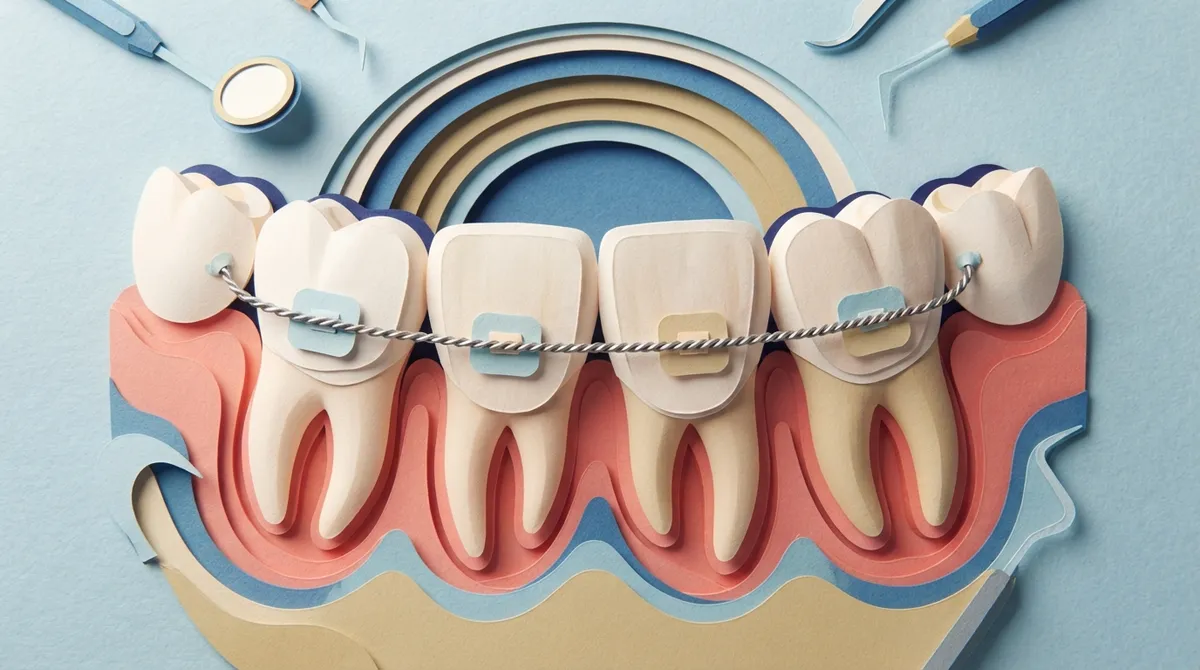
A bonded wire retainer, sometimes called a fixed or permanent retainer, is a thin metal wire glued to the back of your teeth with dental cement. It’s usually placed behind the lower front teeth, though some patients get one behind the upper front teeth too. Since it sits on the tongue side of your teeth, nobody can see it when you smile.
Its whole purpose is to stop your teeth from slowly shifting back to their old positions after braces or clear aligner treatment. Unlike a removable retainer, you can’t forget to wear it because it’s always there. That’s a huge plus for people who struggle with remembering nighttime routines. To learn more about how retainers fit into your overall care plan, check out our retainers page.
Mistake 1: Skipping Daily Flossing Around the Wire
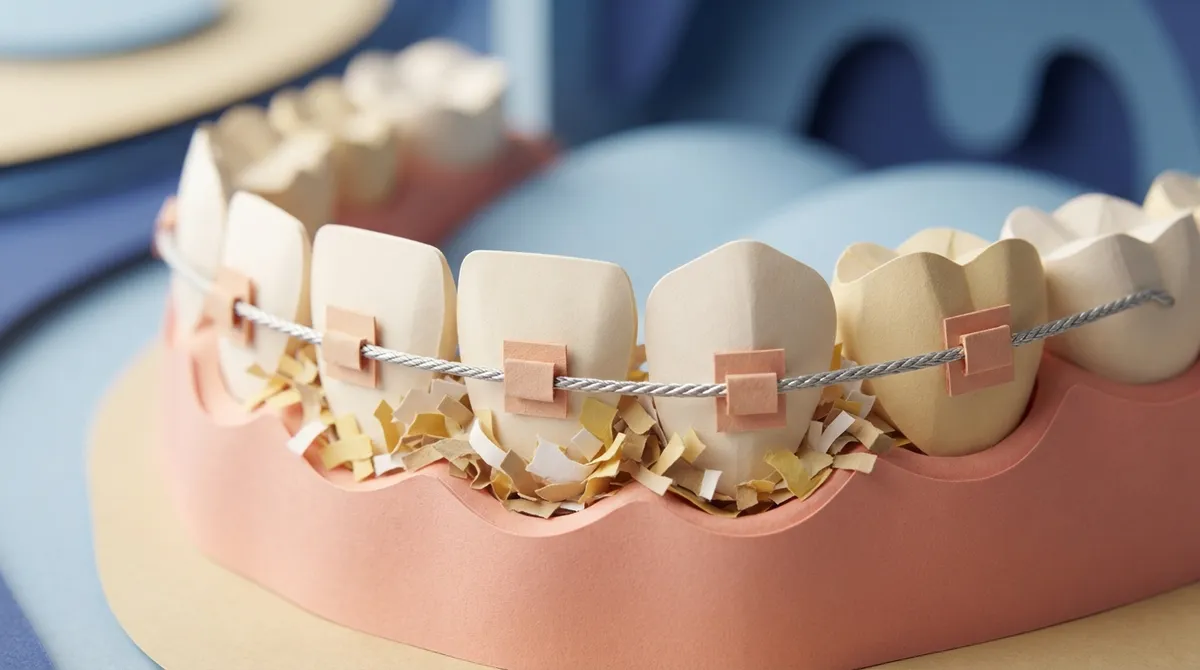
This is easily the biggest mistake we see. Food and plaque love to hide around a bonded wire, and regular flossing just doesn’t reach the tricky spots. Over time, this buildup can cause gum irritation, bad breath, or even cavities near the wire.
The fix is simple but takes a little extra effort. Use a floss threader, orthodontic floss with a stiff end, or a water flosser to clean underneath the wire every single day. Interdental brushes also work great for getting into those tight spaces.
Mistake 2: Ignoring a Loose or Bent Wire
Many patients notice their retainer feels a little wiggly and decide to just wait it out. That’s a risky move. A loose section can let one tooth drift out of alignment while the rest stay put, undoing months or years of hard work.
If you feel any looseness, sharpness, or bending, call your orthodontist right away. Waiting even a few weeks can allow unwanted tooth movement to begin.
Mistake 3: Trying to Fix It Yourself
We get it. A quick internet search makes it look easy to bend a wire back into place with tweezers. But please don’t try this at home. You could scratch your enamel, irritate your gums, or push the wire into a worse position that causes more damage.
Instead, reach out to your orthodontic team for a proper fix. If you’re ever unsure whether your issue counts as an emergency, our guide on emergency versus routine orthodontics can help you decide.
Mistake 4: Chewing on Hard or Sticky Foods
Ice, hard candy, beef jerky, and even biting into a whole apple can put serious stress on a bonded retainer. Sticky foods like caramel or gum can pull at the wire and loosen the bonding material.
Try cutting harder foods into smaller pieces and being mindful about sticky snacks. Your retainer will thank you, and so will your wallet since repairs aren’t free.
Mistake 5: Skipping Regular Dental Checkups
Some patients assume that once the retainer is bonded, they’re done with dental visits related to it. That’s not true at all. Regular cleanings and checkups let your dentist and orthodontist spot small problems before they become big ones.
The American Dental Association recommends routine dental visits at least twice a year, and this is especially important for anyone with a fixed retainer. Your Clearwater orthodontist can also check the wire during these visits to make sure everything is holding strong.
Mistake 6: Not Understanding Retainer Failure Rates
Many patients are surprised to learn just how common retainer problems actually are. Understanding these numbers can help you take the situation seriously instead of brushing off small warning signs.
| Time Period | Reported Failure Rate |
|---|---|
| First 12 months | Approximately 25% |
| Short-term studies | 24.18% |
| Medium-term studies | 40.09% |
| Long-term studies (up to 6 years) | 53.85% |
| Overall pooled rate (2023 review) | 28.17% |
These numbers come from a 2023 systematic review that looked at over 4,500 fixed bonded retainers across 34 studies. Failure simply means the retainer loosened, broke, or came off, not necessarily that your teeth moved. But it does show why paying attention matters so much.
Mistake 7: Assuming “Permanent” Means Forever Without Maintenance
The word “permanent” is a bit misleading. A bonded wire retainer is meant for long-term use, but it’s not maintenance-free and it won’t last forever without care. Your orthodontist needs to evaluate whether it’s still doing its job based on your tooth position, gum health, and how well you’ve been cleaning around it.
Some patients even benefit from wearing a removable retainer along with their bonded one for extra insurance against relapse. This is a conversation worth having at your regular visits, and it’s something we discuss often with our patients who’ve already been through adult orthodontic treatment.
Mistake 8: Choosing the Cheapest Repair Option Without Research
When a bonded retainer breaks, it can be tempting to find the fastest, cheapest fix around. But retainer repairs done incorrectly, or with the wrong materials, often fail again quickly. This means you end up paying twice.
It’s worth investing in a proper repair from a trusted orthodontic office. If you want to understand typical costs before your appointment, our article on bonded retainer costs in 2026 breaks down what you might expect to pay.
Mistake 9: Not Recognizing Signs of Gum or Tooth Damage
A bonded retainer that’s not cleaned properly can lead to more than just bad breath. Plaque buildup around the wire can cause gum inflammation, tartar buildup, and even early tooth decay if left unchecked for too long.
Here are the warning signs you should never ignore:
- Red, swollen, or bleeding gums near the retainer
- Persistent bad breath despite regular brushing
- Visible tartar buildup around the wire
- Tooth sensitivity near the bonded area
- A tooth that feels like it’s shifting or rotating slightly
If you notice any of these, don’t wait for your next scheduled cleaning. Reach out sooner rather than later.
Mistake 10: Going Too Long Without an Orthodontic Follow-Up
Some patients think that once treatment is done, they don’t need to see their orthodontist anymore. But fixed retainers need periodic checks to make sure the wire is intact and the bonding is holding strong.
Here’s a simple checklist for staying on top of your retainer care long-term:
- Schedule a retainer check at least once a year with your orthodontist.
- Keep up with twice-yearly dental cleanings.
- Floss around the wire daily using proper tools.
- Avoid biting hard objects like pens, ice, or fingernails.
- Report any looseness or discomfort immediately.
- Ask about a backup removable retainer if you’ve had past relapse issues.
Following this simple routine can save you from bigger, more expensive problems down the road.
Fixed vs. Removable Retainers: A Quick Comparison
Choosing between a bonded wire retainer and a removable one is a common question for patients finishing treatment. Here’s a quick breakdown to help you understand the differences.
| Feature | Bonded Wire Retainer | Removable Retainer |
|---|---|---|
| Visibility | Hidden behind teeth | Can be visible (Hawley) or clear (Essix) |
| Compliance needed | None — always in place | Requires consistent wear |
| Cleaning difficulty | More difficult, requires special tools | Easier to remove and clean |
| Risk of loss | Cannot be lost | Can be misplaced or forgotten |
| Failure rate over time | Rises with years of wear | Depends on daily compliance |
According to a 2023 Cochrane review, fixed retainers showed slightly less relapse compared to part-time removable retainers in some studies, though the overall evidence remains limited. Many orthodontists, including our team, often recommend a combination approach for the best long-term results. You can read more in our comparison guide on fixed versus removable retainers.
Why Choose Brockway Orthodontics for Your Retainer Care
Dr. Brockway and her team have helped countless families across Clearwater keep their smiles straight long after braces or Spark™ Clear Aligners come off. We use modern digital imaging to check your bonded retainer’s condition and catch small problems before they turn into big ones. Our office also offers same-day repairs in many cases, so you’re not left waiting with a broken wire poking your tongue.
We believe education is part of great care. That’s why we walk every patient through proper cleaning techniques, warning signs to watch for, and what to expect during their first visit or follow-up appointment. You can also see what our patients are saying by checking out our patient reviews or reading real feedback from the community by visiting Brockway Orthodontics on Google.
When to Call Your Orthodontist Right Away
Certain retainer problems simply can’t wait for your next routine visit. Call your orthodontic office immediately if you experience any of the following:
- A wire that has completely detached from one or more teeth
- Sharp edges poking your tongue or cheek
- Sudden, noticeable movement in a front tooth
- Persistent pain or swelling near the retainer
- A wire that feels twisted or distorted
Acting quickly on these issues can prevent bigger orthodontic problems later. The Florida Association of Orthodontists also encourages patients to maintain a relationship with a local, board-certified orthodontist for ongoing retention care, not just the initial treatment phase.
Your Smile Deserves Long-Term Protection
A bonded wire retainer is a fantastic tool for keeping your smile exactly where you and your orthodontist worked so hard to put it. But like any tool, it needs proper care to keep doing its job well. By avoiding these ten common mistakes, you’ll protect your investment and enjoy a straight, confident smile for years to come.
If your retainer feels loose, broken, or you simply have questions about your orthodontic care, our friendly Clearwater team is here to help. Book appointment online today and let Dr. Brockway and her team keep your smile healthy, straight, and worry-free. You can also follow our journey and see happy patient smiles on Instagram or connect with us on Facebook.
FAQs
Q: What is a bonded wire retainer and how does it work?
A: A bonded wire retainer is a thin metal wire glued behind your teeth to hold them in their new, straight position after braces or clear aligners. It works around the clock without you needing to remember to wear anything, which makes it a favorite option for many of our patients here in Clearwater.
Q: How long does a bonded retainer last?
A: Many bonded retainers last for years, and some are designed to stay in place long-term. That said, research shows failure rates climb over time, so regular checkups are key to catching any wear and tear before it becomes a bigger problem.
Q: How do you clean and floss around a permanent wire retainer?
A: You’ll want to use a floss threader, orthodontic floss, or a water flosser to get underneath the wire every day. It takes a little extra patience at first, but it quickly becomes part of your normal routine, just like brushing your teeth.
Q: What should I do if my bonded retainer comes loose or breaks?
A: Call your orthodontist right away instead of waiting it out. A loose or broken retainer can let your teeth shift quickly, so getting it checked and repaired promptly helps protect all the progress you’ve made.
Q: Can a bonded retainer cause teeth to move unexpectedly?
A: Yes, if part of the wire detaches or bends, it can allow one or more teeth to shift out of place while the rest stay put. This is exactly why routine monitoring and quick action on any looseness matters so much.
Our Service Area