Key Takeaways
-
Clear braces can treat serious orthodontic problems like crowded teeth, gaps, overbites, underbites, and crossbites—they’re just as effective as metal braces, not just for minor cosmetic issues.
-
Strict oral hygiene is critical with clear braces; brush after every meal, use a floss threader or water flosser, and visit your orthodontist every 6-8 weeks to prevent staining and tooth damage.
-
Treatment takes 12-36 months depending on case complexity, and ceramic brackets may take slightly longer than metal braces because ceramic material is less strong—ask your orthodontist for a realistic timeline.
-
Wear your retainer as directed after treatment ends; without it, teeth naturally shift back in a process called orthodontic relapse, undoing all your treatment progress.
-
Elastic ligature ties that hold the wire stain easily from coffee, tea, berries, and dark sodas—ask your orthodontist about metal ligature ties as an alternative to reduce staining.
-
Don’t confuse clear braces with clear aligners; clear braces are fixed appliances bonded to teeth 24/7, while clear aligners are removable plastic trays you change weekly.
So, you’re thinking about clear braces? That’s exciting! Clear braces are one of the most popular ways to get a straighter smile without the obvious look of metal brackets. They blend in with your teeth, and they can fix many of the same problems that traditional braces can. Whether you’re a teen heading into high school, a professional who wants a subtle look, or a parent exploring options for your child, clear braces deserve a serious look.
But here’s the thing — many people make avoidable mistakes when it comes to clear braces. These mistakes can lead to longer treatment times, staining, damaged brackets, or even a less-than-perfect result. The good news? You can avoid all of them. This guide walks you through 11 of the most common clear braces mistakes so you can go into treatment feeling confident and informed. Let’s dive in!
What Are Clear Braces, Exactly?
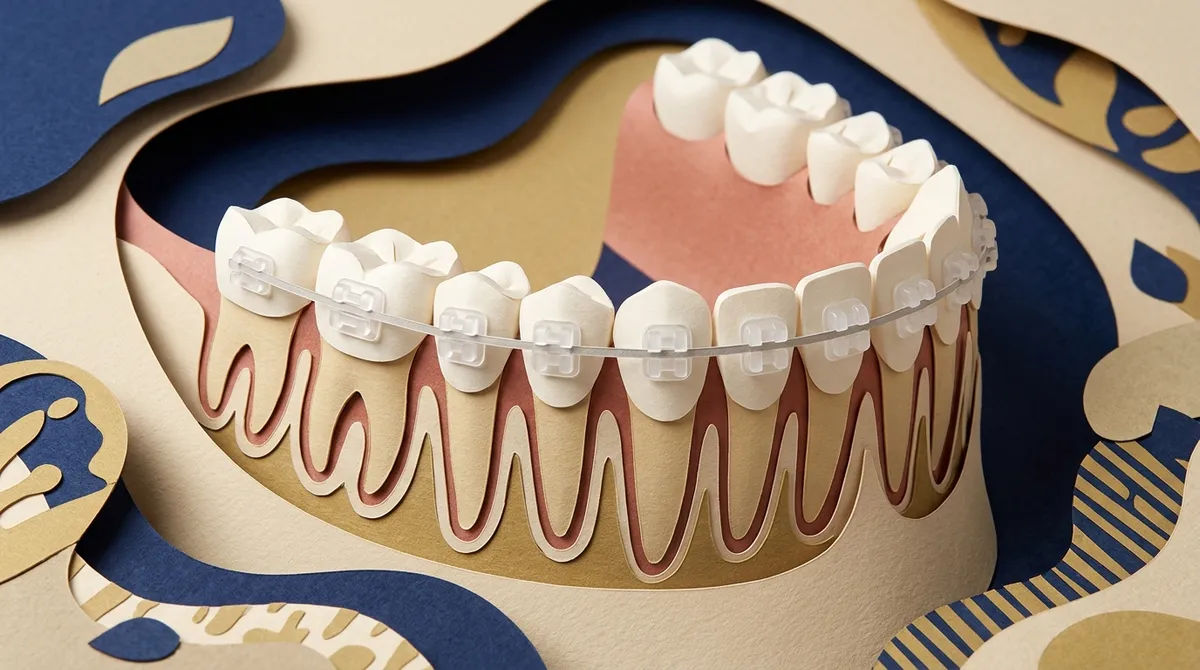
Before jumping into mistakes, let’s make sure we’re on the same page. Clear braces — also called ceramic braces — work just like metal braces. Brackets are bonded directly to your teeth, and a wire runs through them to apply gentle pressure that gradually moves your teeth into alignment. The big difference is that the brackets are made from tooth-colored or transparent ceramic material, making them far less visible than metal.
It’s important to note that clear braces are not the same as clear aligners. Clear aligners are removable plastic trays, while clear braces are fixed appliances that stay on your teeth throughout treatment. If you’re curious about the differences, check out this helpful breakdown: Clear Aligners vs. Braces: Which One Is Right for You?
| Feature | Clear Braces (Ceramic) | Metal Braces | Clear Aligners |
|---|---|---|---|
| Visibility | Low (tooth-colored) | High (silver metal) | Very Low (transparent) |
| Removable? | No | No | Yes |
| Treats complex cases? | Yes | Yes | Moderate |
| Staining risk? | Moderate | Low | Low (if removed to eat) |
| Average cost range | $3,500–$7,000 | $2,500–$6,000 | $3,000–$7,000 |
Mistake #1: Thinking Clear Braces Can’t Fix Serious Problems
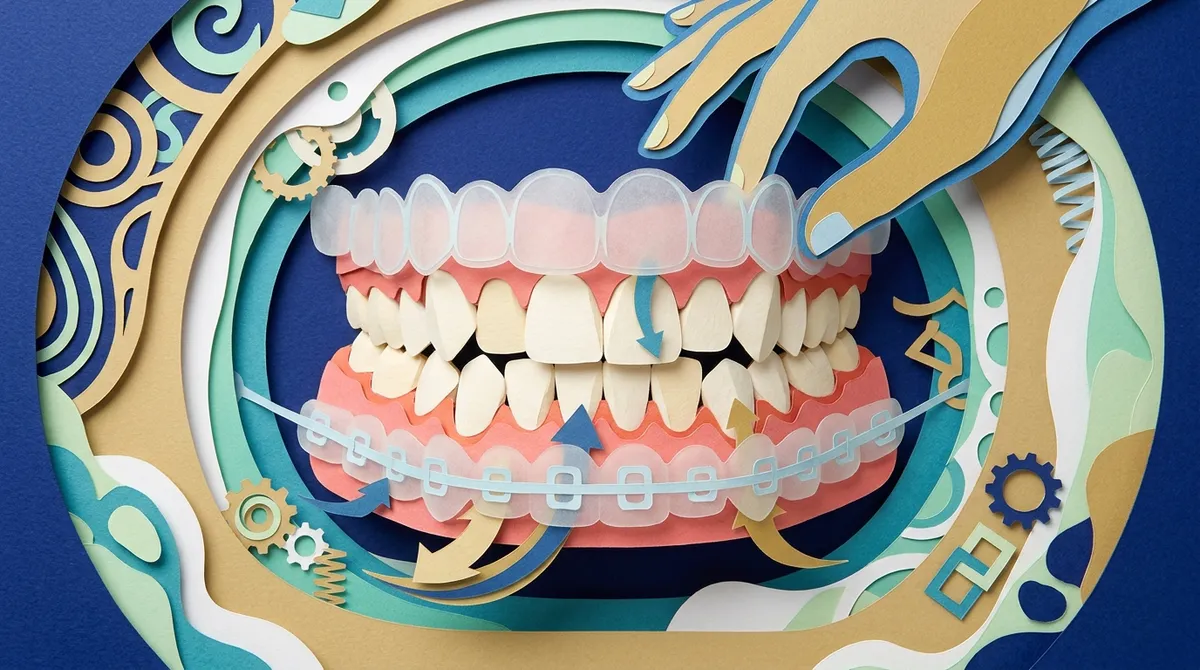
Many people assume clear braces are only for minor cosmetic issues. That’s not true! Clear braces can treat crowded teeth, gaps, overbites, underbites, crossbites, open bites, and many other alignment issues. They’re just as powerful as metal braces for most cases. If you have a more complex bite issue, don’t rule out ceramic braces without talking to your orthodontist first.

Mistake #2: Confusing Clear Braces With Clear Aligners
This is one of the most common mix-ups. Clear braces are fixed — they stay on your teeth 24/7. Clear aligners are removable trays that you swap out roughly every week. The American Dental Association notes that each treatment type has unique advantages. Understanding which one you’re getting helps you plan your lifestyle around treatment correctly. You can explore the comparison here.
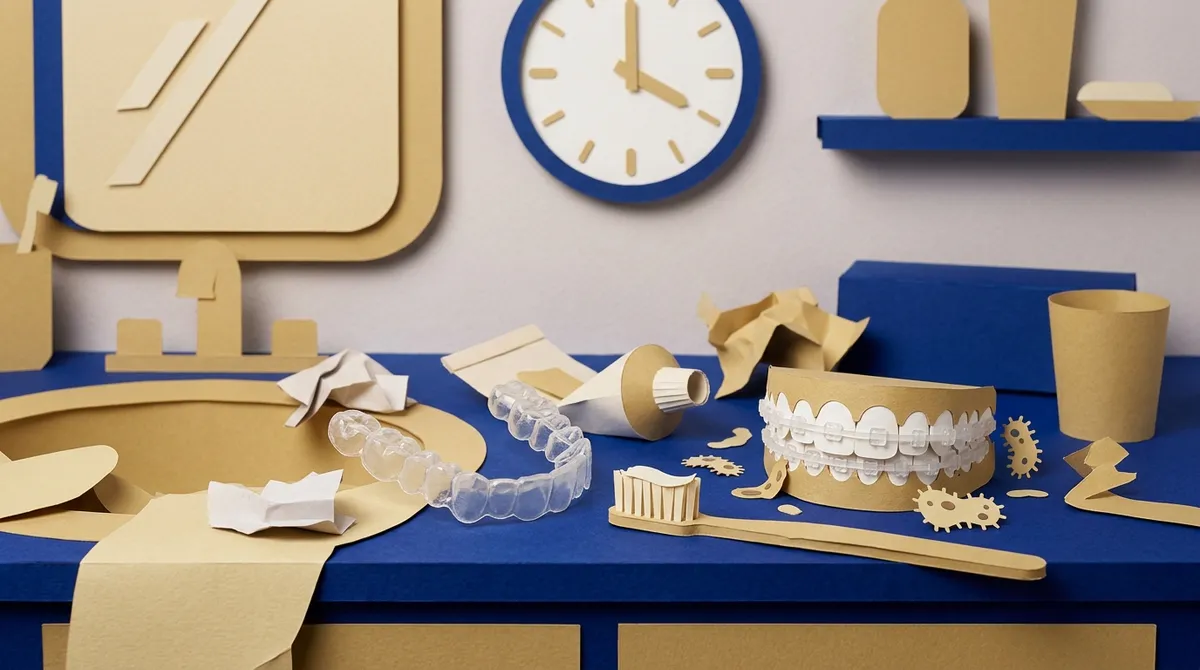
Mistake #3: Skipping Your Oral Hygiene Routine
Clear braces make oral hygiene more important, not less. Food and plaque can get trapped around the brackets. If you slack on brushing and flossing, you risk staining the ceramic material and even damaging your teeth. Here’s a simple daily hygiene routine to follow:
- Brush after every meal using a soft-bristled toothbrush.
- Use an orthodontic floss threader or water flosser to clean between brackets.
- Rinse with an antibacterial mouthwash at least once a day.
- Visit your orthodontist for regular check-ups every 6–8 weeks.
Need more tips? Check out 7 Smart Steps to Brush Teeth With Braces Like a Pro.
Mistake #4: Eating the Wrong Foods
Clear braces require some dietary adjustments. Ceramic brackets aren’t as strong as metal, so certain foods can chip or break them. Staining foods and drinks are also a concern. Here are foods and drinks to be careful with:
- Hard foods — nuts, hard candy, raw carrots (bite-size them instead)
- Sticky foods — caramel, gummy candies, chewing gum
- Staining foods — curry, tomato sauce, berries, soy sauce
- Staining drinks — coffee, tea, red wine, dark sodas
Want a full guide on what you can enjoy? Read What Can You Eat With Braces? Your Friendly Food Guide.
Mistake #5: Ignoring the Staining Risk
Ceramic brackets can pick up color from certain foods and drinks over time. This can make them more noticeable and less aesthetically pleasing. The elastic ties (ligatures) that hold the wire in place are especially prone to staining. Here’s how to reduce staining:
- Drink staining beverages through a straw when possible.
- Rinse your mouth with water right after eating or drinking anything colorful.
- Ask your orthodontist about metal ligature ties as an alternative to elastic ones.
- Brush promptly after meals to remove pigment before it sets.
Mistake #6: Not Asking About Treatment Time
Clear braces typically take 12 to 36 months depending on your case. In some situations, they may take slightly longer than metal braces because ceramic material isn’t quite as strong as metal. Many people are surprised by this! Going in with realistic expectations makes a big difference in your satisfaction with treatment.
| Case Complexity | Estimated Treatment Time |
|---|---|
| Mild crowding or spacing | 12–18 months |
| Moderate misalignment | 18–24 months |
| Severe bite issues | 24–36 months |
Curious about what affects treatment length? How Long Do Braces Take to Work? breaks it all down.
Mistake #7: Skipping the Consultation
Some people try to figure out if clear braces are right for them without actually seeing an orthodontist. Every smile is different. A professional consultation is the only way to know whether clear braces, metal braces, or clear aligners are the best fit for your specific needs. At Brockway Orthodontics in Clearwater, Florida, you can schedule a free consultation to get personalized advice from Dr. Brockway herself. Learn more about what to expect at Your First Visit.
Mistake #8: Not Wearing a Retainer After Treatment
Here’s a mistake that haunts people long after their braces come off. Without a retainer, your teeth will naturally shift back toward their old positions. This is called orthodontic relapse, and it’s incredibly common. Wearing your retainer as directed is essential to preserve your results. The Florida Association of Orthodontists emphasizes retainer compliance as one of the most important steps in orthodontic care. Learn more about retainers and why they matter here.
Mistake #9: Choosing Based on Cost Alone
Clear braces typically cost between $3,500 and $7,000, depending on your case complexity, location, and insurance. It can be tempting to choose the cheapest option available, but lower prices can sometimes mean less experienced care or fewer follow-up appointments. Consider the full picture — experience, patient reviews, and the quality of the practice. Here’s a helpful guide: 7 Factors That Determine How Much Braces Cost. You can also explore financing and insurance options to make treatment more affordable.
| Factor | Impact on Cost |
|---|---|
| Case complexity | More complex = higher cost |
| Orthodontist experience | Board-certified specialists may cost more |
| Geographic location | Urban areas often have higher fees |
| Insurance coverage | Can significantly reduce out-of-pocket costs |
| Payment plans | Can spread cost over treatment period |
Mistake #10: Not Considering Your Age or Lifestyle
Clear braces are a great option for teens and adults alike, but they’re not a one-size-fits-all solution. Adults in professional settings often prefer the subtle look of ceramic brackets. Teens may need to think about sports and whether a mouthguard is needed during treatment. Here’s a quick look at who benefits most:
- Adults: Love the discreet appearance for work and social settings. See adult orthodontic treatment options.
- Teens: Want a less noticeable option but still have complex alignment needs. Explore adolescent treatment.
- Relapse patients: May need clear braces again after teeth have shifted post-treatment.
Wondering if clear braces are the right fit for your lifestyle? This guide can help you decide.
Mistake #11: Waiting Too Long to Start
This might be the biggest mistake of all. Many people put off orthodontic treatment because they feel unsure, nervous, or worried about the cost. But the longer you wait, the more complex your case may become. Early treatment often leads to shorter treatment times and better outcomes. The best time to start is now! Visit us on Google — Brockway Orthodontics to see what patients in Clearwater are saying and take that first step toward your best smile.
What Can Clear Braces Fix? A Quick Reference
One of the reasons clear braces are so popular is their versatility. Here’s a look at the orthodontic issues they can address:
- Crowded or overlapping teeth
- Gaps and spacing between teeth
- Overbites (upper teeth extend too far over lower teeth)
- Underbites (lower teeth sit in front of upper teeth)
- Crossbites (teeth that don’t align side to side)
- Open bites (front teeth don’t touch when biting)
If you’ve been wondering how braces address a specific issue, take a look at How Do Braces Fix a Deep Overbite? for a closer look at one of the most common bite problems.
Comparing Your Clear Braces Options at a Glance
Not all orthodontic practices offer the same level of care. When choosing where to get clear braces, look for these qualities:
- A board-certified orthodontist with experience in ceramic braces.
- A welcoming, patient-focused environment where you feel comfortable.
- Transparent pricing and flexible payment options.
- Positive patient reviews and documented results.
- Easy access to follow-up appointments and support.
You can read about what makes a great orthodontic practice at 9 Things to Expect From a Great Orthodontic Office. The Brockway Orthodontics Instagram is also a great place to see real patient smile transformations and get a feel for the practice.
Ready to Start Your Clear Braces Journey?
Clear braces are a fantastic option for anyone who wants effective orthodontic treatment with a more discreet look. By avoiding these 11 mistakes, you’ll set yourself up for a smoother experience and a smile you’ll be proud of for years to come. Whether you’re exploring options for yourself, your teen, or your child, the right information makes all the difference.
If you’re in the Clearwater, Florida area and want expert guidance on clear braces, Brockway Orthodontics is here to help. Meet Dr. Brockway and discover why so many families trust her practice for personalized, compassionate orthodontic care. Ready to take the next step? Schedule your free consultation today and start your journey to a healthier, happier smile!
FAQs
Q: Are clear braces the same as clear aligners?
A: Nope, they’re actually quite different! Clear braces are fixed ceramic brackets bonded to your teeth, just like metal braces but with a tooth-colored look. Clear aligners are removable plastic trays you take in and out. Both can give you a great smile, but they work in completely different ways — so it’s worth chatting with your orthodontist about which one fits your lifestyle best.
Q: Do clear braces stain easily?
A: They can if you’re not careful! The ceramic brackets themselves are fairly stain-resistant, but the elastic ties holding the wire can pick up color from coffee, tea, berries, and similar foods. The good news is that simple habits — like rinsing after meals, brushing promptly, and drinking staining beverages through a straw — go a long way in keeping your clear braces looking great.
Q: How long does treatment with clear braces take?
A: Treatment time with clear braces typically ranges from 12 to 36 months, depending on how much movement your teeth need. Simpler cases can wrap up in about a year, while more complex bite issues may take closer to three years. Your orthodontist will give you a personalized timeline after evaluating your smile — so your first consultation is the best place to start!
Q: How much do clear braces cost?
A: Clear braces generally cost between $3,500 and $7,000, with the final price depending on the complexity of your case, your location, and your insurance coverage. Many orthodontic practices offer payment plans to make treatment more manageable — so don’t let cost be the reason you hold off on your dream smile. Ask about financing options during your consultation!
Q: Can clear braces fix serious orthodontic problems?
A: Yes, absolutely! Clear braces are not just a cosmetic fix for minor issues. They can treat a wide range of problems including crowding, gaps, overbites, underbites, crossbites, and open bites. They work just like traditional metal braces, just with a more discreet look — so you don’t have to sacrifice results for aesthetics!