Key Takeaways
-
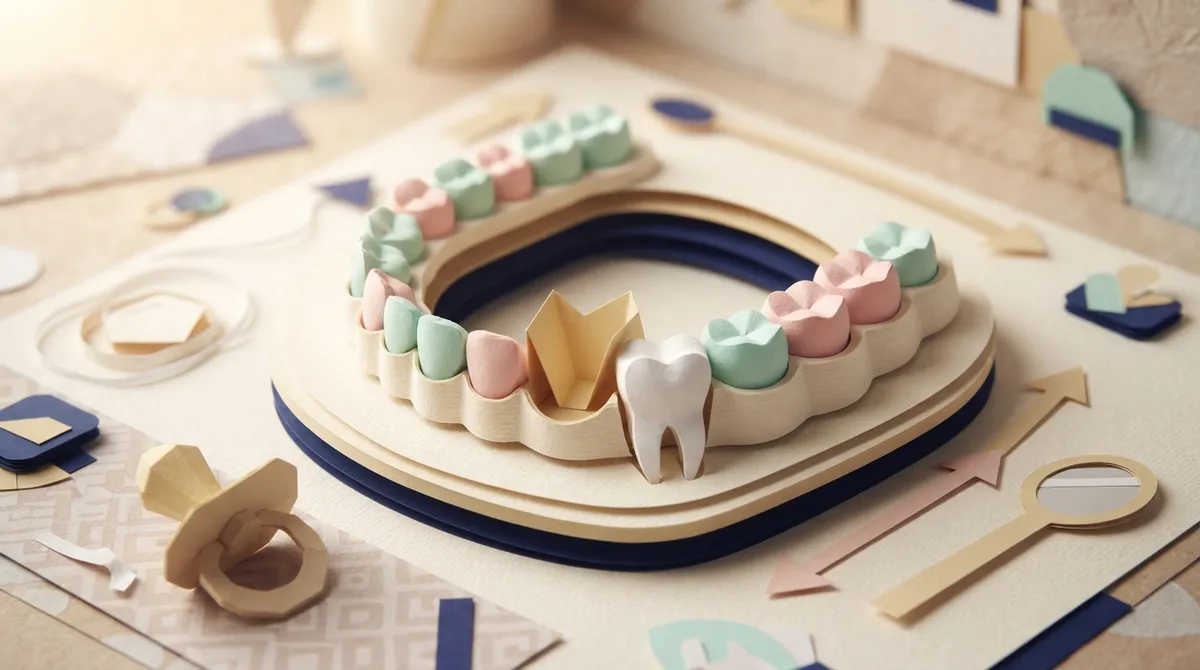
Baby teeth act as placeholders, holding space so permanent teeth have a clear path; losing one too early can let neighboring teeth drift and reduce room for the adult tooth.
-
The American Association of Orthodontists recommends an orthodontic check-up by age 7, which is an evaluation rather than a promise of treatment.
-
Cavities in baby teeth matter: CDC data show about 11% of U.S. children aged 2 to 5 had an untreated cavity in a primary tooth, and decay can lead to early tooth loss.
-
Space maintainers are not automatic after early tooth loss; a clinician weighs which tooth was lost, available space, bite, and whether the permanent tooth is developing first.
-
Thumb-sucking and pacifier habits that continue as permanent teeth erupt can affect the bite, so mention them at your next visit and use gentle encouragement.
-
Never pull baby teeth to fix crowding without a full space analysis and a short- and long-term treatment plan, including diagnostic records such as X-rays.
Those tiny baby teeth are easy to dismiss. They wiggle, they fall out, and the tooth fairy pays a visit. So why does your orthodontist care so much about them? Because baby teeth do far more than help your child chew and smile for school photos.
Baby teeth and orthodontic development are closely linked. Primary teeth act like placeholders. They hold space, guide permanent teeth into position, and support the way the jaws grow. When something goes wrong early, such as an early tooth loss or a habit that affects the bite, it can change the path ahead.
The good news? Knowing what to watch for makes you a more confident parent. In this friendly guide, we walk through 11 ways baby teeth shape your child’s smile, plus what to do about each one. Whether your little one just lost a first tooth or your teen is already in braces, you will find something useful here. And remember, a check-up does not mean braces. It simply means you have a plan.
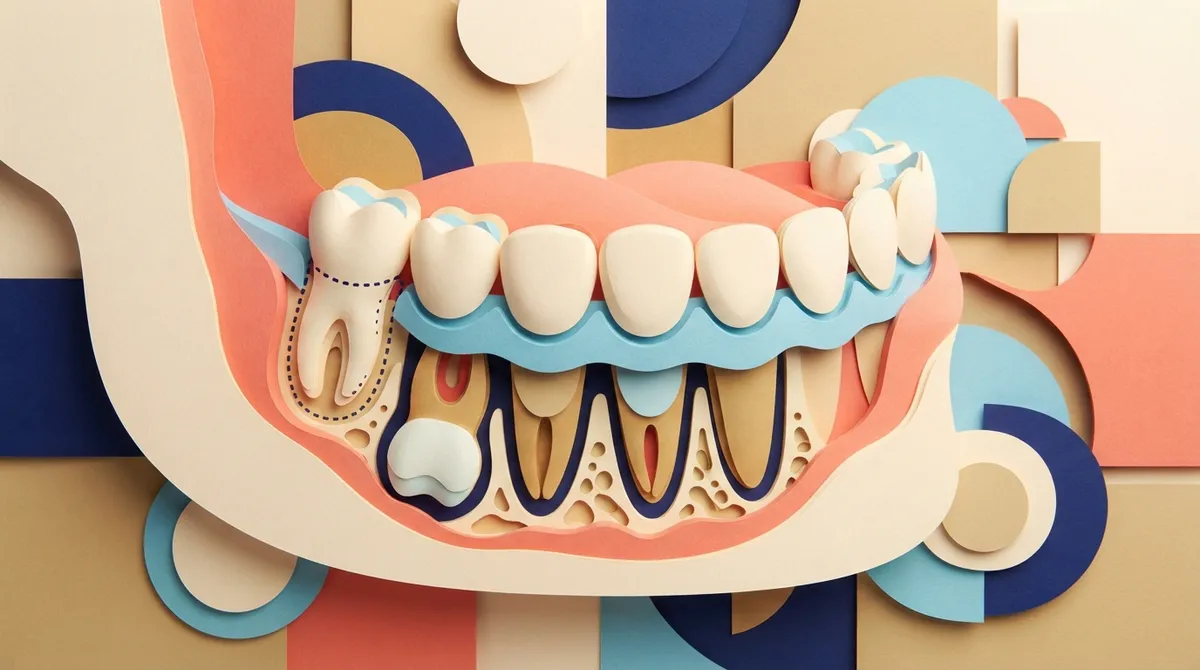
1. Baby Teeth Hold Space for Permanent Teeth
Think of each baby tooth as a reserved parking spot. It keeps room open for the adult tooth waiting underneath. When the baby tooth stays in place until it is ready to fall out, the permanent tooth usually has a clear path.
This is one of the biggest reasons baby teeth matter for orthodontic development. The space they save helps the dental arches develop in a healthy, balanced way. When a baby tooth is lost far too early, neighboring teeth can drift into that open spot. That may leave less room for the new tooth.
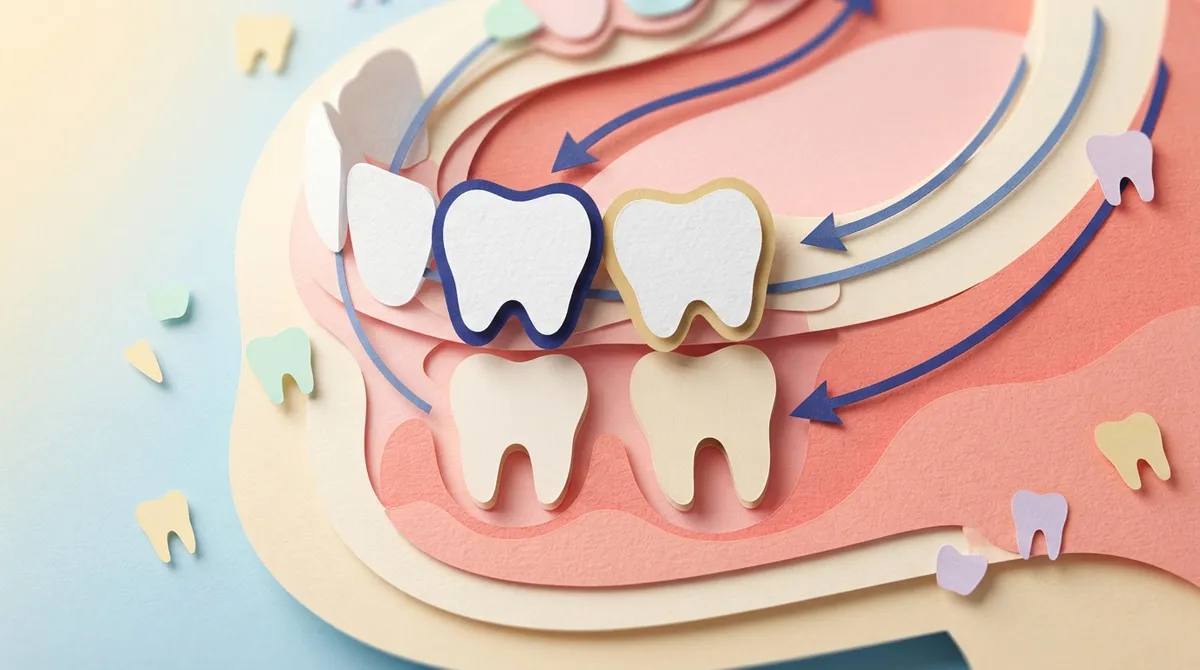
2. They Guide Permanent Teeth Into Place
Baby teeth do not just save space. They also act like guides. As a permanent tooth grows in, it often follows the path the baby tooth left behind. The health of a baby tooth and the timing of its loss can affect the conditions under which the adult tooth comes in.
That is why dentists and orthodontists pay close attention to baby teeth and orthodontic development together. A healthy baby tooth that falls out on time gives the adult tooth its best shot at coming in well.
3. Baby Teeth Support Chewing, Speech, and Jaw Growth
Primary teeth help children chew a wide range of foods and form clear speech sounds. Chewing also gives the jaws healthy work to do as they grow. Strong, healthy baby teeth support normal development of the dental arches.
If a child avoids chewing because of a painful tooth, daily life can change fast. Keeping baby teeth healthy is a simple way to support both comfort and growth.
4. Early Check-Ups Catch Concerns During Mixed Dentition
Mixed dentition is the stage when baby teeth and permanent teeth are present together. It often runs from around age 6 into the early teen years. This stage gives orthodontists a helpful window to check how teeth are coming in, how much space is available, how the bite fits together, and how the jaws are growing.
The American Association of Orthodontists recommends an orthodontic check-up by age 7. Here is the key part: that visit is an evaluation, not a promise of treatment. Many kids simply get monitored and come back later. You can read more about what a first visit looks like on our Your First Visit page.
If you want a deeper look at timing, our guide on when your child should first see an orthodontist breaks it down in simple terms.
5. Cavities in Baby Teeth Are Common and Matter
It is tempting to think cavities in baby teeth do not count because those teeth will fall out anyway. But they do count. According to the CDC’s 2024 Oral Health Surveillance Report, about 11% of U.S. children aged 2 to 5 had at least one untreated cavity in a primary tooth. Among children aged 6 to 8, the figure was nearly 18%.
The CDC also reports that about 50% of U.S. children aged 6 to 9 had a decayed, filled, or missing primary or permanent tooth. Those numbers show how common dental problems are in young kids. Untreated decay can cause pain and infection, and it can lead to early tooth loss, which affects space for permanent teeth.
Simple Habits That Protect Baby Teeth
- Brush twice a day with a smear or pea-sized amount of fluoride toothpaste, depending on your child’s age
- Help young children brush until they can do it well on their own
- Limit sugary drinks and snacks between meals
- Keep up with regular dental visits
6. Early Tooth Loss Can Cause Neighboring Teeth to Drift
When a baby tooth is lost early from decay, infection, or an injury, the teeth beside it may shift toward the gap. This can reduce the room the permanent tooth needs. Depending on which tooth was lost and how the child is growing, this may contribute to crowding, rotated teeth, a tooth coming in off course, or bite problems.
The effect varies from child to child. Some kids lose a baby tooth early and have no issues at all. Others need a little help. That is why the best move is to have your child checked rather than guess.
7. Space Maintainers May Help After Early Tooth Loss
A space maintainer is a small appliance that holds open the gap left by a lost baby tooth. It keeps neighboring teeth from drifting while the permanent tooth gets ready to come in.
But here is something many parents do not know: a space maintainer is not automatic. A clinician looks at several things first, including:
- Which tooth was lost
- How much space is available and how the bite fits
- Whether the permanent tooth is present and developing
- How long ago the tooth was lost
- Your child’s oral hygiene and habits
- Whether your child can manage the appliance
If your child does get one, follow-up visits matter. The team checks that the appliance stays in good shape and that the adult tooth is coming in as expected.
8. Some Problems Can Be Treated While Baby Teeth Are Still Present
This is often called early or interceptive orthodontic care. For certain issues, starting while some baby teeth remain can make later treatment simpler. Examples may include:
- Selected crossbites
- Underbites
- Significant crowding
- Teeth coming in off course (ectopic eruption)
- Habits that affect tooth or jaw development
That said, many concerns are best monitored and treated later. An early check-up does not mean early braces are needed. Our Early Treatment page explains when it helps and when waiting is just fine. You can also read why timing matters for early intervention.
Quick Comparison: Monitor or Treat Early?
| Situation | Common Approach |
|---|---|
| Mild crowding with good space overall | Often monitored as teeth come in |
| Crossbite affecting jaw growth | May be considered for early correction |
| Underbite developing in a young child | May be evaluated for early care |
| Tooth coming in off course | Closely watched; may need guidance |
| Mild bite issues, no growth concerns | Often monitored until permanent teeth arrive |
Every child is different, so treat this as a general guide. Your orthodontist will tailor the plan to your child’s growth and development.
9. Thumb-Sucking and Pacifier Habits Can Affect the Bite
Many babies and toddlers suck their thumbs or use pacifiers for comfort. For most young kids, this is perfectly normal. But when these habits continue as permanent teeth start coming in, they can affect how the teeth and jaws develop.
Professional guidance flags harmful oral habits as something to monitor. If your child is still sucking a thumb or using a pacifier past the toddler years, mention it at your next visit. Gentle encouragement and positive rewards often work better than scolding. Your care team can offer kind, practical tips.
10. Pulling Baby Teeth for Crowding Needs a Plan
You may hear that extracting baby teeth can fix crowding. It is not that simple. Primary teeth should not be removed just to ease crowding without a full space analysis and a short-term and long-term treatment plan.
An orthodontic assessment may include a clinical exam and, when needed, diagnostic records such as X-rays. Taking this careful approach helps avoid surprises later. If anyone suggests pulling baby teeth for crowding, it is perfectly fine to ask questions and request a thorough evaluation first.
11. Ongoing Monitoring Keeps Your Child on Track
Teeth and jaws keep changing as your child grows. One visit is a snapshot. Regular check-ins show the whole story.
The American Academy of Pediatric Dentistry recommends watching for missing or extra teeth, teeth coming in off course, crossbites, harmful oral habits, and space loss. Staying consistent helps your care team step in at just the right time, not too soon and not too late.
What Parents Can Watch For at Home
- Teeth that seem very crowded or overlapping
- Baby teeth that fall out much earlier than expected
- Baby teeth that stay put long after adult teeth appear
- Difficulty chewing or biting down comfortably
- Jaws that shift to one side when your child closes their mouth
- Ongoing thumb-sucking or pacifier use past toddlerhood
If you notice any of these, jot them down and bring them to your next appointment. Our guide on 9 signs your child needs braces can help you know what to look for.
Why Baby Teeth Matter for Kids, Teens, and Adults
Baby teeth set the stage for what comes next. For kids, healthy primary teeth help permanent teeth come in with room to spare. For teens, good early care can mean a smoother path to adolescent treatment with braces or aligners. Even adults who had early dental issues may find that some of today’s concerns trace back to childhood.
If you want to learn more about how care changes with age, our article on orthodontics for kids is a great next read. And if you are comparing options for older kids, see braces vs. clear aligners for kids.
How Brockway Orthodontics Supports Growing Smiles
At Brockway Orthodontics in Clearwater, Florida, Dr. Brockway takes time to listen to your concerns and explain what she sees in plain, friendly language. Families can expect modern tools like digital impressions instead of messy molds and 3D imaging to help plan care with precision. We welcome kids, teens, and adults, so the whole family can feel at home.
You can meet Dr. Brockway and see what our patients say on our Brockway Orthodontics Google page. For standards of care, the American Academy of Pediatric Dentistry shares guidelines on managing the developing dentition, and the American Association of Orthodontists explains the benefits of early evaluation. You can also explore the CDC’s oral health resources for more on children’s dental health.
Your Next Step
Baby teeth may be small, but their job is big. They hold space, guide permanent teeth, support chewing and speech, and help shape healthy jaws. Staying curious and keeping regular visits gives your child the best shot at a healthy, confident smile.
You do not need to wait for a problem. If your child is around age 7, has lost a baby tooth early, or you simply have questions, we would love to meet you. Book your free consultation online or contact our friendly team to get started. We are here to help every smile grow strong.
FAQs
Q: When should my child have their first orthodontic check-up?
A: The American Association of Orthodontists recommends a check-up by age 7. At that age, a mix of baby and permanent teeth lets your orthodontist see how things are developing. It is a friendly evaluation, not a sign that treatment must start right away.
Q: Does an orthodontic check-up at age 7 mean my child needs braces?
A: Not at all! Most check-ups simply confirm that your child’s teeth and bite are on track, or set up a plan to keep watching. Treatment is only suggested when it is the right time and the right fit for your child.
Q: What should I do if my child loses a baby tooth early?
A: Do not panic. Schedule a visit so a clinician can look at which tooth was lost, how much space is available, and whether the adult tooth is on its way. Sometimes a space maintainer helps, and sometimes simple monitoring is enough.
Q: Can thumb-sucking or pacifier use affect my child’s bite?
A: It can, especially if the habit continues as permanent teeth start coming in. Most toddlers outgrow it on their own. If it lasts longer, bring it up at your next visit so we can offer gentle, practical tips.
Q: Does my child need a space maintainer after losing a baby tooth?
A: Not always. We look at the lost tooth, the available space, the bite, and whether the successor tooth is developing before recommending one. When it is needed, follow-up visits help make sure everything stays on track.
Our Service Area