Key Takeaways
-
A front tooth crossbite is a front-to-back problem where upper front teeth bite behind lower ones, while a back tooth crossbite is a side-to-side problem where upper back teeth bite inside lower back teeth.
-
Crossbites can be dental, skeletal, or functional, so two children with the same crossbite location may need very different treatment; a careful orthodontic exam is essential.
-
Front crossbites often involve just a few teeth and may be caused by tipped teeth, early baby tooth loss, or lack of space, and can lead to abnormal tooth wear if left untreated.
-
Back crossbites often result from a narrow upper arch, and a one-sided case may involve a functional jaw shift, which orthodontists check by comparing the lower jaw's relaxed position with its full bite.
-
Treatment for back crossbites often centers on arch expansion, which is easier during growth, while front crossbites are commonly corrected with appliances, tooth movement, or braces depending on space and cause.
-
Crossbites are fairly common in children and teens, and early checks help when a jaw shift is present, but teens and adults can often be treated too with braces or other orthodontic tools.
Have you ever looked at your child’s smile and noticed that something about the bite seems a little “off”? Maybe an upper front tooth sits behind the lower teeth. Or maybe the back teeth seem to bite in the wrong way. You are not alone, and there is good news. Both of these issues have a name, and both can be checked and treated by an orthodontist.
These two problems are called a front tooth crossbite and a back tooth crossbite. When it comes to front tooth crossbite versus back tooth crossbite, the main difference is where the problem sits in the mouth. But the causes, the risks, and the treatment paths can look quite different.
In this friendly guide, we will walk through 12 helpful facts. You will learn what each type is, why it happens, and how it is treated. Whether you are a parent, a teen, or an adult thinking about braces or clear aligners, this guide will help you feel more informed and more confident.
The Basics: What Is a Crossbite?
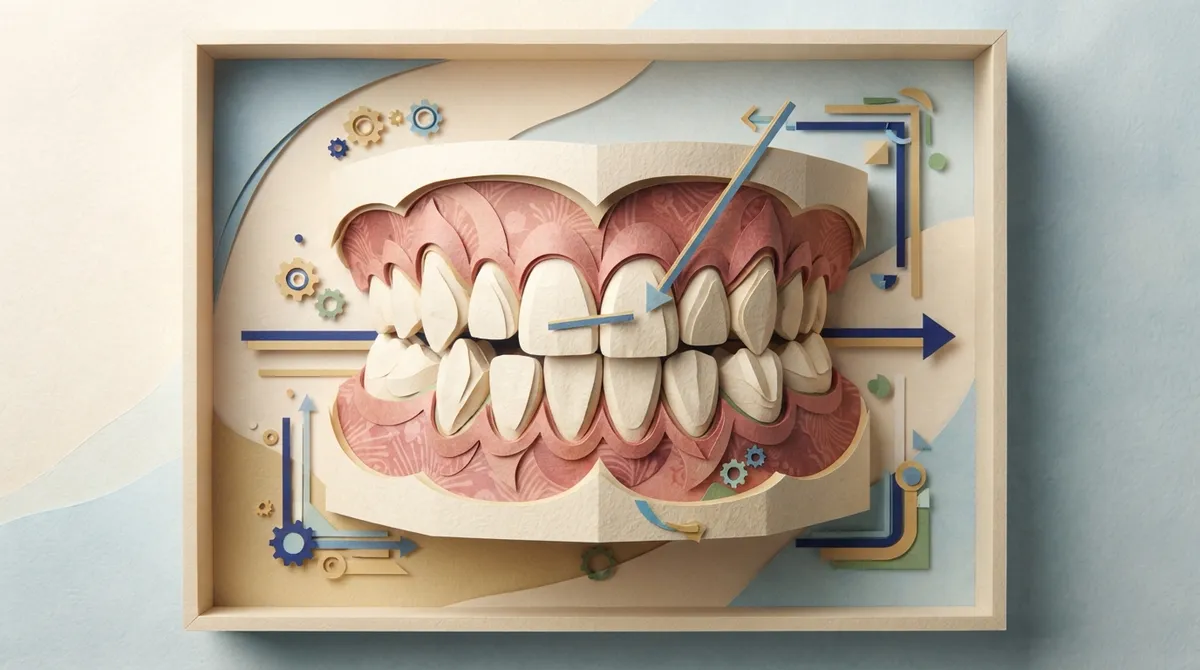
In a healthy bite, your upper teeth sit slightly outside your lower teeth. Think of the top teeth as a lid that fits over the bottom teeth. A crossbite happens when one or more upper teeth bite on the inside of the lower teeth instead.
Fact 1: A Crossbite Can Happen in Front or in Back
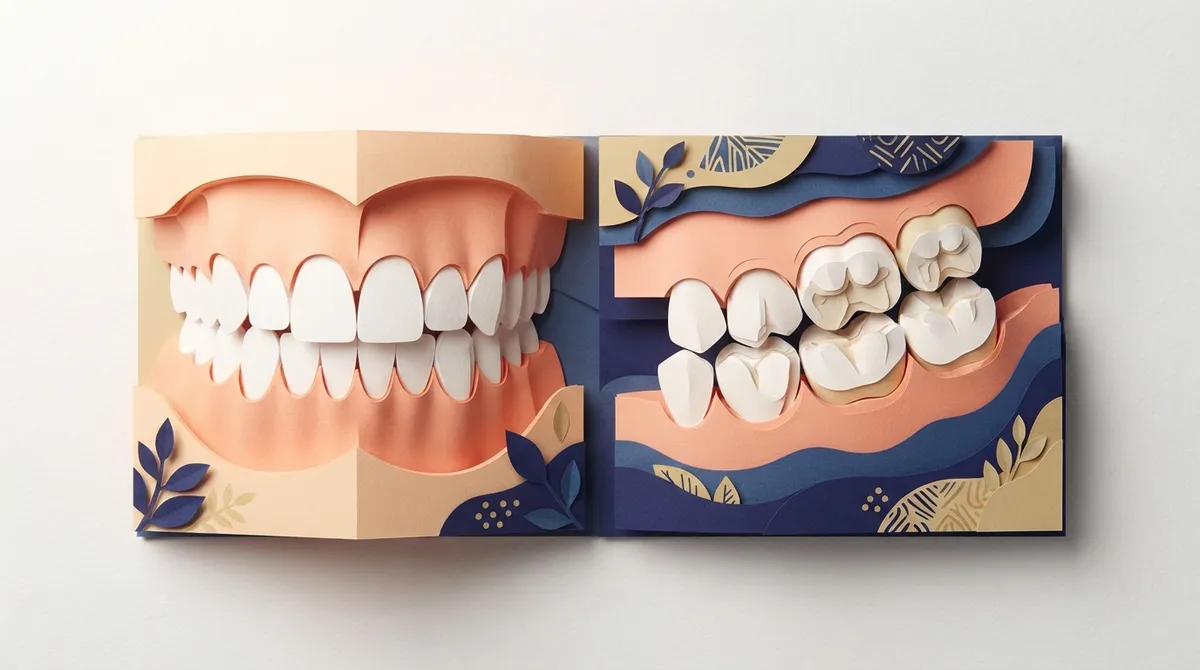
A front tooth (anterior) crossbite happens when one or more upper front teeth bite behind the lower front teeth. A back tooth (posterior) crossbite is a side-to-side problem. The upper back teeth bite inside the lower back teeth, on one side or both sides.
So the first big difference in front tooth crossbite versus back tooth crossbite is simple. One is about the front-to-back position of the front teeth. The other is about the width relationship of the back teeth.
Fact 2: Both Types Can Have Different Roots
No matter where a crossbite shows up, it usually falls into one of three groups:
- Dental: One or more teeth are tipped or positioned the wrong way.
- Skeletal: The upper and lower jaws differ in width or position.
- Functional: The jaw slides to one side or forward as the teeth come together.
This matters a lot. Two kids can both have a crossbite in the same spot, yet need very different care. That is why a careful orthodontic exam is so important.
Front Tooth Crossbite: What to Know
Fact 3: Front Crossbites Often Involve Just a Few Teeth
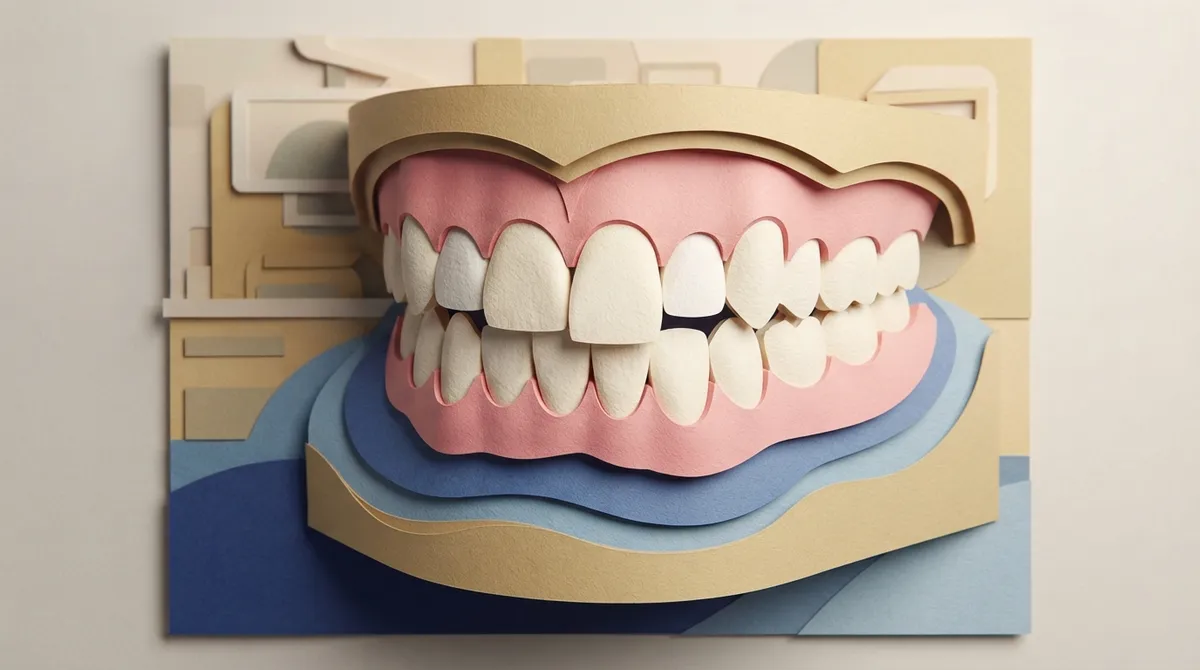
An anterior crossbite may involve one tooth or several. Often, an upper front tooth erupts tipped toward the tongue. It then locks behind a lower tooth. This is common when baby teeth are lost early or when there is not enough room for a new tooth to come in straight.
Fact 4: A Front Crossbite Can Cause Wear and Gum Stress
When a tooth bites the wrong way, it can take extra force. Over time, that may lead to abnormal tooth wear. In some cases, a lower tooth may also feel the extra pressure. The right timing for care depends on the child and the bite, but catching it early gives your orthodontist more choices.
Fact 5: Front Crossbite Treatment Depends on Space and Growth
Treatment for an anterior crossbite depends on the cause, the space available, and how much the tooth needs to move. For selected cases, options may include:
- An inclined plane appliance
- A removable appliance with small springs
- Fixed braces
- Arch expansion when more room is needed
If the crossbite is skeletal, meaning the jaws are not lined up well, a broader plan may be needed. That is a different path than moving one tooth. For a deeper look at timing, see our guide on how to ask the right questions about early treatment.
Back Tooth Crossbite: What to Know
Fact 6: Back Crossbites Often Point to a Narrow Upper Arch
A posterior crossbite often shows up when the upper arch is too narrow for the lower arch. The upper back teeth then fall inside the lower ones. It can happen on one side or both sides.
Fact 7: A One-Sided Crossbite May Mean the Jaw Is Shifting
Here is a fun and important fact. Sometimes a child has a narrow upper arch, and the jaw slides to one side to find a comfortable bite. That slide is called a functional shift. It can make a one-sided back crossbite appear, and it may lead to uneven closing of the teeth.
Because of this, orthodontists check whether the lower jaw moves between its relaxed position and the full bite. That one small detail can change the whole treatment plan.
Fact 8: Back Crossbite Care Often Focuses on Widening the Arch
Depending on whether the cause is dental or skeletal, and depending on age and growth, treatment may include:
- Removable or fixed expansion appliances
- Braces
- Other orthodontic treatment that fits the case
Growth plays a big role here. In young patients, the upper jaw is still developing, which can make widening easier. You can read more about this approach in our palatal expander guide.
Front vs Back Crossbite: Side-by-Side Comparison
Sometimes a quick chart makes things click. Here is how the two types compare:
| Feature | Front Tooth (Anterior) Crossbite | Back Tooth (Posterior) Crossbite |
|---|---|---|
| Where it happens | Upper front teeth bite behind lower front teeth | Upper back teeth bite inside lower back teeth |
| Direction of the problem | Front-to-back relationship | Side-to-side relationship |
| One side or both? | Often one or a few teeth | One side or both sides |
| Possible cause | Tooth tipping, lack of space, jaw position | Narrow upper arch, jaw width gap, jaw shift |
| Common approach | Tooth movement, appliances, braces | Arch expansion, braces, other plans |
| Possible effects | Tooth wear, uneven bite | Jaw shift, uneven closure, wear |
Keep in mind that this chart is a guide, not a diagnosis. Only an orthodontist can tell you what is going on in your own mouth.
How Common Are These Crossbites?
Fact 9: Crossbites Are Fairly Common, but Numbers Vary
A 2022 systematic review of malocclusion studies in children and teens reported average prevalence of about 7.8% for anterior crossbite and 9.0% for posterior crossbite. It also found about 12.2% for crossbite with a functional shift. The review noted large differences between studies and regions, so these numbers are not universal.
A 2025 study of children aged 10 to 12 found anterior crossbite in 6.5% and posterior crossbite in 10%. Again, these figures describe that group of children only. The takeaway is simple: crossbites are common enough that many families will face one, and you are in good company.
Diagnosis, Timing, and Treatment
Fact 10: Diagnosis Goes Beyond Where the Crossbite Sits
The location of a crossbite does not alone tell your orthodontist what to do. A good exam looks at:
- How the teeth fit together
- The position of each tooth
- The relationship between the upper and lower jaws
- Whether the lower jaw shifts as the teeth close
- Any extra records or images that may help, when clinically needed
Modern tools can make this easier. Digital scans, for example, give a clear picture of your bite without messy molds. Learn more in our post on intraoral scanning for orthodontics.
Fact 11: Early Checks Can Help, but Every Child Is Different
The American Academy of Pediatric Dentistry advises looking at crossbites in the context of the child’s overall needs. A simple dental front crossbite with enough space can often be aligned when it is found. Early care may also be a good idea for crossbites that are unlikely to fix themselves, especially when a jaw shift is present.
That said, not every crossbite needs the same appliance or the same speed. Timing and benefits are personal. If you are wondering when to book that first visit, our article on age 7 versus waiting can help you decide.
Fact 12: Teens and Adults Can Often Be Helped Too
Think it is too late? Not necessarily. Many teens and adults get care for crossbites with braces or other orthodontic tools. Because jaw growth slows with age, some adult cases need a more thorough plan, and a skeletal crossbite may need a broader approach. Your orthodontist can explain what is realistic for you.
If you want to explore this, check out what crossbite treatment is and whether you really need it and our guide to crossbite treatment options in Clearwater.
Why Fix a Crossbite at All?
Great question. Here are some common reasons patients and families choose care:
- To improve how the bite works and how the smile looks
- To reduce abnormal tooth wear
- To address a jaw shift when closing
- To support normal tooth eruption and healthy tooth-to-bone relationships
Remember, treatment does not look the same for everyone. Some crossbites need prompt care. Others can be watched. Your orthodontist will help you weigh the pros and cons with kindness and clarity.
Braces or Clear Aligners: Which Can Help?
Both can play a role, depending on the case. Braces give strong control over tooth movement, which can be handy for certain front and back crossbites. Clear aligners may help in selected cases, especially for mild dental problems. A wide jaw problem may need an expander first, followed by braces or aligners.
At Brockway Orthodontics, we offer metal braces, ceramic (clear) braces, and Spark™ Clear Aligners, a more affordable option than many popular aligner brands. To compare, read braces vs. clear aligners: which Clearwater choice wins?
Tips for Families: What to Do Next
If you think you or your child may have a crossbite, here are some simple steps:
- Look and note. Check whether any upper teeth sit behind the lower teeth. Notice if the jaw seems to slide when your child bites down.
- Watch for signs. Uneven wear, chewing on one side, or a crooked-looking chin can be clues, though only an exam can confirm a cause.
- Book a visit. An orthodontist can check the bite and talk through options with no pressure.
- Ask questions. Ask how the bite is classified and what timing makes sense.
- Plan the budget. Ask about payment plans so there are no surprises.
Prepping a bit can make that first visit smoother. Our guide on how to prepare for your orthodontist consultation walks you through it.
Why Families Choose Brockway Orthodontics
Dr. Brockway is more than a qualified orthodontist in Clearwater, FL. She truly cares about your journey. She listens to your concerns, explains things in plain language, and makes sure you feel comfortable from start to finish.
Our office uses modern tools such as digital impressions and 3D imaging, so planning feels precise and easy. In certain cases, same-day treatment may even be available. Curious what other families think? See what our Brockway Orthodontics patients say when you visit us on Google — Brockway Orthodontics.
Final Thoughts
When you compare front tooth crossbite versus back tooth crossbite, remember this: location matters, but cause matters more. A front crossbite is about upper front teeth biting behind the lower ones. A back crossbite is about the side-to-side fit of the back teeth. Either can be dental, skeletal, or functional, and a careful exam is the key to the right plan.
You do not have to figure it out alone. For general oral health guidance, the American Dental Association is a trusted resource, and the Florida Association of Orthodontists offers helpful information about orthodontic care in our state.
Ready to find out what is going on with your bite? Book your appointment online with Brockway Orthodontics, or contact us with any questions. We would love to help you and your family smile with confidence.
FAQs
Q: What is the difference between an anterior and a posterior crossbite?
A: An anterior (front tooth) crossbite means one or more upper front teeth bite behind the lower front teeth. A posterior (back tooth) crossbite means the upper back teeth bite inside the lower back teeth, on one or both sides. The location is different, and so is the usual treatment plan.
Q: Does a child’s crossbite need early treatment, or can it correct itself?
A: It depends on the type and cause. A simple front crossbite with enough space can often be aligned when it is found, and a crossbite with a jaw shift may be best treated early. Many crossbites do not fix themselves, so an orthodontic check is a smart first step.
Q: How can an orthodontist tell if a crossbite is dental, skeletal, or functional?
A: Your orthodontist looks at how the teeth fit, where each tooth sits, and how the upper and lower jaws relate. They also check whether the lower jaw slides when you bite down. Imaging or other records may be added when they are clinically helpful.
Q: Can braces or clear aligners correct a crossbite?
A: Yes, in many cases. Braces are often used for stronger tooth control, and clear aligners may work for selected, milder cases. A narrow upper jaw may need an expander first, and the right choice depends on your age, growth, and the cause of the crossbite.
Q: Can a crossbite cause tooth wear or uneven jaw movement?
A: It can. A crossbite may lead to abnormal tooth wear, and a back crossbite with a jaw shift can cause the jaw to close unevenly. Treatment and timing are personal, so your orthodontist can explain what matters most in your case.
Our Service Area