Key Takeaways
-
Your aligner schedule is a personal plan built from your diagnosis, planned tooth movements, and how your teeth respond, so never switch trays early or late without checking with your orthodontist.
-
Teeth move in small steps and the bone remodels slowly, so a set number of days does not guarantee your teeth are ready for the next tray.
-
Wear time matters as much as tray timing: aligners are typically worn about 22 hours a day, removed only to eat and clean.
-
Tray-change intervals usually range from about one to three weeks, and harder movements like rotations or root tipping may need longer wear.
-
Switching early often causes a poor fit that pushes your timeline back, while extending a tray is sometimes the right call to let teeth catch up.
-
If a tray is lost, broken, or won't seat, do not force it or change the sequence yourself; call your orthodontist the same day for instructions.
You open your first set of clear aligners, and there it is: a neat little plan telling you exactly when to switch trays. It can feel a bit like homework. Maybe your friend swaps every week, your neighbor swaps every two, and you are left wondering why your schedule looks so different. Good news: there is a reason, and it is not random.
Here is the short answer. Your orthodontist sets your aligner schedule to match your diagnosis, your planned tooth movements, and how your teeth actually respond along the way. It is a personal plan, not a one-size-fits-all calendar. In 2026, with digital planning and smart monitoring, that plan is more precise than ever.
Whether you are a parent helping a teen stay on track, a busy professional fitting treatment into a packed week, or an adult returning after relapse, this guide walks you through 15 clear reasons your schedule is built the way it is. We will also show you what to do when real life gets in the way.

1. Your Plan Is Built Around Your Unique Diagnosis
No two smiles are the same. Some patients have mild crowding. Others have gaps, rotated teeth, or a bite that needs real correction. Your orthodontist studies your teeth, your bite, and your jaw before deciding how fast and in what order things should move.
That is why why your orthodontist sets your aligner schedule starts with a diagnosis, not a calendar. The schedule follows the plan, never the other way around.

2. Teeth Move in Small, Planned Steps
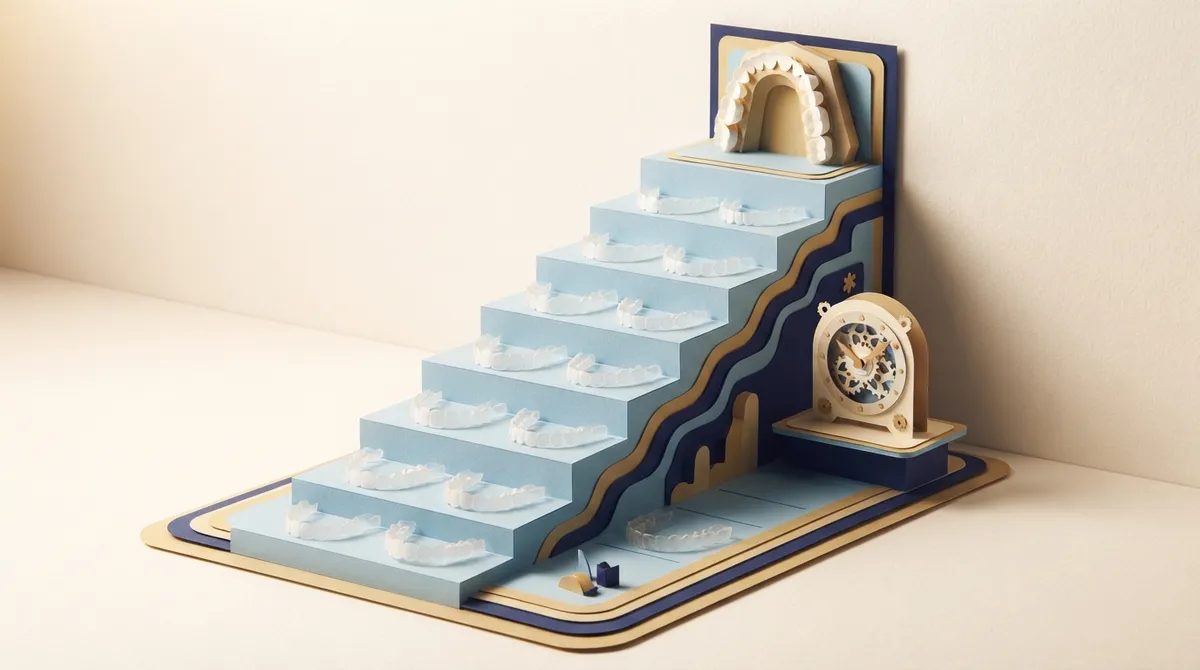
Each aligner tray is designed to nudge your teeth a tiny amount. Think of it like climbing stairs rather than jumping up a wall. Your orthodontist maps out the whole staircase so each step is small, safe, and comfortable.
The schedule decides how long you stay on each step. Too fast, and your teeth may not keep up. Too slow, and treatment drags on. Your orthodontist finds the sweet spot for your case.
3. Tooth Movement Is Biology, Not Just a Timer
Here is something many patients do not realize: your teeth move because the bone around them slowly remodels. That is a living process, and it takes time. A set number of days passing does not automatically mean your teeth are ready for the next tray.
This is why your orthodontist checks how your teeth are tracking before telling you to move forward. The schedule is a guide, and your teeth have the final say.
4. Daily Wear Time Is Part of the Schedule
Your schedule is not only about when to switch trays. It also includes how many hours a day you wear them. Many patients are asked to wear aligners about 20 to 22 hours a day, taking them out only to eat and clean. The American Association of Orthodontists notes that aligners are typically worn at least 22 hours per day.
Your exact target comes from your orthodontist and your aligner system. Follow that number closely, because wear time and tray timing work together.
5. Tray-Change Intervals Vary From Case to Case
Some patients switch trays every week. Others switch every two weeks, or even a little longer. AAO patient information describes a common range of about one to three weeks per tray.
Which interval fits you depends on your planned movements, the type of appliance, and how your treatment is going. Here is a quick look at what shapes it.
| Factor | How It Can Affect Your Schedule |
|---|---|
| Type of tooth movement | Simple shifts may move faster than rotations or root movements |
| Aligner system used | Different systems have different design and wear protocols |
| Your response so far | Good tracking may keep you on plan; poor tracking may slow it |
| Daily wear habits | Consistent wear supports the planned interval |
| Age and bone response | Teens and adults may respond differently |
6. Different Movements Need Different Timing
Not every tooth movement behaves the same way. A clinical review notes that some movements, including tipping, rotation, and back-tooth torque, can be less predictable and may need a longer wear interval. Evidence and protocols vary, but the idea is simple: harder movements often need more time.
If your plan includes tougher movements, your orthodontist may build a slower pace into your schedule. That is good planning, not a delay.
7. The Schedule Helps Prevent Poor Fit
An aligner only works if it fits snugly over your teeth. When you switch too early, the next tray may not seat fully. It can feel tight, lift at the edges, or leave gaps.
A well-timed schedule gives your teeth the chance to reach the planned position before the next tray arrives. That keeps every tray doing its job. If you ever wonder about old trays, our guide on how to decide whether to keep previous aligner trays can help.
8. Check-Ins Keep Treatment on Track
Your schedule includes regular check-ins, either in person or, where offered, remotely. These visits let your orthodontist spot problems early, like a tray that is not tracking, missed wear, or a lost aligner.
When something is off, the plan can be adjusted. Sometimes that means a longer wear period. Sometimes it means refinement aligners. To learn more about why that happens, read about refinement aligners versus the original set.
9. Patient Habits Matter More Than You Think
Aligners are removable, which is wonderful for eating and brushing. It also means treatment depends heavily on you. Real-world data shows how common slip-ups are.
- In a retrospective study of 2,644 clear-aligner patients, 36.0% were fully compliant, 38.3% were fairly compliant, and 25.7% were poorly compliant under that study’s criteria.
- In the same group, 45.5% reported wearing each aligner 22 hours a day throughout treatment.
- A 2024 scoping review cited one study where only 36% of patients followed the prescribed wear time, though it noted that evidence linking measured wear directly to outcomes is still limited.
No judgment here. Life is busy. But your schedule works best when you can follow it, and your orthodontist can help you find ways to make that easier.
10. Skipping Ahead Can Backfire
It is tempting to switch early when your aligners feel comfortable. Comfortable does not always mean finished. If you advance before your teeth are ready, the next tray may fit poorly and push your timeline back.
Always ask before changing the plan. A quick call is far better than guessing, and it protects the progress you have already made.
11. Extending a Tray Is Sometimes the Right Call
Sometimes your orthodontist will tell you to wear a tray a little longer. That is not a setback. It usually means your teeth need extra time to catch up with the plan.
Studies comparing 7-, 10-, and 14-day protocols found small linear differences, under 0.5 mm in the cited research, but larger angular gaps, over 2 degrees. Some back-tooth movements may benefit from longer wear. These findings are study-specific, not a rule for everyone, which is exactly why your orthodontist personalizes the schedule.
12. Your Schedule Protects Your Overall Timeline
A steady, well-planned schedule helps you finish on time. Missed wear, rushed switches, or long gaps between check-ins can all stretch treatment. Time in aligners also shapes your overall investment, which you can explore in how treatment length affects orthodontic costs in 2026.
Staying on schedule is one of the best ways to reach your finish line without surprises.
13. Your Schedule Is Built From Digital Planning
Modern aligner plans start with detailed digital scans and a step-by-step simulation of your tooth movement. Your schedule is tied to that simulation, so each tray lines up with a specific stage. If you are curious about the technology behind it, take a look at our facts about Medit intraoral scanning for ortho.
You can also learn how the process works from start to finish in how removable aligners straighten teeth in 2026.
14. Lost, Broken, or Ill-Fitting Trays Change the Plan
Things happen. Aligners get left in napkins, chewed by pets, or cracked in a gym bag. If a tray is lost, damaged, or will not seat, contact your orthodontist rather than changing the sequence on your own.
Here is a simple order of steps to follow:
- Stop and do not force a tray that will not seat.
- Put in your previous tray if you still have it, unless told otherwise.
- Call your orthodontist’s office the same day.
- Follow their instructions on whether to advance, extend, or replace.
- Ask about adjusting your next check-in if needed.
Quick action keeps small hiccups from turning into big delays. For cleaning and care habits that prevent damage, see why hot water can damage clear aligners.
15. Your Schedule Supports Life After Treatment
The final reason is the one most people forget. Your schedule does not end when the last aligner goes in the trash. It leads straight into retention, where retainers keep your new smile in place. Skipping that step is a common cause of relapse, which is why many adult patients come back for retreatment.
Plan ahead by learning about why you still need retainers after Invisalign. A strong finish protects everything you worked for.
How Different Patients Can Stay on Schedule
Every patient has a different challenge. Here are a few friendly tips tailored to your situation.
- Parents of kids and teens: Set a weekly tray-change reminder on a shared phone calendar, and keep a labeled case in the backpack.
- Teens and young adults: Link tray changes to a weekly habit, like Sunday night, so it feels automatic.
- Busy professionals: Keep a spare case at your desk and brush after lunch so aligners go back in quickly.
- Relapse patients: Be open about past habits so your plan fits your real routine this time.
- Health-conscious patients: Keep up with brushing and flossing, since clean teeth and healthy gums support smooth movement.
Why Brockway Orthodontics Builds Your Schedule Around You
At Brockway Orthodontics, we believe a schedule should fit your smile and your life. Dr. Brockway takes the time to listen, explain each step in plain language, and adjust the plan when your teeth or your calendar call for it. We offer Spark Clear Aligners, metal braces, and ceramic braces for patients of all ages, so you get care that matches your needs.
Want to see what other families say about their experience? You can visit us on Google and read what our Brockway Orthodontics patients share. For more professional guidance on orthodontic care in the state, the Florida Association of Orthodontists is a helpful resource, and the American Dental Association offers trusted tips on everyday oral health.
Final Thoughts: Trust the Plan, and Ask Questions
Your aligner schedule is more than a list of dates. It is a roadmap built from your diagnosis, your planned movements, and your progress along the way. When you follow it, check in on time, and speak up when something feels off, you give your smile its best chance to finish strong.
Have questions about your own schedule, or thinking about starting treatment? Our friendly team is here to help. Book your free consultation online and let us build a plan that fits your smile and your life. Prefer to talk first? You can always contact us with any question, big or small.
FAQs
Q: How many hours a day should I wear my clear aligners?
A: Many patients are asked to wear aligners about 20 to 22 hours a day, taking them out only to eat and clean. The AAO notes at least 22 hours daily is typical. Your exact goal comes from your orthodontist, so follow their instructions.
Q: How often should I change to the next aligner tray?
A: Tray changes commonly range from about one to three weeks, depending on your case and the system used. Your orthodontist sets the interval based on your planned movements and progress. Do not switch early or late without checking in first.
Q: Can I switch aligners early if they feel comfortable?
A: It is best not to. Comfort does not always mean your teeth have moved enough for the next tray. Switching too soon can cause a poor fit and slow your progress, so ask your orthodontist before changing the plan.
Q: What should I do if my next aligner does not fit or seat fully?
A: Do not force it into place. Go back to your previous tray if you have it, and call your orthodontist right away. They can check your progress and decide whether to extend wear time or adjust the plan.
Q: Does wearing aligners less than prescribed make treatment take longer?
A: Yes, it often can. Less wear time can delay tooth movement and make the next tray fit poorly. If life makes the schedule hard to follow, tell your orthodontist so they can help you find a routine that works.
Our Service Area