Key Takeaways
-
Aligners often work well for mild to moderate crowding, spacing, crooked teeth, and some overbite, underbite, or crossbite cases, but severe problems usually need braces or a combined plan.
-
Your orthodontist decides based on a full exam with photos, digital scans, and X-rays, weighing your bite, gum and tooth health, growth stage, and ability to wear trays as directed.
-
Aligners only work when worn as directed, so commit to the wear schedule, since skipping trays can slow progress and change the final result.
-
Healthy teeth and gums are essential, because food and drinks can get trapped against teeth under aligners, so cavities and gum issues should be addressed first.
-
A 2025 meta-analysis found no significant advantage of clear aligners over braces for straightforward, non-extraction cases, so both options can work well depending on your case.
-
Ask your orthodontist whether your bite suits aligners, braces, or both, how long treatment will take, and what happens if you miss wear time during your consultation.
Thinking about straightening your teeth without a mouth full of metal? You are not alone. Clear aligners have become one of the most talked-about options in orthodontics, and many families wonder if they are the right fit. The honest answer is this: when might an orthodontist recommend aligners? It depends on your bite, your teeth, your gums, and even your daily habits.
Here is the good news. Aligners can treat many common concerns, from crowding to gaps to certain bite problems. But they are not a one-size-fits-all fix, and a good orthodontist will tell you the truth about what will work best for you.
In this friendly guide, we walk through 15 situations where aligners are often a smart choice, plus a few cases where braces may be better. Whether you are a parent planning for your teen, a young adult getting ready for a big event, or a busy professional who wants a discreet option, you will find something helpful here.
How an Orthodontist Decides if Aligners Are Right for You
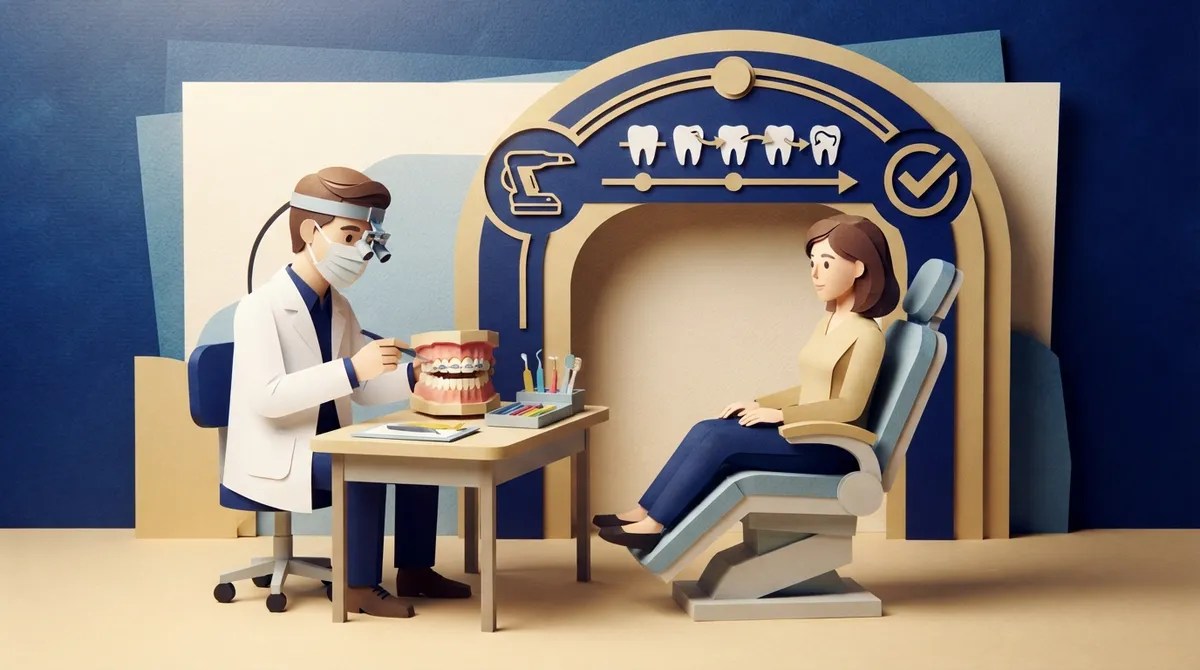
Before we get to the list, it helps to know how the decision is made. An orthodontist does not pick aligners just because a problem looks mild. Instead, the choice comes from a full exam and diagnostic records, such as photos, digital scans, and X-rays.
The orthodontist looks at how your teeth need to move, how your jaws line up, and how healthy your gums and teeth are. Then they weigh that against your goals and lifestyle. If you want a closer look at how this planning works, our guide on how to know if clear aligners can treat your smile is a great next read.
Here are the main things your orthodontist considers:
- The type of bite problem and how complex the tooth movements are
- Gum and tooth health, including any cavities or gum concerns
- Your age and stage of growth
- Your ability to wear aligners as directed
- Your personal goals, such as a discreet look or a faster timeline
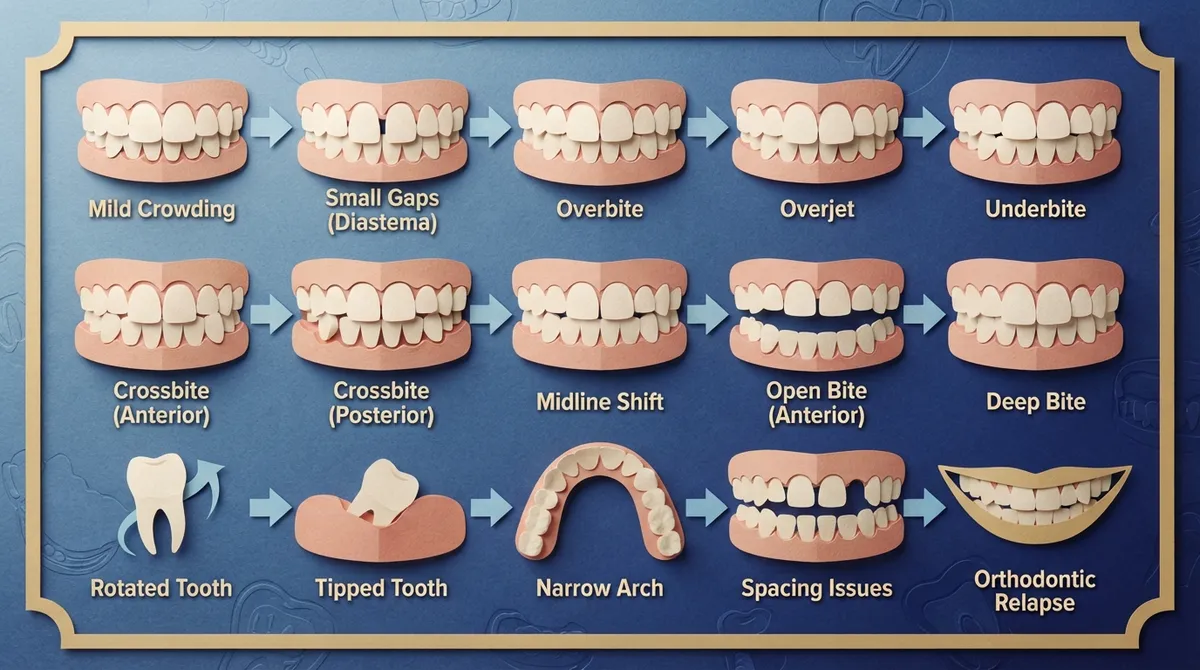
15 Situations Where Aligners May Be a Good Fit
1. Mild to Moderate Crowding
Crowded teeth are one of the most common reasons people seek treatment. When teeth overlap or twist because there is not enough room, aligners can often guide them into place step by step. The key word is often. Severe crowding may need a different plan.
2. Gaps and Spacing Between Teeth
Spacing is another common concern that aligners can handle well in many cases. Gaps can come from smaller teeth, a gap between the front teeth, or teeth that have drifted over time. If you are curious about the causes, see our article on what causes gaps between teeth. Very large gaps can be harder to close predictably with aligners alone.
3. Crooked Teeth That Need Gentle Straightening
If your teeth are simply a bit crooked or uneven, aligners may be a comfortable way to straighten them. This is a popular choice for teens and adults who want a more modern, low-profile approach. For more ideas, check out 9 proven ways to fix crooked teeth in 2026.
4. A Mild Overbite
An overbite happens when the upper front teeth sit too far over the lower ones. Aligners can treat some overbites, especially when the movements are not extreme. In some cases, your orthodontist may add small rubber bands, called elastics, to help the bite along. Learn more in our post on how to fix an overbite in Clearwater the smart way.
5. Certain Underbite Cases
An underbite means the lower teeth sit in front of the upper teeth. Some milder cases can be treated with aligners, while others involve the jaw and may need braces or a combined plan. Your orthodontist will tell you which path fits your bite.
6. Crossbite Corrections
A crossbite is when some upper teeth sit inside the lower teeth instead of outside. Aligners can help with certain crossbites. To understand why this matters, read what crossbite treatment is and whether you really need it.
7. Some Open Bite Cases
With an open bite, the front teeth do not touch when the back teeth come together. A 2024 systematic review of adult anterior open-bite treatment looked at 12 studies and estimated an average correction of about 2.76 mm. Much of that came from the front teeth moving down into place. That does not mean aligners are best for every open bite, so a proper exam matters.
8. When You Want a Less Noticeable Option
This is one of the biggest reasons people choose aligners. They are clear and discreet, which is great for adult professionals, performers, and teens who feel shy about a metal smile. If this sounds like you, you might also enjoy reading why invisible braces for adults are so popular in 2026.
9. When Removable Trays Fit Your Lifestyle
Because you can take aligners out to eat and brush, many people find daily routines easier than with fixed braces. There are no brackets to scrub around and fewer food rules. If your schedule is packed, that flexibility can be a real plus.
10. When You Can Commit to Wearing Them
Here is where honesty matters. Aligners only work if you wear them as directed. Your orthodontist sets a wear schedule, and inconsistent wear can slow progress or change the final result. If you are a responsible, organized patient, aligners may be a great match. Our post on why aligner wear time affects treatment progress explains this in more detail.
11. For Teens Who Are Ready for the Responsibility
Many teens do beautifully with aligners, especially when they are motivated by a school event, graduation, or just feeling more confident. Parents often wonder if their teen is ready. Our guide on how to know if Invisalign Teen fits your teenager offers helpful tips for that conversation.
12. For Adults Who Had Braces Before and Relapsed
Teeth can shift after treatment, especially if retainers were not worn as directed. If your smile has moved back a bit, aligners can often help bring it back into line. Many adults love this option because it feels light and flexible. See 9 adult orthodontic retreatment options for a shifted smile for more.
13. When Your Teeth and Gums Are Healthy
Healthy teeth and gums are the foundation for any orthodontic plan. Aligners can trap food and drinks against your teeth if worn while eating or if cleaning is skipped. So your orthodontist will check for cavities and gum concerns first. Learn more about this step in how dental health affects your braces or aligner options.
14. When a Hybrid Plan Makes Sense
Sometimes the best answer is a mix. Your orthodontist may use braces for a tough movement and then switch to aligners, or add elastics to aligner treatment in selected cases. This blended approach can give you the best of both worlds.
15. When the Movements Are Predictable
Aligners work best when the planned tooth movements can be achieved reliably with removable trays. A 2024 umbrella review estimated clear aligner movement accuracy at roughly 55 to 82 percent, depending on the movement and the case. That range is not a promise for any one person, but it shows why careful planning matters.
When Braces May Be the Better Choice
Aligners are wonderful, but they are not always the winner. The American Association of Orthodontists notes possible limits for severe bite problems, large tooth rotations, and big gaps. Braces, or a combined approach, may be recommended in those situations.
A 2025 systematic review and meta-analysis found 21 randomized controlled trials with 970 participants. It reported no significant advantage for clear aligners over fixed braces for straightforward, non-extraction cases. The authors described the evidence quality as low and called for better studies. In plain terms: both options can work well, and the right pick depends on your case.
Here is a quick side-by-side look at how the two options often compare:
| Factor | Clear Aligners | Braces |
|---|---|---|
| Appearance | Nearly invisible | Metal or clear (ceramic) brackets |
| Removable | Yes, for eating and brushing | No, fixed in place |
| Depends on patient wear | Very much | Less so |
| Complex bite problems | May be limited in some cases | Often more predictable |
| Large rotations or gaps | Can be harder | Often handled well |
| Cleaning | Brush as usual, clean trays | Needs extra care around brackets |
Want a deeper comparison? Our post on braces vs. clear aligners: which Clearwater choice wins breaks it down further.
What Aligners Ask of You Day to Day
Choosing aligners means taking on a few daily habits. They are simple, but they matter. Here is what most patients do:
- Wear your trays as directed. Your orthodontist will give you a schedule. Do not change it or skip trays without checking in first.
- Take them out to eat. Food and drinks can get trapped under the trays.
- Brush before putting them back in. Clean teeth mean healthier smiles.
- Clean your trays daily. Avoid hot water, which can warp them. See why hot water can damage clear aligners.
- Keep your check-ups. Regular visits let your orthodontist monitor progress and make changes.
Who Often Does Well With Aligners?
Every smile is different, but certain patients tend to be great candidates:
- Teens and young adults who want a modern, discreet look before a big life event
- Adult professionals who need a low-profile option for work
- Parents and families who want a clear plan that fits a busy schedule
- Relapse patients whose teeth have shifted after earlier treatment
- Health-conscious patients who want an easy way to keep teeth clean during treatment
The Aligner Options at Brockway Orthodontics
At Brockway Orthodontics in Clearwater, Florida, Dr. Brockway offers Spark Clear Aligners, a more affordable alternative to Invisalign. The practice also offers metal braces and ceramic (clear) braces, so you get honest advice about the option that fits your smile best, not a one-size-fits-all pitch.
Dr. Brockway takes time to listen to your goals and walk you through your choices in a friendly, easy-to-understand way. The office also uses modern tools like digital impressions instead of messy molds and 3D imaging to plan treatment with care. You can visit us on Google — Brockway Orthodontics to see what local families say about their experience.
Curious about Spark? Read what Spark Clear Aligners are in this 2026 guide for families. You can also learn more from trusted organizations like the Florida Association of Orthodontists and the American Dental Association, or see the American Association of Orthodontists’ overview of clear aligners.
Questions to Ask at Your Consultation
Going in prepared makes the visit smoother. Consider asking:
- Is my bite a good match for aligners, braces, or both?
- How long will treatment likely take?
- What happens if I do not wear my trays as directed?
- Will I need elastics or attachments?
- What will retainers look like after treatment?
For more ideas, see 13 questions to ask at an orthodontic consultation.
Final Thoughts
So, when might an orthodontist recommend aligners? Usually when your bite, teeth, gums, and habits all point to a predictable, comfortable result with removable trays. For many people with crowding, spacing, mild bite problems, or a strong wish for a discreet look, aligners are a wonderful choice. For others, braces or a hybrid plan will get a better result, and that is perfectly okay.
The best way to know for sure is a personal exam. Ready to find out what fits your smile? Book your appointment online and let Dr. Brockway and her friendly team guide you, or contact us with any questions. We would love to help you smile with confidence.
FAQs
Q: What orthodontic problems can clear aligners treat?
A: Clear aligners can often treat crowding, spacing, crooked teeth, overbite, underbite, crossbite, and some open bites. The name of the problem matters less than how complex the movements are, so your orthodontist will check your bite before recommending them.
Q: When are braces a better choice than clear aligners?
A: Braces, or a mix of braces and aligners, may work better for severe bite problems, big tooth rotations, or large gaps. They can also be a good fit if you have trouble wearing removable trays as directed.
Q: What happens if I do not wear my aligners as directed?
A: Treatment can slow down, and the final result may not match the plan. Please do not skip trays or change your schedule without talking to your orthodontist first. They can help you get back on track.
Q: Can aligners be combined with braces or elastics?
A: Yes, in selected cases. Your orthodontist may add small elastics to aligner treatment or use braces for one stage and aligners for another. This hybrid plan can help with tougher movements.
Q: How does an orthodontist decide if I am a candidate for aligners?
A: They start with an exam and records like photos, scans, and X-rays. Then they review your bite, teeth, gums, and goals, and talk with you about whether aligners, braces, or a mix will work best.
Our Service Area