Key Takeaways
-
Ask for a written, itemized cost estimate that shows exactly what is included, such as records, appliances, retainers, and repairs, plus any likely extra charges later.
-
Ask for a personal treatment timeline rather than relying on averages; the AAO's 22-month median is practice-wide, and your bite complexity and compliance will shape your actual timing.
-
Ask why the recommended option fits your bite, lifestyle, and goals, and what alternatives were considered and rejected, to understand the trade-offs before deciding.
-
Ask whether you need monitoring or treatment now, and what could change if you wait, so you understand the real urgency of your diagnosis.
-
Ask about the retention plan before treatment ends: retainer type, wear schedule, cleaning, and whether the first set is included, since teeth can drift back without them.
-
Ask what to do if a bracket breaks or a wire pokes between visits, and how to reach the office for urgent concerns.
Walking into your first orthodontic visit can feel a little like going on a first date. You are excited, a bit nervous, and not totally sure what to say. Good news: you do not need to be an expert. You just need a few smart questions. If you have ever wondered what questions should I ask at an orthodontic consultation, this friendly guide is for you.
A consultation is more than a quick peek at your teeth. It is your chance to understand your diagnosis, compare treatment options, and decide if the practice feels right. The American Association of Orthodontists (AAO) says patients should leave knowing their diagnosis, goals, options, timeline, and estimated cost. That is a lot to take in!
Below are 13 questions that help parents, teens, busy adults, and returning patients get real answers. Bring this list, jot down notes, and never feel shy about asking for plain-language explanations. You deserve to feel informed and comfortable.
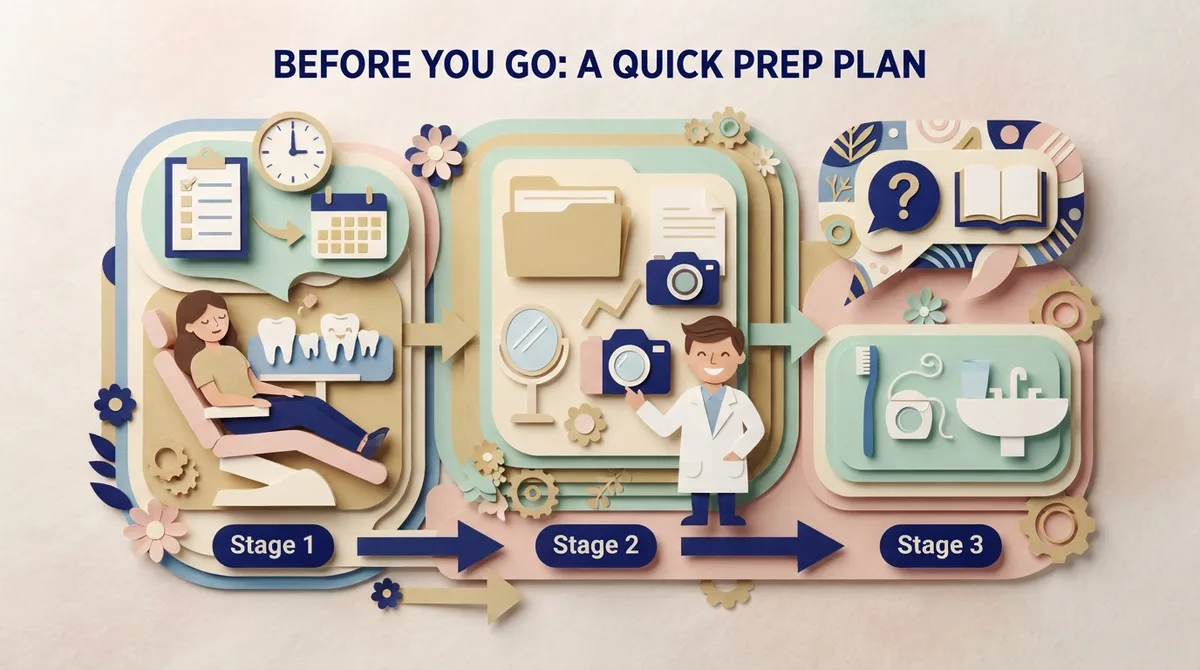
Before You Go: A Quick Prep Plan
A little prep makes your visit smoother and your questions sharper. Many practices offer initial consultations at little or no cost, but what is included can vary. It is smart to ask ahead of time whether the visit includes an exam, photos, X-rays, or digital scans.
- Gather records: Bring dental X-rays, past orthodontic records, and your insurance card if you have one.
- List your goals: Do you want straighter teeth, a better bite, or a smile for a big event?
- Write down your concerns: Cost, timing, comfort, and looks all count.
- Bring a helper: A second set of ears is great for remembering details.
Want more help getting ready? Our guide on how to prepare for your first visit to the orthodontist walks through it step by step.

Questions About Your Diagnosis
Start with the big picture. You cannot weigh your options until you understand what is actually going on in your mouth.
1. What is my diagnosis?
Ask the orthodontist to describe what they see in your teeth and bite. Is it crowding, spacing, an overbite, an underbite, or a crossbite? Request plain language, not jargon. If a term is confusing, say so. Good orthodontists love explaining.
2. Why do you recommend treatment, and what happens if I wait?
Some patients need treatment right away. Others, especially younger kids, may just need monitoring. Ask what could change if you wait or choose not to treat. This helps you see the real urgency, or lack of it. Parents may find our article on why early evaluation is not the same as treatment helpful here.
3. What are my treatment goals?
Is the plan about looks, function, or both? A great plan balances a healthy bite with a smile you love. Ask the orthodontist to show you what they hope to achieve and what results are realistic for your case.
Questions About Your Treatment Options
Not every option fits every bite. This is where your questions can really shape your plan.
4. Which options fit my case, and why do you recommend this one?
Braces and clear aligners are the two most common choices, but metal and ceramic braces also differ. Ask why the recommended option suits your bite, lifestyle, and goals. Also ask about options that were not chosen and why. At Brockway Orthodontics, Dr. Brockway offers metal braces, ceramic (clear) braces, and Spark™ Clear Aligners, so patients can talk through what truly fits.
To compare ahead of time, see braces vs. clear aligners: which Clearwater choice wins.
5. Will I need extractions or other dental work first?
Sometimes teeth need to be removed, or a cavity or gum issue needs care before treatment begins. Ask what must happen first, and whether the orthodontist will coordinate with your general dentist or another provider. Knowing this early avoids surprises later.
6. How will my daily life change?
This one matters most to busy professionals and teens. Ask about food limits, cleaning routines, and how much responsibility falls on you. Aligners must be worn most of the day, while braces stay put but need extra brushing care.
| Topic to Ask About | Braces | Clear Aligners |
|---|---|---|
| Daily wear | Always on | Worn most of the day, removed to eat |
| Typical visit spacing | About every 6 weeks (AAO survey median) | About every 10 weeks (AAO survey median) |
| Food rules | Avoid sticky and hard foods | Fewer limits, but remove before eating |
| Cleaning | Brush and floss around brackets | Clean trays and brush teeth |
| Good to know | Works for many bite types | Fit depends on your case |
Remember, those visit gaps come from AAO practice survey data. Your own schedule depends on your plan and your practice.
Questions About Time and Visits
7. How long will treatment take?
This is the question everyone asks. The AAO’s 2025 Economics of Orthodontics Survey, using 2024 member data, found a median active-treatment time of 22 months. That is a practice-wide figure, not a promise for you. Ask for your personal estimate and what could stretch it out.
Things that can affect timing include:
- How complex your bite is
- How well you follow wear and care instructions
- Broken brackets or missed appointments
- How your teeth and bone respond to movement
For a deeper look, read our list of 6 things that decide braces treatment time.
8. How often are appointments, and how long are they?
Ask how many visits to expect and how long each one lasts. This matters if you juggle school, sports, or a demanding job. Also ask whether any steps can happen in the same visit. Some practices can start certain treatments quickly, which saves trips.
Questions About Cost and Insurance
Money talk can feel awkward, but a good practice welcomes it. You should never feel rushed or confused about fees.
9. What is the total cost, and what does it include?
Request a written, itemized estimate. Then ask what is covered. Does the fee include records, appliances, regular visits, repairs, refinements, and retainers? Ask about any extra charges that could show up later, such as replacement trays or broken parts.
It also helps to understand why prices differ from person to person. Our article on why a written orthodontic fee breakdown matters explains it well.
10. How do insurance and payment plans work?
Coverage varies a lot. Ask the team to check your benefits and explain what your plan may pay, including any lifetime maximums or age limits. Then ask about monthly payment options. In the AAO survey, patients who financed treatment in 2024 averaged about $211 per month. That is only an average, not a standard price, so get your own quote. You can also read how to use dental insurance to help pay for braces and explore monthly payment plans for 2026.
Questions About Comfort, Care, and Risks
11. What are the risks, limits, and discomforts?
Every treatment has trade-offs. Ask about soreness, cleaning demands, and anything that could limit your results. An honest answer builds trust. If someone promises perfection with no downsides, take a pause.
12. What do I do if something breaks or hurts between visits?
A poking wire or loose bracket can happen at the worst time. Ask how to reach the practice for urgent concerns, what you can fix at home, and what counts as a true emergency. You may also like our list of 7 orthodontic emergency fixes to try before panicking.
The Question Many People Forget: What Happens After?
13. What is the retention plan?
Finishing braces is not the finish line. Teeth can drift back without retainers, which matters most for anyone who has had treatment before and is now facing relapse. Ask what type of retainer you will get, how long to wear it, how to clean it, and whether the first set is included in your fee.
Our guides on fixed vs. removable retainers and how to care for your dental retainer are great places to start.
Bonus: Questions About the Practice and Provider
Comparing providers? These extra questions help you feel confident about who will be guiding your care.
- What is your orthodontic training and experience with my treatment type?
- Who will supervise my care at each visit?
- Are you a member of the AAO? Membership can be one factor, but it should not replace a close look at the plan and credentials.
- What technology do you use? Digital scans and 3D imaging can mean more comfort and precise planning.
Want a deeper checklist? Try 8 orthodontist credentials to check before you book.
Tailor Your Questions to Your Situation
Everyone walks in with different needs. Here is how to tweak your list.
For Parents of Kids and Teens
Ask about the best timing for treatment, how growth affects the plan, and how to keep teens on track with cleaning. Our article on 12 questions teens should ask their orthodontist is a fun one to read together.
For Adults and Busy Professionals
Focus on discreet options, fewer visits, and how treatment fits your calendar. Ask about work meetings, travel, and how noticeable the appliances will be.
For Returning Patients
If your teeth shifted after past treatment, ask why relapse happened and how to prevent it this time. Ask whether your old retainers or records can help.
For Health-Conscious Patients
If you have gum concerns or complex dental needs, ask how your oral health will be protected and monitored. Also ask how your orthodontist will work with your dentist.
How to Make the Most of Your Visit
- Bring your list and write answers down as you go.
- Ask for plain language whenever a term feels unclear.
- Request everything in writing, especially the cost and timeline.
- Take your time. You do not have to decide on the spot.
- Trust your gut. You should feel heard, respected, and comfortable.
If you leave with questions, that is okay. Our piece on 9 things to know before deciding after a consult can help you think it through.
Ready for Answers You Can Trust?
Now you know the answer to what questions should I ask at an orthodontic consultation: ask about your diagnosis, options, timeline, cost, risks, and retention. The more you ask, the more confident you will feel. For more background, the American Dental Association offers helpful oral health resources, and the Florida Association of Orthodontists can point you toward local professional information.
At Brockway Orthodontics in Clearwater, Florida, Dr. Brockway takes time to listen, explain, and map out a plan that fits your life. We welcome every question, big or small, and see what our Brockway Orthodontics patients say on Google. When you are ready, book your appointment online or contact us with any questions. We cannot wait to meet you!
FAQs
Q: What happens at an orthodontic consultation?
A: The orthodontist looks at your teeth and bite, may take photos, X-rays, or digital scans, and explains what they find. You then talk through treatment options, timing, and cost. It is a relaxed visit, and you can ask as many questions as you like!
Q: What should I bring to my first orthodontist appointment?
A: Bring any recent dental X-rays, past orthodontic records, your insurance card, and a written list of questions. A family member or friend can help you remember details too. Having your goals and concerns written down makes the visit even more helpful.
Q: How long will my orthodontic treatment take?
A: It depends on your bite and how closely you follow your plan. The AAO’s 2025 survey of 2024 member data found a median of 22 months, but that is only a practice-wide figure. Your orthodontist can give you a personal estimate.
Q: Does dental insurance cover braces or clear aligners?
A: Some plans help with orthodontic care, but coverage varies by plan, age limits, and lifetime maximums. Ask the practice to check your benefits and give you a written estimate so you know what to expect.
Q: What should I ask about retainers after treatment?
A: Ask what type of retainer you will get, how long to wear it, how to clean it, and whether it is included in your fee. Retainers help keep your new smile in place, so a clear plan is worth having from day one.
Our Service Area