Key Takeaways
-
A wire or bracket poking, cutting, or scraping your cheeks, lips, or gums warrants a prompt call to your orthodontist, ideally the same day, rather than waiting.
-
Call promptly if you have new, sharp pain that over-the-counter relief doesn't ease, difficulty chewing even soft foods, or a tooth that feels loose or moves strangely.
-
If orthodontic wax doesn't make a rough spot comfortable, or a bracket has fully detached or a band has come loose, your orthodontist should know right away.
-
Cover sharp spots with orthodontic wax and gently nudge a loose wire toward the tooth with a cotton swab, but never pull off a bracket still attached to the wire.
-
Seek emergency care right away for heavy bleeding, trouble breathing or swallowing, a suspected broken jaw, or a knocked-out permanent tooth, not a routine call.
-
Broken pieces can slow tooth movement and extend treatment, so report even painless breaks, and avoid hard, sticky, or chewy foods to reduce breakage.
It happens to almost everyone with braces. You bite into a crunchy apple, take a soccer ball to the face, or just wake up one morning and notice a wire poking out. Suddenly you are staring at the mirror wondering, is this an emergency, or can it wait?
Take a deep breath. A broken bracket or loose wire is rarely a true medical emergency, but it does deserve a quick phone call. Knowing when to call an orthodontist about broken braces can save you pain, protect your progress, and spare you a lot of worry.
In this friendly guide, we break it down into three clear signs that it is time to pick up the phone. We also cover what to do at home while you wait, when a problem is serious enough for the emergency room, and how to keep your treatment on track. Whether you are a parent juggling a busy household, a teen with a big event coming up, or an adult professional with a packed calendar, you will find simple answers here.
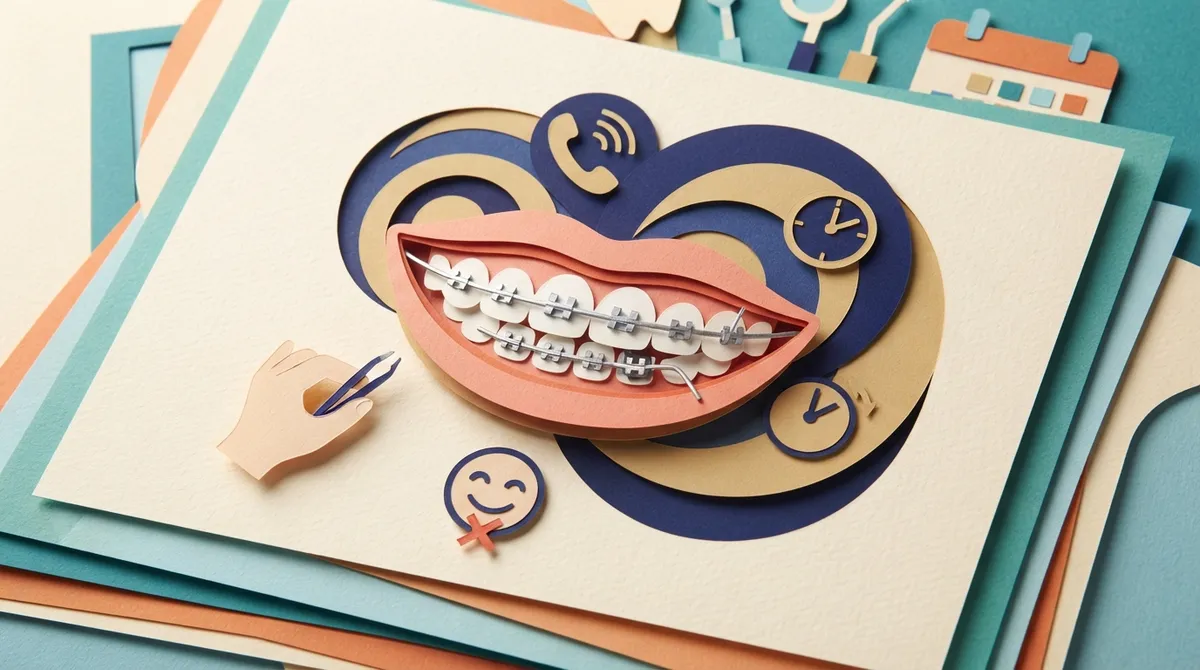
Why a Broken Brace Deserves a Phone Call
Braces work by applying gentle, steady pressure that guides teeth into place. When a bracket, band, or wire breaks, that pressure can change. The result may be irritation, discomfort, or slower progress.
Here is the good news. A damaged appliance does not always need emergency treatment. What it needs is advice from your orthodontic team, based on your symptoms and your treatment plan. A quick call lets the office decide whether you need an earlier repair visit, home-care instructions, or a fix at your next scheduled appointment.
Think of it like a flat tire. Sometimes you pull over right away. Other times you can limp to the shop. Your orthodontist helps you tell the difference.
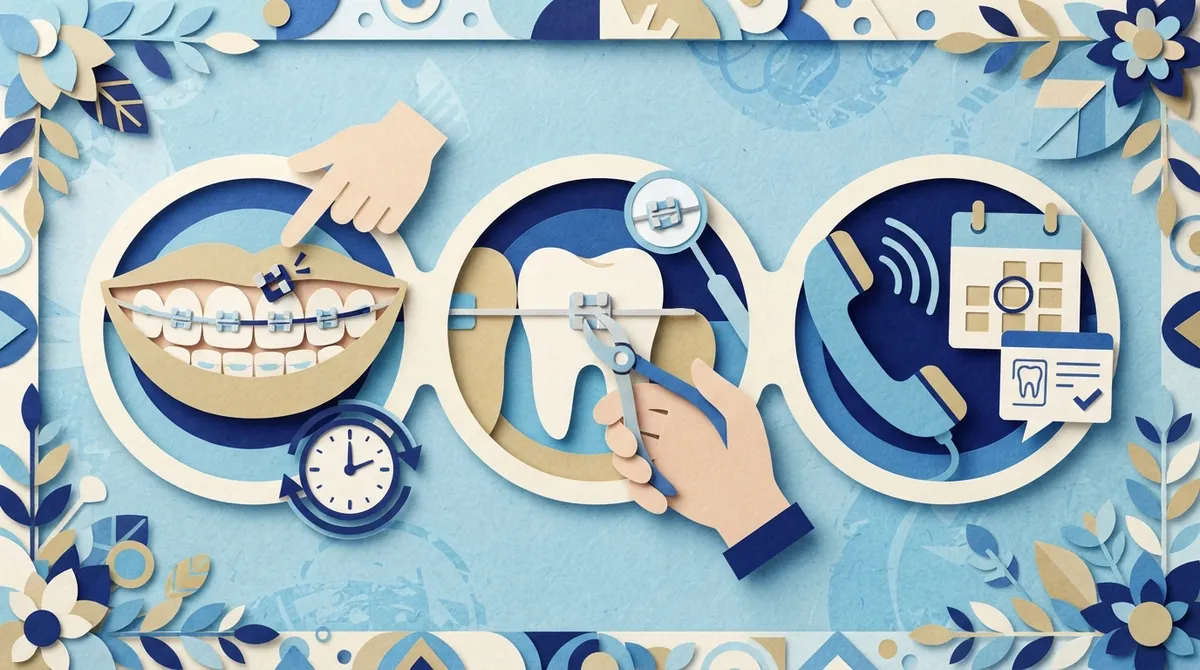
3 Signs You Should Call Your Orthodontist About Broken Braces
Not every break calls for urgent action. These three signs are the clearest signals that you should call the office soon, ideally the same day.
1. A Broken Part Is Poking or Cutting Your Mouth
A wire that slips out of place or a bracket with a sharp edge can scrape your cheeks, lips, or gums. A little irritation is normal in the first days of braces. Cuts, sores, or a stabbing feeling are not.
Call promptly if you notice:
- A wire end digging into your cheek or tongue
- A sore or cut that keeps getting worse
- A sharp edge that wax cannot cover
- Swelling or soreness in the gums near the broken part
Soft tissue injuries can get painful fast, and they can make eating and talking miserable. Your orthodontist may ask you to come in for a quick adjustment, or give you step-by-step tips to stay comfortable until you can be seen.
2. You Have Pain or Trouble Eating
Braces can make your teeth feel sore after an adjustment. That kind of general tenderness usually fades within a few days. Pain that is new, sharp, or does not settle down is different.
Give the office a call if a broken bracket, band, or wire is causing:
- Persistent pain that over-the-counter relief does not ease
- Difficulty biting or chewing even soft foods
- A tooth that feels loose or moves in a strange way
- Discomfort that keeps you up at night
If you are not sure whether your pain is normal, reaching out is always a smart choice. Our guide on braces pain and what is normal can also help you sort out typical soreness from a real problem.
3. Wax and Home Fixes Are Not Making It Comfortable
Orthodontic wax is a wonderful little tool. Most families keep a container in the bathroom, the backpack, and the car. If you cover a rough spot with wax and things settle down, you may be able to wait for a scheduled visit, depending on your orthodontist’s advice.
But if wax does not help, that is your cue to call. The same goes for a bracket that has come off completely, a band that has come loose, or a wire that keeps slipping out no matter what you try. These are signs the appliance is no longer doing its job, and your orthodontist should know.
Our post on the orthodontic emergency fixes to try before panicking walks through simple steps you can take while you wait to be seen.
Quick Guide: Call the Office or Wait for Your Next Visit?
Every case is different, and your own orthodontist always has the final word. This table gives a general idea of how urgent common problems may be.
| What Happened | Painful or Hard to Eat? | General Guidance |
|---|---|---|
| Wire poking cheek or gums | Yes | Call the office promptly |
| Wire slipped out, no pain | No | Call to ask; may be able to wait |
| Bracket loose but attached to wire | Mild | Call and ask for advice; do not pull it off |
| Bracket or band fully detached | Maybe | Call to ask if an earlier repair is needed |
| Sore spot covered easily by wax | No | Mention it at your next visit or call to check |
| Heavy bleeding or facial injury | Severe | Seek emergency care right away |
Some patient guidance from hospital orthodontic departments says a painless break may be able to wait if your next appointment is within about two weeks. But that is local guidance, not a rule for everyone. Always confirm with your own orthodontic office.
What to Do at Home While You Wait
While you are waiting to hear back or to be seen, a few safe steps can make a big difference. Keep it simple and gentle. You are not trying to be your own orthodontist here.
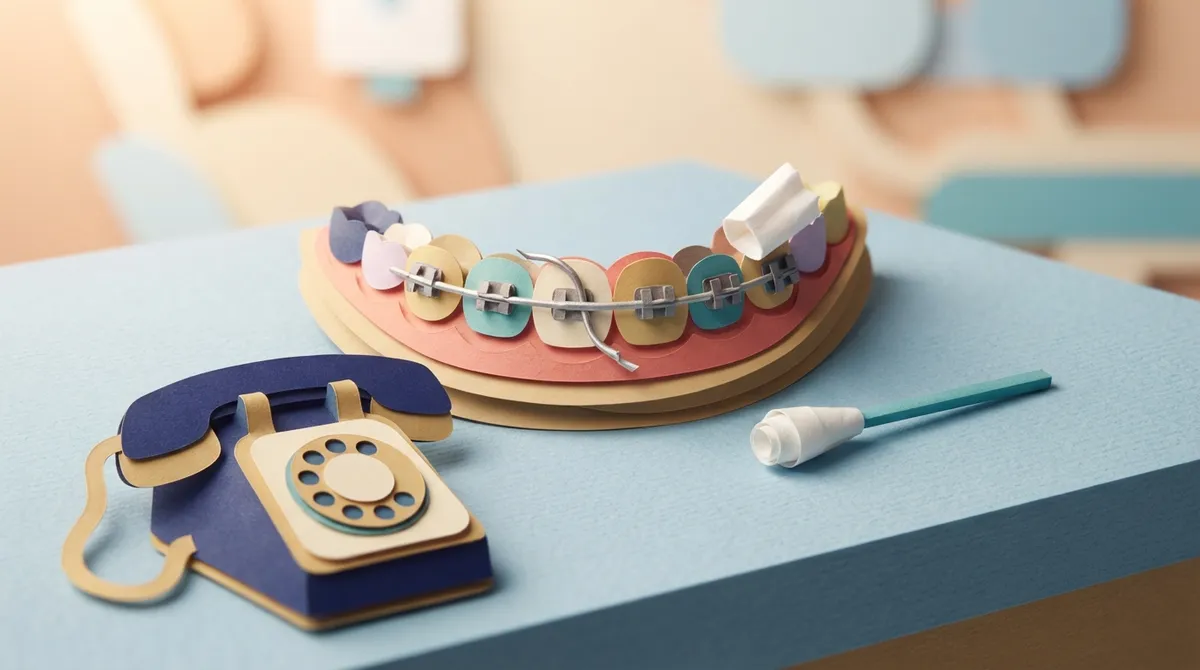
- Cover sharp spots with orthodontic wax. Pinch off a small piece, roll it into a ball, and press it over the rough area. It keeps your cheeks and lips from getting scraped.
- Gently reposition a loose wire if you can. If the wire moves easily, a clean cotton swab or the eraser end of a pencil may help nudge it toward the tooth. Do not force it.
- Leave a loose bracket alone. If it is still attached to the wire, do not pull it off. Use wax for comfort and ask your orthodontist what to do next.
- Rinse with warm salt water. This can soothe sore spots on your cheeks or gums.
- Switch to soft foods. Think yogurt, mashed potatoes, soup, scrambled eggs, and smoothies. Skip anything hard, sticky, or chewy.
- Save any pieces that come off. Place them in a small bag and bring them to your visit.
One more safety note. If a small piece has come completely loose in your mouth, remove it only if you can do so safely. The goal is to prevent anyone from accidentally swallowing or inhaling it.
It also helps to know what to avoid. Do not attempt complex repairs, do not cut a wire with scissors or nail clippers, and do not use glue. These can cause more harm than good. Our article on DIY wire fixes versus an orthodontist visit explains why professional care is almost always the better path.
When It Is Truly an Emergency
Most braces problems are uncomfortable but manageable. A few situations, though, are more serious than a routine repair. Seek emergency medical or dental care right away if you or your child has:
- Heavy or uncontrolled bleeding in the mouth
- Trouble breathing or swallowing
- A suspected broken jaw or major facial injury
- A permanent tooth that has been knocked out or badly shifted
If a broken piece may have been swallowed or inhaled and you notice coughing, choking, or breathing trouble, go to the emergency room. When in doubt, it is always better to be safe.
For everyday situations that fall somewhere in between, our guide on when you need an emergency orthodontist appointment offers more detail. You may also want to read which is a real emergency: a broken bracket or a poking wire.
Tips for Different Patients
Every family member has different worries when braces break. Here is how to think about it based on who you are.
For Parents of Kids and Teens
Kids are active, and braces break. Sports, snacks, and sleepovers all play a role. Keep a small emergency kit with wax, a travel toothbrush, and your orthodontist’s phone number. If your child plays sports, a mouthguard made for braces is a great investment. You might also enjoy our list of braces-friendly snacks for sports practice.
For Teens and Young Adults
Got prom, graduation, or a big photo coming up? Do not wait and hope. Call early so the office can plan around your event. A quick repair visit now is much easier than a surprise problem the week of your big day.
For Adult Professionals
Between meetings and deadlines, it is tempting to ignore a small break. But a broken appliance can interrupt the forces guiding your teeth, which may affect your treatment progress. A short phone call helps the office find the least disruptive solution for your schedule.
For Retreatment and Health-Conscious Patients
If you are investing in a second round of treatment or you have gum or bite concerns, protecting your results matters even more. Report any breakage quickly so your care plan stays on track.
How Broken Braces Can Affect Your Treatment
Here is something many patients do not realize. Braces are a carefully planned system. Each bracket and wire has a job, and a broken piece can throw off that plan.
Leaving a broken appliance unrepaired can:
- Slow down tooth movement
- Cause teeth to drift in the wrong direction
- Irritate or injure soft tissues
- Possibly extend your overall treatment time
That is why even a painless break is worth mentioning to your orthodontist. Frequent breakage can also stretch your timeline, which is covered in our post on orthodontic bracket mistakes that slow your progress.
How to Help Prevent Broken Braces
You cannot prevent every mishap, but a few habits go a long way. Friendly reminders:
- Avoid hard foods like nuts, ice, and hard candy
- Skip sticky treats like caramel and taffy
- Cut crunchy fruits and veggies into small pieces
- Do not chew pens, nails, or ice
- Wear a mouthguard for sports
- Brush gently and thoroughly
Not sure what is safe to eat? Our friendly food guide for braces has lots of ideas. Good daily care also protects your appliance, so take a peek at our tips on brushing mistakes that wreck braces.
What to Expect When You Call the Office
Calling can feel intimidating, but it does not need to be. The team has heard it all before, and they are there to help. When you call, it helps to be ready to share:
- What broke (bracket, wire, band, or something else)
- Where in the mouth it happened
- Whether you have pain, bleeding, or sores
- Whether you can eat comfortably
- When your next appointment is scheduled
With that information, the team can tell you if you need a repair visit, if you can handle it at home for now, or if it should wait for your regular appointment. At Brockway Orthodontics in Clearwater, Dr. Brockway and her team take the time to listen and explain your options in a friendly, easy-to-follow way. You can also read what patients say about us when you visit our Brockway Orthodontics page on Google.
For more background on orthodontic care in general, the American Dental Association offers helpful public resources, and the Florida Association of Orthodontists shares information about finding qualified orthodontic care in our state. For a national perspective on what counts as an urgent issue, the American Association of Orthodontists explains what is and is not an orthodontic emergency.
Conclusion: When in Doubt, Give Us a Call
Broken braces are a bump in the road, not the end of it. Remember the three signs: a broken part poking or cutting your mouth, pain or trouble eating, and a problem that wax and home care cannot calm. If you see any of these, call your orthodontist promptly. If something serious like heavy bleeding, breathing trouble, or a major injury happens, head to the emergency room.
For everything else, a quick call gets you clear, personal advice and helps protect your hard-earned progress. You do not have to figure it out alone. If you have a broken bracket or loose wire right now, contact us at Brockway Orthodontics and our friendly team will help you decide the best next step. Prefer to plan ahead? You can also book an appointment online and get back to smiling with confidence.
FAQs
Q: Is a broken bracket an orthodontic emergency?
A: Usually not. A broken bracket is rarely a true medical emergency, but it deserves a call to your orthodontist so they can tell you whether it needs an earlier repair visit. Call sooner if it causes pain, cuts, or trouble eating.
Q: Can I wait until my next appointment to fix a loose bracket?
A: Sometimes you can, especially if there is no pain and your next visit is coming up soon. But every case is different, so give your orthodontist a quick call. They know your treatment plan and can tell you what is safe to wait on.
Q: What should I do if a braces wire is poking my cheek?
A: Cover the sharp spot with orthodontic wax first. If the wire moves easily, you can gently nudge it toward the tooth with a clean cotton swab or pencil eraser. If it still hurts or cuts your mouth, call your orthodontist promptly.
Q: Should I pull off a loose bracket that is still on the wire?
A: No, please leave it alone. Use wax to keep it comfortable and ask your orthodontist what to do next. Pulling it off can cause more trouble than it solves.
Q: Can broken braces make my treatment take longer?
A: They can. A broken bracket or wire may interrupt the forces that guide your teeth, which can slow progress. Reporting breaks early helps your orthodontist keep your treatment moving.
Our Service Area