Key Takeaways
-
Brackets are small attachments bonded to each tooth that hold the archwire; they don't straighten teeth alone, since the wire supplies the force and the brackets transmit it to each tooth.
-
Tooth movement is gradual: sustained gentle force prompts the bone and tissue supporting your teeth to remodel, so teeth shift over time under your orthodontist's planning and adjustments.
-
Hard, sticky, and chewy foods like hard candy, ice, caramel, and whole raw apples can pop brackets off, stopping that tooth from moving as planned.
-
Contact your orthodontist's office as soon as a bracket or wire becomes loose or broken, since a loose bracket changes the force on that tooth and waiting can cost progress.
-
Brush around every bracket and along the gumline, because brackets create many spots where plaque collects and skipped cleaning can stain or irritate teeth and gums.
-
Wear elastics exactly as directed, since part-time wear or doubling them changes the force, and never fiddle with wires or brackets using fingernails or pencils.
If you’ve ever stared at a mouthful of braces and wondered, “What exactly are all those little squares doing?”, you’re in good company. Almost every patient, parent, and teen asks the same thing in the first week of treatment. The short answer is that brackets are the small attachments that link each tooth to the archwire, and that link is what makes careful, planned tooth movement possible.
Here’s the thing, though: knowing what orthodontic brackets do also helps you avoid the habits that slow treatment down. A loose bracket, a bent wire, or a skipped cleaning routine can add weeks or even months to your journey. According to the American Association of Orthodontists, an estimated 6.66 million patients were in active treatment in AAO member practices in the United States and Canada in 2024. That’s a lot of smiles in progress!
In this friendly guide, we’ll explain how brackets work, compare the main types, and walk through seven common mistakes that get in the way. Whether you’re a parent, a teen, or an adult coming back for a second round, you’ll leave knowing exactly how to protect your brackets and your results.
What Do Orthodontic Brackets Do?
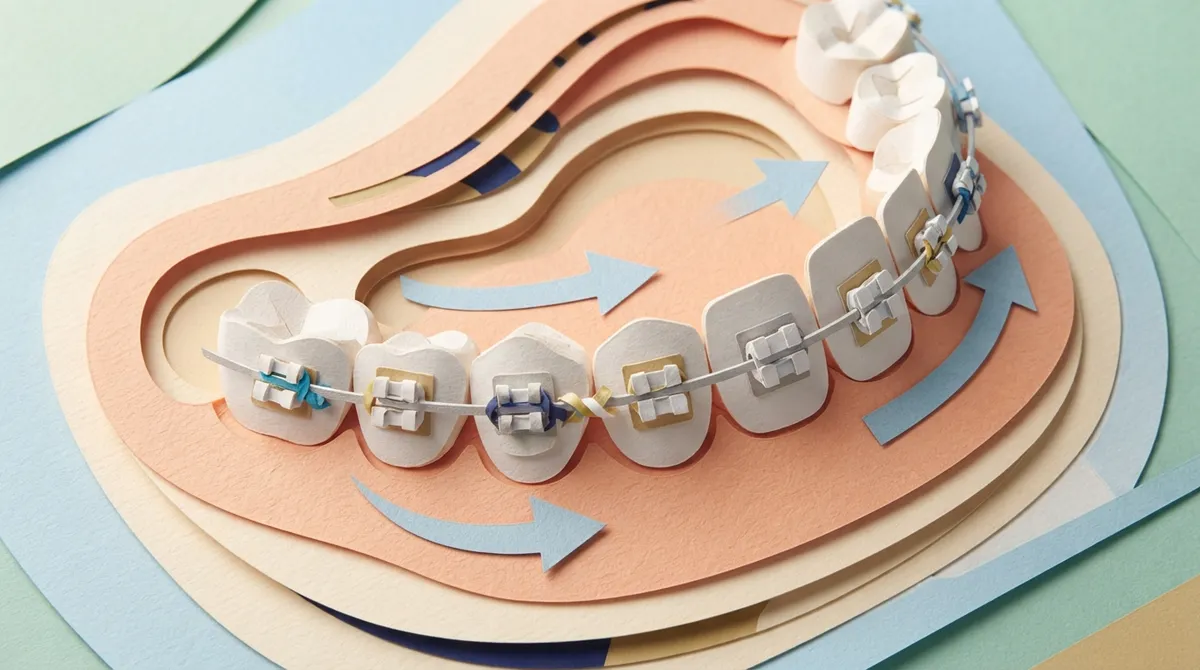
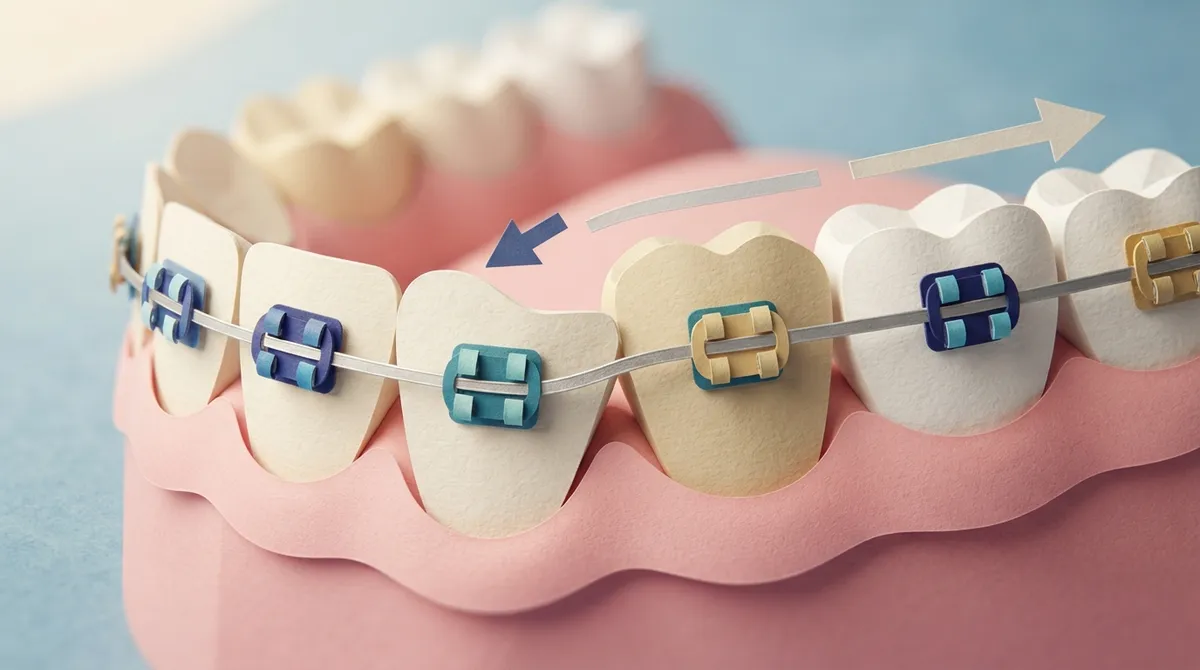
Orthodontic brackets are small attachments bonded to the surface of your teeth. In some treatments, they’re attached to bands instead. Their main job is to provide the connection between each tooth and the archwire. That’s it, and it’s a big deal.
Brackets do not straighten teeth by themselves. Think of them like the hooks on a coat rack. The rack doesn’t move your coat, but without the hooks, nothing stays where it’s supposed to. The archwire fits into a slot in each bracket and supplies the forces. The brackets hold the wire, engage it, and help your orthodontist direct each tooth in the planned direction.
The Three Jobs of a Bracket
- Anchor the wire: The slot holds the archwire securely against each tooth.
- Transmit force: Brackets help pass the wire’s gentle pressure to individual teeth.
- Guide direction: The slot and its orientation help your orthodontist control how each tooth moves.
Many brackets also have small hooks. These can hold elastics (rubber bands) that add force to correct bite relationships. Those hooks have a different role from the bracket’s basic job of holding and engaging the wire.
How Brackets and Archwires Work Together
This is where the magic happens. The wire is shaped to match the planned position of your teeth. When it’s tied into the brackets, it gently pushes and pulls each tooth toward that position.
Tooth movement is gradual. Sustained, gentle force prompts the bone and tissues that support your teeth to remodel, which lets teeth shift over time. Your orthodontist plans this process, watches your progress, and adjusts the appliance as treatment moves along. You can learn more about how wires work in the AAO’s archwire essentials guide.
If you’d like a deeper walk-through of the whole process, our article on how orthodontists fix smiles step by step covers it nicely.
A Simple Step-by-Step Look
- Your orthodontist bonds a bracket to each tooth.
- An archwire is placed into the bracket slots.
- The wire is held in place with small elastic rings, metal ties, or a built-in clip.
- The wire’s gentle force moves teeth toward their planned positions.
- At adjustment visits, your orthodontist changes wires or other parts as needed.
Types of Orthodontic Brackets
Not all brackets are the same. The right choice depends on your needs and your orthodontist’s assessment. Here’s a quick comparison.
| Bracket Type | Material | How It Holds the Wire | Good to Know |
|---|---|---|---|
| Conventional metal | Stainless steel | Elastic rings or metal ties | Durable and widely used |
| Ceramic (clear) | Tooth-colored ceramic | Elastic rings or ties | Blends in more with teeth |
| Self-ligating | Metal or ceramic | Built-in clip or door | A design difference, not a speed guarantee |
| Lingual | Varies | Placed on tongue-facing surfaces | Hidden from view; depends on assessment |
Metal vs. Ceramic Brackets
Stainless steel brackets are strong and reliable. Ceramic brackets are tooth-colored, so many teens and adult professionals like them for a more discreet look. Both can do the job well. To weigh them side by side, check out metal vs. ceramic braces.
Conventional vs. Self-Ligating
Conventional brackets use small elastic rings or metal ligatures to hold the wire. Self-ligating brackets use a built-in clip or door. It’s a design difference. It isn’t a guarantee of faster or better treatment, so be careful with big promises. Curious about this option? Read how to know if self-ligating brackets fit your smile.
7 Orthodontic Bracket Mistakes That Slow Your Progress
Now for the part that really matters. These are the habits that most often cause delays, extra visits, or frustration. The good news? Every one of them is easy to fix.
1. Eating Foods That Pop Brackets Off
Hard, sticky, and chewy foods are the number one bracket breakers. Think hard candy, ice, caramel, and whole raw apples bitten straight in. A bracket that pops off can’t do its job, which means that tooth stops moving as planned. Follow your orthodontist’s food guidance, and swap in softer choices. Our friendly food guide for braces has plenty of ideas.
2. Skimping on Cleaning Around Brackets
Brackets create lots of little spots where plaque loves to hide. Skipping thorough brushing can lead to stained or irritated teeth and gums, and that can complicate treatment. Brush around every bracket and along the gumline, and use the cleaning tools your orthodontist recommends. Not sure about technique? Try how to brush teeth with braces.
3. Poking or Bending the Wire and Brackets
It’s tempting to fiddle with a loose wire using a fingernail or pencil. Please don’t! Poking can bend the wire or loosen a bracket. If something feels sharp, orthodontic wax is a safe temporary comfort measure until your visit.
4. Ignoring a Loose or Broken Bracket
A loose bracket won’t hold the wire correctly, so the force on that tooth changes. Waiting weeks “to see if it settles” can mean lost progress. Contact your orthodontist’s office as soon as a bracket or wire becomes loose or broken. If you’re unsure whether it’s urgent, our guide on broken bracket vs. poking wire can help you decide.
5. Skipping or Missing Adjustment Appointments
Brackets and wires only work well when they’re monitored and adjusted. Missed visits can leave teeth sitting under the same wire for too long, or let small problems grow. Keeping your appointments is one of the simplest ways to stay on schedule.
6. Using Elastics the Wrong Way
If your orthodontist gives you elastics, they’re doing important bite work by connecting brackets on the upper and lower teeth. Wearing them part-time, or doubling them up, changes the force. Wear them exactly as directed and keep spares handy. For more on this, see 3 rubber band mistakes that slow your braces.
7. Choosing a Bracket Type Without a Proper Assessment
Picking brackets only for looks, or because a friend loved theirs, can backfire. The right appliance and treatment plan depend on an orthodontic assessment of your teeth, bite, and goals. A thorough evaluation helps match you with the option that fits. Before your visit, it helps to read 7 mistakes to avoid when choosing orthodontic treatment.
What Different Patients Should Know
Brackets can feel a little different depending on who’s wearing them, so here are a few friendly pointers.
- Parents: Help younger kids stick with cleaning routines and pack braces-friendly snacks. Our tips for supporting teen oral hygiene are a great start.
- Teens and young adults: Ceramic brackets can feel less noticeable, and colorful ties on metal brackets can be fun. Just stay careful with sports and snacks.
- Adult professionals: Discreet options may fit a busy career. The AAO reported approximately 1.91 million adults treated by its U.S. members in 2024, up from about 1.64 million in 2022, so you’re far from alone.
- Relapse patients: If your teeth shifted after earlier treatment, brackets can be part of a retreatment plan, depending on your assessment.
- Health-conscious patients: If you have gum concerns or complex needs, share them early so your plan can be customized.
Caring for Your Brackets Day to Day
A little daily care goes a long way. Good hygiene and smart food choices protect both your teeth and your appliance.
- Brush after meals and before bed, angling the brush toward the gumline and the bracket edges.
- Clean between teeth and under the wire with the tools your orthodontist suggests.
- Skip hard, sticky, and very chewy foods.
- Wear a mouthguard for sports.
- Call the office if anything loosens, breaks, or hurts more than expected.
You can also read the AAO’s tips for living with braces for more everyday advice. And since keeping a smile healthy matters during treatment, our piece on keeping a healthy smile during braces is worth a look.
Why Local, Personalized Care Matters
Every smile is different, which is why your bracket choice and wire plan should be too. At Brockway Orthodontics in Clearwater, Florida, Dr. Brockway takes the time to listen, explain your options in plain language, and build a plan around your goals. We offer metal braces, ceramic (clear) braces, and Spark™ Clear Aligners for kids, teens, and adults. If you’d like to hear what our patients say, you can visit us on Google — Brockway Orthodontics.
You can also verify credentials and find general oral health information through trusted organizations like the American Dental Association and the Florida Association of Orthodontists.
Wrapping Up: Brackets Are Small but Mighty
So, what do orthodontic brackets do? They connect each tooth to the archwire, hold the wire in place, and help your orthodontist guide every tooth toward its planned position. They don’t do the work alone, but without them, the system doesn’t work. Avoiding the seven mistakes above keeps that system running smoothly and helps you reach your finish line on time.
Have questions about your brackets, or curious which option fits your smile? We’d love to meet you. Book your appointment online and let’s talk about your goals, or contact us with any questions. Your best smile is closer than you think!
FAQs
Q: What do orthodontic brackets do?
A: Orthodontic brackets are small attachments bonded to your teeth that connect each tooth to the archwire. They hold and engage the wire and help your orthodontist direct tooth movement. Brackets alone don’t straighten teeth, though. It’s the wire and brackets working together that does the job!
Q: Do brackets move teeth by themselves, or does the wire do the work?
A: Great question! The archwire supplies the gentle forces, while the brackets hold the wire and help pass that force to each tooth. Think of them as a team. Your orthodontist plans and adjusts both so your teeth shift gradually and safely.
Q: Are ceramic brackets as effective as metal brackets?
A: Both can work well, and the best choice depends on your needs and your orthodontist’s assessment. Ceramic brackets are tooth-colored, so they’re less noticeable, while metal brackets are known for durability. A quick conversation with your orthodontist can help you pick what fits.
Q: What should I do if an orthodontic bracket comes loose?
A: Don’t panic! Call your orthodontist’s office as soon as you can so they can advise you on next steps. Until your visit, orthodontic wax can ease any irritation, and avoiding hard or sticky foods helps protect the rest of your braces.
Q: How do I clean my teeth around braces brackets?
A: Brush after meals and before bed, angling your brush toward the gumline and the edges of each bracket. Use the cleaning tools your orthodontist recommends to reach between teeth and under the wire. Following your orthodontist’s cleaning and food guidance keeps both your teeth and your braces in great shape.
Our Service Area