Key Takeaways
-
Follow your orthodontist's specific wear schedule exactly as prescribed; research shows this matters more than guessing your own plan, and never change it without consulting your provider first.
-
Remove your retainer before eating or drinking anything except water, as sugary drinks, coffee, and acidic sodas can get trapped and cause decay, staining, and odors.
-
Clean your retainer daily with cool water and a soft toothbrush, avoiding hot water, whitening toothpaste, bleach, and dishwashers which can warp or damage the plastic.
-
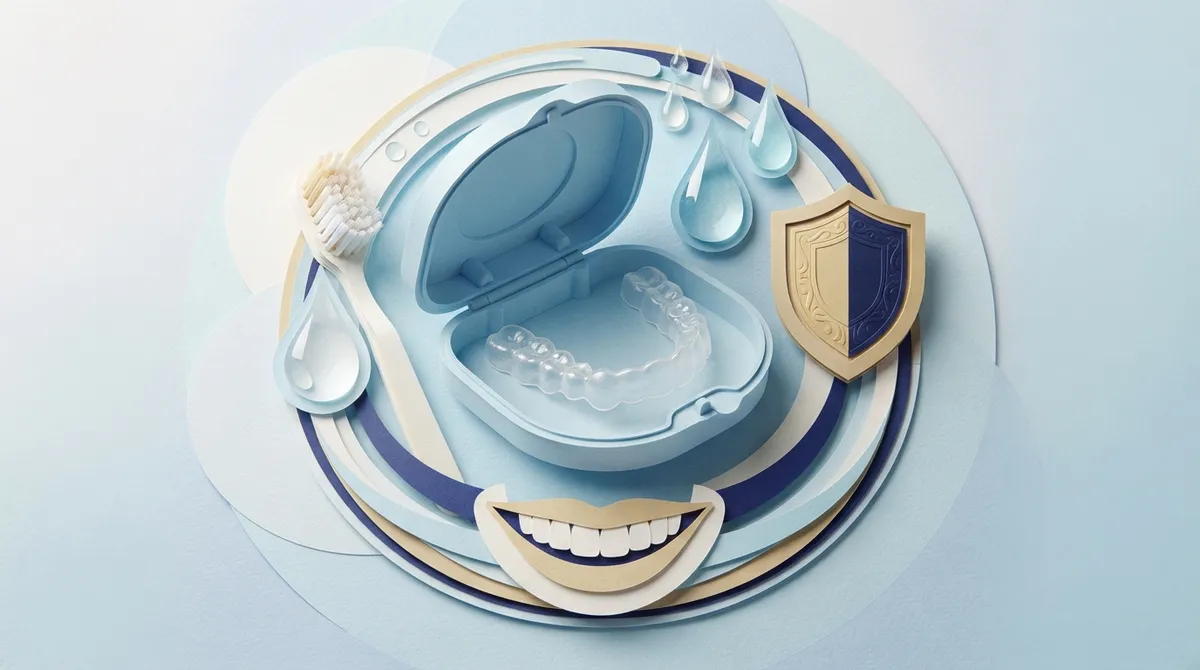
Always store your retainer in its protective case immediately after removing it to prevent loss, damage, crushing, or pet chewing—a single routine prevents costly problems.
-
Watch for warning signs like sudden tightness or looseness indicating tooth shifting, and contact your orthodontist immediately if your retainer cracks, warps, or fits poorly.
-
Replace your Essix retainer every one to two years as the plastic ages and degrades; early replacement prevents teeth from shifting when a damaged retainer no longer holds properly.
So your braces just came off, or maybe you finished your last set of clear aligners, and now your orthodontist handed you a thin, clear piece of plastic called an Essix retainer. Congratulations! That smile you worked so hard for is finally here. But here’s the thing nobody tells you enough: getting straight teeth is only half the journey. Keeping them straight is the other half, and that little clear retainer is your secret weapon.
At Brockway Orthodontics in Clearwater, we see it all the time. Patients finish treatment, feel amazing, and then get a little too relaxed about wearing their retainer. Teeth are sneaky. They can shift back toward their old positions faster than you’d think, especially in the first few months after treatment. That’s why we want to walk you through everything you need to know about your Essix retainer, from how to wear it to how to keep it clean and lasting as long as possible.
Whether you’re a parent helping your teen remember to wear theirs, an adult who just finished Spark™ Clear Aligners treatment, or someone dealing with relapse from years ago, this guide has you covered. Let’s dig into six practical, easy-to-follow tips that will help your Essix retainer do its job.
What Exactly Is an Essix Retainer?
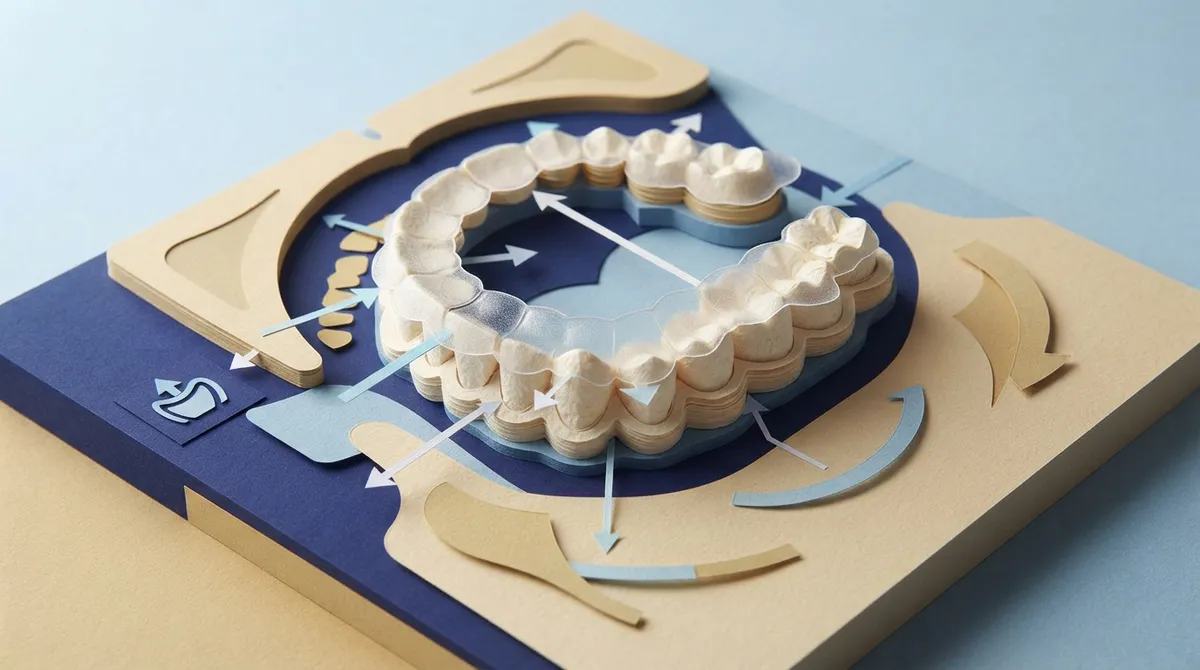
An Essix retainer is a clear, removable retainer made from thin plastic. It’s molded to fit snugly over your teeth using a digital scan or a mold taken right after your braces or aligners come off. Think of it like a very precise, custom-fit mouthguard, except its job is to hold your teeth in place instead of protecting them from impact.
These retainers are popular for good reason. They’re nearly invisible, comfortable, and easy to pop in and out for meals or brushing. Many of our patients love that nobody can tell they’re wearing one at all, which makes it a great fit for teens heading back to school or professionals in client-facing jobs.
- Made from clear, vacuum-formed plastic molded to your exact teeth
- Fully removable, unlike a permanent bonded wire retainer
- Custom-made after braces or clear aligner treatment
- Easy to clean and simple to store
- Nearly invisible when worn
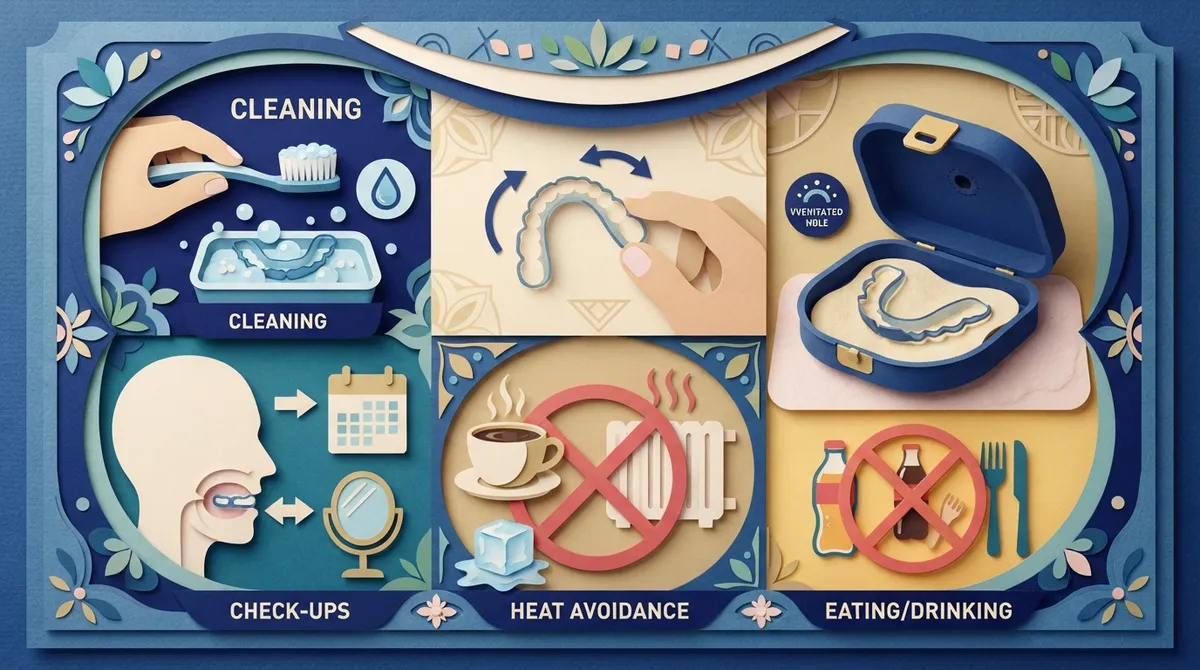
6 Essix Retainer Tips Every Patient Should Follow
1. Stick to Your Orthodontist’s Wear Schedule
This is the single most important tip on this list. Your orthodontist will give you a specific wear schedule based on your treatment and how likely your teeth are to shift back. Many patients start with full-time wear, meaning all day and night except for eating, and then move to nighttime-only wear after a few months.
Research backs this up too. A systematic review of vacuum-formed retainer wear protocols looked at several studies comparing full-time versus part-time wear. It found no major differences in tooth alignment between the two approaches during the study periods, though the researchers noted the evidence certainty was moderate. Still, this doesn’t mean you get to skip wear altogether. It means following your orthodontist’s specific plan matters more than guessing on your own.
Never change your wear schedule without talking to your provider first. If you’re unsure what your plan should look like, our team can walk you through it during a follow-up visit.
2. Take It Out Before You Eat or Drink Anything But Water
Essix retainers should come out for meals and most beverages. Sugary drinks, coffee, tea, and acidic sodas can get trapped between the plastic and your teeth. That trapped liquid can lead to decay, staining, and honestly, some pretty bad odors over time.
Water is the one exception. Sip away with your retainer in. But for everything else, take it out, eat or drink, then brush before popping it back in. This simple habit protects both your teeth and your retainer.
3. Clean It the Right Way, Every Day
Cleaning your retainer daily keeps it clear, fresh, and free of bacteria. Use cool or lukewarm water and a soft toothbrush. You can also use a retainer-cleaning product recommended by your orthodontist for a deeper clean a few times a week.
Here’s what to avoid:
- Hot or boiling water, which can warp the plastic shape
- Whitening or abrasive toothpaste, which can scratch the surface
- Alcohol-based mouthwash or bleach-based cleaners
- Dishwashers or washing machines (yes, this happens more than you’d think)
The American Dental Association recommends gentle, consistent oral hygiene habits for all removable appliances, and the same logic applies here. A little daily care goes a long way toward keeping your retainer clear and odor-free.
4. Store It Safely When It’s Not in Your Mouth
This tip sounds simple, but it’s the one patients mess up the most. Retainers left on napkins, in pockets, or loose in a backpack get lost, crushed, or chewed by curious pets. We’ve heard some wild stories over the years.
Always use the protective case your orthodontist gives you. Get in the habit of placing your retainer in its case the second it comes out of your mouth. This one small routine can save you a lot of money and hassle down the road.
5. Watch for Warning Signs of a Poor Fit
An Essix retainer should feel snug but not painful. If it suddenly feels tight, that could mean your teeth have already started shifting. If it feels loose or doesn’t seat fully anymore, that’s also worth mentioning to your orthodontist.
Never force an ill-fitting retainer into place. This can cause discomfort, bend the plastic, or even damage your teeth. If your retainer cracks, warps from heat exposure, or simply stops fitting right, reach out to your orthodontic team as soon as possible. Waiting too long can allow more shifting to happen, which may require additional treatment to correct.
6. Know When It’s Time for a Replacement
Essix retainers don’t last forever. Daily wear, cleaning, and normal aging of the plastic mean most retainers need replacing every one to two years, sometimes sooner depending on how well they’re cared for. Cloudy plastic, small cracks, or a fit that feels off are all signs it’s time for a new one.
Don’t wait until it breaks completely. A damaged retainer that no longer holds your teeth properly defeats the whole purpose of wearing one. Our team at Brockway Orthodontics can take new scans and get you a replacement without much delay.
Essix Retainers vs. Other Retainer Types
Patients often ask how Essix retainers stack up against Hawley retainers or permanent bonded retainers. The honest answer is that no single option is best for everyone. It depends on your bite, your treatment history, your hygiene habits, and how likely you are to actually wear it consistently.
| Retainer Type | Visibility | Removable? | Best For |
|---|---|---|---|
| Essix (Clear Plastic) | Nearly invisible | Yes | Patients wanting a discreet, easy-to-clean option |
| Hawley (Wire and Acrylic) | Visible metal wire | Yes | Patients needing durability and minor adjustments |
| Bonded (Fixed Wire) | Hidden behind teeth | No | Patients with higher relapse risk or who may forget removable retainers |
A 2014 systematic review comparing vacuum-formed and Hawley retainers reviewed 89 articles but found only 7 that met strict research criteria. The conclusion was that evidence wasn’t strong enough to say one type was clearly better for patient satisfaction, cost, or how long the retainer lasts. In other words, it often comes down to personal preference and your orthodontist’s recommendation.
A more recent 2022 review comparing vacuum-formed retainers to lingual bonded retainers found no significant differences in measurements like tooth alignment or arch width. Interestingly, it noted more reports of discomfort and speech difficulty with vacuum-formed retainers, but easier hygiene maintenance compared to bonded options. Another 2022 review found bonded retainers were more effective for lower-arch stability in the first few months and over several years, while both types performed similarly for the upper arch.
Common Mistakes That Shorten Your Retainer’s Life
We see the same handful of mistakes over and over. Avoiding these will help your retainer last longer and work better.
- Leaving the retainer in a hot car, which can warp the plastic within minutes
- Wrapping it in a napkin during meals, where it often gets thrown away by accident
- Skipping cleaning for days at a time, allowing bacteria to build up
- Biting down hard to force it into place instead of gently adjusting it
- Ignoring a cracked or ill-fitting retainer instead of calling your orthodontist
- Letting pets near the retainer case, since dogs especially love chewing on them
Why Retention Matters So Much
Teeth are living structures held in place by ligaments and bone that are constantly remodeling. Even after your teeth look perfectly straight, those tissues need time to stabilize. Without consistent retainer wear, teeth can slowly drift back toward their original positions, sometimes within just a few months.
This is why orthodontists across the country, including members of organizations like the Florida Association of Orthodontists, emphasize long-term retention as a core part of orthodontic care. It’s not an optional add-on. It’s the step that protects everything you’ve already invested in your smile.
Orthodontic Relapse: What to Do If Your Teeth Have Shifted
If you had braces years ago and stopped wearing your retainer, you might notice your teeth have moved again. This is incredibly common and nothing to feel embarrassed about. Life gets busy, retainers get lost, and teeth do what teeth do.
The good news is you have options. Depending on how much shifting has occurred, treatment might involve a new set of clear aligners, a short round of braces, or in mild cases, a new retainer alone. Our adult treatment options are designed for exactly this kind of situation, helping you get back to the smile you worked hard for the first time around.
How Brockway Orthodontics Supports Your Retention Journey
Dr. Brockway and her team believe your orthodontic journey doesn’t end when your braces come off. We take time to explain your retainer options clearly, using digital scans instead of messy molds whenever possible. This makes the process faster and more comfortable, especially for kids and teens who might be nervous about the process.
We also offer retainer services for patients who need replacements, adjustments, or guidance on proper care. Whether you’re a parent managing your teen’s treatment, a busy professional who wants a discreet option, or someone returning after years without orthodontic care, our Clearwater office is ready to help. You can even check out what real patients say by visiting our Brockway Orthodontics location on Google to see reviews from families just like yours.
Curious about how we can support your family’s smile goals? Follow our updates and patient stories on Instagram or connect with us on Facebook for tips, before-and-after photos, and community events happening around Clearwater.
Quick Checklist for Everyday Essix Retainer Care
- Wear it exactly as prescribed by your orthodontist
- Remove it before eating or drinking anything besides water
- Clean it daily with cool water and a soft brush
- Store it in its case every single time it comes out
- Avoid heat sources like hot cars, dishwashers, or boiling water
- Call your orthodontist if it cracks, warps, or stops fitting well
Ready to Protect Your Smile for the Long Run
Your smile is worth protecting, and a little daily effort with your Essix retainer goes a long way. Whether you’re just finishing treatment or you’re dealing with relapse from years past, Dr. Brockway and her team are here to guide you every step of the way. We treat patients of all ages throughout Clearwater and love building relationships with local families who trust us with their smiles.
Ready to talk about your retainer options or schedule a check-up? Book your appointment online today and let’s make sure your smile stays as beautiful as the day your braces came off.
FAQs
Q: How long should I wear an Essix retainer after braces?
A: Most orthodontists recommend full-time wear for the first few months, then switching to nighttime-only wear long term. Your exact schedule depends on your treatment, so always follow what Dr. Brockway and her team recommend for you specifically.
Q: Can I eat or drink while wearing an Essix retainer?
A: You should take it out for all food and most drinks, sticking to water only while it’s in. Sugary or acidic beverages can get trapped underneath and lead to decay or bad smells, so it’s best to play it safe.
Q: How long does an Essix retainer last before it needs replacing?
A: Most Essix retainers last one to two years with proper care, though this varies based on how often you wear it and how well you clean it. Once you notice cracks, cloudiness, or a loose fit, it’s time to get a replacement.
Q: What should I do if my Essix retainer no longer fits?
A: Don’t try to force it into place, since that can cause discomfort or damage. Give our office a call so we can check whether your teeth have shifted and figure out the best next step together.
Q: Are Essix retainers better than Hawley or permanent retainers?
A: There’s no single best option for everyone. Research shows all three types can work well depending on your bite, relapse risk, and how consistent you are with wear, so it really comes down to your specific situation and preference.
Our Service Area