Key Takeaways
-
Help your teen understand their treatment plan and attend appointments together, encouraging them to ask questions, since teens who feel informed are more likely to follow instructions and stay motivated.
-
Keep a small cleaning kit in your teen's backpack with a soft toothbrush, fluoride toothpaste, interdental brushes, and a travel case, and schedule professional cleanings at least every six months.
-
Stock soft, cold foods like yogurt, smoothies, and applesauce before adjustment appointments, since mild soreness is common for a few days, and avoid hard, sticky, or crunchy foods that can damage braces.
-
Treat the retainer as part of treatment: always store it in its case, never in a napkin, and contact the orthodontist right away if it's lost, damaged, or no longer fits, because waiting can let teeth drift.
Let’s be honest: getting braces as a teenager is a big deal. There are new foods to figure out, new brushing habits to learn, and maybe a few worries about what friends will think. If you’re a parent, you might feel a little unsure about how much to help and how much to step back. That’s totally normal!
The good news? Supporting a teen through orthodontic treatment doesn’t have to be stressful. With a few simple strategies, you can help your teen feel confident, stay on track, and end up with a smile they love. According to the NHS, orthodontic treatment commonly begins around age 12, once most adult teeth have come through, so many families are walking this road together.
Here at Brockway Orthodontics, we love seeing families work as a team. Below, you’ll find six practical, friendly ways to help your teen thrive from the first appointment to the day they get a retainer. Whether your teen is choosing braces or Spark™ Clear Aligners, these tips will help.
1. Help Your Teen Understand the Plan
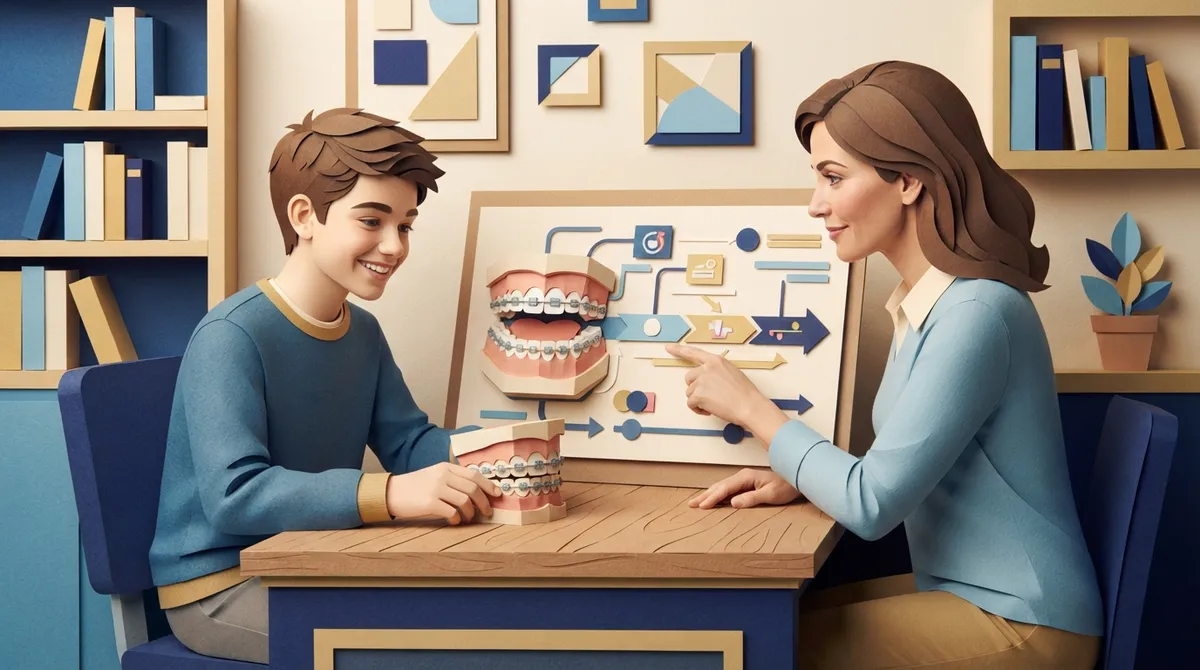
Teens do best when they know what’s happening and why. Treatment feels much less scary when it isn’t a mystery. When your teen takes an active role, they’re more likely to follow instructions and stay motivated.
Start With a Good First Visit
Bring your teen to the first appointment and encourage them to ask questions. It’s their smile, after all! Our first visit guide explains what to expect, so there are no surprises.
Talk It Through at Home
After each visit, ask your teen simple questions like these:
- What did the orthodontist say about your progress?
- Is there anything new you need to do this month?
- Do you have any questions I can help you ask next time?
This builds good habits and shows your teen that you’re on their side. It also helps them practice speaking directly with the orthodontic team, which is a skill that pays off during treatment.
2. Build a Simple Daily Cleaning Routine
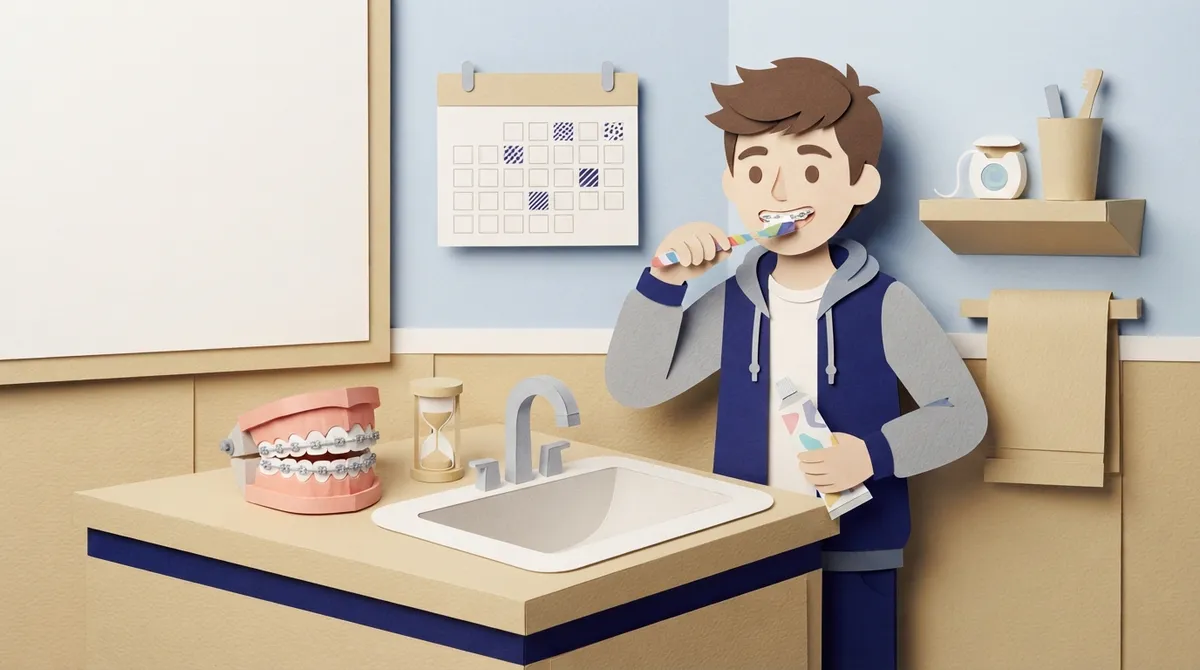
Braces make it harder to remove plaque, so brushing and cleaning take a little more effort. The NHS advises brushing with fluoride toothpaste in the morning, at night, and after meals, along with daily interdental cleaning. That’s a lot for a busy teen to remember!
Make It Easy to Succeed
Set your teen up with the right tools and a spot to use them. Consider keeping a small kit in their backpack so they can freshen up after lunch.
- A soft-bristled toothbrush (or an electric one, if your orthodontist agrees)
- Fluoride toothpaste
- Interdental brushes or floss threaders
- A travel-size case for school
For a deeper dive, check out our friendly tips on how to brush teeth with braces. You can also share our guide to smart brushing steps with your teen.
Keep Up With Dental Checkups
Routine cleanings still matter during treatment. The American Association of Orthodontists (AAO) advises professional dental cleanings at least every six months, or more often if your dental professional recommends it. Don’t skip them, even when the schedule gets busy.
3. Make Food Choices Easier
Food is often the biggest adjustment for teens. Hard, sticky, crunchy, and chewy foods can damage fixed braces. The trick is to focus on what your teen can eat, not just what’s off the menu.
The First Few Days Are the Toughest
Mild tooth soreness is common for a few days after braces are fitted or adjusted. Soft and cold foods can bring real comfort during this time. Stock up before the appointment so your teen has good options ready.
| Food Type | Good Choices | Better to Avoid |
|---|---|---|
| Snacks | Yogurt, soft cheese, bananas | Hard pretzels, popcorn, ice |
| Meals | Pasta, soup, mashed potatoes, eggs | Tough steak, crusty bread |
| Sweets | Smoothies, pudding, soft cookies | Caramel, taffy, gummy candy |
| Fruits and Veggies | Applesauce, steamed carrots, berries | Whole raw apples, raw carrot sticks |
Cutting suitable foods into small pieces makes eating much easier, especially after adjustments. Limiting sugary foods and drinks also helps lower the risk of tooth decay. Our friendly food guide has plenty of ideas, and our list of foods to avoid makes a great fridge reminder.
4. Handle Soreness and Little Emergencies Calmly
Every teen hits a bump or two during treatment. A poking wire here, a rubbing bracket there. Knowing what to do ahead of time keeps everyone calm.
Easing the Soreness
Soreness usually fades within a few days. In the meantime, here’s what often helps:
- Offer soft, cold foods like yogurt or smoothies.
- Apply orthodontic wax to any spot that rubs the cheeks or lips.
- Use pain medicine only as appropriate for your teen, following the label or a clinician’s advice.
- Call our office if the pain lasts or seems to be getting worse.
When Something Breaks
If a bracket comes loose or a wire starts poking, resist the urge to fix it with DIY tricks. Keep orthodontic wax handy for temporary relief and give the practice a call. Not sure what counts as urgent? Our guide on broken brackets vs. poking wires can help, and you can read more about emergency vs. routine orthodontics too.
5. Keep Sports, Music, and Social Life Going
Braces shouldn’t take your teen away from the things they love. A little planning goes a long way.
Sports and Mouthguards
Sports participation doesn’t necessarily have to stop. However, teens with braces should ask their orthodontist about a suitable mouthguard. A good guard protects both the teeth and the soft tissue inside the mouth. Check out our tips on braces and sports for more.
Wearing Elastics and Removable Appliances
If your orthodontist prescribes elastics or a removable appliance, wearing it as directed is really important. Missed wear or missed appointments can slow things down. Here are a few ways to help your teen remember:
- Pair elastic changes with a daily habit, like brushing teeth.
- Keep spare elastics in a backpack, car, and bedroom.
- Use a phone reminder or a simple checklist on the bathroom mirror.
- Ask the orthodontist what to do if an appliance is lost or broken instead of improvising.
Boost Their Confidence
Some teens feel shy about braces, and that’s okay. Remind them that they’re building a smile they’ll have for life. If they’d like something more discreet, our adolescent treatment options include ceramic braces and clear aligners. You can also explore teen braces in Clearwater to see the style choices available.
6. Plan for the Finish Line With Retainers
Here’s something many families don’t realize: retention is part of treatment. When the braces come off, retainers help keep teeth from shifting back. Skipping this step is one of the most common reasons smiles change over time.
Retainer Habits That Last
Follow the orthodontist’s wear and cleaning instructions exactly. Teach your teen to store removable retainers safely, always in their case and never wrapped in a napkin. Napkins have a funny way of ending up in the trash!
If a retainer is lost, damaged, painful, or no longer fits, contact the practice right away. Waiting can let teeth drift. Learn more about retainers and what to do if your retainer breaks. When the big day arrives, our guide on how to wear a retainer after braces keeps everyone on track.
A Quick Parent Checklist
Here’s a simple way to stay organized throughout treatment:
- Attend every appointment, and ask questions together.
- Keep a cleaning kit at home and at school.
- Stock up on soft foods before adjustment days.
- Keep orthodontic wax within reach.
- Check in about elastics or appliances each week.
- Protect smiles with a mouthguard during sports.
- Treat the retainer as part of the plan, not an afterthought.
Why Families Choose Brockway Orthodontics
Parents often tell us that the right team makes all the difference. At Brockway Orthodontics, Dr. Brockway takes time to listen to your teen’s concerns and dreams for their smile. We use modern tools like digital impressions and 3D imaging, so visits stay comfortable. In certain cases, we can even offer same-day treatments, which is a lifesaver for busy families.
We’re proud to serve families across Clearwater, and we’d love to hear how we’re doing. You can see what our Brockway Orthodontics families say on Google. For more on dental standards and oral health, the American Dental Association is a trusted resource, and you can learn more about orthodontic professionals through the Florida Association of Orthodontists.
Ready to Start Your Teen’s Smile Journey?
Supporting your teen doesn’t mean doing everything for them. It means cheering them on, helping with routines, and being there when things feel tricky. With the right habits and a caring team, your teen can sail through treatment and be proud of the result.
Ready to take the first step? Book your teen’s free consultation online and let’s chat about the best path forward. Have questions first? Feel free to contact us. We can’t wait to meet your family!
FAQs
Q: How can I help my teenager adjust to braces?
A: Start by helping them understand the treatment plan and encouraging them to ask questions at appointments. Set up a simple cleaning routine, stock soft foods for the first few days, and cheer them on. A little patience and a lot of encouragement go a long way!
Q: How long does soreness last after braces are fitted or adjusted?
A: Mild soreness is common and usually fades within a few days. Soft, cold foods and orthodontic wax can help in the meantime. If the pain lasts or gets worse, give our office a call so we can take a look.
Q: Can teens play sports while wearing braces?
A: Yes, in most cases! Sports don’t need to stop, but your teen should ask their orthodontist about a mouthguard that fits over braces. Keep orthodontic wax handy and call us if anything breaks or feels uncomfortable.
Q: What should we do if a bracket or wire breaks?
A: Don’t panic, and skip the DIY fixes. Use orthodontic wax for temporary relief if a wire is poking, then contact our office for advice. We’ll let you know whether it needs a quick visit or can wait until the next appointment.
Q: How important is wearing orthodontic elastics as prescribed?
A: Very important! Elastics help move teeth and fix bite issues, and skipping them can slow progress. If your teen forgets sometimes, try pairing elastic changes with a daily habit like brushing, and ask us if you need extra tips.
Our Service Area