Key Takeaways
-
Set a simple, predictable brushing routine with teen input: brush twice daily with fluoride toothpaste, clean above and below each bracket, and floss once a day.
-
Keep supplies stocked at home and in a travel kit for backpacks or lockers, since tools that are always within reach make consistency much easier.
-
Support without micromanaging: use gentle reminders, quick check-ins, and praise for consistency rather than nagging or shaming missed brushing.
-
Limit sugary snacks and sipping sweet or acidic drinks between meals, and choose water, since frequent sugar exposure feeds plaque that is harder to clean around braces.
-
Remember that clear aligners need brushing before reinserting trays, water-only drinks while worn, and regular cleaning, because aligners do not replace daily oral care.
-
Keep both orthodontic and dental cleanings on the calendar and call the dental team early for bleeding gums, white spots, persistent pain, or loose brackets.
Let’s be honest: getting a teenager to do anything consistently can feel like herding cats. Add braces or clear aligners to the mix, and daily tooth care gets even trickier. Brackets, wires, and tiny spaces trap food and plaque fast. If cleaning gets sloppy, teeth can end up with swollen gums, cavities, or chalky white spots that show up once the braces come off.
The good news? You don’t have to hover or nag to help. Knowing how parents can support teen oral hygiene comes down to a few smart habits: setting up the right tools, building a simple routine, and keeping an open line with the dental team. Here at Brockway Orthodontics, we see families all over Clearwater do this well every day, and it makes a real difference in results.
The research backs this up. A 2025 review of 57 studies covering more than 9,000 orthodontic patients found that white spot lesions showed up in roughly 55% of patients. That sounds scary, but it also shows why good habits matter so much. Let’s walk through seven practical ways you can help your teen protect their smile.
1. Set Up a Simple, Steady Daily Routine
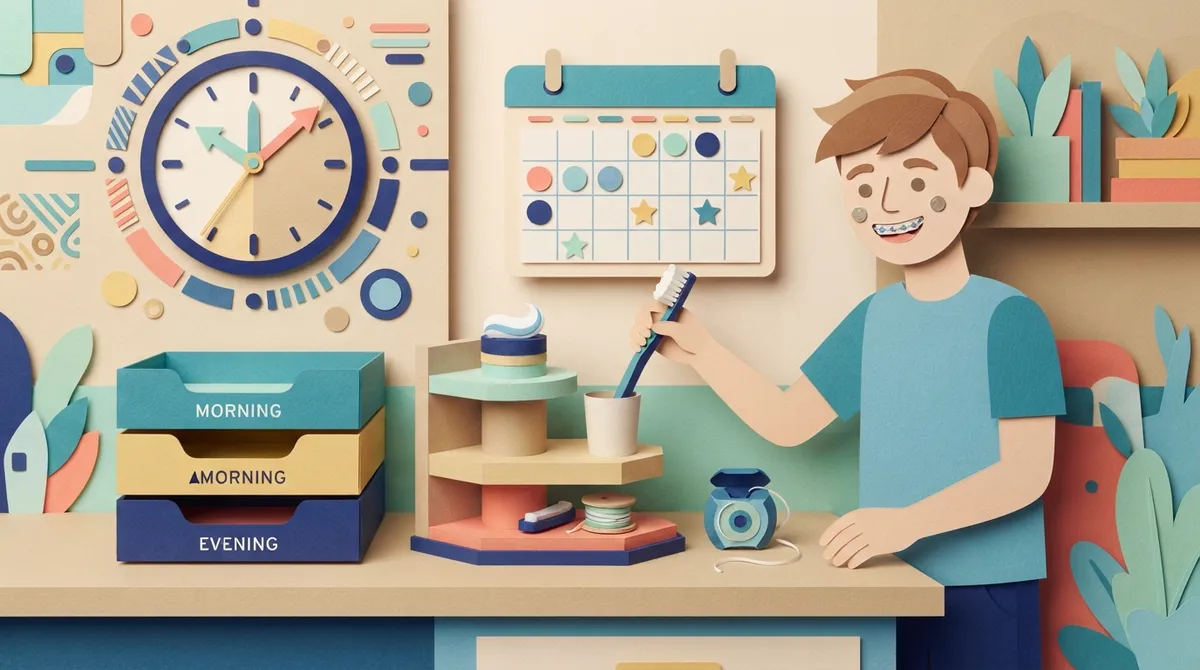
Teens thrive on routines that feel easy and predictable. The goal is to make brushing and cleaning a normal part of the day, not a battle. Work with your teen to agree on a plan they can actually stick to.
For teens with traditional braces, a solid routine usually looks like this:
- Brush twice a day with fluoride toothpaste, once in the morning and once before bed.
- Angle the brush toward the gumline, then clean above and below each bracket.
- Floss once a day using a floss threader or another tool the orthodontist suggests.
- Rinse with water after meals when brushing is not possible.
- Check the mirror for leftover food around brackets before leaving the bathroom.
Want a deeper walkthrough of technique? Our guide on 7 smart steps to brush teeth with braces breaks it down step by step. And if your teen is still learning the ropes, share these tips for brushing and flossing with braces daily.
Always follow the specific instructions from your teen’s orthodontist and dentist. Every mouth is a little different.
2. Stock the Right Tools at Home and on the Go
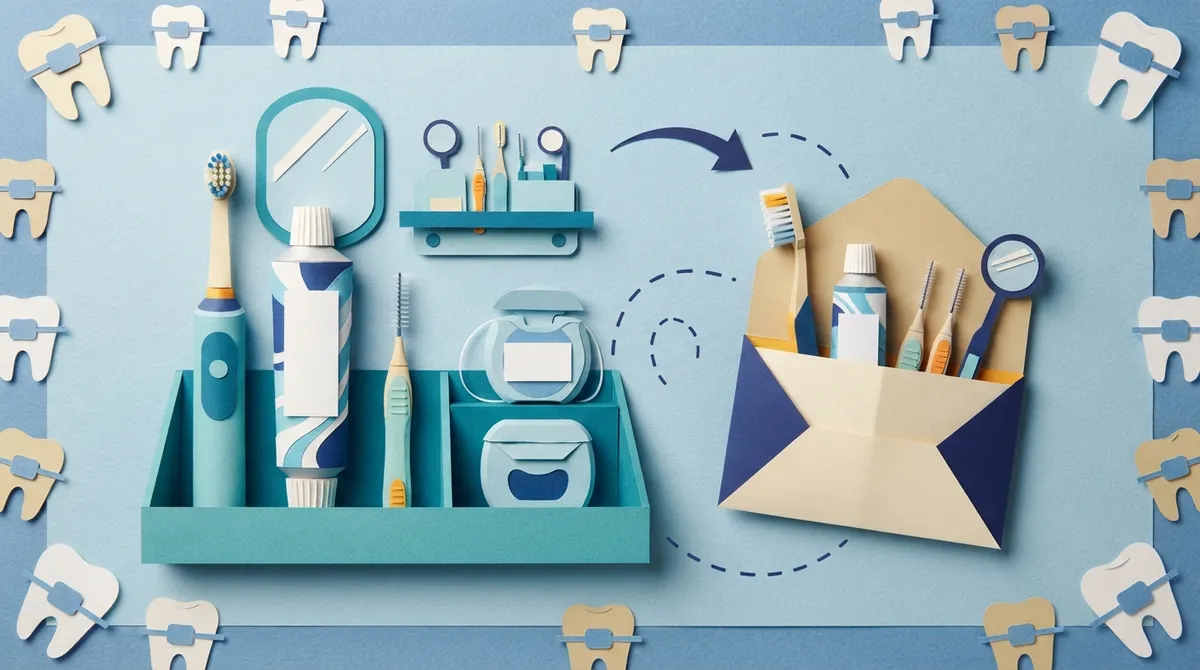
It’s much harder to stay consistent when the supplies are missing. A little prep removes a lot of excuses. Think of it like packing a gym bag: if it’s ready, your teen is far more likely to use it.
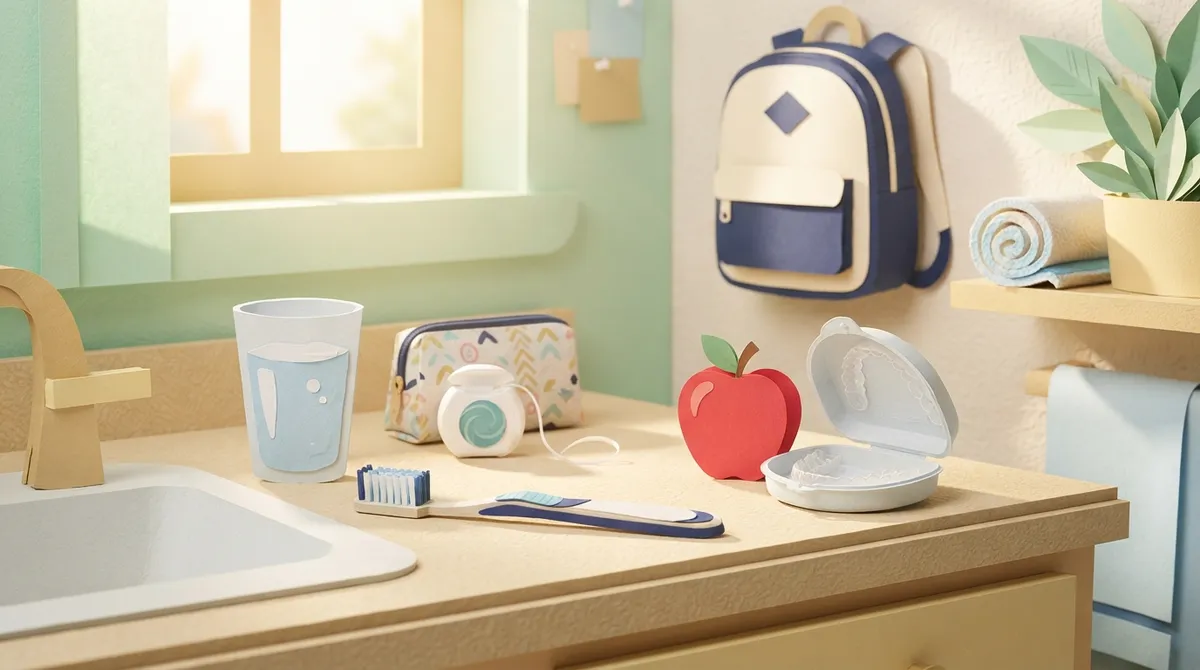
Here’s a handy checklist of tools worth keeping around:
- A soft-bristled or orthodontic toothbrush
- Fluoride toothpaste
- Floss threaders, orthodontic floss, or an interdental brush
- A travel kit for the backpack, locker, or sports bag
- Orthodontic wax for sore spots
- A small mirror for quick checks after lunch
What about electric toothbrushes? They can be a great option for some teens, but technique and regular use matter more than the gadget itself. Ask the dental team what suits your teen. We also share some common pitfalls in our post on electric toothbrush with braces mistakes to stop making.
Make It Easy to Say Yes
Keep a full set of supplies in the bathroom and a second mini kit in your car or their school bag. When tools are always within reach, there’s no excuse for skipping.
3. Support Without Taking Over
Here’s the tricky part. Teens want independence, and that’s healthy. If you hover and micromanage, they may push back or hide skipped brushing. The sweet spot is staying involved while letting them own the habit.
Try these friendly approaches:
- Agree on the plan together so it feels like their choice.
- Use gentle reminders, like a phone alarm or a sticky note on the mirror.
- Do quick check-ins instead of lectures, such as “How are the brackets feeling?”
- Praise the wins. A simple “I noticed you’ve been so consistent lately” goes a long way.
- Skip the shame. Missed a night? Just reset and try again tomorrow.
If your teen is really struggling, ask the orthodontic team for help. Hearing tips from a professional can land differently than hearing them from mom or dad. Our team is happy to demonstrate cleaning techniques and help set small, doable goals at appointments.
4. Guide Tooth-Friendly Eating and Drinking
What your teen eats and drinks has a huge impact on how clean their teeth stay. Frequent sugary snacks and sipping sweet or acidic drinks all day give plaque more fuel to damage enamel. And with braces in the way, plaque sticks around longer.
Here’s a quick comparison to keep handy on the fridge:
| Choose More Often | Limit or Avoid |
|---|---|
| Water between meals | Soda, sweet tea, and energy drinks |
| Soft fruits and cooked veggies | Hard candy and caramel |
| Cheese, yogurt, and eggs | Popcorn and hard nuts |
| Pasta, rice, and soft breads | Chewy or sticky snacks |
| Sliced apples and carrots (cut small) | Chewing ice or biting into whole hard foods |
The big idea is to avoid constant snacking and sipping sweet drinks over long stretches. Water is the easiest between-meal choice. For more ideas, check out our friendly food guide for braces and our tips on foods to avoid with braces. Following food rules also protects brackets and wires from breaking, which saves you extra trips to the office.
5. Learn What to Do for Clear Aligners
Not every teen wears traditional braces. Many choose clear aligners for a more discreet look. If that’s your teen, the oral hygiene rules change a bit, but they are just as important. Our Spark™ Clear Aligners are a popular, more affordable option for teens and adults in Clearwater.
Here’s what parents should encourage with aligners:
- Follow the wear schedule exactly as prescribed, since aligners only work when worn.
- Brush before putting trays back in so food and plaque aren’t trapped against teeth.
- Drink only water while wearing aligners unless the provider says otherwise.
- Clean the aligners as directed to keep them clear and fresh.
- Keep brushing and flossing. Aligners do not replace daily oral care.
Teens sometimes assume aligners mean they can skip a step. A gentle reminder that clean teeth lead to a brighter finish helps keep them on track. If your family is weighing options, our post on braces vs. clear aligners for kids can help.
6. Keep Dental and Orthodontic Visits on the Calendar
Home care is the foundation, but professional visits are the safety net. Teens in treatment need two kinds of appointments, and they do different jobs.
- Orthodontic visits check how teeth are moving and spot any hygiene problems around the appliance.
- Regular dental checkups and cleanings look for cavities and gum trouble, and remove buildup that brushing can miss.
The CDC’s 2024 Oral Health Surveillance Report found that about 10% of U.S. teens ages 12 to 19 had at least one untreated cavity in a permanent tooth. Rates were higher among teens in lower-income households. Regular checkups help catch problems early, before they turn into something bigger.
Knowing what to expect at visits can also ease any nerves. Read how to get the most out of your orthodontics care for helpful tips. If your family is just getting started, your first visit page walks you through the process.
7. Know the Warning Signs and Call Early
Even with great habits, problems can pop up. Spotting them early keeps small issues from becoming big ones. Parents don’t need to be dental experts. You just need to know when to pick up the phone.
Contact the orthodontic or dental team if you notice:
- Gums that bleed often or look red and swollen
- White, chalky, or brown marks on teeth
- Tooth pain or sensitivity that doesn’t ease up
- A loose bracket, a broken wire, or a damaged appliance
- Bad breath that sticks around despite good brushing
These signs deserve a professional look rather than relying on home care alone. Not sure if something is urgent? Our guide on emergency vs. routine orthodontics can help you decide, and you’ll find simple fixes in DIY wire fix vs. orthodontist visit.
Why White Spots Matter
White spot lesions are patches of enamel that lost minerals because plaque sat on the tooth too long. Research shows they can start within weeks of getting braces. They often don’t show until the brackets come off, which is why prevention during treatment is so important. If you spot early signs, let us know so we can suggest preventive steps tailored to your teen. Good cleaning habits now also help later, when it’s time to plan white teeth after braces.
Why This Matters for Teen Treatment Success
Healthy teeth and gums are not just a nice bonus. They help treatment run smoothly. Teens who keep up with oral care tend to have fewer delays, fewer emergency visits, and a better-looking smile on debond day. Our adolescent treatment options are designed around real teen life, and we’re here to coach you both along the way.
Dr. Brockway takes the time to listen to each family and explain what to expect in simple, friendly terms. Learn more about her approach on the Meet Dr. Brockway page. For professional standards in the field, the American Dental Association offers trusted guidance on everyday oral care, and the Florida Association of Orthodontists is another helpful resource for local families.
Curious what other families think? See what our Brockway Orthodontics patients say when you visit us on Google — Brockway Orthodontics.
Final Thoughts: Small Habits, Big Smiles
Helping your teen care for their teeth during orthodontic treatment doesn’t have to feel overwhelming. Build a simple routine, keep the right supplies handy, guide food and drink choices, and stay in touch with the dental team. Praise effort, skip the guilt trips, and call early when something seems off. Those small steps add up to a healthier, brighter smile your teen will be proud to show off.
Ready for personalized support? Book your free consultation online and let our friendly Clearwater team help your teen start strong. Have questions first? Just contact us, and we’ll be happy to help.
FAQs
Q: How often should teens with braces brush their teeth?
A: Teens with braces should brush at least twice a day with fluoride toothpaste, and rinsing with water after meals helps when brushing isn’t possible. Take extra time around the brackets and along the gumline, where plaque likes to hide. Your orthodontist may suggest a routine that fits your teen’s specific needs.
Q: How can parents help a teen stay motivated to clean their teeth?
A: Agree on a routine together, use gentle reminders, and celebrate the wins instead of nagging. Quick check-ins work better than long lectures. If motivation is low, our orthodontic team can demonstrate techniques and help set small, achievable goals.
Q: How can teens prevent white spots and cavities during orthodontic treatment?
A: Consistent brushing with fluoride toothpaste, daily flossing, and cutting back on sugary or acidic drinks go a long way. Regular dental cleanings and orthodontic visits help too. Your dental team can recommend extra preventive steps based on your teen’s individual risk.
Q: Do teens with braces still need regular dental cleanings?
A: Yes, they do. Orthodontic visits focus on tooth movement and the appliance, while dental checkups look for cavities and gum health. Both kinds of visits work together to keep your teen’s smile healthy.
Q: How should teens clean their teeth and aligners during clear-aligner treatment?
A: Teens should brush before putting aligners back in and clean the trays as directed by their provider. They should only drink water while wearing them unless told otherwise. Aligners never replace brushing and flossing, so those habits stay important.
Our Service Area