Key Takeaways
-
Teeth spacing problems (diastema) are highly treatable, with multiple modern options including traditional braces, clear aligners, composite bonding, and frenectomy procedures depending on the root cause and patient age.
-
Adult spacing that appears suddenly often signals gum disease, tooth loss, or other serious issues and requires immediate professional evaluation rather than being dismissed as cosmetic.
-
Spacing problems are multifactorial, commonly caused by tooth-size-to-jaw-size mismatches, oversized frenum tissue, missing teeth, tongue thrust habits, or thumb sucking that must all be identified during diagnosis.
-
Childhood midline gaps between front teeth are typically normal and often close naturally as permanent canines erupt, but persistent or widening gaps should be professionally evaluated.
-
Retention after treatment is critical to prevent relapse, requiring fixed bonded retainers, removable retainers, or both, as spacing has a strong documented tendency to return without proper retention.
-
A thorough evaluation examining bite alignment, gum health, frenum attachment, oral habits, facial growth patterns, and X-rays is essential before treatment to address the underlying cause, not just close the gap temporarily.
Do you notice a gap between your front teeth when you smile in photos? Or maybe your child has a space that just won’t close on its own. You’re not alone, and there’s good news: teeth spacing problems are one of the most treatable concerns in orthodontics. Whether the gap is small and barely noticeable or wide enough to catch your eye every time you look in the mirror, understanding why it’s there is the first step toward fixing it for good.
At Brockway Orthodontics in Clearwater, we see patients of every age dealing with spacing issues, from seven-year-olds with a wiggly gap between their front teeth to busy professionals who want a quick, discreet fix before a big event. This friendly guide walks you through nine key things to know about teeth spacing problems, what causes them, and how modern treatments can close those gaps for good. Let’s dig in together!
1. Understand What Teeth Spacing Problems Really Are
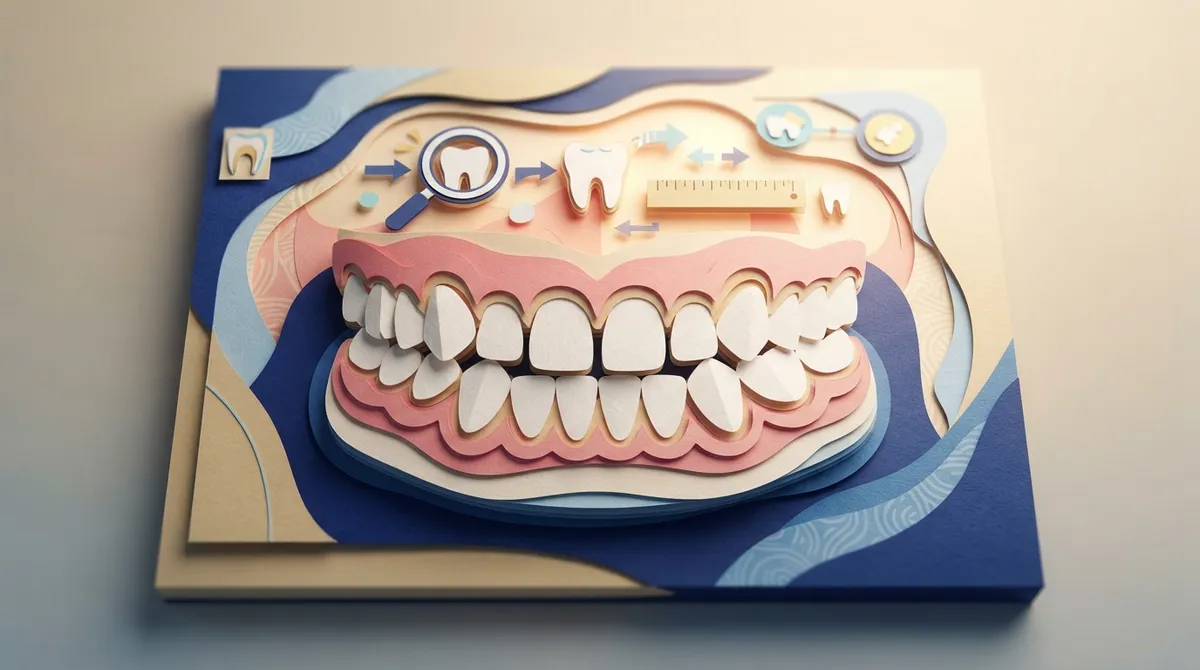
Teeth spacing problems, often called diastema, happen when there’s an unwanted gap between two or more teeth. The most common spot is right between the upper front teeth, but gaps can show up anywhere in your mouth. Spacing can affect just one area or spread across your whole smile.
Some people have a single noticeable gap. Others have several smaller spaces scattered throughout their teeth. Either way, this is a very normal orthodontic concern, and it’s one that our services are designed to address with care and precision.
2. Know the Common Causes Behind the Gaps
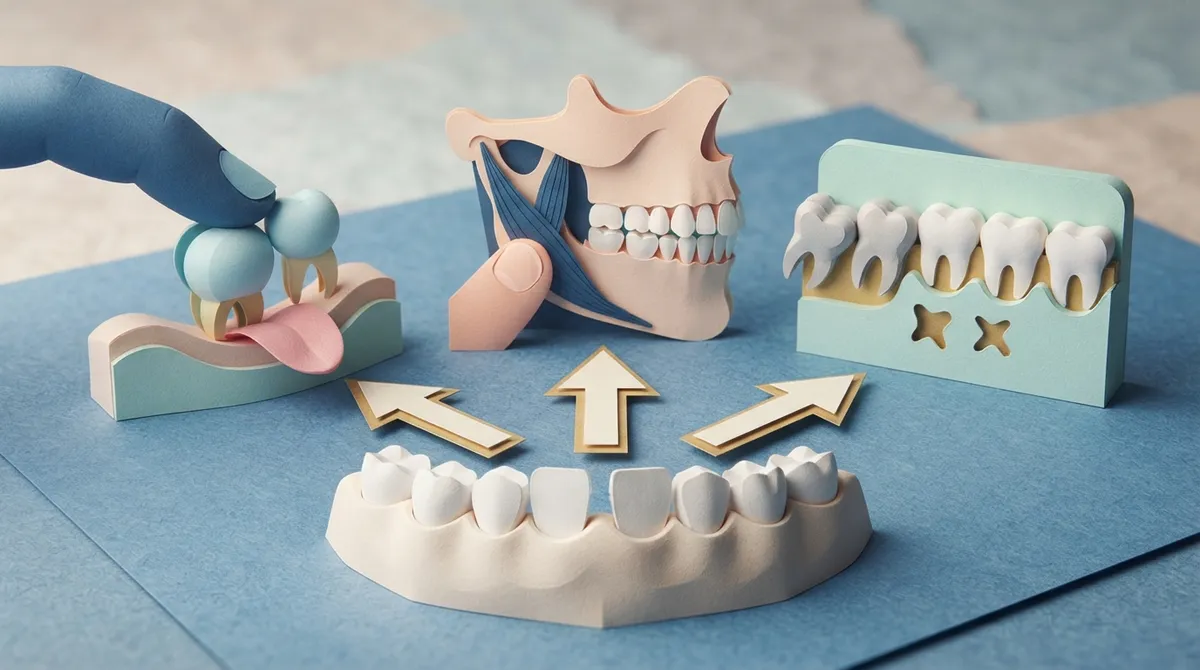
Spacing problems rarely have just one cause. Dentists and orthodontists describe this issue as multifactorial, meaning several things can work together to create that gap. Here are the most frequent culprits:
- A mismatch between tooth size and jaw size, leaving extra room between teeth
- Naturally small or peg-shaped teeth that don’t fill the space
- Missing teeth from birth, especially upper lateral incisors
- An oversized or low-attached piece of tissue (frenum) between your front teeth
- Impacted or extra (supernumerary) teeth pushing others out of place
- Teeth that are rotated or tilted at an angle
One older but frequently cited study on midline gaps found imperfect fusion at the midline caused about 32.9% of cases, an enlarged upper labial frenum caused 24.4%, and normal growth-related spacing caused 23.2%. Missing lateral incisors accounted for 11%. These numbers come from a specific historical sample, so think of them as a helpful starting point rather than a universal rule for every patient.
3. Recognize Habits That Contribute to Spacing
Sometimes it’s not just about tooth or jaw size. Everyday habits can push teeth apart too. Common behavioral contributors include:
- Thumb or finger sucking beyond the toddler years
- Tongue thrust, where the tongue pushes against the front teeth
- An unusual resting position of the tongue
- Certain swallowing patterns that put pressure on teeth
If these habits aren’t addressed during treatment, there’s a real chance the gap could reopen later. That’s why our team at Brockway Orthodontics always looks at the full picture, not just the visible gap, before creating your treatment plan.
4. Watch for Adult Spacing That Signals a Bigger Issue
Here’s something every adult should know: new or widening gaps later in life are not something to ignore. While a childhood gap between front teeth can be totally normal, adult spacing that shows up suddenly often points to something else going on.
Gum disease is one of the biggest culprits. When periodontal disease damages the bone that holds your teeth in place, teeth can loosen and drift apart. Other possible causes include tooth loss, injury, delayed tooth eruption, or shifting after previous dental work. If you notice a new gap forming as an adult, it’s smart to get checked out quickly rather than waiting. The American Dental Association recommends regular checkups to catch these changes early.
5. Learn How Childhood Gaps Are Different
Parents often panic when they see a gap in their child’s smile, but take a breath. A midline gap during childhood can be completely normal, especially while permanent front teeth and canines are still coming in. Many of these gaps close naturally as the canines finish erupting.
That said, persistent, growing, uneven, or symptomatic spacing should always be checked by a professional rather than assumed to be purely cosmetic. Our early treatment program helps families know exactly when to watch and wait versus when to start care. If you’re unsure, our guide on orthodontics for kids is a great place to start.
6. Get a Proper Diagnosis Before Treatment
You can’t fix a spacing problem well without understanding its root cause. That’s why a thorough evaluation matters so much. During your visit, our team will typically look at:
- Tooth position and how your bite comes together
- The health of your gums and supporting bone
- Frenum attachment near the front teeth
- Any oral habits, like thumb sucking or tongue thrust
- Facial growth patterns, especially in growing children
- Photographs, digital scans, or dental models for planning
- X-rays to check for missing, impacted, or extra teeth
This step-by-step process helps us build a treatment plan that actually addresses why the gap formed, not just how to close it temporarily. You can learn more about what this looks like during your first visit with us.
7. Explore Your Treatment Options
The good news is there’s no shortage of ways to treat teeth spacing problems today. The right option depends on your age, the cause of the gap, your gum health, and your goals. Here’s a quick comparison of common approaches:
| Treatment Option | Best For | What to Expect |
|---|---|---|
| Traditional Braces | Multiple gaps, bite issues, complex cases | Steady, gradual movement using brackets and wires |
| Spark™ Clear Aligners | Teens and adults wanting a discreet option | Removable trays swapped every one to two weeks |
| Composite Bonding or Veneers | Small gaps from tooth-size mismatches | Cosmetic buildup without moving teeth |
| Frenectomy | Gaps caused by an enlarged frenum | Minor procedure, often paired with orthodontics |
| Tooth Replacement | Gaps from missing teeth | Implants, bridges, or partial dentures |
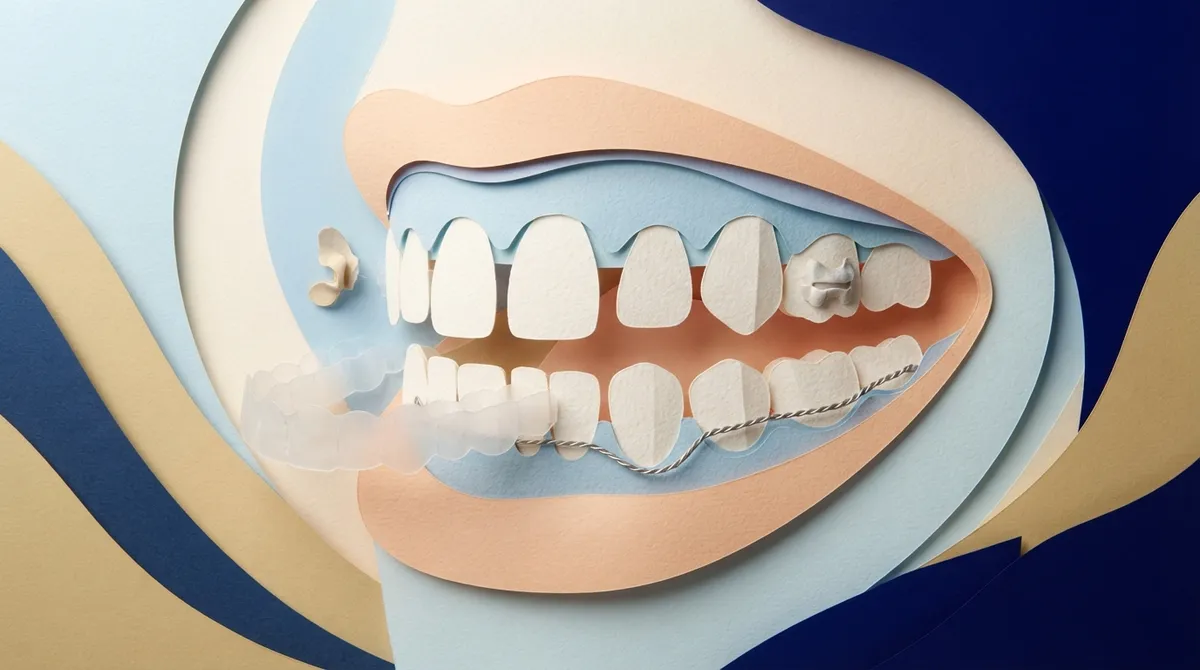
For many patients, traditional braces remain the most reliable way to close multiple spaces while also correcting bite alignment. Others prefer the nearly invisible look of Spark™ Clear Aligners, which offer a more affordable option compared to other clear aligner brands while still delivering great results.
8. Plan for Retention After Treatment
Here’s something many patients don’t expect: spacing has a strong tendency to come back if you skip retention. Published clinical reports consistently show that diastema and generalized spacing carry a real risk of relapse after treatment ends.
This is why retainers are such an important part of your journey. Depending on your case, we might recommend:
- A fixed, bonded retainer behind your front teeth
- A removable retainer worn part-time or at night
- A combination of both for extra insurance
- Ongoing check-ins to monitor your smile long term
In one reported case, adult patients treated with clear aligners for multiple spacing issues achieved lasting results specifically because retention was built into the plan. Skipping this step is one of the most common regrets we hear about from patients who had treatment elsewhere.
9. Know When to See an Orthodontist for Teeth Spacing
So when should you actually make that appointment? Here’s a simple checklist to help you decide:
- Your child’s front tooth gap seems to be widening instead of closing
- You’ve noticed a new gap appearing as an adult
- Your gums look swollen, red, or bleed easily along with the gap
- A tooth feels loose or has shifted position recently
- You’re self-conscious about your smile in photos or at work
- You had orthodontic treatment before, but the gap has returned
If any of these sound familiar, it’s time to get a professional opinion. Treatment planning for spacing often works best when it’s collaborative. Orthodontists frequently team up with general dentists, periodontists, or oral surgeons to make sure every angle is covered, especially when gum disease or missing teeth are involved.
Why Clearwater Families Trust Brockway Orthodontics
Dr. Brockway has built her practice around genuine care, not cookie-cutter treatment plans. She takes time to listen to your concerns, explain your options in plain language, and create a plan that fits your life, whether you’re a parent bringing in your seven-year-old or a busy professional looking for a fast, discreet fix.
Our office uses modern technology like digital impressions and 3D imaging, so there are no messy molds and your treatment is planned with real precision. We also offer same-day treatment in certain cases, because we know families and professionals don’t always have time for multiple visits before getting started. To see how our patients feel about their experience, you can visit us on Google — Brockway Orthodontics and read their stories firsthand.
We’re also proud members of the orthodontic community, and we stay current with best practices through organizations like the Florida Association of Orthodontists. You can also follow along with real patient smiles and office updates on our Instagram and Facebook pages.
Your Next Step Toward a Gap-Free Smile
Teeth spacing problems don’t have to be something you just live with. Whether your gap is a small cosmetic concern or a sign of something that needs attention, the team at Brockway Orthodontics in Clearwater is here to help you figure out the right path forward. From adult treatment to adolescent treatment, we have options for every age and every budget, including flexible plans through our financing and insurance resources.
Ready to close that gap and feel confident about your smile again? Book appointment online today and let’s talk about what’s really causing your spacing and the best way to fix it for good.
FAQs
Q: What causes gaps between teeth or diastema?
A: Gaps between teeth can come from many things, like a mismatch between tooth size and jaw size, small or missing teeth, an oversized frenum, or habits like thumb sucking. It’s rarely just one cause, which is why a proper evaluation matters so much before starting treatment.
Q: Is a gap between the front teeth normal in children?
A: Yes, it often is! Many kids have a midline gap while their permanent teeth and canines are still coming in, and it frequently closes on its own. That said, it’s always smart to have it checked so we can make sure nothing else is going on.
Q: Can braces or clear aligners close gaps between teeth?
A: Absolutely, both are great options depending on your specific case. Braces work well for multiple gaps or bite issues, while Spark™ Clear Aligners offer a more discreet path for teens and adults who want a subtle treatment experience.
Q: Will a gap between teeth reopen after braces or aligners?
A: It can, if retention isn’t part of your plan. Spacing has a real tendency to relapse, which is why we recommend retainers, whether removable or bonded, to help keep your new smile exactly where it belongs.
Q: Can gum disease cause teeth to spread apart?
A: Yes, and this is important for adults to know. Gum disease can damage the bone supporting your teeth, causing them to loosen and drift, so any new or growing gap in adulthood deserves a prompt dental checkup.
Our Service Area