
Key Takeaways
-
Adults over 40 are excellent candidates for braces if they have healthy gums, adequate bone density, and no untreated dental issues—age alone does not determine eligibility for orthodontic treatment.
-
Clear aligners like Spark™ are nearly invisible and removable options ideal for professional adults; treatment duration is typically 12-36 months depending on complexity, with adults often completing faster due to better compliance.
-
Straightening teeth at 40 provides real health benefits including easier cleaning to prevent cavities, reduced jaw strain and headaches, improved gum health, and protected tooth enamel long-term.
-
Modern braces options range from $3,000-$8,500 with flexible payment plans and partial insurance coverage available; discomfort is minimal and similar to teen treatment, typically fading within days after adjustments.
-
One in three orthodontic patients today is an adult, and adult orthodontic care is one of the fastest-growing areas in dentistry, making treatment at 40 a common, well-established procedure.
-
The step-by-step process involves a consultation, health evaluation, treatment selection, regular 6-10 week check-ins, and lifelong retainer use—a straightforward journey that fits into busy adult schedules.
You’re 40 (or close to it), and you’ve been thinking about your smile. Maybe your teeth have shifted over the years. Maybe you never got braces as a kid. Or maybe you just want to feel more confident when you walk into a room. Whatever the reason, you might be wondering: can adults get braces at 40?
The short answer? Absolutely, yes! There is no age limit for orthodontic treatment. Thousands of adults in their 40s, 50s, and beyond are transforming their smiles every single year. In fact, according to the American Dental Association, adult orthodontic care is one of the fastest-growing areas in dental health. You are definitely not alone in this journey.
At Brockway Orthodontics, we love helping adults achieve the smile they’ve always wanted. Let’s walk through everything you need to know about getting braces at 40.

Why Adults Over 40 Are Choosing Braces
Did you know that one in three orthodontic patients today is an adult? The American Association of Orthodontists reports that adult patients make up a significant and growing portion of all orthodontic cases. Life is too short to put your smile on hold.
Adults seek braces for all kinds of reasons. Some issues get worse with age, while others are just finally getting the attention they deserve. Here are the most common reasons adults over 40 pursue orthodontic treatment:
- Crowded or crooked teeth that have shifted over the decades
- Overbites, underbites, or crossbites causing jaw discomfort
- Tooth grinding (bruxism) linked to misaligned bites
- Gaps between teeth that have widened with age
- Relapse after previous orthodontic treatment in younger years
- Improving oral hygiene by making teeth easier to clean
- Boosting confidence in personal and professional life
If any of these sound familiar, you are in excellent company. Many adults who explore adult orthodontics in Clearwater are surprised by how simple the process really is.
What Makes You a Good Candidate for Braces at 40?
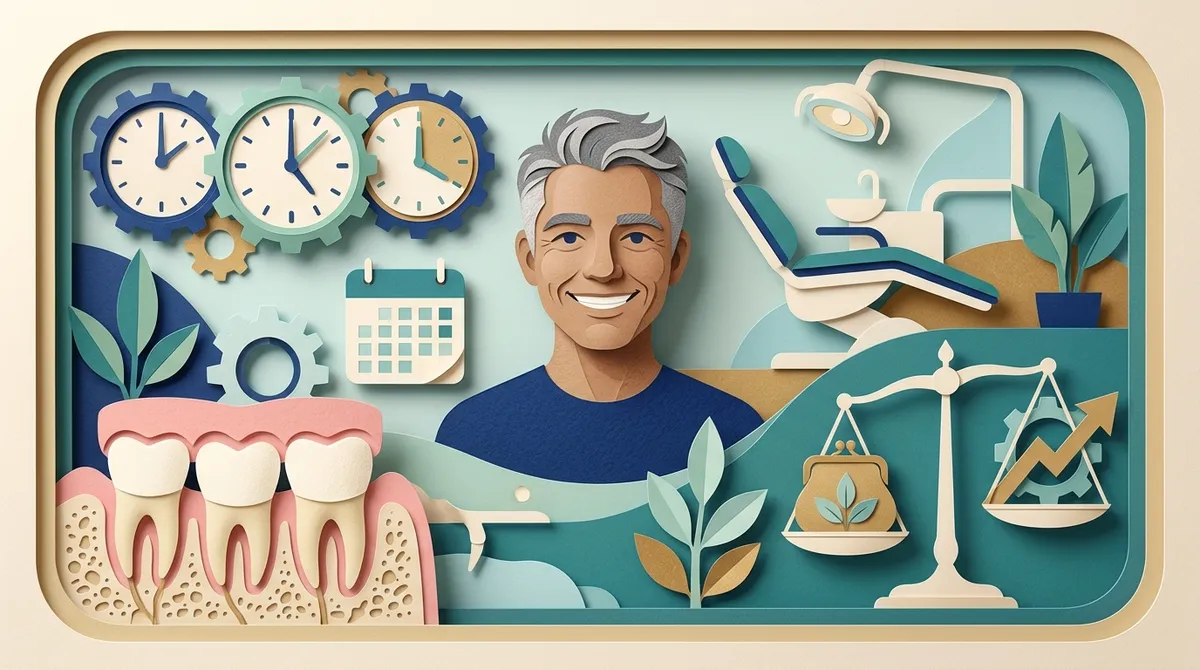
Here is the great news: age alone does NOT determine whether you can get braces. Your overall oral health matters much more than your birthday. Two main factors determine eligibility:
- Healthy gums: Active periodontal (gum) disease needs to be treated before starting orthodontic treatment. Healthy gums support tooth movement safely.
- Adequate bone density: Your jaw bone needs to be healthy enough to support the movement of teeth. An X-ray during your initial exam will check this easily.
- No untreated dental issues: Cavities or infections should be resolved before treatment begins for the best results.
A thorough orthodontic exam — including X-rays — will give your orthodontist a clear picture of your oral health. If your gums and bone are in good shape, you are a strong candidate for braces. Learn more about what to expect by reading about your first visit with us.
Best Braces Options for Adults Over 40
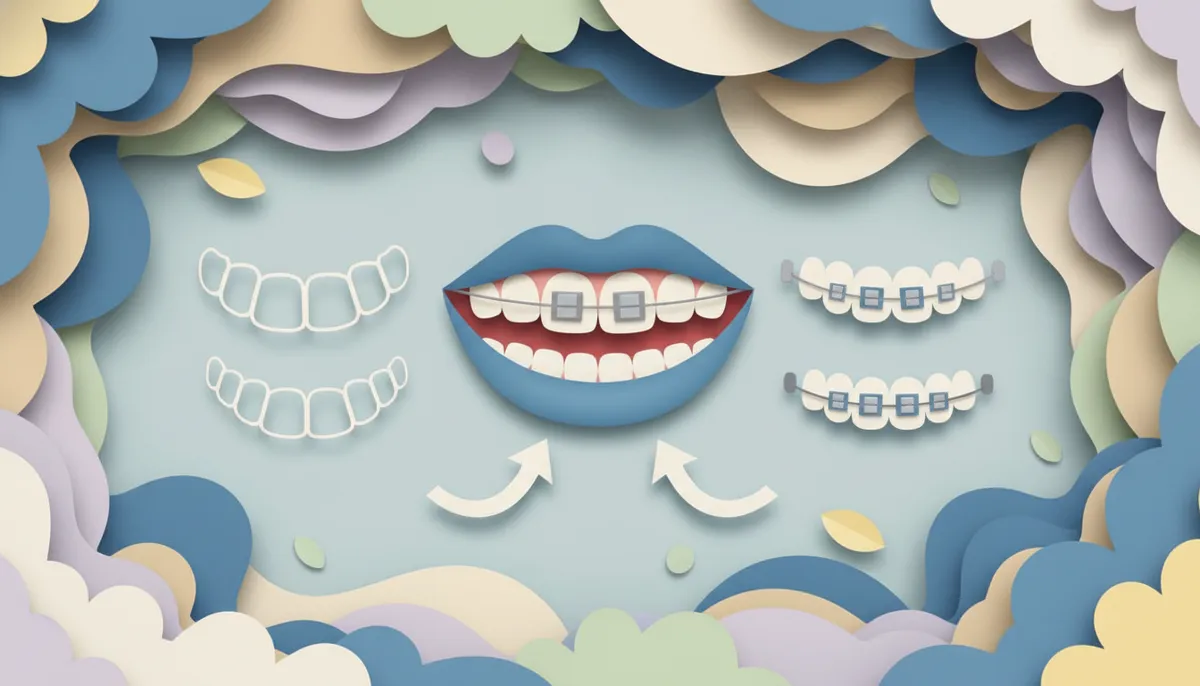
One of the biggest surprises for adults exploring orthodontic treatment is how many discreet, comfortable options are available in 2026. Gone are the days when braces meant a mouth full of chunky metal. Here’s a look at your main choices:
| Treatment Option | Visibility | Best For | Average Duration |
|---|---|---|---|
| Traditional Metal Braces | Visible | Complex cases, all budgets | 18–36 months |
| Ceramic Braces | Tooth-colored, subtle | Moderate to complex cases | 18–36 months |
| Clear Aligners | Nearly invisible | Mild to moderate cases | 12–24 months |
| Lingual Braces | Hidden (behind teeth) | Adults wanting maximum discretion | 18–36 months |
For many adult professionals, Spark™ Clear Aligners are a top choice. They are virtually invisible, removable for meals and photos, and highly effective for a wide range of alignment issues. You can explore even more about how aligners compare to braces in this helpful guide on clear aligners vs. braces.
How Long Does Treatment Take for Adults at 40?
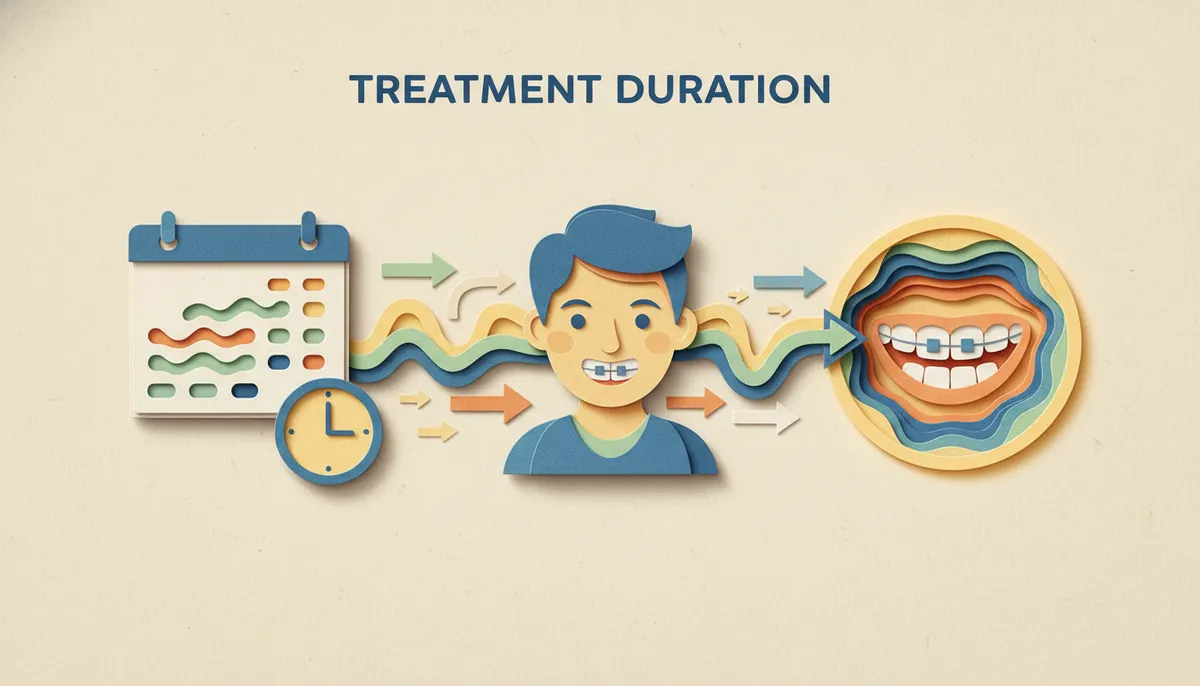
This is one of the most common questions we hear! The honest answer is that adult treatment can take slightly longer than treatment for teenagers. Adult bone is denser, so teeth move a little more slowly. That said, it’s not a dramatic difference.
| Case Complexity | Estimated Treatment Time |
|---|---|
| Mild (minor crowding or spacing) | 6–12 months |
| Moderate (bite issues, more crowding) | 12–24 months |
| Complex (significant malocclusion) | 24–36 months |
Here’s a fun fact: adults often complete treatment on track (or even faster than expected) because they are more compliant. Adults keep appointments, follow care instructions, and wear retainers consistently. Teens, bless them, don’t always have that track record! You can read more about how long braces take to work for a deeper look at timelines.
Health Benefits of Getting Braces at 40
This is about so much more than aesthetics. Straightening your teeth at 40 comes with real, meaningful health benefits that improve your daily life. Here’s what you can look forward to:
- Easier brushing and flossing: Straight teeth are much simpler to clean thoroughly, reducing your risk of cavities and gum disease.
- Better bite function: A corrected bite reduces strain on your jaw joints, helping ease headaches and jaw pain.
- Reduced tooth wear: Misaligned teeth often wear unevenly. Correcting alignment protects your enamel long-term.
- Improved gum health: Properly spaced teeth allow gums to fit more snugly, lowering the risk of periodontal disease.
- Enhanced confidence: A smile you love can positively impact your social life, career, and mental well-being.
The Florida Association of Orthodontists reinforces that orthodontic treatment at any age contributes to better long-term oral health outcomes. It’s an investment in yourself that pays off for decades to come.
What to Expect: The Step-by-Step Process
If you’re ready to explore braces at 40, here is exactly what the process looks like from start to finish:
- Schedule a consultation: Your journey starts with a no-pressure initial appointment where your orthodontist reviews your smile goals and takes X-rays.
- Health evaluation: Gum health, bone density, and existing dental work (like crowns or implants) are all assessed to build your personalized plan.
- Choose your treatment: You and your orthodontist decide on the best option — whether that’s traditional braces, ceramic braces, or clear aligners.
- Begin treatment: Braces are placed or aligners are fitted. You’ll have regular check-in appointments (usually every 6–10 weeks) to monitor progress.
- Complete treatment and get your retainer: Once your teeth are in their ideal positions, you’ll transition to a retainer to keep your new smile in place for life.
Want to know what to expect at that very first appointment? Check out our guide to what to expect during your orthodontic exam. It’s a relaxed, welcoming experience — we promise!
How Much Do Adult Braces Cost at 40?
Cost is a real consideration for most adults, and we completely understand. The good news is that adult braces are more affordable than many people expect, especially with modern financing options available.
| Treatment Type | Typical Cost Range | Insurance Coverage? |
|---|---|---|
| Traditional Metal Braces | $3,000 – $7,000 | Partial (varies by plan) |
| Ceramic Braces | $4,000 – $8,000 | Partial (varies by plan) |
| Clear Aligners | $3,500 – $8,500 | Partial (varies by plan) |
Many orthodontic offices offer flexible payment plans, and some dental insurance plans do cover a portion of adult orthodontics. You can learn more about your options in our guide to financing and insurance at Brockway Orthodontics. We believe cost should never stand in the way of a healthy, beautiful smile.
Common Concerns Adults Have About Getting Braces
Let’s address a few worries you might have, because they are completely normal!
- “Will braces hurt more as an adult?” Not necessarily. Discomfort is similar to teens — some soreness after adjustments, but it fades quickly. Most adults find it very manageable.
- “Will braces look unprofessional?” With clear aligners and ceramic options available, most people won’t even notice you’re in treatment. Check out why invisible braces for adults are so popular in 2026.
- “What if I have crowns or dental work?” Existing restorations can usually be worked around. Your orthodontist will factor these into your personalized treatment plan.
- “Is it worth it at my age?” Absolutely. Straighter teeth are easier to maintain for decades to come, and the confidence boost is priceless. Read 8 truths about whether you’re too old for braces for even more reassurance.
Why Choose Brockway Orthodontics for Adult Treatment
At Brockway Orthodontics, we treat patients of all ages with warmth, expertise, and personalized care. Dr. Brockway and the team understand that adult patients have unique needs — busy schedules, professional concerns, and specific oral health histories. Every treatment plan is customized just for you.
We’re proud to serve the Clearwater area with modern orthodontic solutions that fit real adult lives. Visit us on Google — Brockway Orthodontics to read reviews from real patients just like you who took the leap and never looked back.
Curious about what makes us different? Learn more about Dr. Brockway and her approach to orthodontic care that puts patients first at every stage of the journey.
You Deserve a Smile You Love — At Any Age
So, can adults get braces at 40? One hundred percent, yes! Your 40s are a wonderful time to invest in your smile, your health, and your confidence. With today’s discreet and effective treatment options, there has never been a better time to take that step.
Whether you’re dealing with long-standing alignment issues, a bite that’s been bothering you for years, or simply want a smile refresh, orthodontic treatment can make a genuine difference. Explore more about why so many adults are getting orthodontic treatment in 2026 — you’ll be inspired by how many people just like you are making this positive change.
Ready to get started? We’d love to meet you and talk about your smile goals. Book your free consultation today and take the first step toward the smile you’ve always deserved. It’s never too late, and you are never too old!
FAQs
Q: Is it too late to get braces after 40?
A: Not at all! There is no upper age limit for braces. As long as your gums are healthy and your bone density is adequate, you are a great candidate for orthodontic treatment at 40, 50, or even beyond. Many adults are surprised by how straightforward the process really is!
Q: How long do braces take for adults in their 40s?
A: Treatment typically takes between 12 and 36 months, depending on the complexity of your case. Mild cases with clear aligners can sometimes be completed in as little as 6–12 months. Adults tend to be very compliant with treatment, which often helps keep things on schedule.
Q: Are clear aligners like Spark™ suitable for 40-year-olds?
A: Absolutely! Clear aligners are one of the most popular choices for adults over 40 because they are nearly invisible and removable. They work beautifully for mild to moderate alignment issues and fit seamlessly into a busy professional lifestyle.
Q: Do braces hurt more for adults than for teenagers?
A: Not really! Adults experience similar discomfort to teens — a little soreness after adjustments that usually fades within a day or two. Most adult patients find the discomfort very manageable and are pleasantly surprised by how comfortable modern braces and aligners are.
Q: What health checks are needed before getting adult braces?
A: Before starting treatment, your orthodontist will take X-rays to assess your bone density and check for any signs of gum disease or untreated dental issues. Any existing problems like cavities or periodontal disease are addressed first to make sure your treatment is safe and effective.