Key Takeaways
-
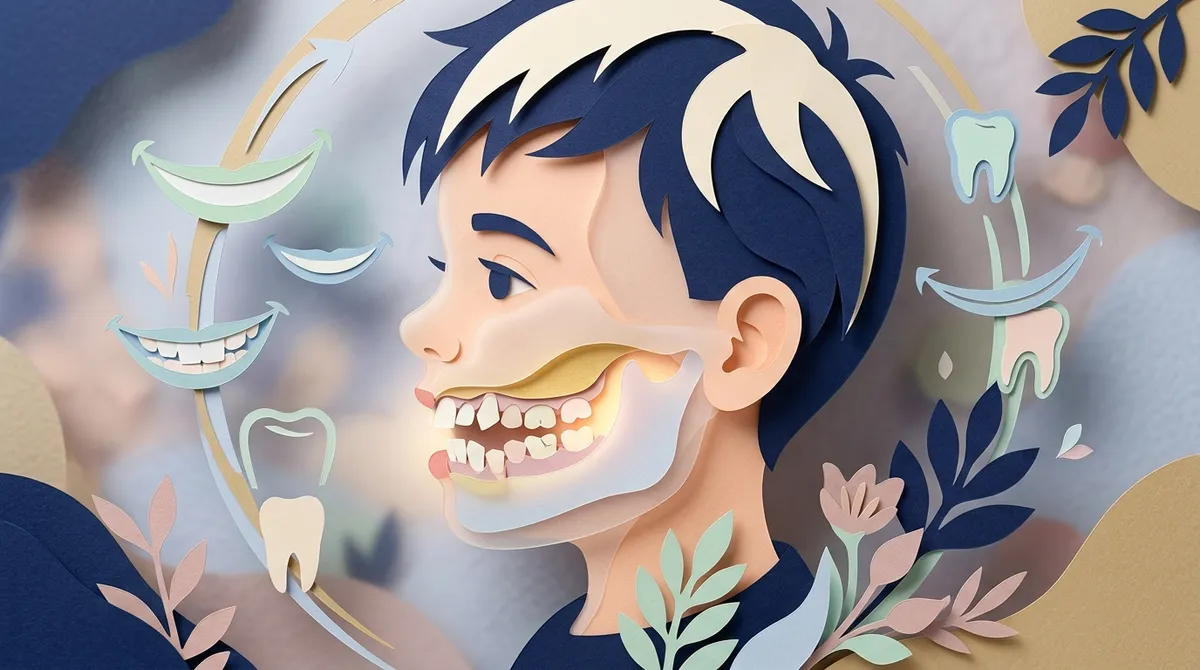
The American Dental Association recommends children see an orthodontist by age 7, as early evaluation can guide jaw growth while bones are still developing and prevent more complex treatment later.
-
Bite problems like overbites, underbites, and crossbites don’t fix themselves and require early orthodontic intervention to prevent jaw pain, uneven tooth wear, and speech difficulties.
-
Crowded or crooked teeth are hard to clean properly, raising cavity and gum disease risk; early evaluation can determine if there’s insufficient space before all adult teeth emerge.
-
Speech problems, difficulty chewing, jaw pain, and clicking sounds can all indicate underlying orthodontic issues that are easier to correct while a child’s jaw is still growing.
-
Thumb sucking beyond age 3 and chronic mouth breathing can affect jaw shape and tooth alignment; these signs warrant professional evaluation to prevent open bites and airway issues.
-
Phase I early treatment (ages 7-10) can shorten overall treatment time, reduce the need for extraction, and boost a child’s self-esteem, making it more effective than waiting until the teenage years.
As a parent, you want the best for your child — and that includes a healthy, confident smile. But how do you know if your child needs braces? It can be tough to tell just by looking. Some signs are obvious, like crooked teeth. Others are easy to miss, like a subtle bite problem or a speech issue.
The good news? You don’t have to figure it all out on your own. Orthodontic experts like the team at Brockway Orthodontics’ Early Treatment program are here to help. In fact, the American Dental Association recommends that children see an orthodontist by age 7. That early visit can make a huge difference in your child’s long-term dental health.
In this guide, we’ll walk you through 9 clear signs your child needs braces. Whether your child is 7 or 14, spotting these signs early can save time, money, and a lot of headaches down the road. Let’s dive in!
Why Early Orthodontic Evaluation Matters
Before we jump into the signs, let’s talk about timing. Many parents think braces are only for teenagers. But orthodontic issues often show up much earlier. Catching problems while a child’s jaw is still growing makes treatment faster and more effective.
According to research, about 20% of American kids have a malocclusion — that’s a fancy word for a bad bite. Left untreated, bite problems can affect chewing, speaking, and even self-confidence. Orthodontics for kids is about more than straight teeth — it’s about setting your child up for a lifetime of good health.
Phase I early treatment is typically recommended for children ages 7–10. This is when the jaw is still developing, which gives orthodontists a window to guide growth and prevent bigger problems later. You can learn more about what this looks like by visiting the Early Orthodontic Treatment in Clearwater, FL page.
9 Signs Your Child Needs Braces
1. Crowded or Crooked Teeth
This is the most common and easy-to-spot sign. If your child’s teeth are overlapping, twisted, or bunched together, that’s crowding. Crowded teeth are hard to brush and floss properly, which raises the risk of cavities and gum disease.
Don’t wait for all the adult teeth to come in before seeking an evaluation. An orthodontist can often tell early on that there won’t be enough room. Check out these 9 proven ways to fix crooked teeth in 2026 for more insight.
2. Overbite, Underbite, or Crossbite
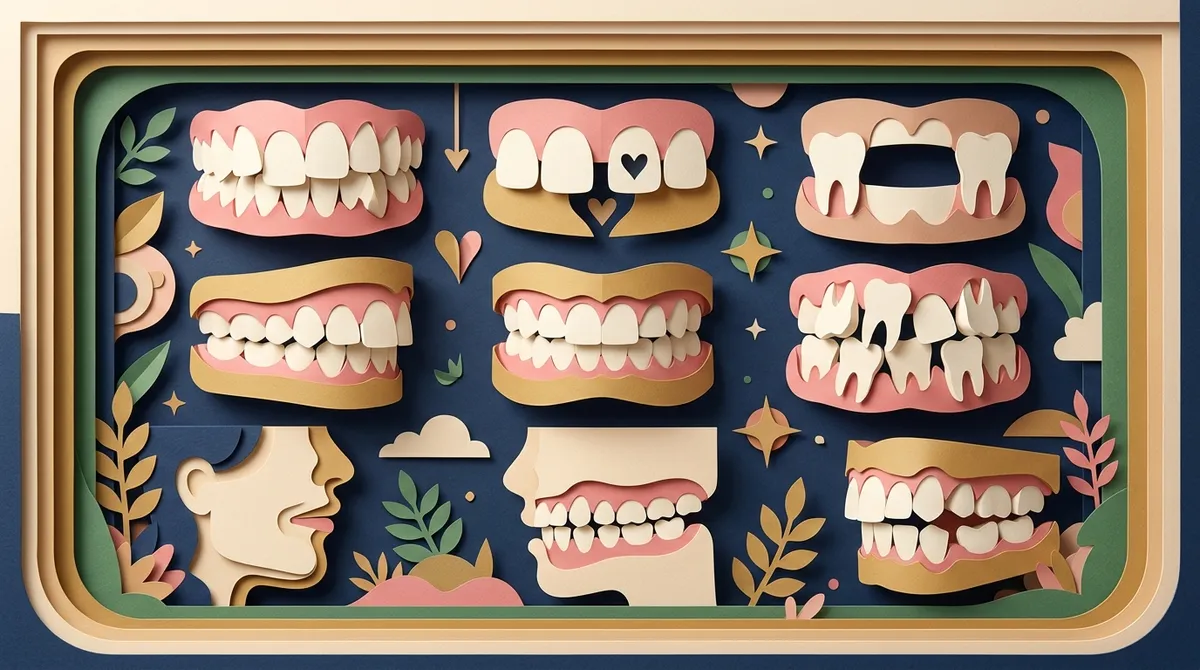
Bite problems are some of the most important signs your child needs braces. Here’s a quick breakdown of each:
| Bite Problem | What It Looks Like | Possible Impact |
|---|---|---|
| Overbite | Upper teeth cover lower teeth too much | Jaw pain, tooth wear |
| Underbite | Lower teeth sit in front of upper teeth | Chewing difficulty, speech issues |
| Crossbite | Upper and lower teeth don’t align side to side | Uneven jaw growth, tooth damage |
| Open Bite | Upper and lower front teeth don’t meet when closed | Trouble biting, speech problems |
These bite issues don’t fix themselves. Early treatment is key. You can learn more about how braces address bite problems on the how braces fix a deep overbite page.
3. Early or Late Loss of Baby Teeth
Most children start losing baby teeth around age 6. Losing them too early or too late can cause permanent teeth to come in crooked or in the wrong position. If your child lost a baby tooth early due to decay or injury, neighboring teeth may shift into that space.
This kind of irregular tooth eruption is a strong signal that an orthodontic check is overdue. A simple evaluation can catch these issues before they become bigger problems.
4. Difficulty Chewing or Biting
Does your child avoid certain foods? Do they complain that chewing hurts or feels uncomfortable? These are red flags. Difficulty chewing is often caused by a misaligned bite or crooked teeth that don’t meet correctly.
Left untreated, chewing problems can lead to uneven tooth wear and even jaw joint issues over time. If you notice your child struggling at mealtimes, it’s time to schedule a visit. You can easily book a free consultation to get started.
5. Speech Problems or a Lisp
Did you know that the position of the teeth and jaw can affect how your child speaks? A lisp, difficulty saying certain sounds, or unclear speech can sometimes be linked to orthodontic issues. Misaligned teeth or jaw imbalances can affect tongue placement.
According to the Florida Association of Orthodontists, early intervention can help correct these issues while the jaw is still growing. This is one of those signs that parents often overlook because they assume speech issues are purely developmental. It’s always worth getting checked!
Curious whether braces can help? Read more on whether braces fix speech impediments.
6. Thumb Sucking or Pacifier Use Beyond Age 3
It’s totally normal for babies and toddlers to suck their thumbs or use a pacifier. But if these habits continue past age 3, they can start to change the shape of the jaw and push teeth out of alignment. This often creates an open bite — where the front teeth don’t meet when the mouth is closed.
The longer the habit continues, the more correction may be needed later. If your child is still sucking their thumb at age 5 or 6, mention it at your next orthodontic evaluation.
7. Mouth Breathing
Does your child breathe through their mouth most of the time — especially when sleeping? While mouth breathing can be caused by allergies or enlarged tonsils, it can also be a sign of underlying jaw or airway issues. Chronic mouth breathing can affect facial growth and tooth alignment over time.
This is one of the subtler signs your child needs braces, but it’s important. An orthodontist can assess whether jaw positioning is contributing to the problem. Check out the guide on when your child should first see an orthodontist to learn more.
8. Jaw Pain, Clicking, or Shifting
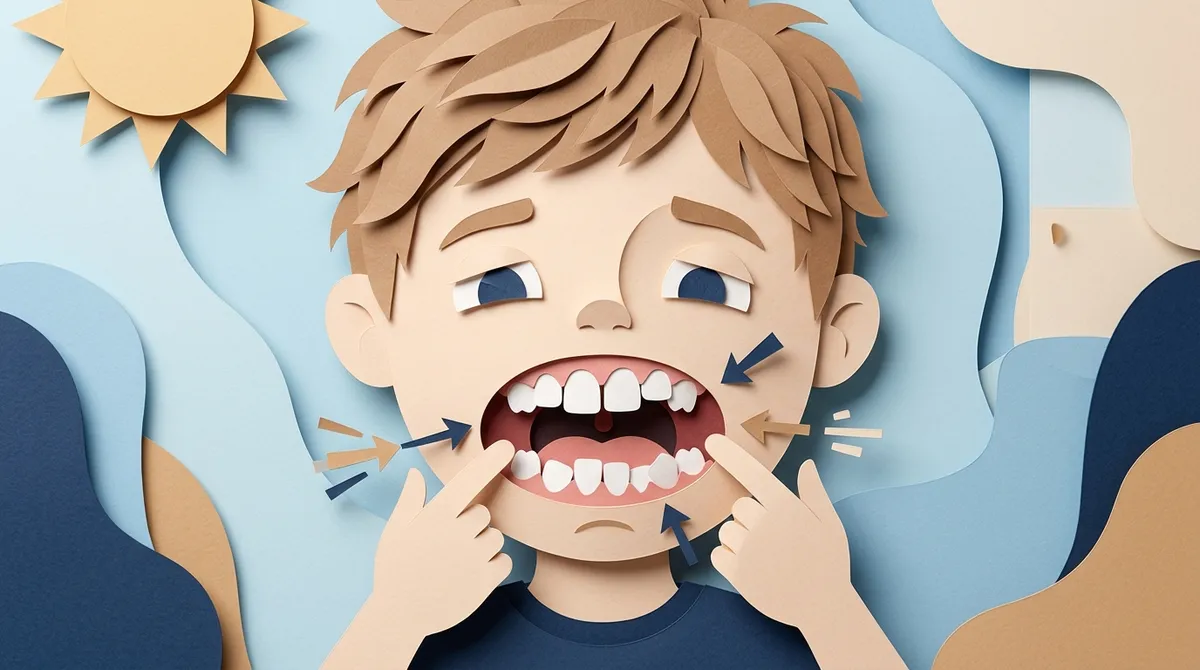
If your child complains of jaw pain or you notice their jaw shifting to one side when they open or close their mouth, that’s a warning sign. A clicking or popping sound from the jaw joint is also something to watch for. These symptoms can point to bite misalignment that needs orthodontic attention.
Jaw issues that start in childhood can become more complex to treat in adulthood. Don’t brush off these complaints — they deserve a professional evaluation.
9. Teeth That Protrude or Stick Out
Protruding front teeth — sometimes called “buck teeth” — aren’t just a cosmetic concern. They’re more vulnerable to injury, especially during sports or active play. They can also affect bite function and self-esteem.
This is a common issue that braces can often correct very effectively. If your child’s front teeth stick out noticeably, it’s one of the clearest signs your child needs braces. The All About Braces page has a great overview of how treatment works.
At-a-Glance: Signs Your Child May Need Braces
| Sign | Urgency Level | What to Do |
|---|---|---|
| Crowded or crooked teeth | Medium | Schedule an evaluation |
| Overbite, underbite, or crossbite | High | See an orthodontist soon |
| Early or late baby tooth loss | Medium | Monitor with orthodontist |
| Chewing or biting difficulty | High | Get evaluated right away |
| Speech issues or lisp | Medium | Consult an orthodontist |
| Thumb sucking past age 3 | Low-Medium | Mention at next visit |
| Mouth breathing | Medium | Evaluate jaw and airway |
| Jaw pain or clicking | High | See an orthodontist soon |
| Protruding front teeth | Medium-High | Schedule an evaluation |
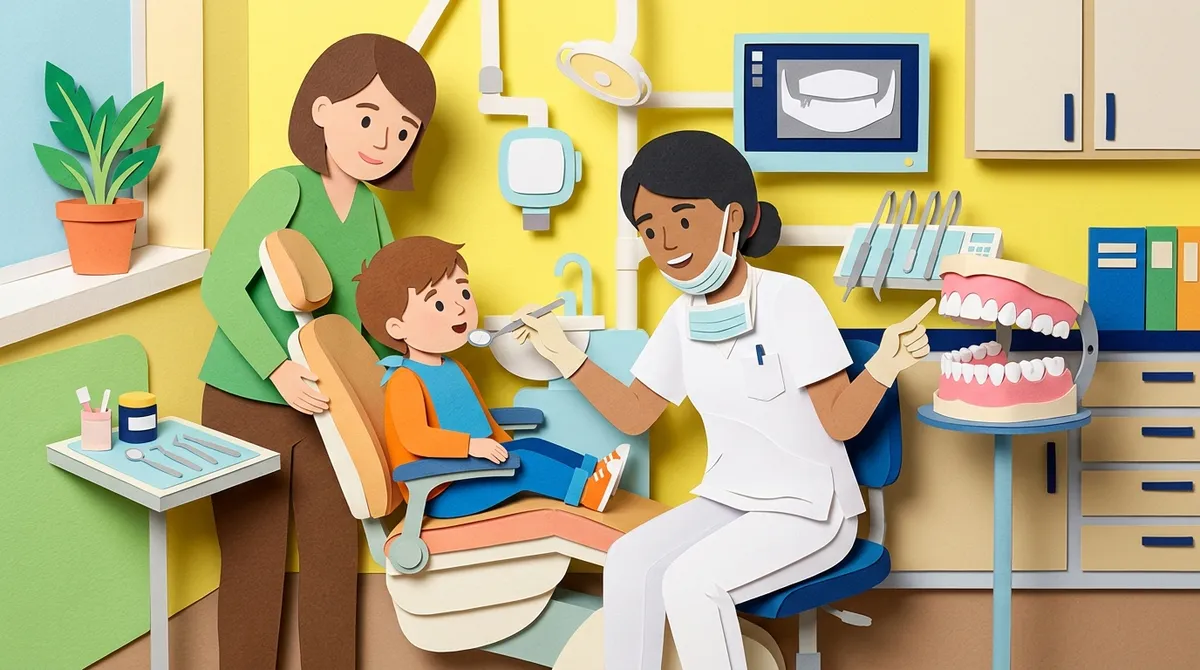
What Happens at a First Orthodontic Visit?
If you’ve spotted one or more of these signs, the next step is simple: book a consultation. A first visit is usually relaxed and low-pressure. The orthodontist will take a look at your child’s teeth and jaw, possibly take some X-rays, and talk through any concerns.
Here’s what typically happens during a first visit:
- Review of dental and medical history — The orthodontist will ask about past dental work, habits, and any symptoms your child has.
- Clinical examination — A careful look at the teeth, jaw, and bite to identify alignment issues.
- X-rays or digital imaging — These help the orthodontist see what’s happening beneath the surface, including permanent teeth that haven’t erupted yet.
- Treatment discussion — If treatment is needed, the orthodontist will explain the options and timing in plain, simple terms.
- No pressure, no rush — Many children are monitored for a period before active treatment begins. The goal is to act at the right time, not the earliest time.
You can learn more about what to expect by visiting the Your First Visit page at Brockway Orthodontics.
Treatment Options for Kids Who Need Braces
Once it’s confirmed that your child needs braces, you’ll have choices. Here’s a quick comparison of the most common options for kids and teens:
| Treatment Type | Best For | Key Benefit |
|---|---|---|
| Metal Braces | All ages, complex cases | Most effective for severe alignment issues |
| Ceramic Braces | Older kids and teens | Less visible than metal |
| Clear Aligners | Teens with mild-to-moderate issues | Removable and nearly invisible |
| Phase I Appliances | Children ages 7–10 | Guides jaw growth early |
Not sure which option is right for your child? The braces vs. clear aligners for kids guide breaks it down nicely. You can also explore the which braces are best for kids in 2026 article for a current look at options.
Benefits of Treating These Signs Early
Why not just wait until your child is a teenager? Here are some compelling reasons to act sooner rather than later:
- Guides jaw development while bones are still soft and growing
- Reduces the need for more complex treatment later
- Lowers the risk of tooth decay from hard-to-clean misaligned teeth
- Improves chewing and digestion by correcting bite problems
- Boosts self-esteem and social confidence in school-age children
- Can shorten overall treatment time when problems are caught early
Early treatment doesn’t always mean braces right away. Sometimes it means monitoring growth and planning for the right moment to begin. That’s why having an ongoing relationship with an orthodontist matters so much. The early intervention orthodontics in Clearwater page explains this really well.
Common Mistakes Parents Make When Spotting These Signs
Even the most attentive parents can miss the signs or make avoidable mistakes. Here are the top ones to watch out for:
- Waiting too long — Assuming issues will resolve on their own
- Only visiting a dentist — General dentists are great, but orthodontists specialize in alignment and jaw development
- Focusing only on looks — Orthodontic treatment is about function AND aesthetics
- Skipping the age-7 evaluation — This is the recommended time for a first screening, even if nothing looks wrong
- Dismissing speech or chewing complaints — These can be real signs of bite or alignment issues
For a deeper look at this topic, the 14 mistakes parents make by skipping early orthodontic treatment article is a must-read.
How to Choose the Right Orthodontist for Your Child
Finding the right fit matters. You want someone who is experienced with children, warm, and easy to communicate with. Here are a few things to look for:
- Board-certified orthodontist with experience in pediatric and adolescent cases
- A welcoming, child-friendly office where your child feels comfortable
- Clear communication about treatment plans, timelines, and costs
- Flexible financing options to make treatment accessible for your family
At Brockway Orthodontics in Clearwater, Florida, Dr. Brockway and her team make every visit feel relaxed and positive. Families across Clearwater and the surrounding areas trust her with their children’s smiles. You can visit us on Google — Brockway Orthodontics to read real reviews from local families. And if you’d like to learn more about affordable options, explore financing and insurance details on the website.
Conclusion
Spotting the signs your child needs braces early is one of the best things you can do for their long-term health. From crowded teeth to bite problems and speech issues, these signs are easier to address when caught sooner. You don’t need to wait for things to get worse — or for your child to be a teenager — to get help.
Whether you’ve noticed one sign or several, the next step is simple: get an evaluation. The team at Brockway Orthodontics is here to guide you every step of the way with friendly, personalized care. Your child deserves a smile they feel proud of, and it all starts with one visit.
Ready to take the next step? Schedule your child’s free consultation today and find out exactly what their smile needs to thrive!
FAQs
Q: At what age should my child get their first orthodontic evaluation?
A: The American Dental Association recommends a first orthodontic evaluation by age 7. At this age, your child has a mix of baby and permanent teeth, which gives the orthodontist a great look at how things are developing. Don’t worry — this visit is low-pressure and informative, even if no treatment is needed right away!
Q: What are the most common signs of bite problems in children?
A: The most common bite problems include overbites (upper teeth cover lower teeth too much), underbites (lower teeth sit in front), and crossbites (teeth don’t align side to side). You might notice these if your child has trouble chewing, jaw pain, or uneven tooth wear. Any of these are great reasons to schedule an evaluation!
Q: Can early orthodontic treatment prevent more serious dental issues later?
A: Absolutely! Early treatment — often called Phase I — can guide jaw growth while your child’s bones are still developing. This can reduce the need for more complex treatment during the teen years. Think of it as giving your child’s smile a head start on a healthy future.
Q: How does thumb sucking affect a child’s need for braces?
A: Thumb sucking is totally normal for young children, but if it continues past age 3, it can push teeth out of alignment and change the shape of the jaw. The most common result is an open bite, where the front teeth don’t meet when the mouth is closed. If this habit is still going strong at age 5 or 6, it’s worth mentioning to your orthodontist!
Q: Is mouth breathing a sign my child needs orthodontic care?
A: It can be! Chronic mouth breathing may be linked to jaw positioning or airway issues that affect how the face and teeth develop over time. While allergies or enlarged tonsils are also common causes, an orthodontic evaluation can help determine if jaw alignment is playing a role. It’s always better to check than to guess!