Key Takeaways
-
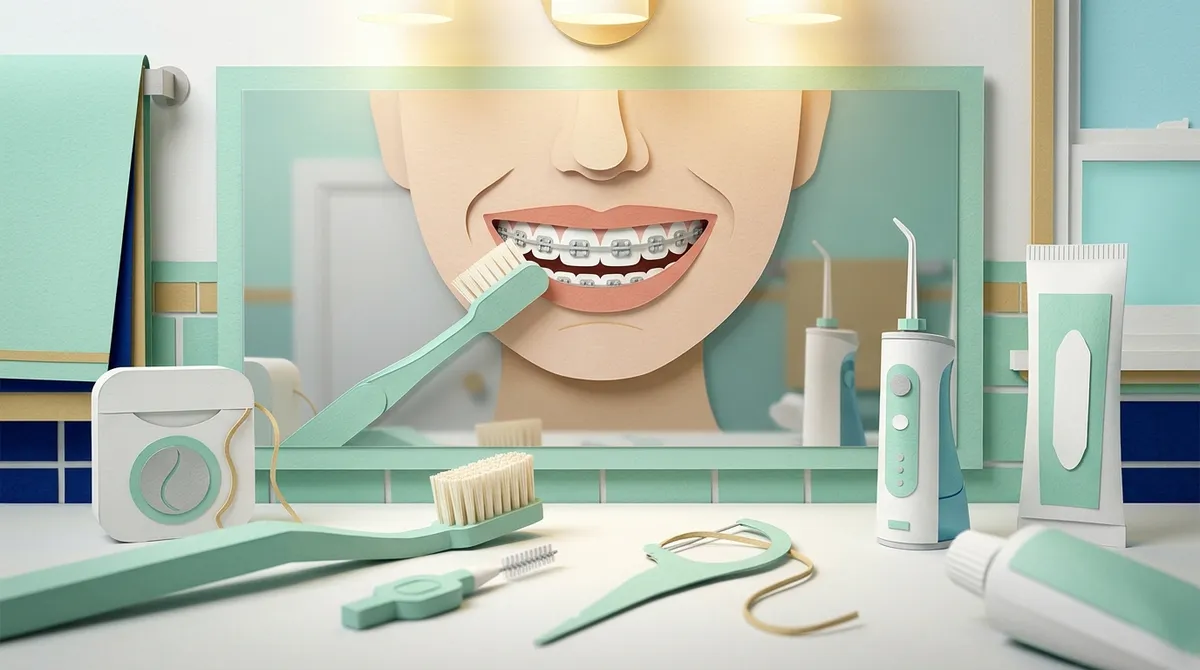
Brush for at least 2 minutes after every meal at a 45-degree angle to your gum line, paying special attention to areas above and below each bracket where plaque accumulates fastest.
-
Use a water flosser or floss threader with waxed floss daily, ideally before bed, since plaque between teeth is a major cavity cause that toothbrushes cannot reach.
-
Invest in essential tools: soft-bristled toothbrush, orthodontic floss threader, interdental brush, water flosser, fluoride toothpaste, and alcohol-free antimicrobial mouthwash for complete cleaning.
-
Avoid sticky foods like caramel and gummy candy, hard foods that can damage brackets, and sugary drinks that create acid attacking enamel around brackets.
-
Create a daily cleaning schedule with brushing after meals, flossing before bed, and mouthwash rinsing for 30 seconds to build consistency and prevent tooth decay during treatment.
-
Contact your orthodontist immediately if you notice swollen gums, persistent bad breath, or white spots forming on teeth, as these are warning signs of hygiene problems.
Getting braces is an exciting step toward a beautiful, confident smile. But here’s the thing — keeping your braces clean is just as important as wearing them! When food and plaque build up around brackets and wires, it can lead to tooth decay, gum disease, and even white spots that show up once your braces come off. Nobody wants that after all that hard work!
The good news? Learning how to clean your braces properly is totally manageable. With the right tools and a simple daily routine, you can protect your teeth and keep your treatment on track. Whether you’re a parent helping your child, a teen navigating braces for the first time, or an adult professional rocking braces in 2026, this guide is for you. Let’s dive in!
Why Proper Braces Cleaning Matters So Much
Braces create lots of tiny hiding spots for food and bacteria. Every bracket, wire, and rubber band is a potential trap. If you don’t clean thoroughly, plaque builds up fast — and plaque leads to cavities and inflamed gums. According to the American Dental Association, maintaining excellent oral hygiene during orthodontic treatment is essential for protecting your long-term dental health.
The stakes are real. Poor hygiene during treatment can extend your time in braces and cause permanent damage to your enamel. But don’t stress — once you build the right habits, cleaning your braces becomes second nature. You can also explore our 9 oral hygiene with braces tips for even more helpful strategies.
The Essential Tools You Need
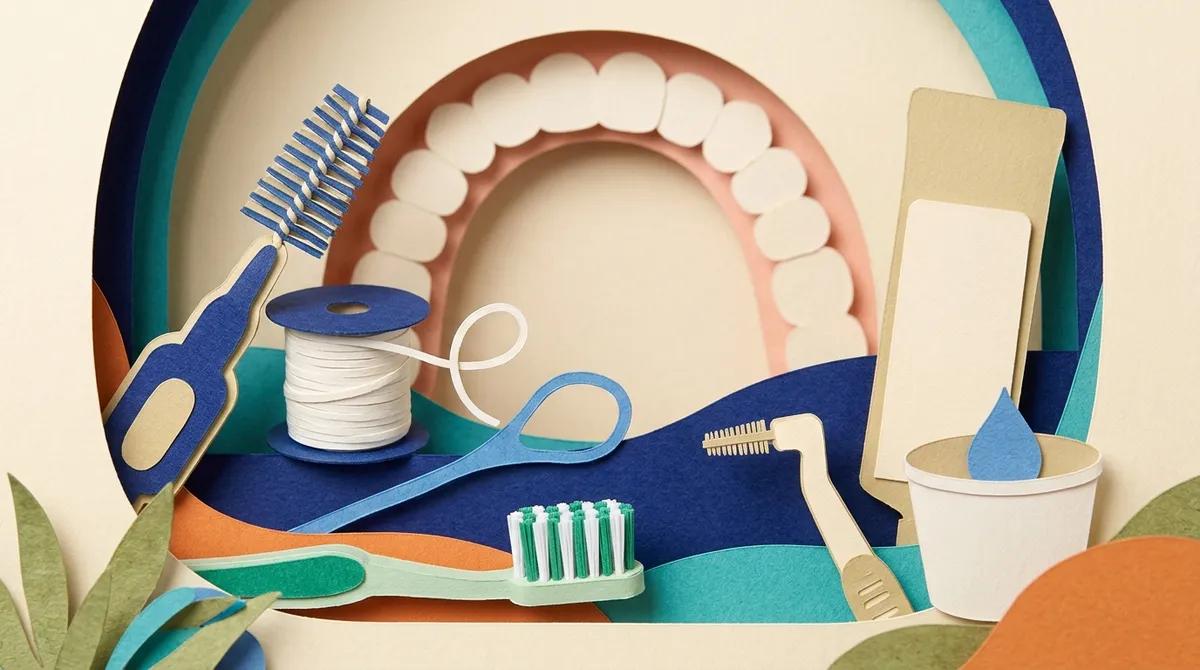
Before you start, you’ll need the right gear. Using the wrong tools makes cleaning much harder and less effective. Here’s what every braces wearer should have on hand:
- Soft-bristled toothbrush — Gentle on gums and enamel, but effective at removing plaque
- Orthodontic floss threader or orthodontic flosser — Helps you get under the archwire easily
- Interdental (proxy) brush — Small brush that fits between brackets and under wires
- Water flosser — Uses water pressure to flush debris from hard-to-reach areas
- Fluoride toothpaste — Strengthens enamel and helps prevent cavities
- Alcohol-free antimicrobial mouthwash — Kills bacteria and reaches spots brushing misses
- Travel cleaning kit — Keep a small kit with you for cleaning on the go
Having these tools ready makes the whole process faster and more effective. You can check out our full guide to all about braces for more tips on getting started with your treatment.
How to Clean Your Braces Properly: Step-by-Step
Ready to master your braces cleaning routine? Follow these steps after every meal for the best results. Orthodontists recommend brushing for at least two minutes, at least three times daily — ideally after every meal or snack.
- Rinse first with water. Before brushing, swish water around your mouth vigorously. This loosens food particles stuck around your brackets and wires, making brushing easier.
- Apply a small amount of fluoride toothpaste. Use a pea-sized amount on your soft-bristled toothbrush. Too much toothpaste can make it hard to see what you’re doing.
- Brush at a 45-degree angle to your gum line. Hold the brush at this angle and use small, gentle circular motions. This helps clean the area where your gums meet your teeth — a prime spot for plaque.
- Clean above and below each bracket. Angle your bristles upward to clean above the bracket, then downward to clean below it. Each bracket needs attention from both sides.
- Brush the wire and bracket fronts. Gently scrub the front of each bracket and along the wire. Use a back-and-forth motion here to dislodge food debris.
- Brush all tooth surfaces. Don’t forget the inner surfaces of your teeth (tongue side) and chewing surfaces. Plaque doesn’t discriminate!
- Check your work in a mirror. Look closely at your brackets and wires. If you see any white spots or remaining food, brush those areas again before rinsing.
For an even more detailed walkthrough, our 7 smart steps to brush teeth with braces guide covers every angle!
How to Floss With Braces Like a Pro
Flossing with braces can feel tricky at first, but it’s one of the most important parts of your routine. Plaque between teeth is a major cause of cavities, and your toothbrush simply can’t reach those spaces. Aim to floss at least once daily, ideally before bedtime, to remove lingering plaque.
Here’s how to floss effectively with braces:
- Use a floss threader. Thread a piece of waxed floss through the loop of the threader, then guide the threader under your archwire. This gets you into the space between your teeth without bending the wire.
- Slide the floss gently between teeth. Once the floss is under the wire, wrap it in a C-shape around each tooth and slide it gently up and down along the side of each tooth.
- Repeat for every gap. Re-thread for each pair of teeth. It takes a few extra minutes, but it’s worth it!
If threading feels too time-consuming, a water flosser is a fantastic alternative. Research shows that water flossers are highly effective for fixed braces, removing food debris, plaque, and bacteria from hard-to-reach areas. Many of our patients at Brockway Orthodontics find that combining a water flosser with traditional flossing gives them the best results. For more brushing and flossing strategies, visit our guide on 8 best tips to brush and floss with braces daily.
Cleaning Tools Comparison: Which Works Best?
Not sure which cleaning tools are worth your time? Here’s a handy comparison to help you decide:
| Tool | Best For | Ease of Use | Recommended Frequency |
|---|---|---|---|
| Soft-bristled toothbrush | Brushing brackets and teeth surfaces | Easy | After every meal |
| Electric toothbrush | More thorough plaque removal | Easy | After every meal |
| Floss threader + waxed floss | Cleaning between teeth under wire | Moderate | Once daily (before bed) |
| Interdental (proxy) brush | Tight spaces around brackets | Easy | Once or twice daily |
| Water flosser | Hard-to-reach debris and bacteria | Easy | Once daily |
| Antimicrobial mouthwash | Reducing bacteria, reaching missed spots | Very Easy | Once or twice daily |
Using a combination of these tools gives you the most complete clean. Don’t skip the proxy brush — it’s especially great for cleaning bracket edges and inter-dental spaces that standard brushes miss entirely.
How to Use Mouthwash With Braces
Mouthwash is the finishing touch in your cleaning routine. Choose an alcohol-free fluoride or antimicrobial mouthwash — alcohol-based rinses can dry out the tissues in your mouth and cause irritation. Rinsing with antimicrobial solution for 30 seconds significantly reduces bacterial load in the mouth.
Here’s how to do it right:
- Pour the recommended amount into a cup (check the label)
- Swish vigorously for a full 30 seconds — set a timer if needed!
- Make sure the rinse reaches all areas of your mouth, including around your brackets and under your wire
- Spit out completely — don’t rinse with water afterward so the fluoride can keep working
Using mouthwash after brushing and flossing is a powerful way to dislodge any remaining debris and deliver protective fluoride deep into crevices your brush couldn’t reach. You can learn more about keeping your smile bright in our article on how to brush teeth with braces and keep your smile healthy.
Foods to Avoid (and Why They Make Cleaning Harder)
What you eat has a huge impact on how easy or hard it is to keep your braces clean. Some foods get stuck everywhere and are nearly impossible to remove without a thorough cleaning session. Others can actually damage your brackets and wires.
| Food Category | Examples | Why to Avoid |
|---|---|---|
| Sticky and chewy foods | Gummy candy, caramel, taffy | Cling to brackets and are very hard to clean off |
| Hard foods | Popcorn, nuts, hard candy, ice | Can snap wires and pop brackets off |
| Sugary beverages | Soda, energy drinks, sports drinks | Create acid that attacks enamel around brackets |
| Crunchy raw vegetables | Whole carrots, apples, corn on the cob | Better to cut into small pieces first |
If you do sip a sugary or acidic drink, rinse thoroughly with water right away and brush as soon as you can. Our foods to avoid with braces blueprint has a complete breakdown of what’s safe and what’s not. And if you ever need ideas for great snacks, our guide on what you can eat with braces is super helpful!
Building Your Daily Braces Cleaning Schedule
Consistency is everything when it comes to keeping your braces clean. Having a clear schedule takes the guesswork out of your routine. Here’s a simple daily plan that works for kids, teens, and adults alike:
| Time of Day | Cleaning Task | Time Needed |
|---|---|---|
| Morning (after breakfast) | Brush with fluoride toothpaste for 2 minutes | 2–3 minutes |
| Midday (after lunch) | Brush and use proxy brush or water flosser | 3–4 minutes |
| After any snack | Quick brush or thorough water rinse | 1–2 minutes |
| Evening (after dinner) | Brush, floss with threader, use mouthwash | 5–7 minutes |
| Before bed | Final brush and fluoride mouthwash rinse | 2–3 minutes |
Carrying a travel-sized cleaning kit is a game changer. Pack a small toothbrush, toothpaste, floss, and a proxy brush so you’re always ready — whether you’re at school, work, or out for dinner. It’s a simple habit that makes a big difference! For more tips on getting the most out of your treatment, read our article on how to get the most out of your orthodontics care.
Can You Use an Electric Toothbrush With Braces?
Absolutely — and many orthodontists actually recommend it! Electric toothbrushes can be more effective at removing plaque than manual brushing, especially around brackets and along the gum line. Just make sure to use a soft brush head and apply gentle pressure. You don’t need to scrub hard — let the brush do the work.
If you’re curious about using an electric toothbrush properly, our detailed guide on electric toothbrush with braces mistakes to stop making will walk you through common errors and how to avoid them. The Florida Association of Orthodontists also recommends consulting your orthodontist about the best tools for your specific treatment.
Common Mistakes to Avoid When Cleaning Braces
Even with the best intentions, it’s easy to slip up. Here are some habits to watch out for:
- Rushing through brushing — Two minutes feels long, but it’s the minimum for an effective clean
- Skipping flossing — It’s tempting to skip, but flossing is non-negotiable for preventing cavities between teeth
- Using too much force — Scrubbing hard can damage brackets and irritate gums; use gentle pressure
- Forgetting the back teeth — Molars are easy to overlook but just as important to clean
- Using whitening toothpaste — It can bleach only the exposed enamel, leaving uneven color when braces come off
- Skipping your orthodontic check-ups — Your orthodontist can spot hygiene issues before they become serious problems
For a deeper look at common mistakes that can derail your treatment, our guide on braces treatment mistakes you should never make is a must-read. You might also enjoy our article on how to brush with braces without missing a spot.
Braces Hygiene Tips for Parents and Teens
If you’re a parent helping your child with braces, make cleaning a fun, shared activity rather than a chore. Set a two-minute timer together, use a fun playlist, or reward great brushing habits with a small prize. Kids and teens are more likely to stay consistent when it feels positive and supported.
For teens, keeping a travel kit in your backpack is one of the best things you can do. Lunch at school is often followed by lots of social time — the last thing you want is food stuck in your braces! Our teen braces guide has even more great advice for making the braces experience smooth and stylish. Parents, you’ll also love our resource on orthodontics for kids: what every parent should know.
What to Do If You Notice a Hygiene Problem
Sometimes, despite your best efforts, you might notice swollen gums, persistent bad breath, or white spots forming on your teeth around brackets. These are warning signs that something needs attention. Don’t wait — contact your orthodontist right away.
At Brockway Orthodontics, we’re here to help every step of the way. Dr. Brockway genuinely cares about your health and your smile journey. If you have concerns between appointments, don’t hesitate to reach out to our friendly team through our contact us page. We’ll help you get back on track quickly and comfortably. You can also visit us on Google — Brockway Orthodontics to read reviews from patients who’ve been right where you are and come out with stunning smiles!
After Braces: Keeping Your Smile Clean Long-Term
Once your braces come off, the work doesn’t stop! You’ll likely transition to wearing a retainer, which also needs regular cleaning. Retainers can harbor bacteria just like braces, so rinse them daily and clean them as directed by your orthodontist.
The good news is that the excellent hygiene habits you build during your braces treatment will serve you for life. Your teeth will be beautifully straight AND healthy — the best of both worlds! Check out our guide on how to wear a retainer after braces to make sure your results last. For teeth whitening tips post-braces, our article on 5 proven ways to get white teeth after braces is a great resource too. The American Dental Association also has excellent resources on maintaining oral health after orthodontic treatment.
Start Your Braces Journey With Confidence
Now you know exactly how to clean your braces properly — from brushing technique and flossing methods to the right tools and daily schedule. The key is consistency and using the right products every single day. Your smile is worth the extra few minutes!
If you’re in the Clearwater area and thinking about braces or have questions about your current treatment, we’d love to hear from you. Whether you’re interested in traditional braces, ceramic braces, or even Spark™ Clear Aligners, the team at Brockway Orthodontics is ready to create a personalized plan just for you. Check out our Brockway Orthodontics Facebook page for tips, patient stories, and community updates!
Ready to take the next step toward a healthier, happier smile? Book your free consultation online today and let Dr. Brockway guide you through a treatment plan that fits your life, your goals, and your budget. Your best smile is closer than you think!
FAQs
Q: How often should I brush my teeth with braces?
A: Great question! Orthodontists recommend brushing for at least two minutes after every meal or snack — that means at least three times per day. The more consistently you brush, the better your teeth and gums will feel throughout your treatment!
Q: Can I use an electric toothbrush with braces?
A: Yes, and many orthodontists love this option! An electric toothbrush with a soft brush head can actually be more effective at removing plaque around brackets than a manual toothbrush. Just use gentle pressure and let the brush do the work for you.
Q: What is the easiest way to floss with braces?
A: The easiest method is using a floss threader with waxed floss or an orthodontic flosser designed for braces. You thread the floss under the archwire, then slide it gently between each pair of teeth. A water flosser is another fantastic option that makes the whole process much quicker!
Q: What mouthwash is safe to use with braces?
A: Choose an alcohol-free fluoride or antimicrobial mouthwash — these are gentle on the soft tissues in your mouth and provide great protection against cavities and bacteria. Rinse vigorously for 30 seconds after brushing and flossing for the best results.
Q: How do I clean under the wire of my braces?
A: The best tools for cleaning under your wire are a floss threader, an interdental (proxy) brush, and a water flosser. The proxy brush is especially handy — it fits right into the tight spaces around brackets and under wires where your regular toothbrush simply can’t reach.
Our Service Area