Key Takeaways
-
Clear aligners work best for mild-to-moderate crowding and spacing, but struggle with significant rotations, deep bites, and complex extraction cases—only a professional exam can determine if they're right for your teeth.
-
Wearing aligners 20-22 hours daily is critical for success; skipping wear time is the number one reason treatment extends beyond the planned timeline.
-
Daily habits like brushing after meals before reinserting trays, rinsing aligners, and attending regular checkups every 6-8 weeks are essential to prevent tracking issues, cavities, and decalcification.
-
Research shows aligners perform similarly to braces for simple cases, but fixed appliances have better accuracy for complex root movement, torque control, and severe rotations—proper diagnosis matters most.
-
Clear aligners are removable and nearly invisible, making them ideal for busy professionals, teens, and health-conscious patients, but they require significantly higher compliance than fixed braces.
-
Treatment length varies from 6 months for mild cases to over a year for complex cases, and a solid retainer plan after treatment ends is crucial to prevent teeth from shifting back.
Thinking about straightening your smile without a mouth full of metal? You are not alone. More people in Clearwater, and across the country, are choosing clear aligner treatment every year. It is comfortable, it is discreet, and it fits into busy lives. But getting it right takes more than picking a trendy option off a screen.
At Brockway Orthodontics, we have guided patients of every age through this process, and we know exactly what makes treatment succeed or stall. This guide walks you through how clear aligner treatment actually works, who it works best for, and the simple habits that lead to a smile you will love. Whether you are a parent researching options for your teen, a professional wanting a quiet fix, or someone returning after old orthodontic work shifted, this article is for you.
What Is Clear Aligner Treatment, Exactly
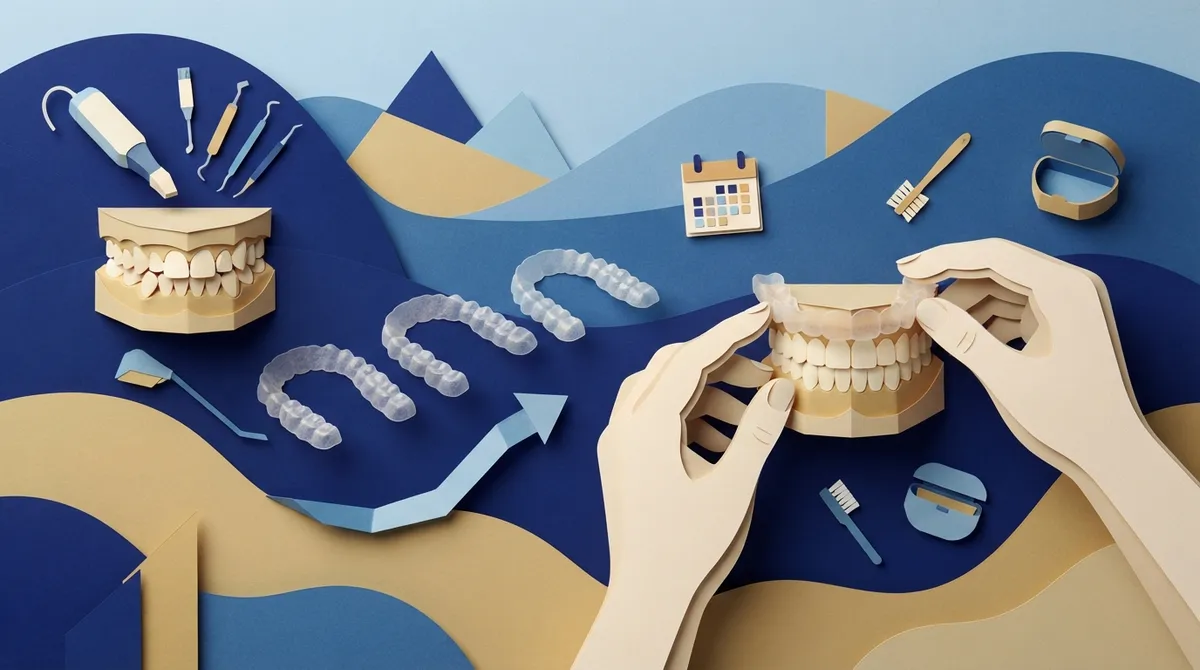
Clear aligner treatment uses a series of clear, custom-made plastic trays to slowly move your teeth. Each tray is worn for one to two weeks before you switch to the next one in the series. Over time, these small shifts add up to a straighter smile.
Unlike metal braces, aligners are removable. You take them out to eat, drink anything besides water, and brush your teeth. This makes daily life easier, but it also means the treatment only works if you actually wear them as directed. Learn more about our Spark™ Clear Aligners, a comfortable and budget-friendly option we offer right here in Clearwater.
How the Process Works, Step by Step
Every clear aligner journey follows a similar path, though the details vary by case. Here is what you can expect:
- An orthodontic exam, including photos and X-rays if needed, to check your bite and tooth positions.
- Digital scans or impressions of your teeth, which skip the messy goop of old-school molds.
- A digital treatment simulation showing how your smile may change over time.
- Delivery of your first set of aligners, along with instructions on wear time and care.
- Regular checkups every six to eight weeks so your orthodontist can track progress.
- Possible refinement aligners near the end, if a few teeth need extra fine-tuning.
- A retainer phase once active treatment ends, to lock in your results.
This structured process is why working with a trained professional matters so much. A digital simulation shows a prediction, not a guarantee, and only an experienced eye can adjust the plan when real life does not match the computer model exactly.

Are You a Good Candidate for Clear Aligners
Clear aligners work wonderfully for many people, but they are not a one-size-fits-all fix. Research helps explain why.
A 2025 meta-analysis reviewing 21 randomized controlled trials with 970 participants found no major difference between aligners and fixed braces for simple, non-extraction cases. That is great news if your case is mild to moderate. However, the same body of research shows some limits.
- Clear aligners tend to work best for mild-to-moderate crowding and spacing.
- They can struggle with significant rotations, especially on rounded teeth like canines.
- Deep bites are harder to fully correct. One 2025 systematic review found aligners produced only 0.4 to 3.8 millimeters of bite opening, with accuracy between 33 percent and 48.88 percent.
- Extraction-based cases show some tipping issues. Research found molars tipped nearly 6 degrees more than planned during retraction.
- Fixed appliances still have an edge for complex root movement, torque, and certain rotations.
None of this means aligners are a poor choice. It means the right diagnosis matters. During your first visit, Dr. Brockway will examine your teeth and bite closely to tell you honestly whether aligners or braces will get you the best result.
Clear Aligners vs Traditional Braces: A Quick Comparison
| Factor | Clear Aligners | Traditional Braces |
|---|---|---|
| Appearance | Nearly invisible | Visible metal or ceramic brackets |
| Removability | Removable for eating and brushing | Fixed in place until removal |
| Best for | Mild to moderate crowding and spacing | Complex bites, rotations, extraction cases |
| Oral hygiene | Easier cleaning, lower short-term plaque scores | Requires more careful brushing around brackets |
| Compliance needed | High, about 20 to 22 hours daily wear | Low, since it stays on your teeth |
| Food restrictions | Few, since trays come out to eat | Some foods must be avoided |
Curious which path fits your smile goals? Our page on traditional braces vs. clear aligners breaks this down even further.
How Long Does Clear Aligner Treatment Take
Treatment length depends on how much movement your teeth need. Mild cases might wrap up in six months. More involved cases can take a year or longer, similar to braces. Your orthodontist will give you a realistic timeline once your simulation is complete.
Wear time makes a huge difference here. Most orthodontists recommend wearing your aligners 20 to 22 hours a day. If you skip days or forget to switch trays on schedule, your treatment can stretch out much longer than planned.
Daily Habits That Keep Treatment on Track
Success with clear aligners comes down to a few simple habits. Here is what we recommend to every patient:
- Wear your aligners nearly all day, only removing them to eat, drink, brush, and floss.
- Brush after every meal before putting your aligners back in.
- Rinse your aligners each time you remove them to avoid buildup.
- Keep a case handy so you never lose a tray at a restaurant or school event.
- Attend every checkup so your orthodontist can catch tracking issues early.
- Store extra trays in order in case one gets lost or cracked.
Good oral hygiene is not optional with aligners. Trapping food and plaque under the trays for hours can lead to decalcification or cavities. The American Dental Association recommends brushing twice daily and flossing once a day, a habit that becomes even more important during aligner treatment.
Who Benefits Most From Clear Aligners
Different patients come to us with different goals. Here is how clear aligner treatment tends to serve each group.
Parents of Kids and Teens
Many parents like that aligners are easy to clean and do not trap food like brackets do. For teens with mild crowding, this can be a great option that fits sports, band, and social life without added stress. Visit our adolescent treatment page to learn what age and case type work best for aligners.
Teens and Young Adults
Graduation photos, prom, and college interviews all matter. Clear aligners let teens and young adults straighten their teeth without feeling self-conscious in every photo. They are removable for special events too, which many teens appreciate.
Busy Professionals
Adults juggling careers and social lives often choose aligners because they are subtle in meetings and easy to remove for presentations or dinners. Our adult treatment options are built around real schedules, not rigid appointment slots.
Orthodontic Relapse Patients
If your teeth shifted after old braces, you are not alone, and you are not stuck. Clear aligners can often correct mild relapse cases quickly. Pair that with a solid retainer plan afterward, and you can protect your investment for good.
Health-Conscious Patients
Patients focused on gum health often prefer aligners because trays can be removed for thorough brushing and flossing. Some studies show better short-term plaque and gum scores with aligners compared to fixed braces, though results vary by case and consistency of wear.
Risks and Realistic Expectations
No orthodontic treatment is completely risk-free, and honesty matters here. Some possible bumps along the way include:
- Temporary soreness when starting a new tray
- Minor speech changes for the first few days
- Poor tracking if trays are not worn enough
- Need for refinement aligners if teeth do not move exactly as planned
- Gum irritation from ill-fitting trays
- Relapse if retainers are skipped after treatment ends
A 2025 systematic review focused on adult anterior tooth movement found inconsistent results for extrusion, intrusion, and rotation when comparing aligners to fixed appliances. This is not meant to scare you away from aligners. It simply shows why a trained orthodontist should design and monitor your plan, rather than a mail-order kit with no in-person exams.
What About Kids and Growing Patients
A 2025 review of clear aligners in growing patients found they can help with mild transverse dental issues, but they do not appear to create skeletal changes. Aligners with growth-guiding features are also not yet proven equal to traditional functional appliances for jaw-related Class II corrections. This is why early evaluation matters so much for younger patients. Learn more on our early treatment page.
What Does Clear Aligner Treatment Cost
Cost varies based on case complexity, treatment length, and the number of aligners needed. Many dental insurance plans offer partial coverage for orthodontic treatment, including aligners, so it is worth checking your benefits early. Our financing and insurance page explains how we help make treatment affordable, including flexible payment plans for Clearwater families.
We also proudly offer Spark™ Clear Aligners as a more budget-friendly option compared to some other well-known aligner brands, without cutting corners on quality or results.
Why Choose Brockway Orthodontics for Clear Aligner Treatment
Dr. Brockway has spent years helping Clearwater families feel confident about their smiles. She takes time to listen to your goals, explain your options in plain language, and build a plan around your life, not the other way around. Our office uses digital scanning and 3D imaging, so you skip the messy molds and get a precise treatment plan from day one.
We treat entire families, from a child getting an early check to a grandparent finally fixing a smile they have wanted to change for years. You can see what real patients say by visiting Brockway Orthodontics on Google, or follow along with patient stories on Instagram and Facebook. For general orthodontic guidelines, the Florida Association of Orthodontists is also a helpful resource for patients researching their options.
Getting Started With Your Free Consultation
The best way to know if clear aligners fit your smile goals is a simple, no-pressure visit. During your consultation, we will examine your teeth, discuss your goals, and walk you through realistic timelines and costs. You will leave with a clear plan, not a sales pitch.
Ready to see what clear aligner treatment could do for your smile? Book appointment online today, or contact us with any questions before your visit. Our Clearwater team is here to help you feel confident, informed, and excited about your smile journey.
FAQs
Q: How does clear aligner treatment work?
A: Clear aligner treatment uses a series of custom, removable trays that gently shift your teeth over time. You wear each tray for one to two weeks before switching to the next, and your orthodontist checks your progress at regular visits. It is like a gentle, step-by-step nudge toward your dream smile.
Q: Am I a good candidate for clear aligners or do I need braces?
A: Aligners work great for mild to moderate crowding and spacing, but more complex bites, deep overbites, or extraction cases may need traditional braces. The only way to know for sure is a hands-on exam with an orthodontist who can look at your specific teeth and bite. That is exactly what we do during your free consultation at Brockway Orthodontics.
Q: How many hours a day should I wear clear aligners?
A: Most orthodontists, including our team, recommend wearing your aligners 20 to 22 hours a day for the best results. That means only taking them out to eat, drink anything besides water, brush, and floss. Skipping wear time is the number one reason treatment takes longer than expected.
Q: Are clear aligners as effective as traditional braces?
A: For simple, non-extraction cases, research shows aligners and braces often perform similarly well. For more complex movements like major rotations or deep bites, braces may still have an edge in predictability. Your orthodontist can help you weigh the pros and cons based on your unique smile.
Q: How much does clear aligner treatment cost, and does insurance help?
A: Cost depends on how complex your case is and how many aligners you need, but many dental insurance plans offer partial coverage for orthodontic care. We also offer flexible financing options and Spark™ Clear Aligners as a more affordable option without sacrificing quality. Our team is happy to walk you through your specific costs during your consultation.
Our Service Area