Key Takeaways
-
Brush after every meal and snack with careful attention to brackets and gumline, and floss daily using a threader or interdental brush, as fixed braces create extra plaque-trapping spots that significantly increase cavity and gum disease risk.
-
Treat any existing cavities before starting orthodontic treatment, as patients with pre-existing cavities face 2.4 times higher risk of developing white spot lesions during and after treatment.
-
Continue regular dental checkups every 6 months with your general dentist while undergoing orthodontic treatment, as your dentist and orthodontist work together as a team to maintain overall oral health.
-
Avoid sugary drinks and sticky/crunchy foods that damage brackets and feed cavity-causing bacteria; choose water over soda and softer food alternatives to protect both your appliances and enamel.
Getting braces or clear aligners is exciting. You’re on your way to a smile you’ll love showing off. But here’s something many patients don’t think about until it’s too late: your dental health during treatment matters just as much as the treatment itself. Brackets, wires, and aligners can create new hiding spots for plaque, and that means cavities and gum problems can sneak up on you if you’re not careful. The good news? A few simple habits can keep your teeth healthy and shining from your first appointment to your last retainer check.
At Brockway Orthodontics in Clearwater, we see patients of all ages, from kids getting their first set of braces to adults finally getting the smile they always wanted. And across every age group, the same truth holds up: good dental health makes orthodontic treatment work better and faster. Let’s walk through the 11 habits that will protect your smile while you straighten it.
1. Get a Dental Checkup Before Treatment Starts
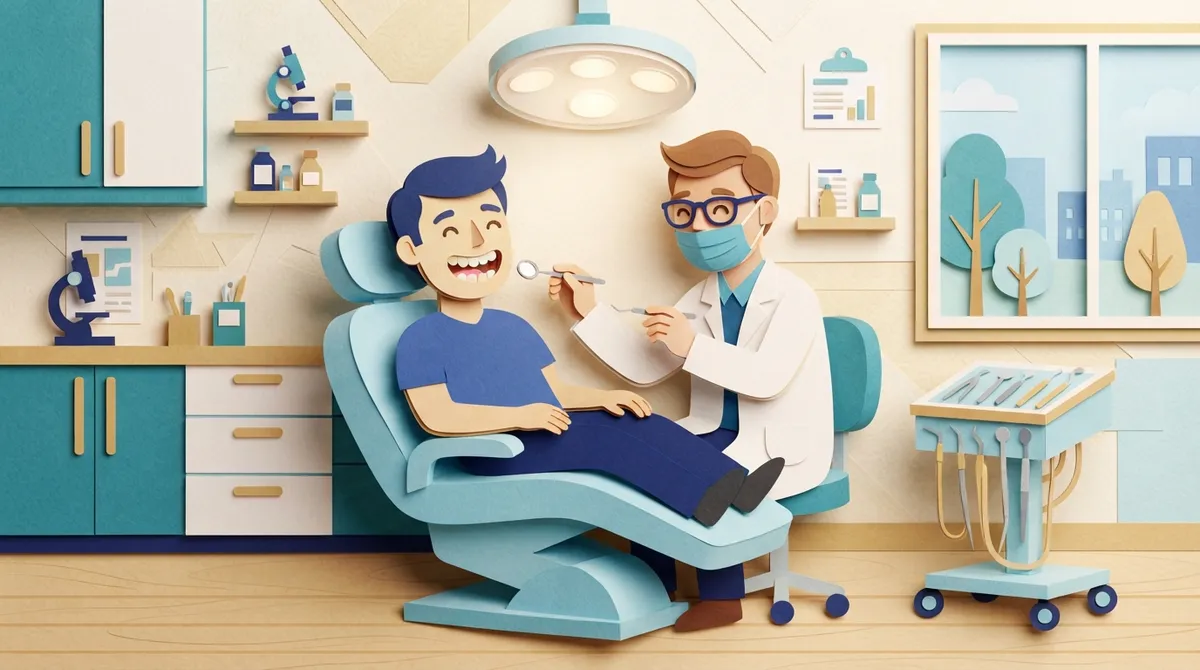
Before any braces go on, it’s smart to make sure your teeth and gums are in good shape. Cavities, gum inflammation, or other issues should be treated first. This helps avoid problems once your appliances are in place. During your first visit, our team will check for any concerns and make sure you’re ready to begin.
2. Brush More Often (and More Carefully) With Braces
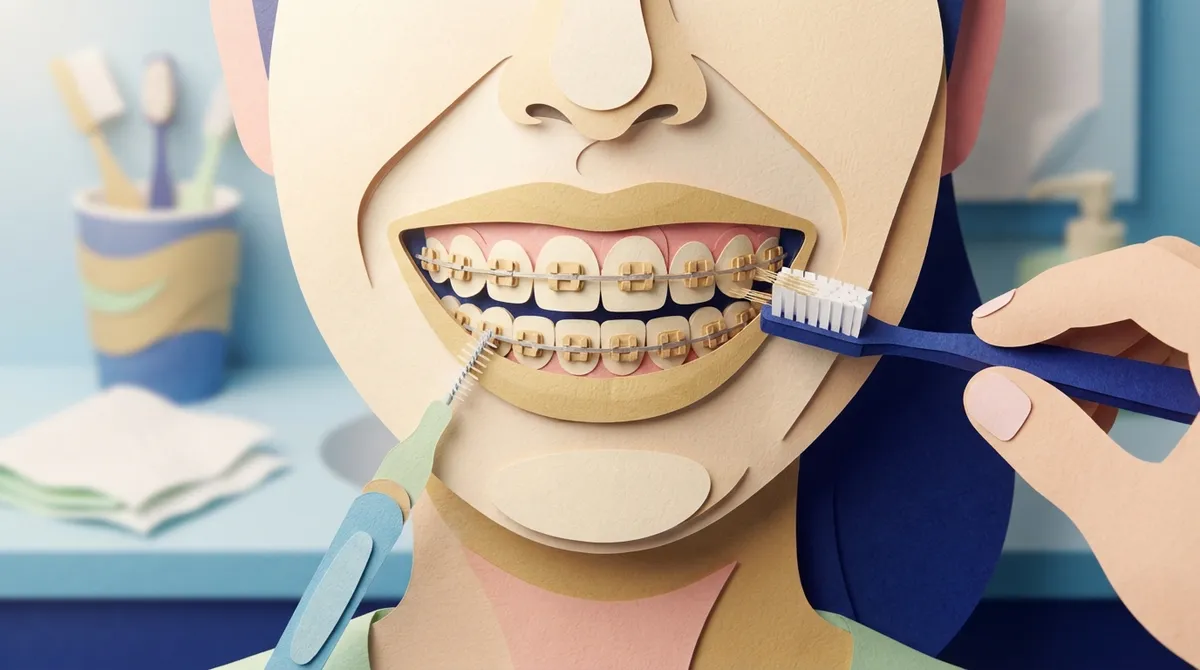
Fixed braces create extra spots where food and plaque can hide around brackets and wires. That means you need to brush more than the usual twice a day. Try brushing after every meal and snack. Take your time cleaning along the gumline and around each bracket.
3. Clean Between Your Teeth Every Day
Flossing with braces can feel tricky, but it’s one of the best things you can do for your gums. Use a floss threader, interdental brush, or water flosser to get between teeth and wires. The American Dental Association recommends cleaning between teeth at least once daily, and this becomes even more important during orthodontic treatment.
4. Use Fluoride Toothpaste (and Ask About Extra Fluoride)
Fluoride helps strengthen enamel and fight off the bacteria that cause cavities. Brushing with a fluoride toothpaste is a must. If you have a history of cavities, ask your dentist or orthodontist about extra fluoride rinses or treatments made just for you.
5. Watch Out for White Spot Lesions
White spot lesions are chalky white marks that can show up on teeth after braces come off. They happen when plaque sits on the enamel too long. Research shows this is common: studies estimate incidence rates between 24% and 73% depending on hygiene, treatment length, and how the spots are measured. Patients who already had cavities before treatment face roughly 2.4 times the risk of developing these spots. That’s why daily brushing and flossing truly matter from day one.
| Risk Factor | Why It Matters | What Helps |
|---|---|---|
| Pre-existing cavities | Increases risk of new white spots by about 2.4x | Treat cavities before braces go on |
| Poor oral hygiene | Plaque builds around brackets and wires | Brush and floss daily, use fluoride |
| Frequent sugary snacks | Feeds bacteria that damage enamel | Limit sugar, choose water over soda |
| Long treatment time | More time for plaque to cause damage | Regular checkups and cleanings |
6. Keep Seeing Your Regular Dentist
Orthodontic treatment doesn’t replace your regular dental visits. You should still see your general dentist for cleanings, usually every six months, even while wearing braces or aligners. Your orthodontist and dentist work as a team to keep your whole mouth healthy. Our office also encourages patients to stay on schedule with adjustment visits, which are usually spaced 6 to 10 weeks apart for fixed appliances.
7. Choose Foods That Protect Your Braces and Teeth
What you eat plays a big role in your dental health during treatment. Hard, sticky, and crunchy foods can damage brackets and wires. Sugary drinks like soda, sports drinks, and fruit juices can wear down enamel and feed bacteria. Here are some smart food swaps:
- Choose water instead of soda or sports drinks
- Swap crunchy apples for sliced, softer fruit
- Pick soft-cooked vegetables over raw, crunchy ones
- Avoid sticky candy and chewing gum
- Cut corn off the cob instead of biting directly
For more detailed guidance, check out our guide to good foods for braces.
8. Take Extra Care If You Wear Clear Aligners
Clear aligners like Spark™ Clear Aligners make cleaning your teeth easier since you remove them to eat and brush. Studies show aligner wearers often have less plaque buildup than those with fixed braces. But aligners still require discipline. Always brush before putting them back in, and stick to plain water while wearing them. Sugary drinks can seep under the aligner and sit against your teeth for hours, which raises your risk for decay.
9. Don’t Ignore Bleeding or Swollen Gums
Bleeding gums are not something to brush off, even if it sounds small. This is often an early sign of gum inflammation, which can get worse if ignored. The World Health Organization reports that severe gum disease affects more than 1 billion people worldwide, making it one of the most common health issues on the planet. Catching it early with better brushing and flossing habits can prevent bigger problems down the road.
10. Care for Your Retainer Like You Care for Your Teeth
Once your braces come off, your job isn’t over. Retainers need daily cleaning to stay free of bacteria and buildup. Skipping this step can lead to bad breath or even gum irritation. Learn more about proper care in our guide on retainers and how to keep your smile in place for the long run.
11. Stay Consistent for Long-Term Results
Good dental health isn’t a one-time effort. It’s the daily habits that add up over months and years. Consistent brushing, flossing, dental visits, and smart food choices protect your investment in your smile. Whether you’re in adolescent treatment or adult treatment, sticking with these habits pays off with a healthier, straighter smile.
Why Dental Health and Orthodontic Care Go Hand in Hand
Fixed braces are known to increase plaque buildup because brackets and wires create more surfaces for it to cling to. A 2024 systematic review found that plaque buildup, changes in saliva, and shifts in oral bacteria can all raise the risk of cavities during treatment. The same review noted that hygiene education can lower this risk significantly. That’s exactly why our team spends time teaching every patient, young or old, how to care for their smile throughout treatment.
On the other hand, clear aligners tend to allow for easier cleaning since they come out for meals and brushing. A 2023 review found a meaningful difference in plaque levels between aligner wearers and those with fixed braces. Still, aligners are not a free pass to skip good habits. Wearing them as directed and cleaning your teeth before putting them back in are both essential steps.
How Brockway Orthodontics Supports Your Dental Health
Dr. Brockway and our Clearwater team believe education is part of great care. We walk every patient through the do’s and don’ts of oral hygiene during treatment, whether you’re wearing metal braces, ceramic braces, or Spark™ Clear Aligners. We also use modern technology like digital impressions and 3D imaging to plan treatment with precision, which can help shorten treatment time and reduce the chances of complications tied to poor hygiene.
Curious what other patients think about their experience with us? You can visit us on Google — Brockway Orthodontics to read real reviews from families across Clearwater. We’re also active on Instagram and Facebook, where we share smile transformations and helpful tips.
If you’re searching for expert, friendly orthodontic care backed by strong dental health guidance, we’d love to help. Learn more about our full range of services, or check credentials through resources like the Florida Association of Orthodontists when researching your options.
Your Smile Deserves Expert Care
Great dental health during orthodontic treatment isn’t complicated, but it does take commitment. Brushing well, flossing daily, eating smart, and keeping up with checkups all add up to a smile that looks great and stays healthy for years to come. Dr. Brockway and our team are here to guide you every step of the way, from your very first consultation to the day your retainer keeps your new smile in place.
Ready to start your journey toward a healthier, straighter smile? Book appointment online today and let our Clearwater team show you what personalized orthodontic care really looks like. Have questions first? Feel free to contact us anytime.
FAQs
Q: How does orthodontic treatment affect dental health?
A: Braces create extra spots for plaque to collect around brackets and wires, so cavities and gum irritation can become more likely without careful cleaning. Clear aligners tend to be a bit easier to keep clean since you remove them to eat and brush. Either way, staying on top of your hygiene routine keeps your teeth and gums healthy throughout treatment.
Q: How can I prevent cavities and white spots while wearing braces?
A: Brush after meals, floss daily with a threader or interdental brush, and use fluoride toothpaste every time. Cutting back on sugary snacks and drinks also makes a big difference. Sticking to these habits from day one is the best way to avoid those chalky white spots.
Q: Are clear aligners better for oral hygiene than traditional braces?
A: Many studies show aligner wearers tend to have less plaque buildup compared to those with fixed braces, since aligners come out for eating and brushing. That said, aligners still require discipline. You need to wear them as directed and always clean your teeth before putting them back in.
Q: Can I see my regular dentist while undergoing orthodontic treatment?
A: Absolutely, and you definitely should! Your general dentist and orthodontist work together to protect your dental health. Regular cleanings every six months (or more often if needed) should continue right alongside your orthodontic visits.
Q: What foods and drinks should I avoid with braces or clear aligners?
A: Skip hard, sticky, and crunchy foods that can damage brackets and wires, like hard candy, popcorn, and whole apples. Sugary and acidic drinks such as soda and fruit juice can also harm your enamel, so water is always your best choice, especially while wearing aligners.
Our Service Area