
Key Takeaways
-
Brush and floss thoroughly before your appointment to give your orthodontist a clear view of your brackets and wires, which ensures proper examination and avoids embarrassment.
-
Expect mild soreness or pressure for 24-48 hours after adjustment as a normal response; this typically fades within a few days and is a sign your teeth are responding correctly.
-
Speak up during your appointment about any problems like rubbing spots, loose wires, broken brackets, or trouble following instructions, as honest communication helps your team make the best adjustments.
-
Wear elastics exactly as demonstrated and ask for clarification if confused, since proper usage significantly impacts your treatment results and progress.
-
Eat only soft foods like yogurt, soup, and mashed potatoes for a day or two after adjustment, and avoid hard, crunchy, or sticky foods that can increase discomfort.
-
Call your orthodontist immediately if you experience severe worsening pain, loose or broken brackets, or symptoms like trouble breathing or heavy bleeding, rather than waiting for your next appointment.
You made it through the day your braces went on, and now your calendar says it is time for your first braces tightening appointment. Maybe you are wondering what the orthodontist will actually do. Maybe you are a little nervous about soreness. Or maybe you are a parent trying to help a teenager feel calm about the whole thing. First of all, take a deep breath. This visit is a normal, friendly step in your treatment, and it is how your smile keeps moving in the right direction.
Here is the thing: a lot of small missteps happen around this visit. People skip brushing, forget their elastics, panic about mild soreness, or put off calling the office when a wire pokes. None of these are the end of the world, but they can slow your progress or make the week harder than it needs to be. In this guide, we walk through 11 common mistakes and simple ways to avoid each one, so you can walk into your appointment feeling confident and walk out feeling great.
What Is a First Braces Tightening Appointment?
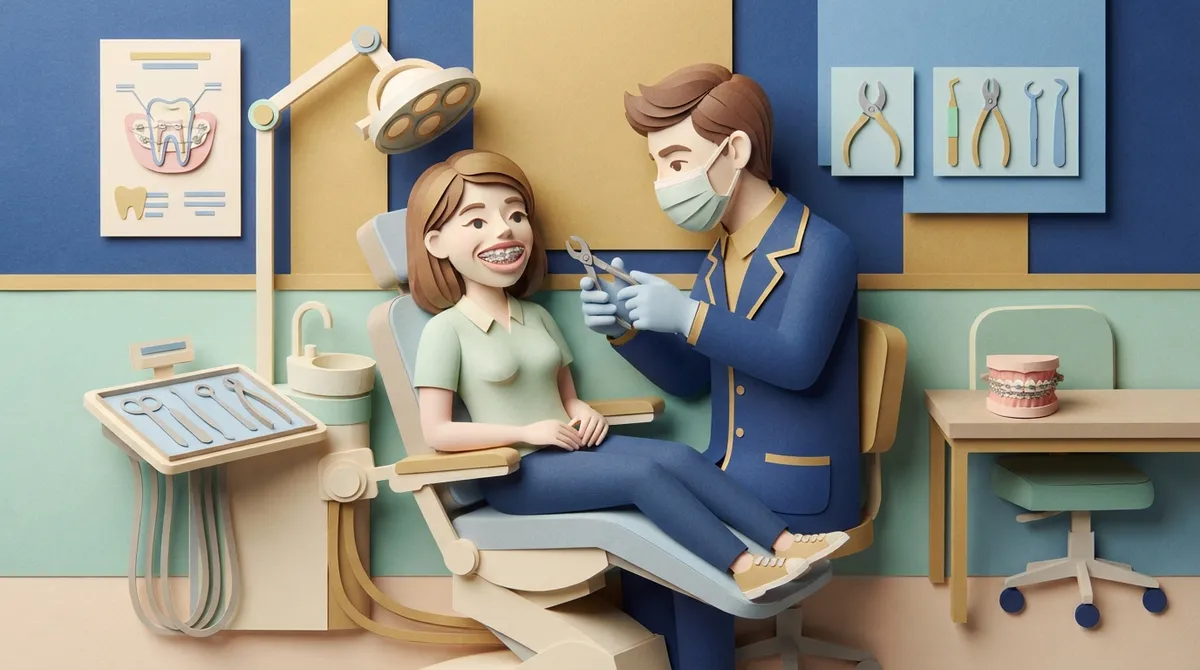
Let’s clear up the name first. Your first braces tightening appointment is the first routine adjustment visit after your braces are placed. It is not your initial consultation, and it is not the day your braces were put on. Think of it as your first check-in on how your teeth are responding.
At these visits, your orthodontic team looks at how your teeth are moving and checks the condition of your braces. Based on your personal treatment plan, they may change the archwire, replace the small ties that hold the wire in place, or adjust elastics and other parts. Not every visit looks the same, because every smile is different.
You may also hear these visits called adjustment appointments or progress visits. Whatever name your office uses, the goal is the same: keep gentle, steady pressure on your teeth so they shift into their new positions. If you want to see the full journey from start to finish, our guide on what to expect with braces walks through every stage.

When Will Your First Adjustment Happen?
One of the most common questions we hear is, “When do I come back?” The honest answer is that it depends on your treatment plan and the type of braces you have. Rather than guessing, follow the schedule your orthodontist gives you.
For context, here is what trusted sources say about typical timing:
| Source | Typical Adjustment Interval |
|---|---|
| American Association of Orthodontists (AAO) | About every 4 to 6 weeks |
| Frimley Health NHS Foundation Trust | About every 6 to 8 weeks |
| Your own treatment plan | Set by your orthodontist for your needs |
See the pattern? Most visits land somewhere in the four to eight week range. But your plan is personal, so treat these numbers as a general guide and not a promise.
11 Mistakes to Avoid Around Your First Braces Tightening Appointment
Now for the heart of it. Here are eleven mistakes we see again and again, along with easy fixes. We have grouped them into before, during, and after your visit.
Before Your Appointment
1. Skipping a good brushing before you arrive. Your orthodontist needs a clear view of your brackets and wires. Food stuck around your braces makes it harder to check everything properly, and it is a little embarrassing too. Brush and floss before you head in. Not sure about your technique? Our tips on how to brush teeth with braces can help.
2. Assuming you will feel nothing at all (or everything at once). Some people expect zero feeling, and others expect terrible pain. Neither is quite right. The adjustment itself is generally not painful. What most people notice is pressure or mild tenderness afterward as teeth respond to the new forces. Knowing that ahead of time takes away a lot of worry.
3. Forgetting to write down your questions. It is easy to freeze up in the chair and forget what you wanted to ask. Jot down anything that has bothered you since your braces went on, like rubbing spots, a loose wire, or trouble eating. Your team wants to hear it.
4. Keeping broken parts a secret. If a bracket came loose or a wire has been poking you, say so right away. Hiding it will not make it go away, and a damaged appliance can interfere with planned progress. Telling your orthodontic team early lets them fix the problem quickly.
During Your Appointment
5. Staying quiet about soreness or problems. Your orthodontist will usually start by asking how things have been going. This is your moment to speak up. Mention any pain, sore spots, or trouble following instructions. Honest answers help your team shape the best adjustments for you.
6. Expecting every visit to be identical. Some patients are surprised when one visit involves a new wire and the next one is just a quick check. That is normal. Depending on your plan, the team may remove and replace the archwire or its ties, adjust elastics, or simply review progress. A “quiet” visit does not mean nothing is happening.
7. Not asking what to do with your elastics. If you are given elastics (rubber bands), ask for a clear, simple demonstration. Wearing them exactly as directed matters a lot for your results. If anything feels confusing, ask again. No question is silly.
Here is a quick checklist of what you can expect the team to do at a typical adjustment visit:
- Ask how you have been feeling and whether anything has bothered you
- Check how your teeth are moving
- Look over your brackets, wires, and other parts
- Change the archwire, ties, or elastics if your plan calls for it
- Explain any new instructions and set your next visit
After Your Appointment
8. Panicking about mild soreness. Feeling tender after an adjustment is common. According to the AAO, soreness is usually strongest during the first 24 to 48 hours and typically fades over the next few days. It is a sign your teeth are responding, not a sign something went wrong.
9. Reaching for crunchy, sticky, or hard foods. When your teeth are tender, a crisp apple or a chewy caramel is not your friend. Choose soft foods for a day or two instead, like yogurt, mashed potatoes, scrambled eggs, soup, and smoothies. Our friendly list of foods to avoid with braces is a handy fridge reminder.
10. Letting brushing slide because your mouth feels sensitive. It is tempting to go easy on cleaning when everything feels tender, but plaque builds up quickly around braces. Keep brushing and cleaning around your brackets, just a little more gently. A soft toothbrush and slow, careful strokes work well.
11. Waiting too long to call when something is not right. Mild soreness is normal, but some things are worth a phone call. We cover those below.
How to Handle Soreness After Your First Adjustment
Let’s talk comfort. A little tenderness is common, and there are simple ways to feel better while your teeth settle in.
- Pick soft foods for a day or two. Think pasta, oatmeal, bananas, and cottage cheese.
- Use orthodontic wax. If a bracket or wire is rubbing your cheek or lip, a small piece of wax over the spot can give quick relief.
- Consider an over-the-counter pain reliever. If you choose one, follow the label directions and your clinician’s advice.
- Keep your routine going. Brush and clean around your braces carefully, even when it feels a bit uncomfortable.
- Be patient. The discomfort usually improves within a few days.
If you ever wonder whether your discomfort is typical, our article on whether braces hurt goes into more detail.
When to Call Your Orthodontist
Most post-adjustment feelings are completely normal. Still, there are times you should reach out instead of waiting. The table below shows the difference between normal and “let’s call” situations.
| What You Notice | What It Usually Means | What to Do |
|---|---|---|
| Mild soreness for a few days | Normal response to the adjustment | Soft foods, wax, careful cleaning |
| Rubbing on cheeks or lips | Common early irritation | Apply orthodontic wax |
| Severe, worsening, or lasting pain | May need a check | Call your orthodontist |
| Loose, broken, or poking bracket or wire | Appliance needs attention | Call your orthodontist |
| Trouble breathing or swallowing, or heavy bleeding | Serious symptom | Seek urgent care right away |
If a bracket or wire breaks before your next visit, do not try to fix it yourself with tools. We explain why in DIY wire fix vs. orthodontist visit. And if you are not sure whether your situation counts as urgent, this breakdown of emergency vs. routine orthodontics can point you in the right direction.
Tips for Parents, Teens, and Adults
Every patient brings a different perspective to this visit, so here are a few friendly pointers for each group.
For Parents of Kids and Teens
Your calm sets the tone. Let your child know that a little soreness is normal and temporary. Stock the kitchen with soft foods before the appointment, remind them about elastics, and help them keep up with brushing. If your child is part of a busy school and sports schedule, bring up any concerns with the team. Our guide on orthodontics for kids is a nice companion read.
For Teens and Young Adults
Your braces are working for you, and that includes the visits. Show up with a clean mouth, wear your elastics as directed, and tell the team about anything that feels off. Big events like graduation or prom are easier to enjoy when your treatment stays on track. Learn more about our adolescent treatment options.
For Busy Adult Professionals
Work, meetings, and family can fill your calendar fast. The good news is that adjustment visits are typically quick, and planning ahead keeps them from becoming a headache. Schedule your next visit before you leave, and keep a small kit of wax and a travel toothbrush at your desk. Curious about adult care? See our adult treatment page.
For Patients Returning After Relapse
If you wore braces years ago and your smile has shifted, you are not alone, and it is never too late to refresh your results. Retreatment follows the same rhythm of regular adjustments, and a good routine of cleaning and elastic wear helps you get the most from your investment this time around.
How to Prepare for a Smooth Visit
A little prep goes a long way. Use this quick list before you head out the door:
- Brush and floss thoroughly before you leave
- Bring your list of questions and any concerns
- Note any broken, loose, or irritating parts
- Bring your elastics or ask for a refill if you are running low
- Plan a soft-food meal for later that day
- Keep orthodontic wax handy at home
And remember, keeping every scheduled appointment matters. Missed visits or poor appliance care can interfere with the progress your orthodontist has planned. If you ever need to move a visit, call the office early.
Why Regular Adjustments Matter
It can be tempting to think of adjustment visits as a chore, but they are doing important work. Your braces apply gentle, steady forces, and over time those forces can lose a bit of strength as your teeth move. Each visit refreshes that pressure and lets your orthodontist fine-tune the plan based on how your teeth are actually responding.
Regular visits also give your team a chance to catch small issues early, like a loose bracket or a spot where cleaning needs improvement, before they turn into bigger delays. Over the course of treatment, that attention adds up to a smoother experience and better results. Wondering how long the whole journey may take? Our timeline guide on how long braces take explains what shapes the schedule.
Your Care Team at Brockway Orthodontics
At Brockway Orthodontics, we believe you should feel informed and comfortable at every visit. Dr. Brockway takes time to listen to your concerns and explain exactly what is happening with your treatment, whether you wear metal braces, ceramic braces, or clear aligners. Our team serves families across Clearwater, from kids and teens to adults, and we love seeing each smile progress. Curious about the practice? You can meet Dr. Brockway or read what patients share when you visit us on Google — Brockway Orthodontics.
For extra guidance on oral health and orthodontic care in general, trusted organizations like the American Dental Association and the Florida Association of Orthodontists offer helpful resources.
Ready for Your First Adjustment?
Your first braces tightening appointment does not have to be stressful. With a little preparation, honest communication, and some soft foods on standby, you can handle it like a pro. Remember the big ideas: brush before you go, speak up about problems, wear your elastics as directed, and call the office if something feels wrong or does not improve after a few days.
Have a question about your own treatment, or need to schedule your next visit? Contact our friendly team today, or book your appointment online to get started. We are cheering you on every step of the way toward a smile you will love.
FAQs
Q: When is the first braces tightening appointment after getting braces?
A: Most patients come back about four to eight weeks after their braces are placed. The AAO describes visits roughly every 4 to 6 weeks, while other guidance mentions 6 to 8 weeks. Your orthodontist will set the exact timing based on your personal plan.
Q: Does getting braces tightened hurt?
A: The adjustment itself is generally not painful. Most people feel pressure or mild tenderness afterward as their teeth respond. According to the AAO, that soreness is usually strongest in the first 24 to 48 hours and fades within a few days.
Q: What should I eat after my braces are tightened?
A: Stick with soft, easy foods for a day or two, like yogurt, mashed potatoes, soup, scrambled eggs, and smoothies. Skip anything hard, crunchy, or sticky while your teeth feel tender. You’ll be back to your normal favorites before you know it!
Q: What should I do if a bracket or wire breaks before my next appointment?
A: Call your orthodontist’s office right away so the team can guide you. For a poking wire, a bit of orthodontic wax can help in the meantime, but please don’t try to fix it with tools at home. Seek urgent care for serious symptoms like trouble breathing or swallowing, or heavy bleeding.
Q: What happens at a braces adjustment appointment?
A: Your orthodontic team will ask how you’ve been feeling, check your tooth movement, and look over your braces. Depending on your plan, they may replace the archwire or its ties, adjust elastics, or change other parts. Not every visit involves the same changes.
Our Service Area