Key Takeaways
-
Orthodontic specialists are dentists who complete an accredited orthodontic residency, typically two to four years after dental school, focused solely on tooth alignment, bite, and jaw development.
-
The American Association of Orthodontists recommends a first orthodontic check-up by age 7, though a check-up doesn't necessarily mean braces are needed right away.
-
Early warning signs warranting a visit include early or late loss of baby teeth, trouble chewing or biting, thumb sucking past the usual age, crowded or protruding teeth, and shifting or noisy jaws.
-
Board certification from the American Board of Orthodontics is an optional credential beyond training and state licensure, requiring written and clinical exams and renewal every 10 years.
-
Adults can still benefit from treatment at any age, including retreatment for relapse, with discreet options like ceramic braces and clear aligners.
-
When choosing a specialist, verify an accredited residency, ask about treatment options, technology, costs and financing, and make sure you feel heard and comfortable.
Have you ever sat in the dentist’s chair and heard, “You might want to see an orthodontist about that”? It’s a common moment, and it often leaves people with one big question: what makes an orthodontist different? If you’re wondering the same thing, you’re in good company. Whether you’re a parent watching your child’s smile change, a teen dreaming of straight teeth before graduation, or an adult who finally wants to fix what has bugged you for years, understanding orthodontic specialists is a great first step.
Here’s the short version. Orthodontic specialists are dentists who go back to school for extra training. That training focuses only on how teeth, bites, and jaws line up and grow. In this friendly guide, we’ll walk through what these specialists do, how they train, which treatments they offer, and how to pick the right one for you or your family. Let’s dive in!
What Exactly Is an Orthodontic Specialist?
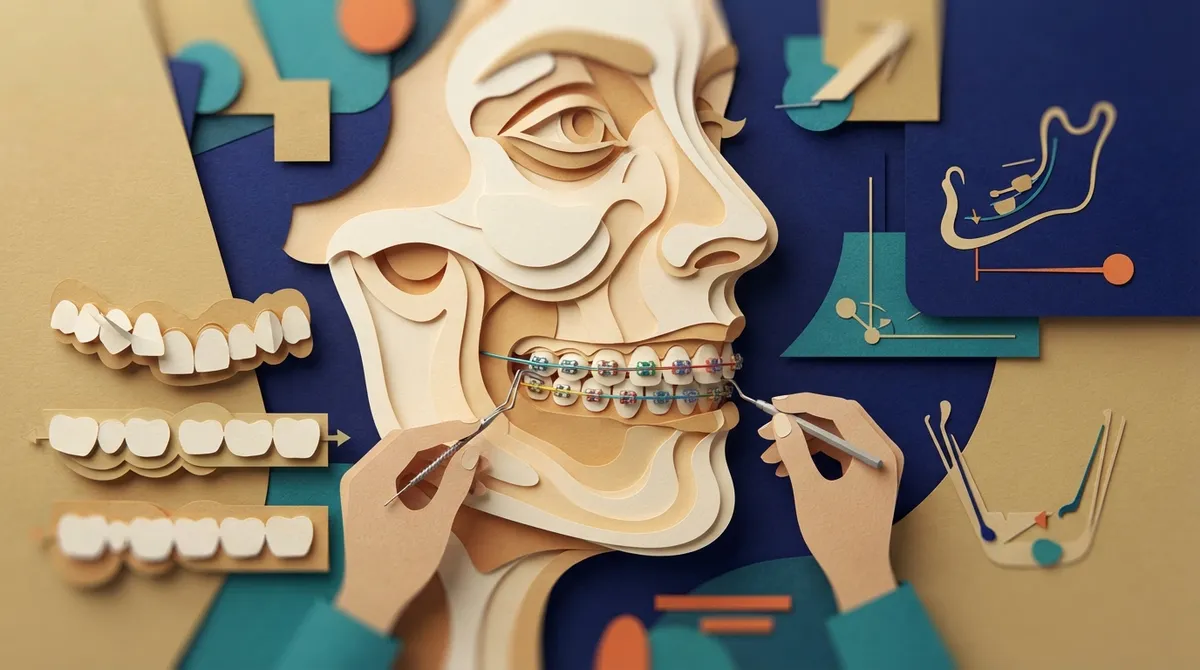
An orthodontic specialist, also called an orthodontist, is a dentist with advanced training in one focused area. That area is the diagnosis, prevention, and treatment of crooked teeth and misaligned jaws. These problems are called malocclusions, which is just a fancy word for a “bad bite.”
Think of it like this. A family doctor is great for your overall health. But if you have a heart concern, you see a cardiologist. In the same way, your general dentist keeps your teeth healthy day to day. An orthodontic specialist steps in when the way your teeth and jaws fit together needs expert attention.
These specialists look at much more than how your smile looks. They study:
- How your upper and lower teeth meet when you bite
- How your jaws line up and relate to each other
- When and how your teeth come in (erupt)
- How your face and jaws are growing, especially in kids
That bigger picture helps them decide if treatment is needed, which type is best, and when to start.
How Much Training Do Orthodontic Specialists Have?
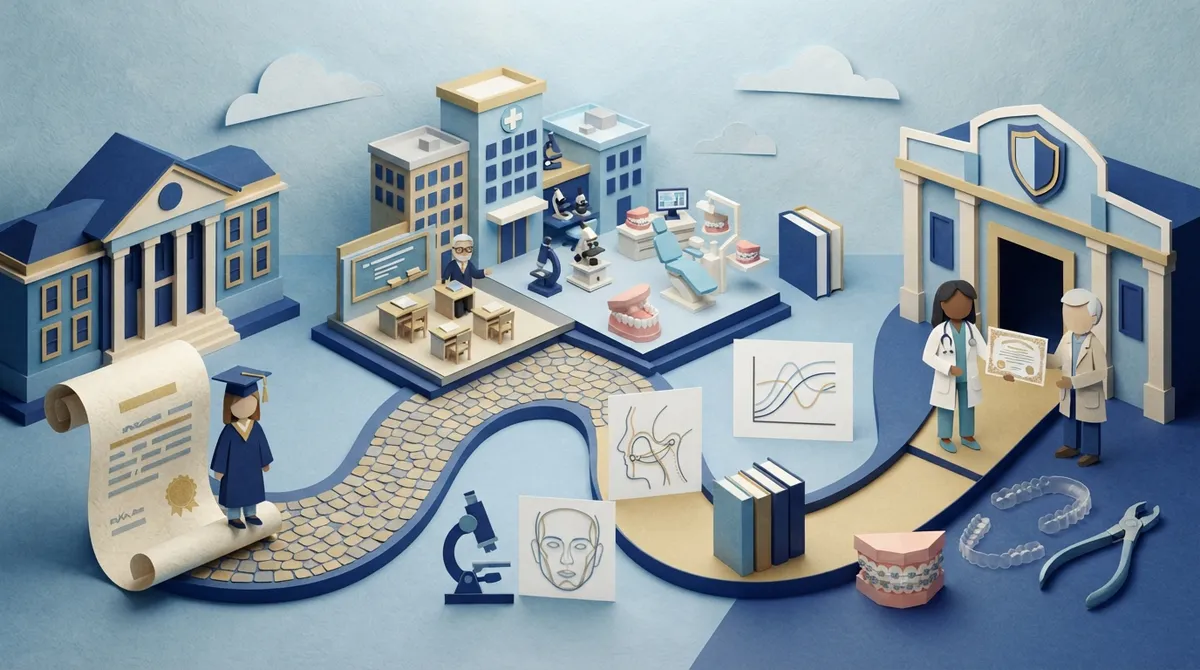
This is where the “specialist” part really shines. In the United States, an orthodontist first completes dental school. After that, they enter an accredited orthodontic residency program, which is commonly two to four years long. The U.S. Bureau of Labor Statistics also notes that dental specialties typically need an additional two to four years of residency after dental school.
During those extra years, orthodontists learn about facial growth, tooth movement, bite mechanics, and how to use many different appliances. It’s training built for one purpose: moving teeth and guiding jaws safely and effectively.
Specialty Training vs. Board Certification
Here’s a detail many families don’t know. Finishing specialty training and holding a state license is one thing. Board certification is another. The American Board of Orthodontics (ABO) offers a voluntary credential that goes beyond training and licensure. It involves written and clinical exams, and board-certified orthodontists generally renew their certification every 10 years.
Not every excellent orthodontist is board certified, and certification is optional. But it’s one more way to see a doctor’s commitment to high standards. Curious about this topic? Our friendly guide on how to choose a board certified orthodontist you can trust walks you through it.
Orthodontist vs. General Dentist: What’s the Difference?
Both are important, and they work as a team. But their roles are different. Here’s a quick side-by-side look.
| Feature | General Dentist | Orthodontic Specialist |
|---|---|---|
| Main focus | Cleanings, cavities, gum health, fillings | Tooth alignment, bite, and jaw development |
| Extra training | Dental school | Dental school plus accredited specialty residency |
| Common treatments | Exams, fillings, crowns, preventive care | Braces, clear aligners, retainers, growth-guiding appliances |
| Visit style | Every six months for checkups | Regular adjustment visits during treatment |
In short, your dentist keeps your teeth healthy, and your orthodontic specialist helps them line up beautifully and function well. Want to dig deeper? Take a look at Orthodontist vs. Dentist: Which One Do You Actually Need? for more details.
What Treatments Do Orthodontic Specialists Offer?
Many people picture only metal braces, but today’s options are much more varied. The right choice depends on your diagnosis, your goals, and your lifestyle. Not every appliance suits every case, and that’s exactly why seeing a specialist matters.
Here are some of the most common treatments:
- Traditional metal braces: Strong, reliable, and effective for a wide range of cases. Learn more about all about braces.
- Ceramic (clear) braces: Tooth-colored brackets that blend in more with your smile.
- Clear aligners: Removable, nearly invisible trays that gradually move teeth. Brockway Orthodontics offers Spark™ Clear Aligners, a more affordable option for many patients.
- Retainers: These keep your new smile in place after treatment. Here’s more on retainers.
- Growth-guiding appliances: Tools like palatal expanders that help guide jaw and tooth development in growing kids.
If you’re torn between two popular choices, our post on traditional braces vs. clear aligners can help you weigh the pros and cons.
When Should Kids See an Orthodontic Specialist?
Parents, this one’s for you! The American Association of Orthodontists (AAO) recommends that children have their first orthodontic check-up by age 7, or sooner if you notice a concern. That might sound early, but here’s the good news: a check-up does not mean braces right away.
At age 7, a child usually has a mix of baby and adult teeth. That gives a specialist a clear view of how things are developing. Often, the answer is simply, “Everything looks great, let’s keep an eye on it.” Other times, early guidance can make later treatment simpler.
Signs it may be time for an early visit include:
- Baby teeth that fall out very early or very late
- Trouble chewing or biting
- Thumb sucking that continues past the usual age
- Teeth that look crowded or stick out
- Jaws that shift or make sounds when moving
Many kids who need full treatment start after more permanent teeth have come in. But timing depends on each child’s growth and specific needs. Learn about early treatment and what it can do, or read Orthodontics for Kids: What Every Parent Should Know.
Do Orthodontic Specialists Treat Teens and Adults Too?
Absolutely! Orthodontic care isn’t just for kids. Teens often start treatment when most of their permanent teeth are in, and many love that modern options fit their style and busy schedules. Check out our adolescent treatment page to see what’s possible.
Adults are in on the fun, too. More grown-ups than ever are choosing treatment, whether it’s for a first-time fix or a second round after an old retainer was forgotten. If you’re wondering whether it’s too late, the answer is almost always no. See 8 Truths About Whether You’re Too Old for Braces for a confidence boost. You can also explore our adult treatment options.
Adult professionals often want something discreet and efficient. Patients with relapse, meaning their teeth have shifted since earlier treatment, can often be retreated with a personalized plan. And if you care deeply about oral health, a specialist can tailor care around gum concerns or more complex needs.
What Happens at Your First Orthodontic Visit?
Feeling a little nervous? That’s totally normal! The first visit is mostly about getting to know you and gathering information. Here’s what usually happens:
- A friendly conversation: You share your concerns, goals, and health history.
- An exam: The specialist checks your teeth, bite, and jaw.
- Imaging: Digital scans or X-rays give a clear picture of what’s going on.
- A treatment discussion: You learn about options, timelines, and costs.
- Your questions answered: A good team never rushes this part.
You can see what to expect on our first visit page. For an even deeper look, read Your Orthodontic Consultation: What to Expect and Why It Matters.
How Do You Choose the Right Orthodontic Specialist?
Picking a specialist is a big decision, since you’ll see them regularly for months or even years. Here are friendly tips to guide you:
- Check credentials: Make sure they completed an accredited orthodontic residency. Board certification is a nice bonus. You can also look to groups like the Florida Association of Orthodontists and the American Dental Association for trusted information.
- Look at the treatment menu: Do they offer braces, ceramic braces, and clear aligners, so your plan fits your needs and not the other way around?
- Ask about technology: Digital scans and 3D imaging can make visits more comfortable and planning more precise.
- Talk about costs: Ask about payment plans and insurance help. See our page on financing and insurance.
- Trust your gut: You should feel heard, comfortable, and welcome.
Need more guidance? Our article How to Find the Right Orthodontic Specialist Near You goes step by step.
Why Families in Clearwater Trust Brockway Orthodontics
If you’re in the Clearwater, Florida area, you have a wonderful local option. At Brockway Orthodontics, Dr. Brockway brings extensive training and a real passion for helping people feel good about their smiles. She takes time to listen to your concerns and dreams, so you feel comfortable and informed from start to finish.
We celebrate families! We offer treatments for teens getting their first braces, adults wanting a discreet smile makeover, and everyone in between. Our modern tools, like digital impressions instead of messy molds and 3D imaging, help make your visits comfortable and your plan precise. In certain cases, we can even offer same-day treatments, which is a lifesaver for busy families.
Don’t just take our word for it. See what our patients are saying and visit us on Google — Brockway Orthodontics to read reviews from our Clearwater community. You can also follow along with us on Facebook for smile stories and practice updates.
A Quick Look at Why Specialists Matter
Still on the fence about whether you need a specialist? Consider these benefits:
- Focused expertise: Every day is spent on tooth movement and bite correction.
- Personalized plans: Treatment is built around your diagnosis and growth stage.
- Better long-term results: Proper alignment can make cleaning easier and support healthier chewing.
- More options: Specialists can compare braces, aligners, and appliances and recommend what really fits.
It’s also worth knowing the field is small but mighty. The U.S. Bureau of Labor Statistics reported about 7,100 orthodontist jobs in 2025. That number is an employment estimate, not a count of every licensed orthodontist, but it shows how specialized this career really is.
Ready to Meet Your Orthodontic Specialist?
Straight teeth and a healthy bite are about so much more than looks. They’re about comfort, confidence, and feeling great every time you smile. Whether you’re booking a first check-up for your 7-year-old, helping your teen get ready for big life moments, or finally taking the leap yourself, an orthodontic specialist can guide you every step of the way.
We’d love to meet you. Book your appointment online and take that first happy step toward a smile you’ll love. Prefer to chat first? Just contact us, and our friendly team will be glad to help.
FAQs
Q: What does an orthodontic specialist do?
A: An orthodontic specialist is a dentist with extra training in diagnosing and treating crooked teeth, bite problems, and jaw development. They use tools like braces, clear aligners, retainers, and growth-guiding appliances. Their goal is a healthy, comfortable bite and a smile you love.
Q: How many years of training does an orthodontist have?
A: After finishing dental school, orthodontists complete an accredited specialty residency that is commonly two to four years long. That extra time is spent learning how teeth move and how jaws grow. Board certification through the American Board of Orthodontics is an optional extra credential.
Q: When should a child first see an orthodontist?
A: The American Association of Orthodontists recommends a first check-up by age 7, or earlier if you notice a concern. Don’t worry, though, because a check-up doesn’t mean treatment has to start right away. Often, the specialist simply monitors growth and tells you when the best time to begin will be.
Q: Do orthodontic specialists treat adults as well as children?
A: Yes! Orthodontic specialists treat patients of all ages, including adults who want to straighten their teeth for the first time or fix relapse after earlier treatment. Options like ceramic braces and clear aligners make treatment more discreet and fit well with a busy professional life.
Q: How can I check whether an orthodontist is board certified?
A: You can look up a doctor’s status on the American Board of Orthodontics website, or simply ask the practice directly. Remember that board certification is voluntary and separate from specialty training and state licensure. A friendly team will be happy to explain their credentials.
Our Service Area