Key Takeaways
-
Braces move teeth through constant, gentle pressure, but your jawbone and periodontal ligament do the real work by breaking down bone on the pressure side and rebuilding it on the tension side.
-
Elastics only work when worn as directed; removing them for part of the day stops and starts the force and slows progress.
-
Skipping adjustment appointments can make the force on your teeth fade or stall, potentially adding weeks to your treatment timeline.
-
Hard, sticky, or chewy foods like hard candy, popcorn, ice, and caramel can break brackets, and a loose bracket stops guiding its tooth until repaired.
-
Stopping retainer wear after braces can let teeth drift back, undoing months of work, because the bone around them is still settling.
-
Average treatment lengths are only estimates: a 2024 AAO survey reported a median of 22 months, but your timeline depends on your bite, plan, and habits.
Ever wonder what is really happening inside your mouth after the wires go on? You are not alone. Parents, teens, and adults all ask the same thing: how do braces move teeth, and why does it take so long? The short answer is that braces apply gentle, steady pressure, and your body does the hard work. But here is the catch. Small habits can slow that process down without you even noticing.
Think of braces like a good GPS. The brackets and wires show the route. Your jawbone and gum tissue do the driving. When you skip a step or ignore a tip, you take a detour. In this guide, we will explain the science in plain words, then walk through 12 common mistakes that can stretch out your treatment. Whether you are a parent planning for your child, a teen counting down to graduation, or an adult who had braces years ago and wants a second shot, you will find something useful here. Let’s dig in!
How Do Braces Move Teeth? The Simple Science
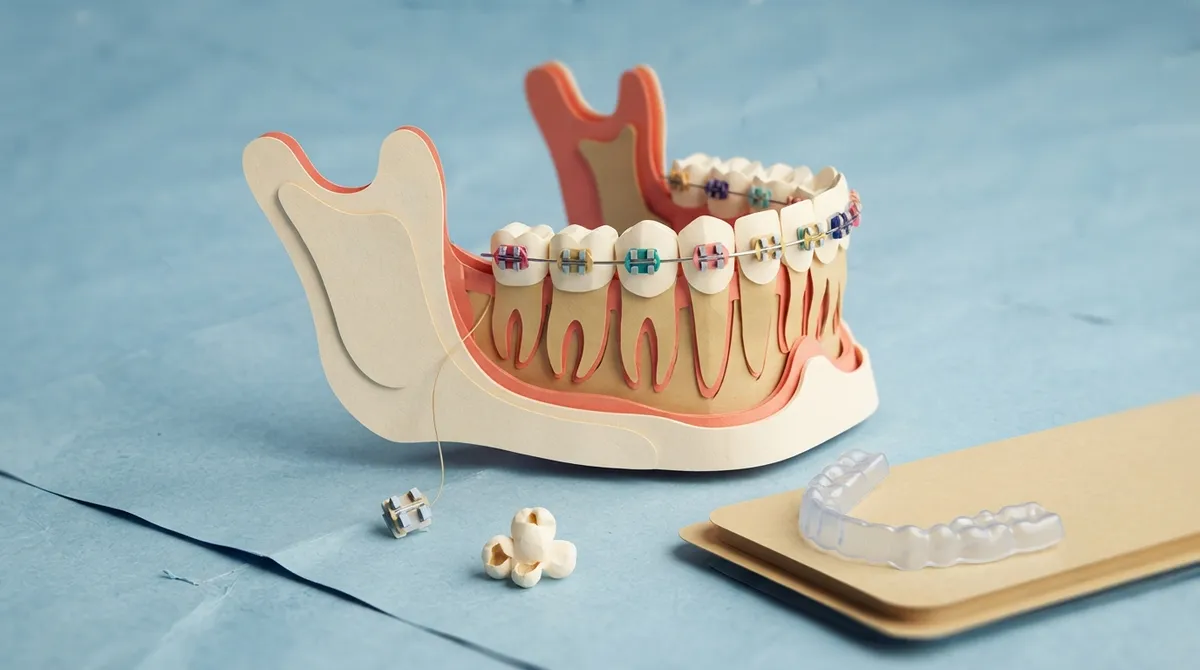
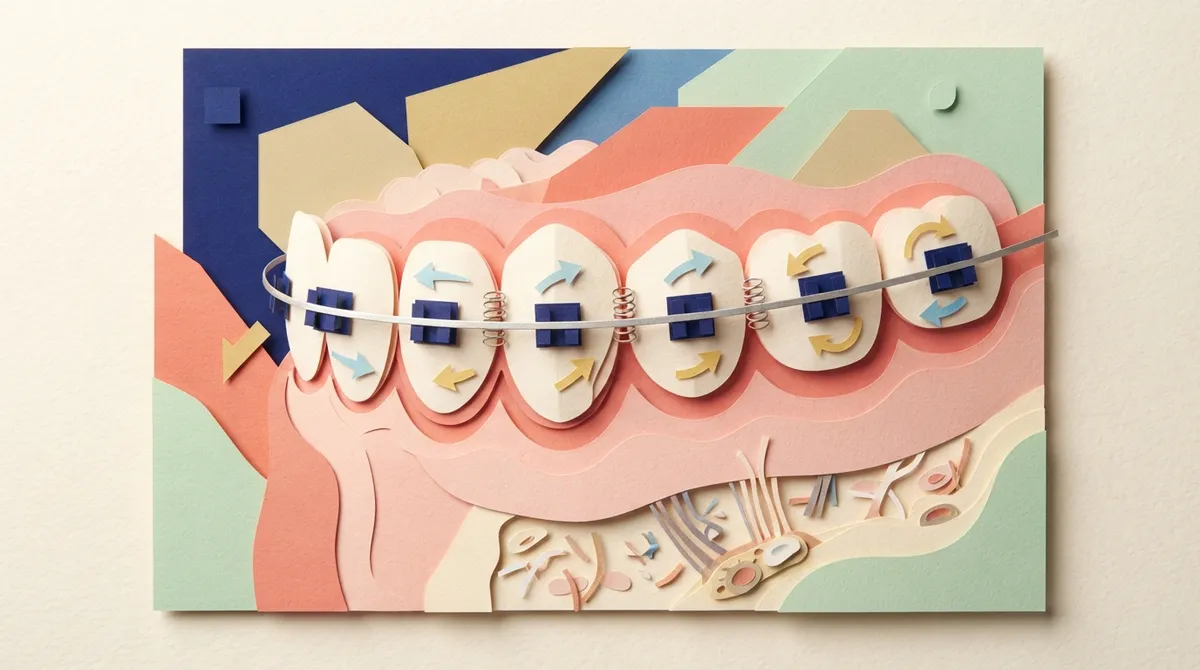
Braces move teeth by using constant, gentle force. The brackets are small anchors glued to each tooth. An archwire runs through them and acts like a guide rail. As the wire tries to return to its original shape, it nudges each tooth toward a better spot.
The American Association of Orthodontists (AAO) explains that braces and aligners apply steady, light pressure, and that bone remodeling is the process that lets teeth shift. The appliance gives the direction. Your body’s tissues carry out the movement. That is why the wire alone never does the job without your biology joining in.
What Is the Periodontal Ligament?
Every tooth sits in a socket in your jawbone. Between the tooth root and the bone is a thin layer of connective tissue called the periodontal ligament, or PDL. Think of it as a tiny shock absorber. When braces push on a tooth, the PDL feels pressure on one side and tension on the other.
That change in pressure sends out local signals in the tissue. Those signals tell your body to start remodeling the nearby bone. This is the real engine behind tooth movement.
Bone Remodeling: Breaking Down and Building Up
Here is where it gets neat. On the pressure side, special cells called osteoclasts break down a little bit of bone. On the tension side, cells called osteoblasts build new bone. The tooth and its supporting tissue adapt together as the tooth slides into its new home.
This is also why tooth movement is gradual. Teeth do not plow through solid bone like a bulldozer. They shift slowly as the bone around them rebuilds. Your orthodontist adjusts the appliance over time to keep guiding that process.
The Quick Overview: What Happens at Each Stage
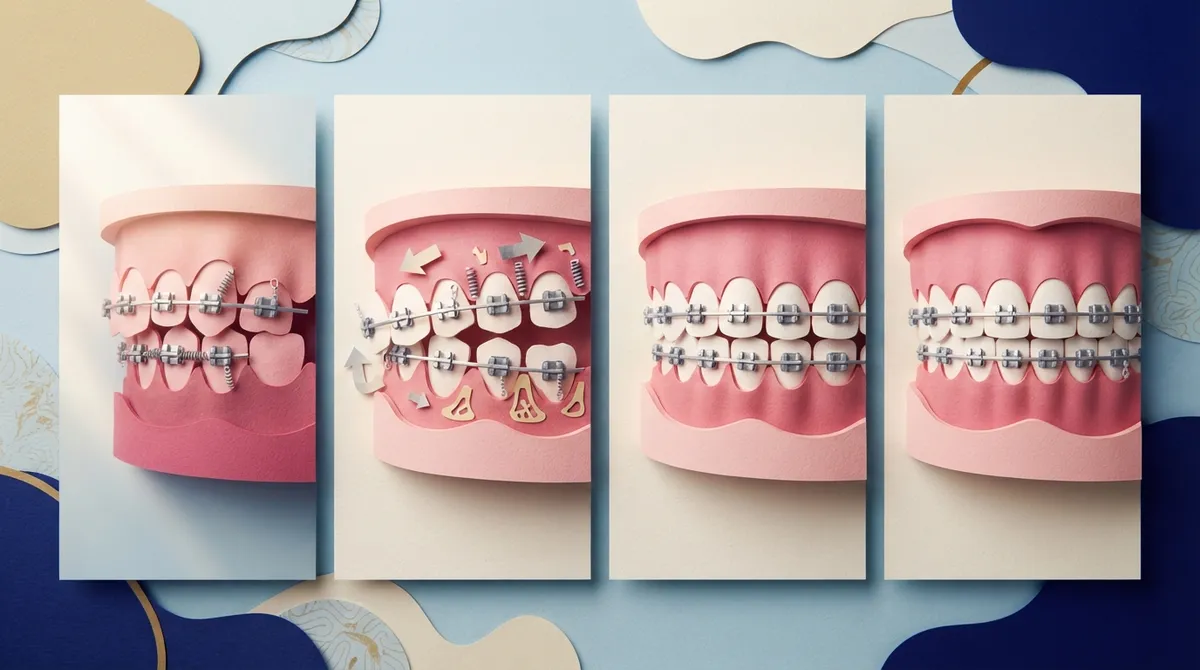
Here is a simple look at how the process unfolds from start to finish.
| Stage | What Happens | What You May Notice |
|---|---|---|
| Placement | Brackets are bonded and the archwire is attached | Pressure and a snug feeling |
| Early movement | PDL responds and bone begins to remodel | Mild soreness for a few days |
| Adjustment visits | Wires, elastics, or other parts are changed | Tender teeth after tightening |
| Finishing | Fine details and bite are refined | Teeth feel more settled |
| Retention | Retainer holds the new position | Very little change if worn as advised |
Want a deeper look at the hardware? Check out our guide on all about braces to see how each part works together.
12 Mistakes That Slow How Braces Move Teeth
Now for the part you came for. These are the habits and missteps that can quietly slow your progress. Good news: every one of them is fixable.
1. Skipping Appointments
Adjustment visits are when your orthodontist updates the wire, adds elastics, or changes the plan. Miss a few, and the force on your teeth can fade or stall. Even a short delay can add weeks to your timeline. Try to book your next visit before you leave the office.
2. Not Wearing Your Elastics as Directed
Elastics, often called rubber bands, add extra force to help fix your bite. They only work when they are in your mouth. Wearing them only part of the day means the force keeps stopping and starting. Your teeth then have a hard time making steady progress.
Keep a few spare packs in your backpack, car, and nightstand. That way, you never have an excuse.
3. Eating Foods That Break Brackets
A loose bracket cannot move a tooth. Hard, sticky, or chewy snacks are the usual suspects. Think hard candy, popcorn kernels, ice, and caramel. When a bracket pops off, that tooth stops getting guided until it is fixed. Our foods to avoid with braces guide has easy swaps for your favorite snacks.
4. Poor Brushing and Flossing
Plaque loves to hide around brackets. When gums get puffy and sore, treatment can get harder and sometimes slower. Healthy gums and bone are what make tooth movement possible in the first place. Brush after meals and floss daily with a threader or water flosser. If you need a refresher, see our tips on how to brush teeth with braces.
5. Chewing Pens, Nails, or Ice
These habits can bend wires, snap brackets, and cause surprise emergencies. A bent wire may push teeth in the wrong direction. If you are a nervous nail biter, keep sugar-free gum or a fidget toy handy to give your hands and mouth a new job.
4. Poking and Pushing Teeth With Your Tongue or Fingers
It might feel like you are helping, but random pressure can fight your orthodontist’s plan. Tongue thrusting and finger habits can push teeth in unwanted directions. Let the braces do the steering. If you have a habit you cannot shake, tell your orthodontist so they can help.
7. Ignoring a Broken Wire or Loose Bracket
It is tempting to wait until your next visit. But a poking wire or loose bracket can slow movement and may irritate your cheek. Call the office when something breaks. A quick fix keeps your treatment on track. Not sure what counts as urgent? Our post on emergency vs. routine orthodontics breaks it down.
8. Trying a DIY Fix
Clipping wires at home, using superglue, or bending parts back is a big no. These shortcuts can damage your teeth, hurt your gums, and set your plan back. Always call your orthodontist first. They can talk you through safe steps for the meantime.
9. Expecting Instant Results
Because movement is gradual, some people get discouraged. Teeth shift in tiny steps as bone remodels around them. Published averages give a rough idea, but they are not a promise for your smile. A 2016 systematic review of 22 studies with 1,089 participants reported a mean duration of 19.9 months for comprehensive fixed-appliance treatment. AAO survey data for 2024 reported a median treatment length of 22 months. Your own timeline depends on your bite, your plan, and your habits.
10. Worrying Too Much About Normal Soreness
Mild soreness after placement or an adjustment is common. It is a sign your PDL and bone are responding. A tooth may even feel a bit loose during active movement. That is usually normal. Soft foods and a warm saltwater rinse can help.
That said, severe pain, an injury, or a broken appliance deserves a call to your orthodontist. Do not guess when something feels off.
11. Forgetting About Special Parts
Some treatment plans use extra pieces like expanders, springs, or headgear. Each one has a job in guiding teeth or jaws. If you skip using them as directed, progress can slow down. Ask your team to explain what each part does so you feel confident wearing it.
12. Stopping Short on Retainer Wear
This one is a big deal. After braces come off, the bone around your teeth is still settling. Everyday forces from chewing, talking, and growth can nudge teeth back. The AAO notes that retainers help hold the result, and your orthodontist should tell you how long to wear them. Skipping your retainer can undo months of hard work. Learn more about retainers and how they protect your new smile.
Quick Tips to Help Your Braces Work Faster
Want to keep things moving? Here are a few simple habits that help.
- Show up to every scheduled appointment.
- Wear elastics exactly as directed, all day if asked.
- Choose braces-friendly foods and cut hard snacks into small bites.
- Brush after meals and floss daily.
- Call the office as soon as something breaks or feels wrong.
- Wear your retainer as instructed after treatment ends.
Do Braces Move Roots as Well as Crowns?
Great question. The visible part of your tooth is the crown. Under the gums is the root. Braces can move both. Moving a root takes planning and careful control, because the whole tooth has to travel through the supporting bone. This is one reason treatment plans differ so much from person to person. Your orthodontist decides which movements your smile needs.
Braces and Clear Aligners: Same Science, Different Tools
Whether you pick braces or clear aligners, your body does the same remodeling work. The AAO describes both as using constant, gentle pressure. The difference is how that pressure is delivered. Braces use brackets and wires that stay on your teeth. Aligners use a series of removable trays. Because aligners come out, wear time matters a lot.
Curious which path fits you best? Our comparison of clear aligners vs. braces can help, and you can also read about Spark Clear Aligners as a more affordable option.
Who Benefits Most From Understanding the Process?
Knowing how braces work helps every kind of patient.
- Parents: You can coach your child on habits that protect progress and know what is normal.
- Teens: You will see why elastics and checkups matter before big events like graduation.
- Adult professionals: You can plan visits around a busy schedule and stay on track.
- Retreatment patients: You will understand why retainers matter so much this time around.
- Health-conscious patients: You will see how strong gums and bone support every step.
Brockway Orthodontics in Clearwater, Florida, offers metal braces, ceramic (clear) braces, and Spark™ Clear Aligners for kids, teens, and adults. Dr. Brockway takes time to listen and explain every step, so you always know what to expect. Our practice uses modern tools like digital impressions and 3D imaging to plan your care, and in certain cases same-day treatment may be possible. Want to see what neighbors say? Visit us on Google — Brockway Orthodontics and read the reviews.
How Long Will It Take?
This is the question everyone asks. The honest answer is that it depends. Complex tooth and bite problems, the planned movements, and personal factors all play a part. Averages are helpful, but they are not a guarantee. For a closer look at timelines, read our friendly guide on how long braces take.
The best way to get a real estimate is a personal exam. Your orthodontist can look at your teeth, bite, and goals, then map out a plan made just for you. If you are new to the process, here is what to expect on your first visit.
Ready to Start Moving Toward Your Best Smile?
Now you know how braces move teeth: gentle force from the appliance, plus your body’s amazing ability to rebuild bone around each tooth. You also know the 12 mistakes that can slow things down, and how easy they are to avoid. A little care each day adds up to big results.
If you are curious about braces or aligners for yourself or your family, we would love to meet you. Book your appointment online and let Dr. Brockway walk you through your options in a warm, no-pressure visit. You can also contact us with any questions. For general oral health guidance, the American Dental Association is a trusted resource, and the Florida Association of Orthodontists shares helpful information for patients across the state. We cannot wait to help you smile with confidence!
FAQs
Q: How do braces move teeth through bone?
A: Braces apply gentle, steady pressure, and that pressure changes the tissue around each tooth root. Your body then breaks down a little bone on the pressure side and builds new bone on the tension side. So the tooth does not plow through solid bone. It shifts slowly as the bone remodels around it.
Q: Why do my teeth feel sore after braces are tightened?
A: Mild soreness is totally normal, and it means your teeth and supporting tissue are responding to fresh pressure. It usually fades within a few days. Soft foods and a warm saltwater rinse can help, but call your orthodontist if the pain is severe or something feels broken.
Q: Is it normal for teeth to feel loose with braces?
A: Yes, a tooth can feel slightly mobile while it is actively moving, because the ligament and bone around it are adapting. This usually settles down as the tooth reaches its new spot. If a tooth feels very loose or you notice an injury, let your orthodontic office know.
Q: How long does treatment with braces usually take?
A: It varies from person to person. AAO survey data for 2024 reported a median treatment length of 22 months, but that is only an average. Your own timeline depends on your bite, your plan, and how closely you follow your orthodontist’s directions.
Q: Why do I need a retainer after braces?
A: After braces come off, the bone around your teeth is still settling, and everyday forces can nudge teeth back toward their old positions. A retainer holds your new smile in place while that bone stabilizes. Your orthodontist will tell you how often and how long to wear it.
Our Service Area