Key Takeaways
-
Early signs like a retainer that won't fully seat, new gaps, or a changed bite warrant a prompt checkup, since catching movement sooner usually leaves more treatment options.
-
Never force a tight retainer or adjust it yourself; pushing or biting it in can damage the appliance and put uneven pressure on teeth.
-
A retainer is designed to hold teeth in place, not reliably move them back, so an old retainer worn more often is not a fix for shifting.
-
Shifted teeth do not automatically mean starting over; options range from keeping the retainer or getting a replacement to limited aligner or braces treatment, depending on the exam.
-
Adults who had teen braces are often relapse patients, and retreatment with discreet options like clear aligners is common at any age.
-
Store your retainer in its case, keep it away from heat and pets, and bring it to checkups so the fit can be monitored.
You wore your braces or aligners faithfully. You smiled big on debonding day. Then, a year or two later, you glance in the mirror and think, “Wait… did my front teeth just move?” If that sounds familiar, take a deep breath. You are far from alone, and it is often fixable.
Teeth can change position throughout life. That is why finding the right Clearwater orthodontist for shifting teeth matters so much. The right expert can tell you whether the movement is minor, stable, or still progressing. They can also explain your options in plain language, without pressure.
In this friendly guide, we will walk through nine common mistakes people make when their teeth start to drift. We will also share what to do instead. Whether you are a parent watching your teen’s smile, a busy professional with an old retainer in a drawer, or an adult who finished treatment years ago, there is something here for you.
Why Teeth Shift in the First Place
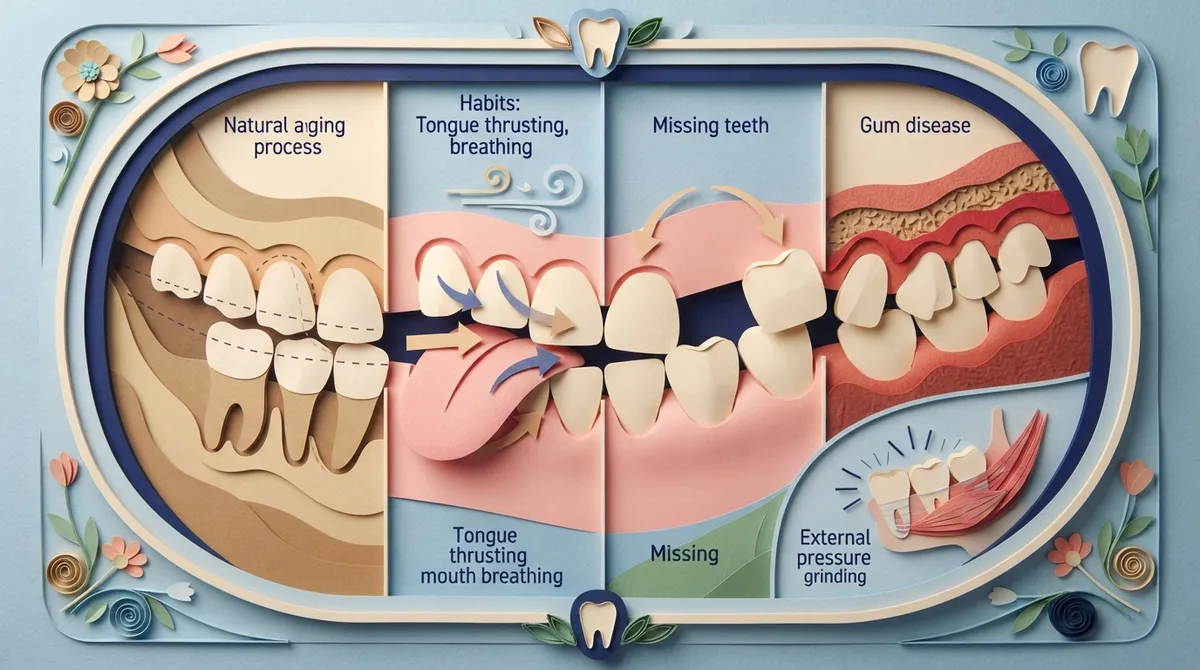
Before we get to the mistakes, let’s talk about why teeth move at all. After braces or clear aligners, your teeth sit in new positions. The bone and gum tissue around them need time to adapt. Retainers help hold everything steady while that happens.
Even with great retainer habits, teeth can still change over time. Retainers lower the risk of relapse, but they cannot promise your teeth will never move. Daily life plays a role too, and so does age.
Common reasons teeth shift include:
- Not wearing a retainer as directed after treatment
- A retainer that is cracked, warped, or no longer fits well
- Teeth grinding or clenching
- Habits like nail biting or pressing the tongue against the teeth
- Natural changes in the bite and jaw as we get older
- Missing teeth that leave gaps for neighbors to drift into
Now let’s look at the mistakes that make shifting worse, or that cost people time and money.

Mistake 1: Ignoring the Early Signs
It is easy to brush off a small change. Maybe one bottom tooth looks a little tilted. Maybe floss suddenly catches in a spot where it never did before. These small clues can be the first signs of movement.
Watch for these signals:
- Your retainer feels tight or will not slide on all the way
- New gaps or overlapping teeth
- Your bite feels different when you chew
- Teeth look more crowded than they did last year
The sooner you check in, the more options you tend to have. A quick visit can help you learn whether the movement is stable or still going.
Mistake 2: Forcing a Tight Retainer to Fit
This one is very common. Your retainer feels snug, so you push harder. Please do not do this. A retainer that will not seat fully may be telling you your teeth have moved.
Pushing, biting down to snap it in, or trying to adjust it yourself can damage the retainer. It can also put uneven pressure on your teeth. If it will not fit, causes real pain, or looks damaged, stop and call an orthodontist for an assessment.
Not sure where to begin? Our guide on why a retainer feels tight all of a sudden explains what may be happening and what to do next.
Mistake 3: Expecting Your Old Retainer to Fix Everything
Here is an important truth. A retainer is built to hold teeth, not to reliably move them back. Wearing an old retainer around the clock and hoping it will undo shifting is a bit like using a seat belt to steer a car.
Sometimes a retainer can nudge a very small shift. But that is not its main job, and it depends on how much movement happened. Forcing the issue can also stress your teeth.
An orthodontist can examine your teeth and your retainer together. Then they can tell you if you need a new retainer, an adjusted plan, or a short round of treatment. You can learn more about retainer options on our site.
Mistake 4: Skipping an Exam and Guessing Online
Social media is full of quick fixes and mail-order tricks. It is tempting, especially when you are busy. But shifting teeth are not all the same, and guessing can backfire.
A real evaluation looks at much more than how your smile looks in a photo. A good orthodontist checks:
- Where your teeth sit now compared with where they were
- How your upper and lower teeth meet when you bite
- How well your current retainer fits
- Your treatment history and how long ago it ended
- Whether the movement is steady or still progressing
The best plan depends on those findings. If you want to know what a visit feels like, read what to expect during your orthodontic exam.
Mistake 5: Thinking You Are Too Old to Fix It
Many adults assume the window has closed. They worry about looking different at work or feeling out of place in a waiting room. Good news: adults get treatment all the time, and modern options are discreet.
If you had braces as a teen and your teeth have drifted, you may be what we call a relapse patient. This is a very normal situation. Many adults aged 25 to 45 come to us for exactly this reason, and they leave feeling proud of their smiles.
Curious about adult care? Take a look at our page on adult treatment, or read 8 truths about whether you are too old for braces.
Mistake 6: Assuming Retreatment Means Starting All Over
Hearing the word “retreatment” can feel discouraging. You might picture years in braces again. In reality, the plan depends on how much your teeth moved.
Depending on your exam, an orthodontist may recommend one of these paths:
| Situation | Possible Approach | What to Expect |
|---|---|---|
| Teeth are stable, retainer fits well | Keep wearing your retainer as directed | Regular check-ins to monitor |
| Retainer is damaged, lost, or no longer fits | Replacement retainer, after an exam | New appliance made to match current teeth |
| Mild to moderate shifting | Limited clear aligner or braces treatment | Often shorter than first-time treatment |
| Bigger changes or bite problems | More complete treatment plan | Personalized plan after full evaluation |
Notice how many routes do not mean starting from scratch. An exam is the only way to know which one fits you.
Mistake 7: Choosing a Treatment Without Comparing Options
Some people jump to the first option they hear about. Others assume they only have one choice. The truth is you may have several, and the best one fits your life.
At Brockway Orthodontics, we offer Spark™ Clear Aligners, which many patients love because they are nearly invisible and removable. We also offer metal braces and ceramic (clear) braces. Spark aligners are also a more affordable alternative to Invisalign for many families.
Here is a quick look at how the choices compare:
- Clear aligners: Discreet, removable, and popular with adults and teens who want a low-profile option
- Ceramic braces: Tooth-colored brackets that blend in while still being fixed in place
- Metal braces: Reliable and effective, and a good fit for many different needs
Want help deciding? Our friendly breakdown on clear aligners vs. braces walks through the pros and cons.
Mistake 8: Waiting Until Costs and Schedules Feel Impossible
Life gets busy, and money questions are real. Some people put off a visit because they worry about price or time. We understand! But waiting can sometimes mean a bigger change to correct later.
Here is a gentle reminder. A first visit is a chance to learn, not a commitment. You can ask about costs, timelines, and payment options. We keep things simple and clear. Our team can walk you through financing and insurance so you know what to expect before you decide anything.
We also know many families juggle packed calendars. In certain cases, same-day treatments are possible, which can save you extra trips. Details depend on your situation, so it is always best to ask.
Mistake 9: Picking a Provider Without Checking the Basics
Not every practice is the same. When you search for a Clearwater orthodontist for shifting teeth, take a few minutes to check the basics. It protects your time, your money, and your comfort.
Here is a simple checklist to follow:
- Confirm the practice’s current location and hours
- Ask about the doctor’s training and credentials
- Check appointment availability that fits your schedule
- Ask what is included in the cost, and which payment options exist
- Make sure the team explains things clearly and answers your questions kindly
It also helps to confirm that your orthodontist is a trained specialist. The Florida Association of Orthodontists is one resource for learning more about the field in our state. For general oral health guidance, the American Dental Association is another helpful place to read.
You can also read our tips on how to find the right orthodontist in Clearwater, FL.
What a Visit for Shifting Teeth Looks Like
Let’s take the mystery out of it. Many people picture something stressful, but a first visit is usually calm and friendly.
Here is a typical flow:
- A warm welcome and a chat. We ask about your history, your goals, and any worries.
- A careful exam. We look at your teeth, your bite, and your current retainer.
- Modern imaging. We use tools like digital impressions instead of messy molds, plus 3D imaging to plan with precision.
- A clear explanation. We talk through what we see and what your options are, in everyday words.
- Next steps at your pace. You decide what feels right, and we support you either way.
You can read more about your first visit to see what to bring and what to expect.
Who We Help With Shifting Teeth
Shifting teeth do not play favorites. We see all kinds of patients, and each one gets a plan that fits.
- Parents: You may notice your child’s teeth moving after earlier treatment. We can check things and keep your family on track.
- Teens and young adults: Retainers are easy to forget during a busy school year. We help you get back on course before big milestones like graduation.
- Busy professionals: You want an efficient, discreet fix that will not disrupt your workday.
- Relapse patients: You already did the work once. We will help you protect your results this time.
- Health-conscious patients: If you have gum concerns or a complex bite, we build a custom plan that supports both function and looks.
Why Families Choose Dr. Brockway in Clearwater
Dr. Brockway is more than a qualified orthodontist in Clearwater, FL. She truly cares about your journey. She takes the time to listen to your concerns and your dreams for your smile. That way you feel comfortable and informed from start to finish.
Our practice is built around families. We offer treatments for teens getting first braces and for adults exploring a discreet smile makeover. We explain each step in a friendly, easy-to-follow way. Dr. Brockway also loves this community, and it shapes how she cares for every patient.
Want to know more about her? Meet Dr. Brockway and see what makes our team different. You can also read what neighbors say about us on Google. Visit us on Google — Brockway Orthodontics to see reviews and our Clearwater location.
Simple Habits That Help Protect Your Smile
Whether you are heading in for an exam or just want to prevent shifting, small habits make a real difference. Here are a few easy ones to start today:
- Wear your retainer exactly as your orthodontist directed
- Store it in its case, never wrapped in a napkin
- Keep it away from heat, hot water, and pets
- Bring it to your checkups so we can look at the fit
- Call us right away if it cracks, breaks, or feels off
If your retainer does break, do not panic. Our quick guide on what to do if your retainer breaks covers the steps to take.
Ready for a Fresh Start? Let’s Chat
Shifting teeth can feel frustrating, but they are rarely a reason to feel embarrassed. Almost everyone who has had orthodontic care deals with some change at some point. The key is to look at it early, avoid the common mistakes above, and talk with a caring expert.
If you have noticed your teeth moving, we would love to take a look. Our team will listen, examine your teeth and retainer, and share honest options in a way that makes sense. No pressure, just helpful answers.
Ready to take the next step? Book your appointment online today, or contact our friendly team with any questions. Your best smile is closer than you think.
FAQs
Q: Why are my teeth shifting after braces or clear aligners?
A: Teeth naturally want to move, and the bone and gums around them need time to settle after treatment. Skipping retainer wear, a worn-out retainer, grinding, and normal aging can all play a part. An orthodontist can check what is causing your movement.
Q: Can teeth shift years after orthodontic treatment?
A: Yes, they can! Teeth can change position throughout life, even many years after braces. Retainers lower the risk, but they do not guarantee your teeth will never move, so regular checkups are a smart idea.
Q: What should I do if my retainer feels tight or no longer fits?
A: Please do not force it or try to adjust it yourself. A tight retainer may mean your teeth have moved. Contact an orthodontist for an assessment so you can get the right fix.
Q: Will I need braces or clear aligners again if my teeth have shifted?
A: Not always. Depending on your exam, you might only need to keep wearing your retainer, get a replacement, or do a limited round of aligners or braces. A full evaluation is the best way to know what fits your smile.
Our Service Area