Key Takeaways
-
Waiting is a planned approach, not a delay: the orthodontist checks bite and jaw growth, sets regular follow-ups, and steps in when timing is right.
-
Many children wait so more permanent teeth can erupt; treatment often starts after most adult teeth come through, around age 12 to 13.
-
Jaw growth matters: some bite problems, such as narrow upper jaws, respond best during a growth spurt, so wait-and-see plans should include periodic reassessment.
-
Cavities and gum problems should be treated before braces, since braces make cleaning harder and raise the risk of decay and gum issues.
-
Earlier isn't always better: a Cochrane review found early two-phase treatment reduced front tooth injuries but showed no other clear final-result advantages.
-
Don't wait on crossbites, underbites, severe crowding, harmful habits like long-term thumb sucking, or prominent front teeth at risk of injury; ask what signs would mean starting sooner.
You finally booked the visit. Your child has a few crooked teeth, or maybe you’ve been thinking about your own smile for years. You sit down, the orthodontist takes a good look, and then comes the surprise: “Let’s wait and watch for now.” If that left you feeling a little confused, you’re not alone. Many families walk out wondering if something went wrong.
Here’s the good news. Why an orthodontist may recommend waiting usually comes down to timing, and good timing can make treatment shorter, easier, and more effective. Teeth, jaws, and bites keep changing as kids grow, and a smart plan works with that growth instead of rushing ahead of it.
In this friendly guide, we’ll walk through the most common reasons for a wait-and-see plan, what it really means, and which problems should not be put off. We’ll also share how to make the most of the waiting period so nothing slips through the cracks.
What Does “Wait and Watch” Actually Mean?
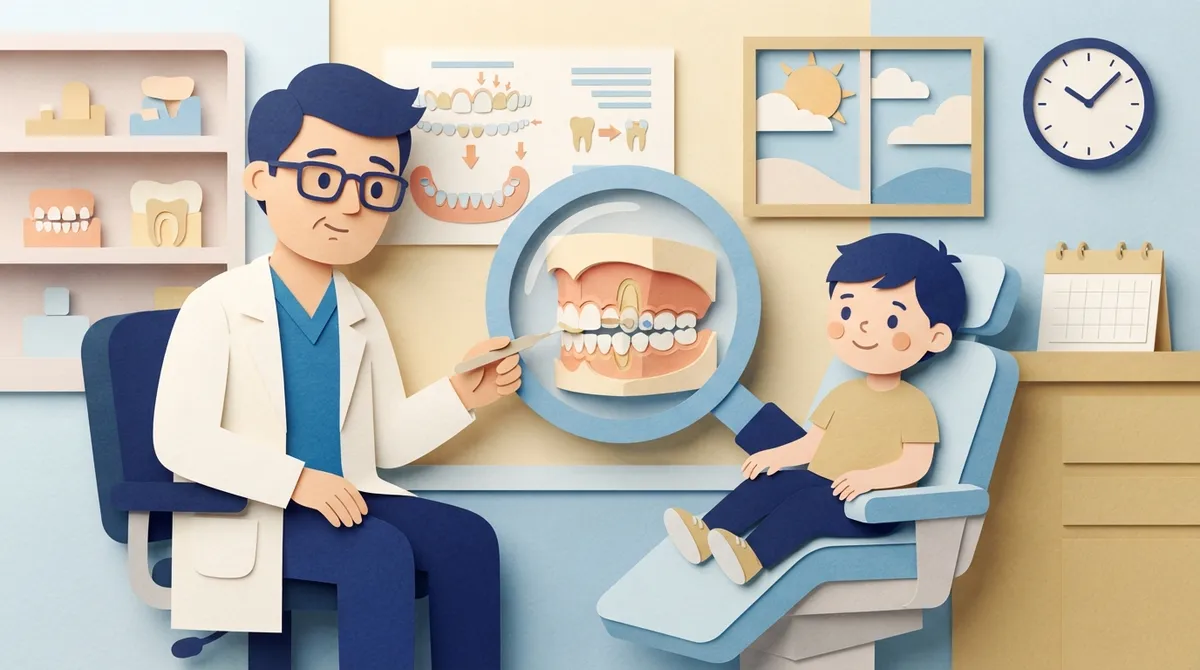
A wait-and-see recommendation is not the same as “come back someday.” It is a planned approach. Your orthodontist checks your child’s teeth, bite, and jaw growth, then schedules regular follow-ups to track how things develop.
Think of it like watching a garden. You don’t pull up a seedling the day it sprouts. You give it time, check on it often, and step in when the moment is right. Orthodontic monitoring works the same way.
It also helps to know that a first visit is different from starting braces. The American Association of Orthodontists (AAO) recommends an initial check-up by age 7, or sooner if you notice a concern. That visit is about gathering information. Many children are evaluated, then simply monitored for a while. If you’re curious about how that first visit works, our guide on age 7 vs. waiting breaks it down nicely.
Top Reasons an Orthodontist May Recommend Waiting
Every smile is different, so every recommendation is too. Still, a handful of reasons come up again and again.
- Permanent teeth haven’t arrived yet. Baby teeth and adult teeth are still swapping places.
- Jaws are still growing. Treatment may work best at a certain growth stage.
- Oral health needs attention first. Cavities or gum problems may need care before braces.
- Early treatment wouldn’t add much benefit. Some problems can be handled in one phase later.
- The bite is developing normally. Some gaps and crooked spots improve on their own as teeth come in.
Let’s look at each one more closely.
Reason 1: Waiting for More Permanent Teeth to Come In
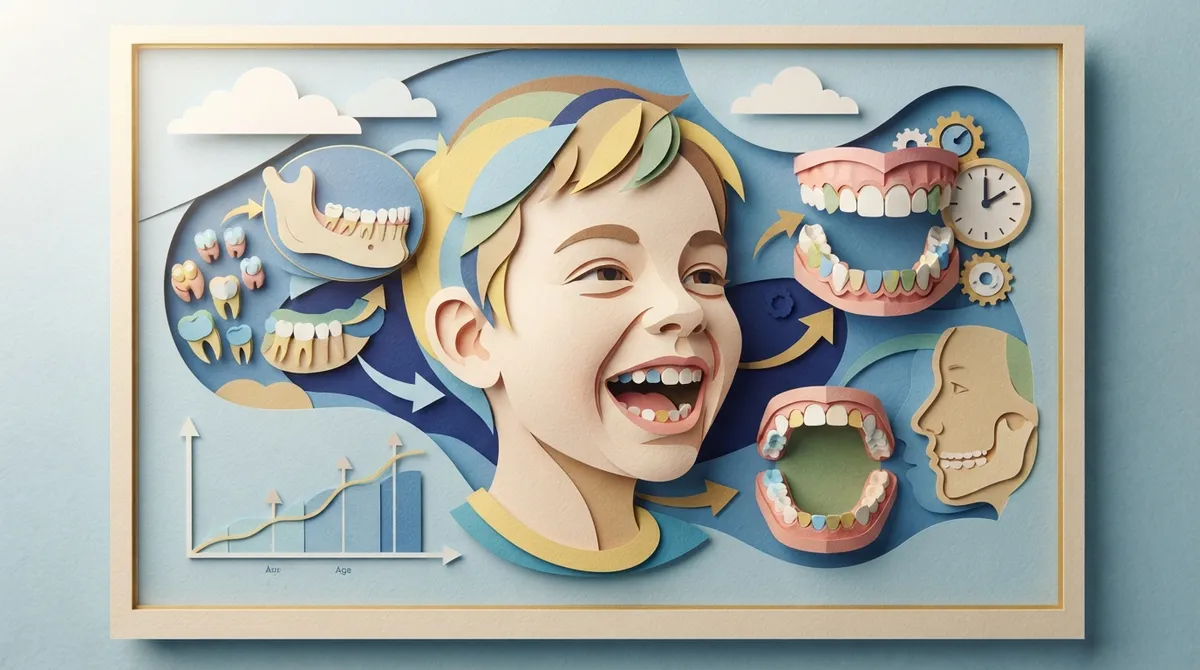
Between roughly ages 6 and 13, a child’s mouth is a busy construction zone. Baby teeth fall out, and adult teeth push in at different times. This stage is called mixed dentition, and it can look messy for a while.
Waiting lets more permanent teeth erupt, which makes it much easier to plan full tooth alignment. NHS guidance says treatment for children usually starts after most adult teeth have begun to come through, often around age 12 to 13, though timing varies from child to child.
If you want to understand what’s happening during this stage, check out how permanent teeth erupt and what that means for timing.
Starting too early can sometimes mean treating teeth that are still moving on their own. That can lead to longer treatment or the need for a second round later. Patience here can save time, money, and effort.
Reason 2: Letting the Jaws Grow to the Right Stage
Jaw growth plays a big role in how teeth fit together. Some bite problems, like a narrow upper jaw or certain bite differences, respond best when treatment lines up with a child’s growth spurt.
Your orthodontist may track growth over several visits so treatment starts at a helpful stage. It’s a bit like catching a wave. Paddle too early and you tire out. Paddle too late and you miss it.
This is also where the “don’t wait forever” message matters. Some growth-related corrections can be harder, or no longer possible without more involved options, once facial growth is complete. That’s why a good wait-and-see plan always includes periodic reassessment rather than an open-ended delay.
If you’re curious how growth shapes a plan, our article on jaw growth and bite development answers the questions parents ask most.
Reason 3: Oral Health Needs to Come First
Braces and aligners are wonderful tools, but they work best in a healthy mouth. If there are cavities, gum irritation, or trouble keeping teeth clean, an orthodontist may suggest tackling those first.
Here’s why. Braces can make brushing and flossing harder, which raises the risk of decay and gum problems. NHS guidance notes that treatment generally requires good oral hygiene. Starting treatment before the basics are under control can lead to stained teeth, swollen gums, or even treatment delays later.
This isn’t a judgment. It’s a safety step. Your orthodontist may work with your family dentist, set up a few hygiene goals, and then give you the green light once things look healthy. For more on this, read why cavities need attention before orthodontic treatment.
Reason 4: Early Treatment Wouldn’t Change the Outcome
It might surprise you, but earlier is not always better. Research backs this up. A Cochrane review looked at children with prominent upper front teeth and compared early two-phase treatment with one phase of treatment during the teen years.
The review found that early treatment reduced new injuries to the front teeth, but it found no other clear advantages in final results. The evidence was rated low to moderate quality, so it’s a helpful guide rather than a final word.
In practical terms, if starting early won’t make the end result better, an orthodontist may prefer to wait and do one well-timed round of treatment. That can mean fewer appointments and less time in braces overall. To compare the approaches, see our phase one vs. phase two orthodontics facts.
Quick Comparison: Wait vs. Treat Now
| Situation | Often Fits a Wait-and-Watch Plan | Often Fits Earlier Treatment |
|---|---|---|
| Mild crowding | Yes, while adult teeth continue to erupt | Sometimes, if crowding is severe |
| Tooth eruption stage | Few permanent teeth in so far | Teeth erupting in harmful positions |
| Jaw growth | Growth still ongoing, no urgent issue | Certain crossbites or underbites |
| Oral hygiene | Cavities or gum issues need care first | Healthy gums and clean teeth |
| Front teeth position | Mild protrusion with low injury risk | Prominent upper front teeth at risk of injury |
| Oral habits | Habit is fading on its own | Thumb sucking or tongue thrust affecting the bite |
This table is a general guide. Your orthodontist looks at the full picture, including photos, X-rays, and a hands-on exam, before making a call.
When Waiting Is NOT the Right Choice
We want to be clear: waiting is not right for every child. Some problems benefit from earlier action, and the orthodontist should explain exactly why they recommend one path over the other.
Signs that earlier treatment may be worth discussing include:
- Crossbites, where upper teeth bite inside the lower teeth.
- Underbites, where the lower teeth sit in front of the upper teeth.
- Severe crowding that is blocking adult teeth from coming in.
- Harmful oral habits, such as long-term thumb sucking, that are shaping the bite.
- Prominent upper front teeth that are at risk of injury during play or sports.
If any of these sound familiar, don’t hold back from asking questions. Our guides on crossbite treatment and mistakes parents make skipping early orthodontic treatment can help you spot what matters.
What Happens During a Wait-and-Watch Period?
A good monitoring plan has structure. Here’s what you can usually expect.
- An initial evaluation. Your orthodontist checks your child’s bite, tooth positions, and growth pattern.
- Clear records. Photos, digital scans, or X-rays may be taken to compare changes over time.
- A follow-up schedule. Visits are often spaced several months apart, depending on your child’s needs.
- Reassessment at key moments. Your orthodontist checks progress as new teeth come in or growth changes.
- A decision point. When the timing is right, you’ll talk through treatment options and a plan.
Regular check-ins are what make waiting safe. If you’re wondering why those visits matter so much, read why orthodontic checkups matter so much.
How Parents Can Make the Waiting Period Count
Waiting doesn’t mean sitting on the sidelines. There’s plenty you can do to set your child up for a smoother start.
- Build great brushing habits now. Strong hygiene before braces makes treatment far easier.
- Keep up with dental cleanings. Healthy teeth and gums are the best foundation.
- Watch for changes. Note any shifting, trouble chewing, or speech concerns and mention them at the next visit.
- Talk about habits. If your child sucks a thumb or breathes through their mouth, tell the orthodontist.
- Protect those teeth. A mouthguard during sports helps guard prominent front teeth.
For a closer look at what to watch for, our article on when your child should first see an orthodontist is a handy companion.
What About Teens and Adults?
Waiting isn’t only a kid conversation. Teens and adults may also hear “let’s hold off” for good reasons.
A teen who still has baby teeth may need a little more time before starting. An adult might need gum treatment or a dental restoration handled first. And someone coming back for retreatment after relapse may need a careful look at why teeth shifted before a new plan begins. If that sounds like you, take a peek at orthodontic relapse warning signs.
The big difference is that adults are done growing, so the wait is less about jaw growth and more about readiness, oral health, and goals. Adults who want to move forward can explore orthodontics for adults in Clearwater to see what’s possible.
Questions to Ask Your Orthodontist
A wait-and-see plan should never feel vague. Don’t be shy about asking. Here are a few great questions to bring along:
- What specific reason is behind waiting for my child?
- What signs would mean we should start sooner?
- How often will you want to see us?
- What can we do at home in the meantime?
- When do you expect treatment to begin?
A caring orthodontist will welcome these questions and give you clear answers. Dr. Brockway takes the time to listen to your concerns and explain things in a friendly, easy-to-understand way, so you always know what to expect at Brockway Orthodontics.
If you want to prepare before your visit, our tips on how to prepare for your orthodontist consultation will help you feel ready.
Final Thoughts: Waiting Can Be the Smart Move
So, why would an orthodontist tell you to wait? Because the best treatment happens at the right time, not the earliest time. Waiting can let permanent teeth arrive, give jaws time to grow, allow oral health to catch up, and keep families from starting treatment that might not add much benefit.
At the same time, waiting should always come with a plan, regular check-ins, and clear signs for when to act sooner. If your orthodontist can explain the “why” behind the recommendation, you’re in good hands.
Still wondering if your child should wait or start now? Dr. Brockway and our team are happy to take a look and give you honest, personalized guidance. Families in Clearwater can book your free consultation online or contact us with any questions. You can also see what our patients say when you visit us on Google — Brockway Orthodontics. For general oral health guidance, the American Dental Association is another trusted resource, and you can learn more about the profession through the Florida Association of Orthodontists.
Every smile has its own timeline. Let’s find yours together.
FAQs
Q: Why would an orthodontist tell my child to wait before getting braces?
A: Usually it’s about timing. Your child may still be losing baby teeth, their jaws may still be growing, or early treatment may not add much benefit. The orthodontist will monitor progress and step in when the timing is right.
Q: At what age should a child first see an orthodontist, and does that mean braces start at age 7?
A: The American Association of Orthodontists recommends a first check-up by age 7, or sooner if you notice a concern. That visit is for evaluation, not for starting braces. Many children are simply monitored for a while.
Q: Can waiting too long make an orthodontic problem harder to treat?
A: It can for certain issues, especially growth-related bite problems that are easier to correct while a child is still growing. That’s why a wait-and-see plan should always include regular follow-up visits instead of an open-ended delay.
Q: Can cavities or poor oral hygiene delay braces?
A: Yes. Braces make cleaning harder, which can raise the risk of decay and gum problems. Your orthodontist may ask you to treat cavities or improve brushing habits first so treatment goes smoothly and your smile stays healthy.
Q: Which orthodontic problems may need early treatment instead of waiting?
A: Certain crossbites, underbites, severe crowding, harmful oral habits, and prominent upper front teeth at risk of injury may benefit from earlier care. Your orthodontist can tell you which path fits your child and why.
Our Service Area