Key Takeaways
-
Progress photos are a visual record that helps your orthodontist compare your teeth, bite, and gums against baseline images taken before treatment began.
-
Photos do not replace in-person checkups, scans, or X-rays, which are still needed to check how teeth fit together, how appliances work, and how gums are doing.
-
Photos are taken at clinically useful points rather than every visit, so there is no universal schedule and it is normal if your timing differs from a friend's.
-
Ask how your photos will be used, stored, and protected, and whether they could be used for teaching or advertising, since written consent may be required.
-
If asked to send your own photos, follow the instructions closely, because home images taken in poor lighting or wrong angles can miss problems your orthodontist would catch.
-
Progress photos also boost motivation by showing side-by-side changes that may be hard to notice day to day, which can help patients stay consistent with treatment.
You settle into the chair, your orthodontist smiles, and then comes the camera. Again. If you have ever wondered why progress photos may be taken during treatment, you are not alone. Many patients and parents feel a little puzzled by the extra pictures, especially when no one explains the reason.
Here is the good news: those photos are not just for fun. They are a simple, helpful tool that gives your care team a clear visual record of how your smile is changing. But there are also some common mistakes people make about them, from skipping them to misunderstanding what they can and cannot do.
In this friendly guide, we will walk through eight mistakes that can get in the way of your braces or aligner care. You will learn what orthodontists look for, how often photos may be taken, how your images are protected, and what to do if you have questions. Whether you are a parent, a teen, or an adult starting treatment, you will leave feeling more comfortable and informed.
What Are Orthodontic Progress Photos?
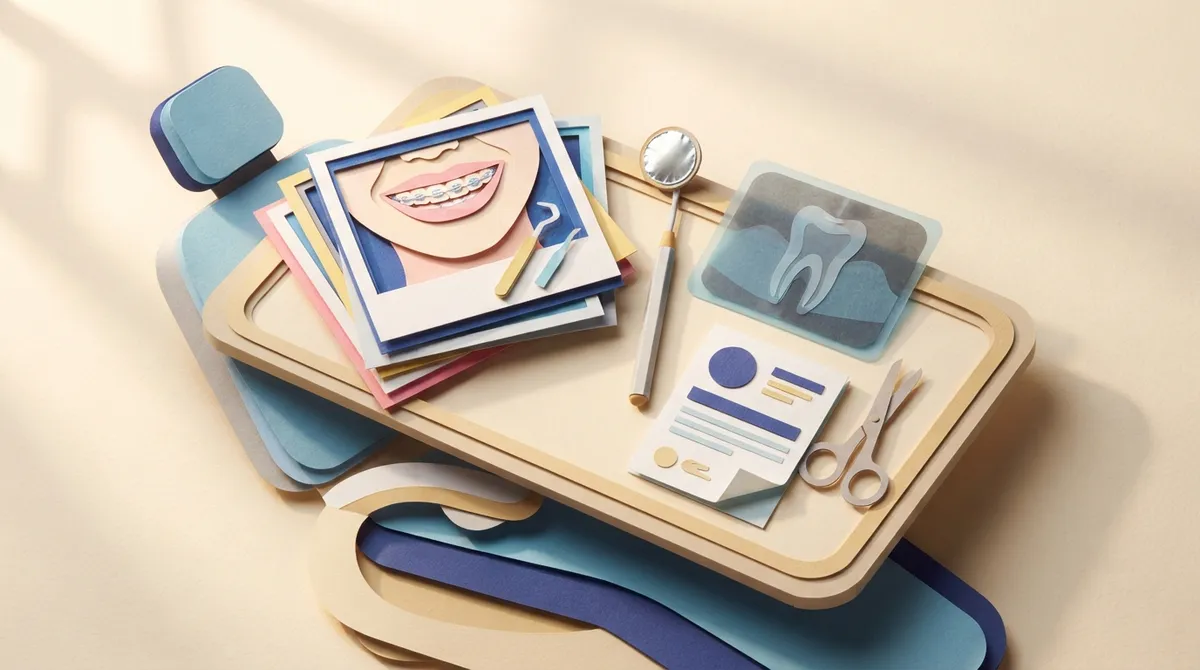
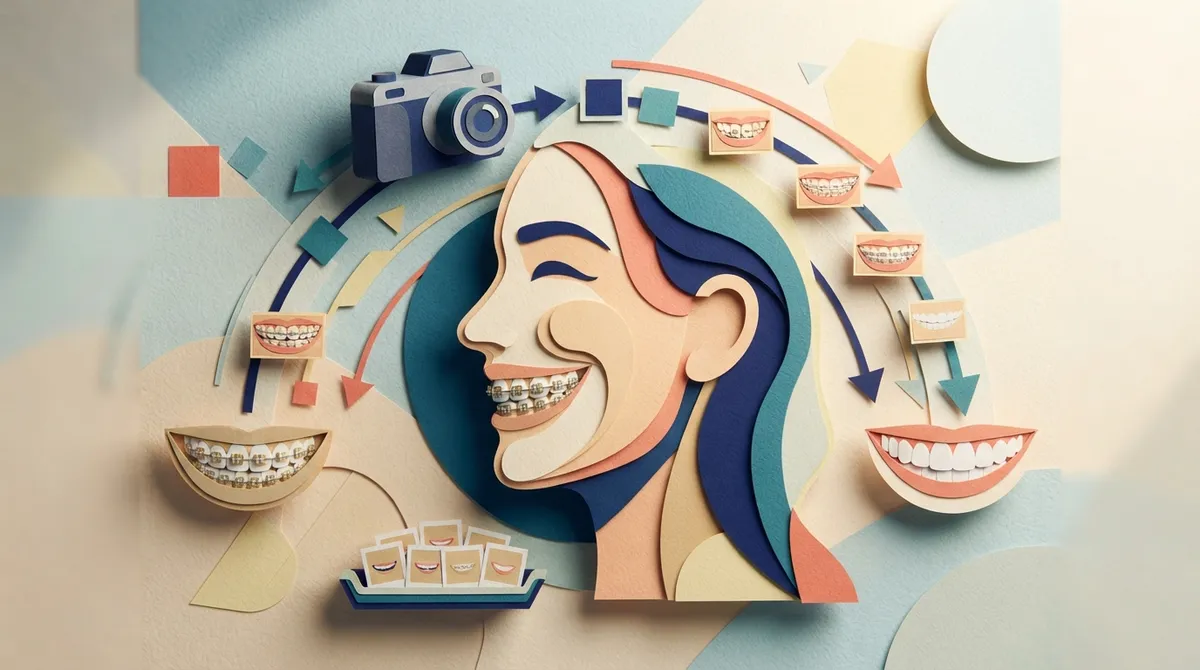
Progress photos are pictures taken at helpful points during your treatment. They usually show your face, your smile, and your teeth from a few angles. Your orthodontist compares them with the baseline images taken before treatment began.
Think of them like a flip book for your smile. One page alone does not tell the whole story. But when you put the pages together, you can see how things are moving.
These photos are one part of your clinical record. They sit alongside your exam notes, digital scans, and X-rays when those are needed. To understand how the pieces fit together, you can read about 10 ways orthodontists track braces progress.
Mistake 1: Thinking Photos Replace Your Checkups
This is the biggest mix-up. Photos are a helpful extra, but they do not replace an in-person exam. They also do not replace scans or radiographs when those are clinically needed.
A picture can show how teeth look from the outside. It cannot show everything under the gums or inside the bite. Your orthodontist still needs to check how your teeth fit together, how your appliances are working, and how your gums are doing.
That is why regular visits matter so much. If you want to see how the two work together, take a look at why orthodontic checkups matter so much.
Mistake 2: Not Knowing Why Progress Photos May Be Taken During Treatment
When no one explains the purpose, photos can feel awkward or even unnecessary. Knowing the reasons makes the whole thing feel easier. Here are the main ones:
- Tracking change. Photos help show how teeth, bite, gums, and facial appearance are changing over time.
- Checking the plan. Your orthodontist can see whether teeth are moving as planned.
- Adjusting care. If something is off track, images can help guide changes to the plan or the mechanics.
- Documenting findings. Photos can record appliance condition, oral hygiene concerns, or visible enamel and gum changes.
- Explaining progress. Pictures make it easier to show you and your family what is happening.
- Team communication. They can help clinicians who are involved in your care stay on the same page.
Research on orthodontic clinical photography describes uses like baseline records, treatment planning, progress monitoring, communication, and medico-legal documentation. In plain words, photos help everyone see the same thing.
Mistake 3: Expecting Photos at Every Single Visit
Some patients worry they will be photographed every time they walk in. That is not how it works. Photos are usually taken at clinically useful points, not at every appointment.
The timing depends on your needs, your treatment plan, and your orthodontist’s judgment. There is no one-size-fits-all schedule. Professional guidance on record keeping says photographs may help document a condition or monitor changes, but it does not set a universal photo calendar.
So if a friend gets photos at a different time than you, that is perfectly normal. Every smile has its own path. You can learn more about how visit timing varies in comparing orthodontic appointment schedules in 2026.
Mistake 4: Not Understanding What Your Orthodontist Looks For
It helps to know what is happening behind the camera. When your orthodontist reviews your images, they are often checking a few key things.
| What They Check | Why It Matters |
|---|---|
| Tooth alignment | Shows whether teeth are moving toward the planned position |
| Bite relationships | Helps review how the upper and lower teeth fit together |
| Gum health | Can reveal visible swelling or redness near appliances |
| Appliance condition | Shows loose brackets, bent wires, or worn parts |
| Oral hygiene | Highlights plaque buildup or enamel changes |
| Facial appearance | Documents changes in smile and profile over time |
None of this is about judging you. It is about giving you the best care possible. If your hygiene needs a boost, your team will simply help you get back on track. Our guide on how to keep a healthy smile during braces is a great place to start.
Mistake 5: Skipping the Baseline Photos
Baseline photos are the ones taken before treatment begins. They are your starting line. Without them, it is much harder to see how far you have come.
Comparisons work best when images are clear, framed the same way each time, and labeled with their timing and treatment stage. Good orthodontic photography guidance even recommends reviewing images for quality and retaking any that are not clear enough.
If your orthodontist asks for a retake, do not worry. It simply means they want a useful picture, not a blurry one. Starting strong at your first visit helps everything else go smoothly. See what to expect at your first orthodontist appointment for a friendly preview.
Mistake 6: Ignoring Privacy and Consent Questions
Here is something many people forget to ask: how will my photos be used? Clinical photographs are sensitive health information. You have every right to know how they will be used and protected.
The British Orthodontic Society’s 2025 consent advice says the purpose and possible future use of images should be explained, and written consent should be obtained for visual recording. Rules vary by location and by whether images are used for your care, for teaching, or for publicity.
A few simple questions can bring peace of mind:
- Will these photos be used only for my care?
- Could they ever be used for teaching or advertising?
- How are they stored and protected?
- Can I say no to certain uses?
- What happens if I change my mind later?
A good practice will welcome these questions. Asking them is part of being an informed patient, and it connects to the bigger idea of informed consent in orthodontics.
Mistake 7: Sending Your Own Photos Without Guidance
Some practices use remote monitoring, where patients send in their own pictures. This can be handy, especially for busy families and professionals. But it works best with professional oversight.
Photos taken at home can be dark, blurry, or taken from the wrong angle. They may miss something your orthodontist would catch in person. So if you are asked to submit pictures, follow the instructions closely and do not guess.
It also helps to understand how this fits into your care. Learn more in how to keep clear aligners on track with monitoring and 10 things to know about orthodontic monitoring in 2026.
Mistake 8: Forgetting That Photos Help You Stay Motivated
This one is my favorite. Progress photos are not just for your orthodontist. They are for you too.
Treatment can feel slow. Some days you may wonder if anything is happening at all. Then you see a side-by-side comparison, and suddenly the changes are clear. That little boost can keep teens wearing their elastics, adults staying consistent with aligners, and parents feeling confident about the journey.
Photos can also help families understand treatment goals. When a child or teen can see their own progress, it often makes brushing, wearing appliances, and showing up to visits feel more meaningful. If you want to see what real changes can look like, read what orthodontic before and after photos really show.
How Progress Photos Work for Different Patients
Every patient group has a slightly different reason to care about photos. Here is a quick look.
| Patient | How Photos Help |
|---|---|
| Parents of children | Show growth and tooth changes in a way that is easy to understand |
| Teens and young adults | Build motivation and show progress before big life events |
| Adult professionals | Offer a quick, clear update without long appointments |
| Retreatment patients | Compare current teeth with earlier results to spot relapse |
| Health-conscious patients | Document gum and enamel changes alongside alignment |
If you are a teen or the parent of one, you might also like these 12 questions teens should ask their orthodontist. For adults thinking about treatment again, orthodontic relapse warning signs can help you spot shifts early.
Simple Tips for a Great Photo Visit
You do not need to prepare much, but a few easy habits make photos more useful. Try these before your next appointment:
- Brush and floss so your teeth look their best and your team can see clearly.
- Bring your appliances, such as aligners or elastics, if asked.
- Relax your face. A natural smile helps your orthodontist see how your teeth really sit.
- Ask questions if anything feels unclear.
- Speak up if you are uncomfortable. You can always ask about options.
Good daily care also makes your photos look better, and more importantly, makes your teeth healthier. If you need a refresher, try how to clean your braces properly for a healthy smile.
Why Choose Brockway Orthodontics
At Brockway Orthodontics in Clearwater, Florida, we believe you should always know why we do what we do. Dr. Brockway takes the time to listen, explain, and make sure you feel comfortable from start to finish. We use modern tools like digital impressions and 3D imaging to plan your care with precision, and we offer braces and Spark™ Clear Aligners for the whole family.
Want to see what other families say? Visit us on Google — Brockway Orthodontics to read reviews from our Clearwater community. You can also follow along with the American Dental Association for general oral health guidance at ADA.org, or learn more about our field through the Florida Association of Orthodontists.
Conclusion
Now you know why progress photos may be taken during treatment. They create a visual record, help your orthodontist check your plan, support clear conversations, and keep you motivated. They are one helpful piece of your care, not a replacement for exams, scans, or X-rays.
The best way to avoid the mistakes above is simple: ask questions, understand the purpose, and speak up about privacy. A caring orthodontist will always be glad you did.
Ready to see how personalized care can feel? Book your appointment online and meet the Brockway Orthodontics team. If you have questions first, you can always contact us. We would love to help you smile with confidence.
FAQs
Q: Why does my orthodontist take photos during treatment?
A: Photos give your orthodontist a visual record to compare with your starting images. They help show whether your teeth, bite, and gums are changing as planned, and they make it easier to explain your progress to you and your family.
Q: How often will progress photos be taken with braces or clear aligners?
A: There is no single schedule for everyone. Photos are usually taken at helpful points in your treatment rather than at every visit, and the timing depends on your needs, your plan, and your orthodontist’s judgment.
Q: Do progress photos replace X-rays, scans, or in-person checkups?
A: Nope! Photos are a great extra tool, but they work alongside exams, progress notes, scans, and X-rays when those are needed. Your in-person visits are still an important part of keeping your treatment safe and on track.
Q: Can I say no to orthodontic photos or limit how they are used?
A: You can always ask how your photos will be used and protected. Good practices explain the purpose, including any possible use for teaching or marketing, and ask for written consent where required, so feel free to speak up with any concerns.
Our Service Area