Key Takeaways
-
Orthodontic monitoring does not mean braces are coming right away; it means a specialist tracks how teeth, jaws, and bite develop so treatment can be timed well.
-
The American Association of Orthodontists recommends an initial orthodontic check-up by age 7, or sooner if you notice a concern like trouble chewing or a crossbite.
-
A regular dental visit and an orthodontic check-up serve different roles: dentists focus on cavities and gum health, while orthodontists focus on jaw growth and bite alignment.
-
Most children are simply observed with periodic re-checks, and only selected problems such as functional crossbites or prominent front teeth typically benefit from early treatment.
-
Watch for difficulty chewing, a jaw that shifts to one side, very early or late loss of baby teeth, and thumb sucking that persists, then ask a professional to evaluate.
-
Keeping notes, photos, and records from monitoring visits gives your orthodontist a clear growth history, leading to smoother planning and fewer surprises when treatment begins.
Does your child still have baby teeth but you keep wondering, “Are those teeth coming in crooked?” You are not alone! Many parents notice gaps, crowding, or a funny-looking bite long before braces seem possible. The good news is that you do not have to guess. Orthodontic monitoring while baby teeth are present gives you a clear, calm way to keep an eye on how your child’s smile is growing.
Here is the best part: monitoring does not mean your child needs braces right now. It simply means a trained specialist checks how the teeth, jaws, and bite are developing and then helps you choose the right timing. Think of it like watching a garden grow. You check in, you take notes, and you only step in when something truly needs help.
In this friendly guide, we walk through ten things every parent should know. You will learn when to start, what happens at a visit, which problems may need early care, and how to feel confident about each step. Let’s dive in!
1. Monitoring Means Watching, Not Automatically Treating
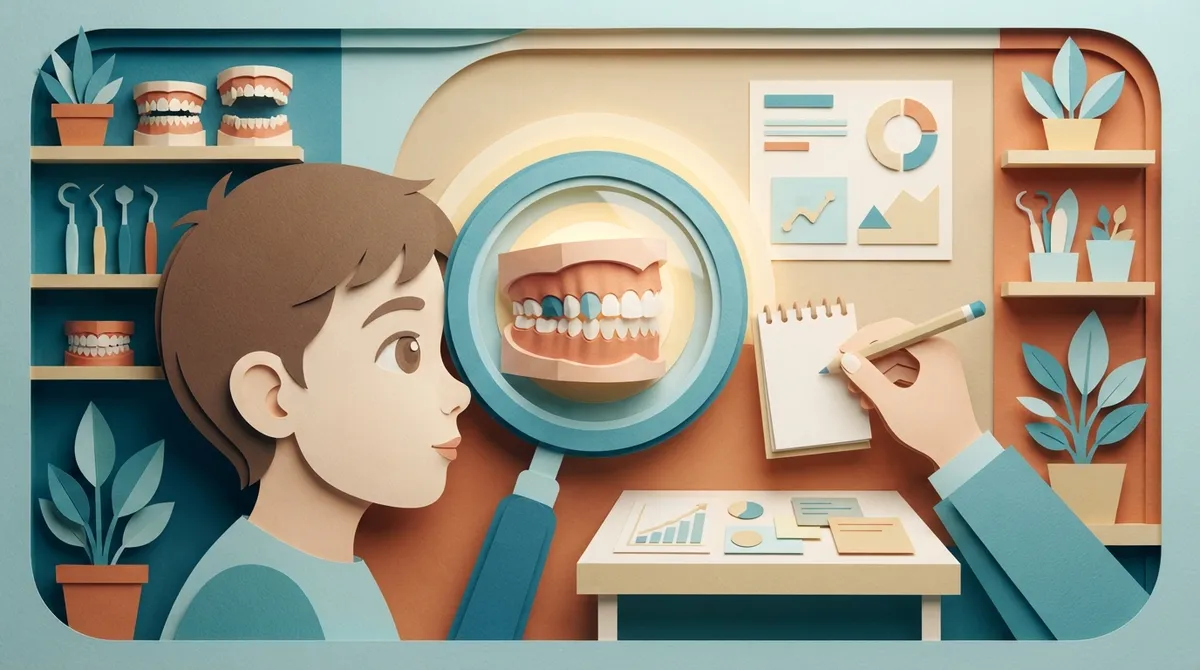
Let’s clear up the biggest myth first. When an orthodontist says they want to monitor your child, they are not planning braces tomorrow. Orthodontic monitoring means assessing how the teeth, bite, jaws, and tooth eruption are developing over time.
Most children seen at a young age are simply observed. The orthodontist looks at how the permanent teeth are coming in and checks whether the jaws are growing in a healthy way. If everything looks good, you come back for a quick re-check later.
This approach saves families from rushing into treatment too soon. It also means problems get spotted early, when you have the most options.
2. Age 7 Is the Magic Check-Up Number
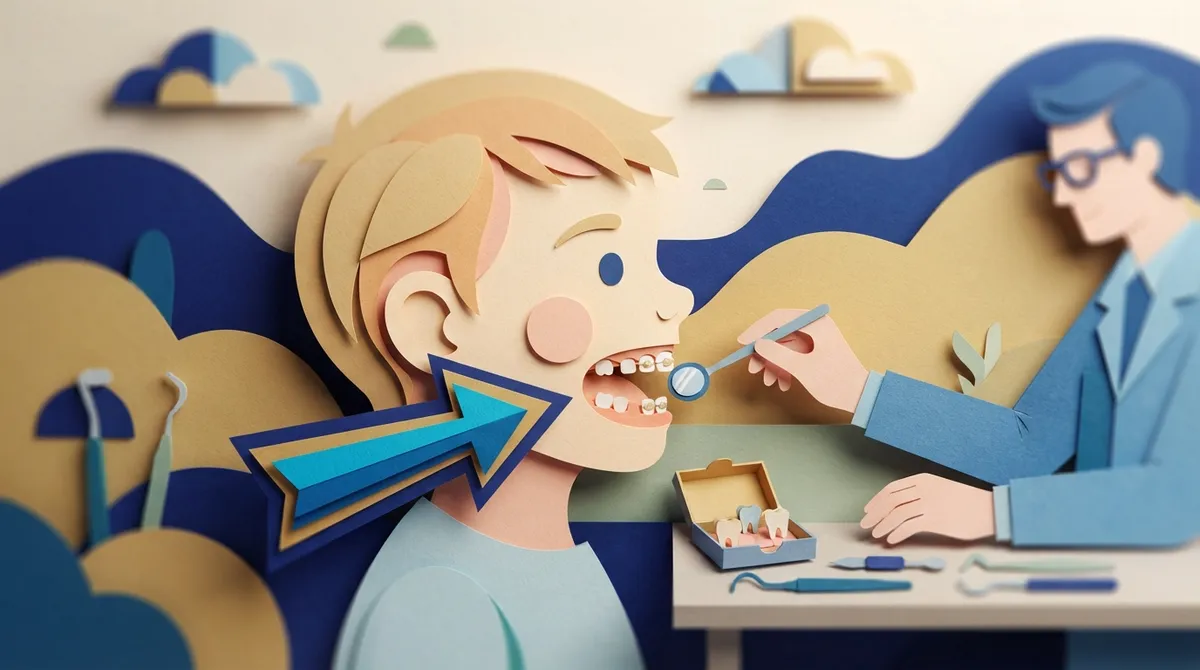
The American Association of Orthodontists recommends an initial orthodontic check-up by age 7. That is when many kids have a fun mix of baby teeth and new permanent teeth, which is called the mixed dentition stage.
At this age, an orthodontist can see how the first permanent molars and front teeth are settling in. They can also spot early signs of bite problems that are easier to guide while a child is still growing.
If you notice a concern sooner, such as trouble chewing or teeth that look out of place, do not wait for age 7. Ask for an evaluation right away. Want to learn more about timing? Our guide on Age 7 vs. Waiting: When Should a Child See an Orthodontist? breaks it down nicely.
3. A Dental Visit and an Orthodontic Check-Up Are Not the Same
Here is something that surprises many families. Your child’s regular dentist and an orthodontist do different jobs, and both matter.
The American Academy of Pediatric Dentistry recommends a child’s first dental visit when the first tooth comes in, and no later than 12 months of age. Dentists also keep an eye on developing teeth and bite during regular exams. That is a wonderful foundation.
An orthodontic check-up, on the other hand, focuses closely on jaw growth, tooth position, and how the bite fits together. The table below shows the difference at a glance.
| Visit Type | Recommended Timing | Main Focus |
|---|---|---|
| First dental visit | When the first tooth erupts, and by 12 months | Cavity prevention, gum health, daily care guidance |
| Regular dental exams | Ongoing, based on your child’s risk level | Overall oral health and bite observation |
| Orthodontic check-up | By age 7, or sooner if there is a concern | Jaw growth, eruption pattern, bite alignment, timing of treatment |
Both types of visits work as a team. If you are curious about how the two roles compare, read Orthodontist vs. Dentist: Which One Do You Actually Need?
4. Here Is What Happens During a Mixed-Dentition Evaluation
Nervous about the first visit? Take a deep breath. These appointments are usually quick, gentle, and kid-friendly. A typical evaluation may include:
- A visual exam of the teeth, gums, and bite
- A review of your child’s dental and medical history
- Questions about habits like thumb sucking or mouth breathing
- Photos or digital scans to track changes over time
- X-rays when needed to see teeth that have not erupted yet
Today’s technology makes this easier than ever. Many offices use digital scanners instead of goopey molds, which kids tend to love. You can learn more in What Records Help Assess a Child’s Developing Bite?
At the end of the visit, the orthodontist explains what they see in plain, friendly language. You will leave knowing your next step.
5. There Are Three Possible Outcomes After the Check-Up
After the evaluation, your orthodontist will usually recommend one of three paths. Every child is different, so the plan depends on growth, eruption pattern, and the specific problem.
- Observation: Everything looks healthy, or a minor issue is likely to sort itself out. You return for periodic re-checks.
- Treatment now: A specific problem would benefit from early guidance while your child is growing.
- Treatment later: The plan is to wait until more permanent teeth have arrived, then begin at the best time.
Most families land on option one or three. That is completely normal. A check-up at age 7 is about finding the right timing, not about starting treatment right away. Our post on Waiting vs. Early Check-Ups: How Permanent Teeth Erupt explains this in more detail.
6. Some Problems Really Do Benefit From Early Treatment
While most kids are simply monitored, a few situations may call for early treatment during the baby or mixed teeth stage. These are selected problems, not every case.
An orthodontist may consider early care for:
- A functional crossbite, where upper and lower teeth bite in the wrong pattern
- A developing jaw or bite problem that may be easier to guide during growth
- Prominent front teeth that raise the risk of injury
- A concern with meaningful effects on function or confidence
A 2023 scoping review of 32 studies on treatment timing found that early intervention was not generally better for effectiveness, total appliance time, or cost-benefit. It did support early treatment for specific indications. That is exactly why careful monitoring matters. It helps match the right care to the right child.
Want to see how early care works? Visit our page on early treatment or read What Is Crossbite Treatment and Do You Really Need It?
7. Watch for These Signs Between Visits
You know your child best. Between appointments, a little parent radar goes a long way. Reach out to a dentist or orthodontist if you notice any of the following:
- Difficulty biting or chewing
- A crossbite or a jaw that shifts to one side
- Prominent or protruding front teeth
- Baby teeth lost very early, or not lost when expected
- Permanent teeth coming in out of position
- Thumb sucking or other habits that continue for a long time
Spotting one of these does not mean something is wrong. It just means a professional should take a look and decide whether to treat or keep monitoring. Our article on Why Does Early Loss of Baby Teeth Matter for Smiles? is a handy read here.
8. Baby Teeth Are Little Placeholders With a Big Job
It is easy to think baby teeth do not matter because they fall out. But they do important work! They help your child chew and speak, and they hold space for the permanent teeth waiting underneath.
When baby teeth are lost too early or stay too long, the new teeth can drift or come in crooked. Monitoring helps catch these changes before they snowball.
Crowding is one of the most common things parents ask about. If that is on your mind, check out What Causes Crowding in Children’s Developing Teeth? You can also explore 10 Retained Baby Teeth Questions Parents Ask (2026) for more answers.
9. Regular Follow-Ups Keep Everyone on the Same Page
So how often should your child be checked while baby teeth are falling out? There is no single schedule for every child. Your orthodontist sets the pace based on your child’s growth, eruption pattern, and any concerns.
Some kids come back every six months. Others may be seen once a year. Children with a specific problem may need closer visits. Think of it as a friendly check-in that keeps the plan fresh.
Here is a simple way to prepare for each visit:
- Write down any changes you have noticed, like a loose tooth or a new gap.
- Note any habits, such as thumb sucking or snoring.
- Bring a list of questions so nothing gets forgotten.
- Ask what to watch for before the next appointment.
For more on why these visits matter, see Why Do Orthodontic Checkups Matter So Much?
10. Monitoring Pays Off When Treatment Day Arrives
Many orthodontic problems are treated later, after more permanent teeth have come in. When that day comes, all the notes, photos, and records from your monitoring visits become a huge help. Your orthodontist already knows your child’s growth story.
That means a smoother plan, better timing, and fewer surprises. Families also feel more confident because they have been part of the process from the start.
When your child is ready, you can explore options like braces and clear aligners. Our guide When Should Your Child Get Braces? A Parent’s Guide can help you think through that next chapter.
What About Teens, Adults, and Relapse Patients?
Monitoring is not just for little ones. Teens often benefit from tracking as their last baby teeth fall out and their permanent teeth settle. Adults who had braces years ago may notice their teeth shifting and wonder what to do.
At Brockway Orthodontics in Clearwater, Dr. Brockway welcomes the whole family. She takes time to listen, explain, and build a plan that fits your life. Her practice offers metal braces, ceramic braces, and Spark Clear Aligners, a more affordable option than other well-known aligner systems. Modern tools like digital impressions and 3D imaging keep visits comfortable and precise.
Curious about the practice behind the care? Read Who Is the Brockway Orthodontist in Clearwater, FL? You can also see what families say by visiting us on Google and reading Brockway Orthodontics reviews.
Helpful Resources for Parents
Want to dig deeper into healthy habits and trusted guidance? The American Dental Association shares reliable information on children’s oral health. For local orthodontic information, the Florida Association of Orthodontists is another helpful place to start.
You can also stay connected with our team and see smile stories on Facebook.
Quick Recap: Your Monitoring Cheat Sheet
- Monitoring means watching growth, not rushing into braces.
- Schedule an orthodontic check-up by age 7, or sooner if you see a concern.
- A dental visit and an orthodontic check-up serve different purposes.
- Most children are observed, and only some need early treatment.
- Good records today make treatment smoother tomorrow.
Ready to Take the Next Step?
You do not have to figure this out alone. Whether your child is 6 or 16, we are here to answer questions, ease worries, and help you plan with confidence. Book appointment online to start your child’s friendly monitoring journey, or contact us with any questions. We cannot wait to meet your family!
FAQs
Q: At what age should a child have their first orthodontic check-up?
A: The American Association of Orthodontists recommends an initial check-up by age 7. That is when many kids have a mix of baby and permanent teeth. If you notice a concern sooner, like trouble chewing or a crossbite, it is fine to ask for an evaluation earlier.
Q: Does a check-up at age 7 mean my child has to start treatment?
A: Not at all! A check-up at age 7 is about screening and timing, not automatic treatment. Many children are simply monitored, and their orthodontist re-checks them as more permanent teeth arrive.
Q: Can a child get braces while baby teeth are still present?
A: Sometimes, yes, but only for selected problems such as a functional crossbite or a developing jaw issue. Most children wait until more permanent teeth have come in. Your orthodontist will tell you which path fits your child best.
Q: How often should my child’s teeth and bite be monitored?
A: It depends on your child’s growth, eruption pattern, and any concerns. Some kids are seen every six months, while others come in about once a year. Your orthodontist will set a schedule that makes sense for your family.
Q: What is the difference between a pediatric dental visit and an orthodontic check-up?
A: A pediatric dental visit starts when the first tooth appears, and no later than age one, and focuses on cavity prevention and overall oral health. An orthodontic check-up zeroes in on jaw growth, tooth position, and bite development. Together, they give your child complete care.
Our Service Area