Key Takeaways
-
Clear aligners only apply their planned force while seated on your teeth, so every hour out of your mouth is an hour without movement toward the next step.
-
The FDA says aligners should generally be worn at least 20 hours per day, or as directed by your orthodontist; many plans call for 20 to 22 hours daily.
-
Never skip ahead to the next tray on your own; each tray is designed for about one to two weeks, and advancing early can worsen fit and leave teeth further behind.
-
If you forget to wear your aligners, put them back in right away and keep following your current tray; do not try to make up time by changing trays or schedules.
-
Call your orthodontist if a new tray feels very tight, won't seat fully, or shows gaps, since these can signal teeth are falling behind the plan.
-
Build simple habits like putting aligners back in right after brushing, always storing them in a case, and setting phone reminders to make wear time easier to maintain.
You picked your clear aligners because they fit your life. They are discreet, comfortable, and easy to take out. But here is the part many people miss: that same freedom is exactly what makes wear time so important.
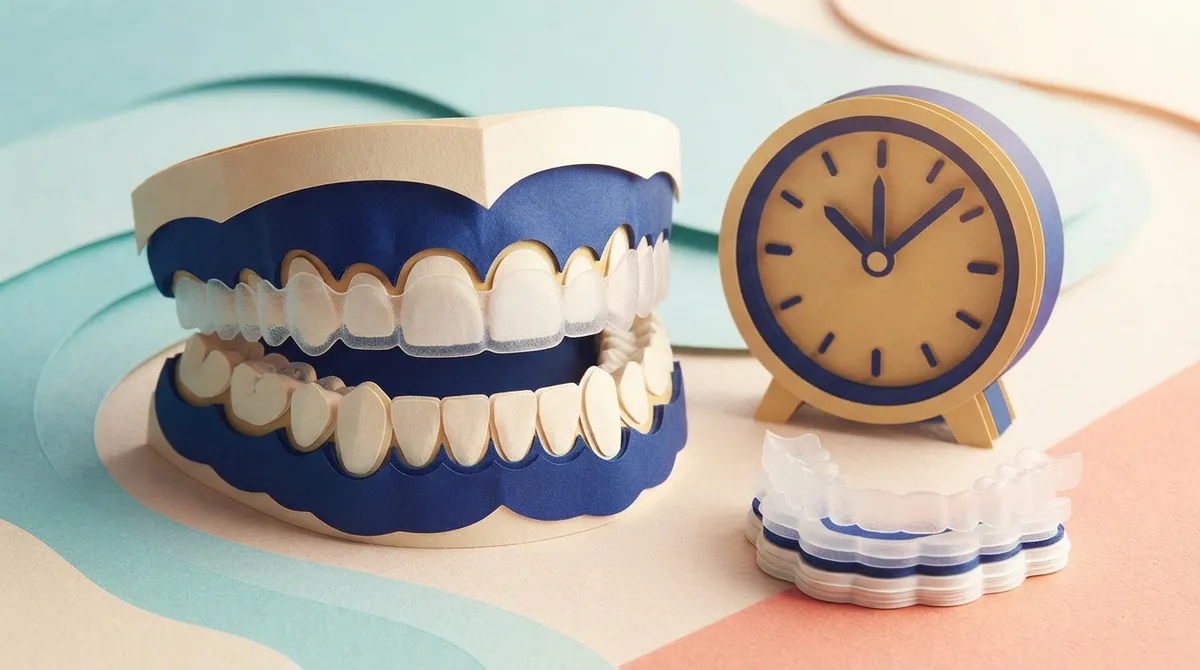
Clear aligners can only do their job while they are in your mouth. Every hour they sit in the case is an hour your teeth are not being guided toward their new spots. That is why why aligner wear time affects treatment progress is one of the most common questions we hear from teens, parents, and busy adults alike.
The good news? Once you understand how aligners work, wearing them as directed feels a lot less like a chore and a lot more like a simple daily habit. In this friendly guide, we will walk through how aligners move teeth, how many hours you should wear them, what happens when you fall short, and easy ways to stay on track.

How Clear Aligners Actually Move Your Teeth
Think of aligners like a gentle, steady nudge. Each tray is made to match a small step in your treatment plan. When you snap it on, it applies light, planned pressure to your teeth. Over time, your teeth shift a tiny bit toward the shape of that tray.
Teeth do not move quickly. The process is biological and gradual, because bone and tissue around the teeth need time to adjust. This is why your treatment is broken into stages instead of one big jump.
If you want a deeper look at the mechanics, our guide on how removable aligners straighten teeth covers the process step by step.
Force Only Works When the Tray Is In
Here is the key idea. Aligners apply their planned force only while they are seated on your teeth. When you take them out, that pressure stops. So wearing your aligners for less time than prescribed means less time each day for your teeth to move.
That is the heart of why aligner wear time affects treatment progress. It is not about being perfect. It is about giving your teeth enough steady time to follow the plan.

How Many Hours a Day Should You Wear Aligners?
The U.S. Food and Drug Administration says clear aligners should generally be worn at least 20 hours per day, or as directed by your dentist or orthodontist. Many orthodontic plans call for about 20 to 22 hours daily.
That leaves just a couple of hours for meals, snacks, and brushing. Your own orthodontist’s instructions always come first, because every smile is different.
| Wear Pattern | What It Means for Your Teeth |
|---|---|
| 20-22 hours daily | Matches typical guidance and supports steady, planned movement |
| Around 16-18 hours daily | Less daily force, so trays may feel tight or fit poorly over time |
| Only at night or on and off | Teeth are more likely to fall behind the digital plan |
Please note this table is a simple illustration, not a promise of exact results. The effect of missed hours varies from person to person.
What Happens When You Wear Aligners Less Than Prescribed
When wear time drops, a few things can happen. Teeth may lag behind the plan. A new tray may feel very tight, or it may not seat fully. In some cases, your orthodontist may need to add extra wear time, order refinement trays, or adjust the plan.
It helps to be honest here: research on this topic is still developing. A 2024 scoping review of orthodontic adherence noted that evidence directly linking measured aligner wear time to final results is limited. So we cannot say that missing one hour equals a set number of extra days. What we can say is that following your plan gives your treatment its best chance to stay on schedule.
Common Signs Your Teeth May Be Falling Behind
- A new aligner feels much tighter than usual
- The tray does not sit fully against your teeth
- You notice gaps between the tray and a tooth
- Attachments (small tooth-colored bumps) do not seem to line up with the tray
- Your orthodontist says your teeth are not tracking with the plan
If you notice any of these, call your orthodontist rather than guessing. A quick check can save you time later.
How Common Is Missing Wear Time?
If you have slipped up, you are far from alone. One retrospective study of 2,644 clear aligner patients found that 36.0% met its definition of full compliance, which included wearing aligners at least 22 hours a day for at least 75% of their trays. About 38.3% were fairly compliant, and 25.7% were poorly compliant.
In that same group, 45.5% said they wore aligners 22 hours a day throughout treatment. These numbers describe one study and how it measured wear, so they do not apply to every patient. Still, they show that staying consistent is a real challenge for many people, and that is okay. The goal is to build habits that work.
Why You Should Not Skip Ahead to the Next Tray
It can be tempting. You missed a few days, or your tray feels tight, so you wonder if you should just move on. Please do not do this on your own.
Each tray is designed for a small amount of movement. The FDA notes that patients typically wear each tray for one to two weeks before moving to the next. If your teeth have not caught up, advancing to the next tray can make the fit worse and leave you further behind the plan.
Likewise, do not force a tray that does not fit. If a tray will not seat, call your orthodontist. If you are unsure whether to hang on to older trays in the meantime, this article on how to decide whether to keep previous aligner trays can help.
What to Do If You Forgot to Wear Your Aligners
- Put your aligners back in as soon as you realize it.
- Do not try to “make up” the time by doing anything unusual or skipping trays.
- Keep wearing your current tray as directed.
- If the next tray feels very tight or does not seat, contact your orthodontist.
- Ask your orthodontist whether your schedule needs any adjustment.
Your orthodontist knows your plan best, so their advice beats any general rule you read online.
Wear Time Is Not the Only Factor
It would be unfair to blame every delay on wear time. Many things shape how aligners track, including:
- The type of tooth movement planned, since some movements are harder than others
- Tray fit and material
- Attachments and how well they hold
- The treatment plan itself
- How your teeth and bone respond
This is why regular checkups matter. Your orthodontist can see what is really going on and fix small issues early. Learn more about the value of visits in why orthodontic checkups matter so much.
Does Changing Trays Faster Help?
Some people wonder if swapping trays more often will speed things up. A 2024 systematic review looked at 7-, 10-, and 14-day tray-change schedules. Most of the included studies found no statistically significant difference in movement. A couple found better results with 14 days for certain tooth movements. The authors rated the evidence as very low and noted wide differences between studies.
The takeaway is simple. There is no universal faster schedule. Your orthodontist decides your tray timing based on your teeth, so follow their lead.
Easy Ways to Stay on Track With Wear Time
Good habits make this feel almost automatic. Here are friendly tips that work for busy families, students, and professionals.
- Link it to daily routines. Put aligners back in right after you brush.
- Use a case every time. Wrapping aligners in a napkin is how many trays end up in the trash.
- Set phone reminders. A quick alert after lunch can save the day.
- Keep a spare case in your bag or car. It helps when you are on the go.
- Plan your meals. Eat in one or two sittings instead of grazing all day.
- Track your hours. Many people find a simple log or app motivating.
Parents of teens, a little teamwork goes a long way. Gentle reminders, a shared calendar, or a small reward for good habits can help. You can also read about how to help teens remember aligner wear time.
Handling Meals, Drinks, and Cleaning
Take your aligners out to eat. Keep them in when drinking plain water. Brush your teeth before putting them back in so food does not get trapped underneath. Rinse your trays and clean them daily with gentle products. Avoid hot water, which can warp them. Our article on how to keep clear aligners fresh offers a simple routine.
Wear Time and Your Treatment Timeline
Many people choose aligners for a certain event, like a wedding, graduation, or big career milestone. Consistent wear is one of the biggest things within your control. When you stay on track, you give your plan its best shot at finishing when expected. If timing matters to you, see our tips on keeping your clear aligner timeline on track.
Remember too that after treatment, retainers help keep your smile in place. Wear time habits you build now will carry over into retainer wear later.
Is Wear Time a Good Reason to Choose Braces Instead?
Some patients know they may struggle to keep aligners in for 20 or more hours. That is a fair thing to admit, and it is useful to know before you start. Braces stay on your teeth around the clock, so they do not depend on you remembering to put them in. If you are weighing both options, our guide on braces vs. clear aligners in Clearwater can help you decide.
At Brockway Orthodontics in Clearwater, Florida, Dr. Brockway takes time to talk through your lifestyle, goals, and habits. Whether you are a parent choosing for a child, a teen with a busy schedule, or an adult professional, we offer Spark™ Clear Aligners, metal braces, and ceramic braces so you can find the right fit. You can also visit us on Google — Brockway Orthodontics to see what patients say about their care.
Final Thoughts: Small Habits, Big Smile
Clear aligners work best when they are worn as directed. They only move teeth while they are in, and each tray builds on the last. Falling a little short now and then happens to everyone, and it is not the end of the world. The key is to notice it early, stay honest with your care team, and keep going.
For more on what orthodontic organizations recommend, you can browse the American Dental Association and the Florida Association of Orthodontists. For the official guidance on wear time and tray changes, see the FDA page on clear dental aligners.
Ready to talk about a plan that fits your life? Book your appointment online and let Dr. Brockway and our friendly team help you start your smile journey with confidence. Prefer to ask a question first? Just contact us anytime.
FAQs
Q: How many hours a day should I wear clear aligners?
A: The FDA says aligners should generally be worn at least 20 hours per day, or as directed by your orthodontist. Many plans call for about 20 to 22 hours daily, with trays out only for meals and cleaning. Always follow your own orthodontist’s instructions.
Q: What happens if I wear my aligners less than 20 hours a day?
A: Your teeth get less daily time under planned force, so they may lag behind the plan. A new tray might feel tight or not seat fully, and you may need extra wear time or refinement trays. The exact effect varies, so check in with your orthodontist if you are worried.
Q: Can I move to my next aligner if the current one does not fit properly?
A: Please do not switch trays on your own. Each tray is built for a small step, and skipping ahead can leave your teeth even further behind. Call your orthodontist, who can tell you whether to keep wearing the tray or adjust your plan.
Q: Should I wear an aligner longer if I forgot to wear it for a day?
A: Put it back in as soon as you remember and keep following your normal schedule. Do not try to fix it by changing trays or wear time without advice. Let your orthodontist know if the next tray feels very tight, and they will guide you.
Q: Will missing aligner wear time make my treatment take longer?
A: It can, but the size of the effect varies, and research linking measured wear time to final results is still limited. Consistent wear gives your treatment its best chance to stay on schedule. Your orthodontist can check your progress and tell you if your timeline needs to change.
Our Service Area