Key Takeaways
-
A Clearwater bite alignment consultation is an evaluation, not a commitment to treatment: you get your bite assessed, learn your options, and decide afterward.
-
The AAO recommends a first orthodontic check-up by age 7, though often the orthodontist simply monitors growth until treatment timing is right.
-
Braces suit complex bite problems and patients who may struggle with removable trays, while clear aligners work well for mild to moderate cases but require wearing them about 20 to 22 hours daily.
-
Ask for a written cost estimate at your visit, since fees depend on diagnosis, treatment plan, and insurance, and no accurate Clearwater price can be quoted without an in-person exam.
If your teeth do not meet the way they should, you are not alone. Plenty of families and adults in our community wonder about overbites, crossbites, and jaws that just feel “off.” The good news? A Clearwater bite alignment consultation is the easiest first step, and it does not mean you are signing up for treatment. It is simply a chance to learn what is going on and what your choices are.
Here is the question that comes up most once people book that visit: should I plan on braces or clear aligners? Both can fix many bite problems, but they work in different ways. In this friendly guide, we will walk through what happens at your consultation, how braces and aligners compare for bite correction, and how to decide what suits your life. Think of it as a chat over coffee, minus the coffee.
What Is a Clearwater Bite Alignment Consultation?
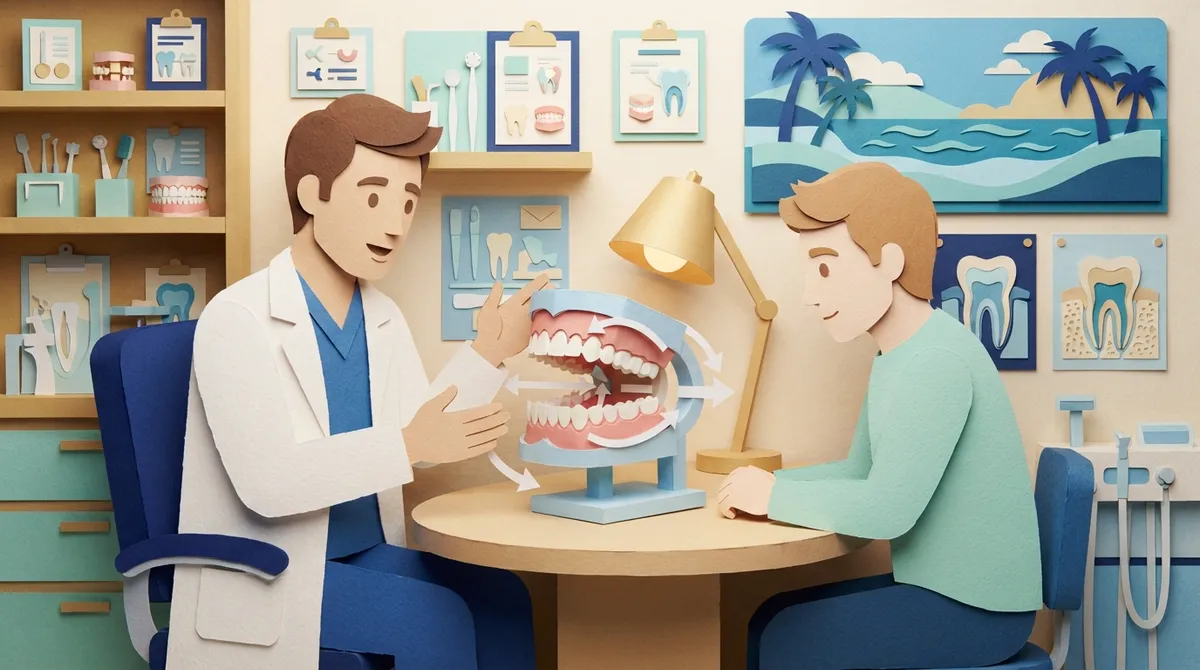
A bite alignment consultation is an orthodontic checkup that looks at how your upper and lower teeth meet, how your jaws line up, and whether that fit affects how you chew, speak, or smile. It is an evaluation, not a commitment. You get answers first, and you decide what to do next.
The American Association of Orthodontists (AAO) recommends a child’s first orthodontic check-up by age 7, or earlier if a concern shows up. That does not mean every 7-year-old needs treatment. Often, the orthodontist simply watches growth and speaks up only when the timing is right. Adults and teens can benefit from a bite check at any age, too.
If you are curious about the bigger picture of what these visits cover, our guide on what happens at an orthodontic consultation near me breaks it down nicely.
What Happens During Your Visit
Nervous about the unknown? Totally normal. Here is what a typical visit looks like, step by step.
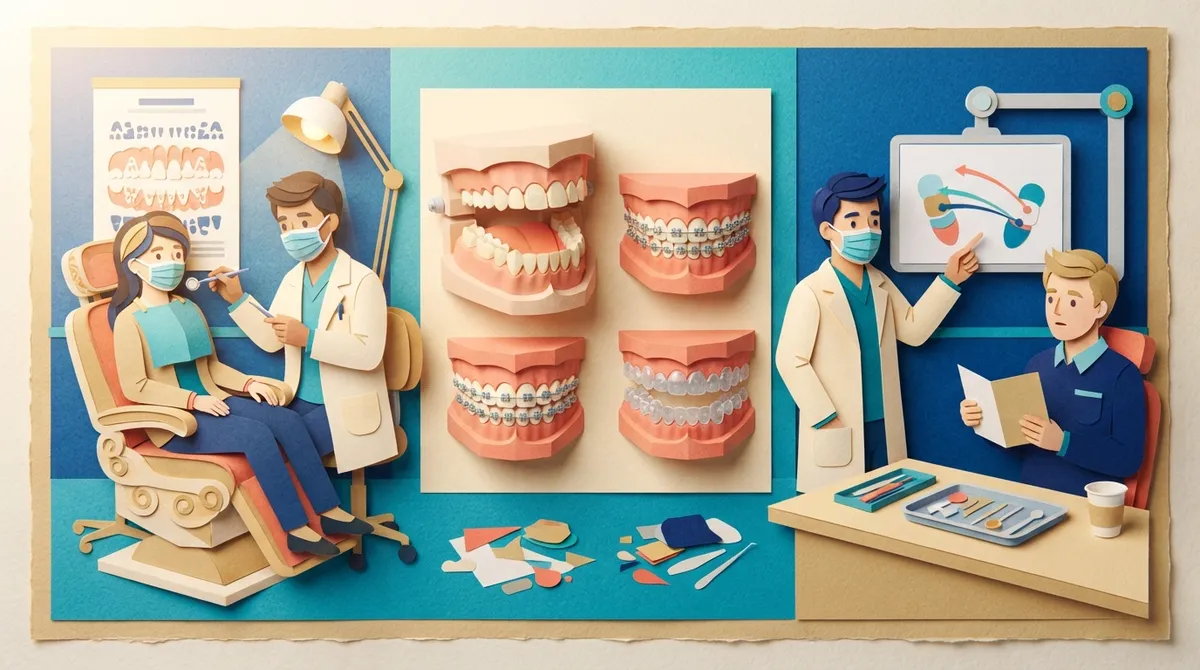
- A friendly conversation. We talk about your dental and medical history, your symptoms, and your goals. Do you bite your cheek often? Is chewing tricky? Tell us everything.
- A hands-on exam. The orthodontist checks your teeth, your bite, and how your jaw moves when you open and close.
- Records, if needed. Depending on your case, this may include photos, digital scans, or dental X-rays. Not every visit needs all of these.
- A clear explanation. You hear what was found, what your options are, and whether treatment or simple monitoring makes sense.
- Questions about cost and timing. We talk about expected duration, fees, insurance, and payment plans so there are no surprises.
Digital scans are a big comfort upgrade, since they replace the goopy impression trays many people dread. Curious how they work? Read our facts about Medit intraoral scanning.
Common Bite Problems an Orthodontist Looks For
During your bite alignment consultation, we check for several common issues. Knowing the names can help you describe what you notice at home.
- Overbite: upper front teeth cover too much of the lower teeth.
- Underbite: lower teeth sit in front of the upper teeth.
- Crossbite: some upper teeth sit inside the lower teeth when you bite down.
- Open bite: front teeth do not touch when the back teeth close.
- Crowding or spacing: too little or too much room for teeth.
- Jaw shift: the jaw slides to one side as you close.
Want to go deeper on a specific one? We have helpful reads on how to fix an overbite in Clearwater and what crossbite treatment involves.
Braces vs. Aligners: The Big Comparison
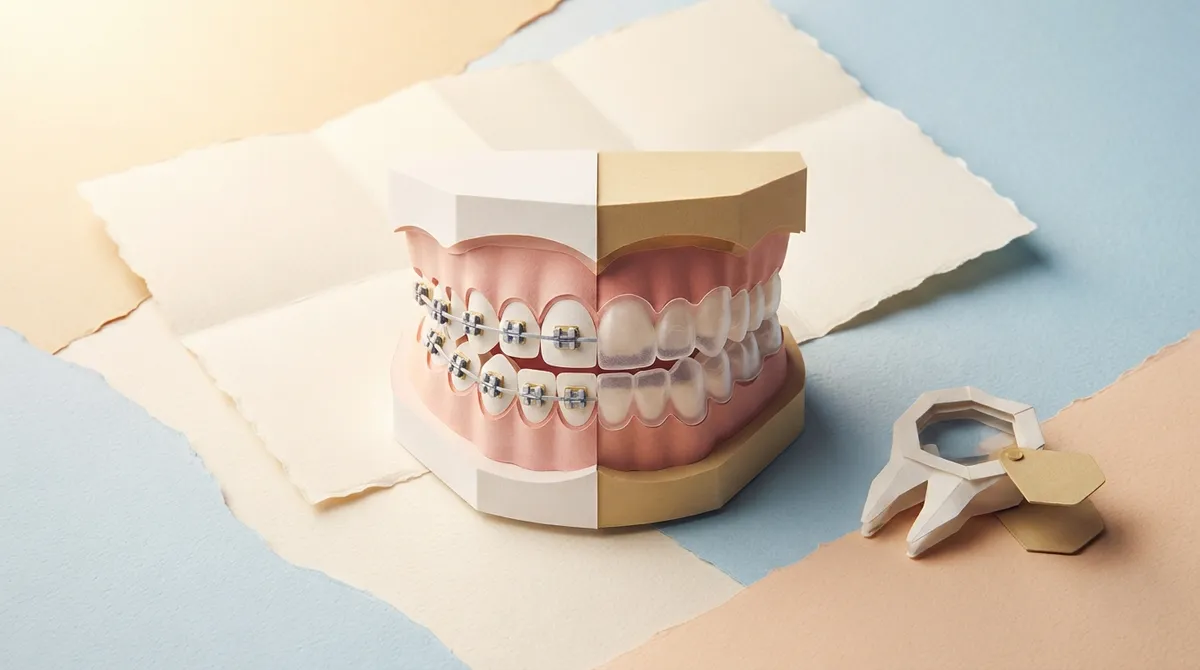
Once your bite is assessed, the next question is how to fix it. Both braces and clear aligners can work well, but the best choice depends on your specific bite, age, and lifestyle. The table below gives a quick side-by-side look.
| Feature | Braces (Metal or Ceramic) | Clear Aligners |
|---|---|---|
| Appearance | Visible brackets and wires; ceramic is less noticeable | Nearly invisible trays |
| Removable | No, fixed in place | Yes, for eating and cleaning |
| Bite control | Strong control for complex bite issues | Great for many mild to moderate cases |
| Patient effort | Low; always working | High; must wear about 20 to 22 hours a day |
| Food rules | Avoid sticky and hard foods | Take trays out to eat, then brush |
| Best for | Complex bites, younger teens, less compliance | Motivated teens and adults wanting discretion |
Neither option is automatically “better.” The right fit comes from your records and your daily life. For a deeper look, check out our comparison of braces vs. clear aligners in Clearwater.
When Braces Often Make Sense
Braces shine when a bite problem is more complex. Because the brackets are bonded to your teeth, they work around the clock and give your orthodontist precise control over tooth movement. They are also a smart pick for patients who may struggle to keep aligners in.
- Moderate to severe overbites, underbites, or crossbites
- Rotated teeth that need extra control
- Younger patients who might misplace removable trays
- Anyone who prefers a “set it and forget it” approach
Not into the look of metal? Ceramic braces blend in more. Learn more in our guide on metal vs. ceramic braces.
When Clear Aligners Shine
Clear aligners are popular with teens and busy adults who want a discreet look and an easy routine. Our practice offers Spark™ Clear Aligners, a more affordable alternative to Invisalign, for patients who are good candidates. You pop them out to eat and brush, which many people love.
- Mild to moderate bite concerns
- Adults with demanding work or social calendars
- Teens who are responsible about wearing them
- Patients returning for retreatment after relapse
The trade-off is discipline. Aligners only work when they are in your mouth. If you are curious about the details, see how removable aligners straighten teeth.
How to Choose What Fits Your Life
Here are a few simple questions to ask yourself before your visit. They can help guide the conversation with your orthodontist.
- How complex is my bite? Your exam will answer this best.
- How much do I care about appearance during treatment?
- Can I stay consistent with wearing removable trays?
- What does my budget and insurance look like?
- How soon do I want to start, and how long can I commit?
Remember, the final recommendation should come from an in-person assessment, especially for complex bite issues. Online guesses cannot replace a real exam. We even wrote about this in DIY smile fixes vs. finding an orthodontist.
Who Should Book a Bite Consultation?
Almost anyone can benefit. Here is how it may look for different people:
- Parents of kids and teens: An early check around age 7 can spot jaw or bite concerns while a child is still growing. Sometimes the answer is simply “let’s watch.”
- Teens and young adults: Planning around graduation, sports, or big events? A consult helps you map out a realistic timeline.
- Busy professionals: You want efficient, discreet options that will not disrupt your calendar.
- Relapse patients: If your teeth shifted after past treatment, a bite check shows what changed and what can be done.
- Health-conscious patients: A well-aligned bite can make cleaning easier and support long-term oral health.
Parents can learn more in our guide on age 7 vs. waiting for a first orthodontic visit.
What About Cost and Insurance?
This is the question everyone asks, and it is a fair one. Fees and timelines depend on your diagnosis, your treatment plan, and your insurance. There is no single Clearwater price that fits everyone, so please be wary of anyone who quotes one without examining you first.
At your visit, ask about expected treatment length, total fees, what records are included, and payment plans. You may also find our reads on using dental insurance for braces and braces monthly payment plans handy. For the most accurate details, always confirm current offers directly with our team.
How to Prepare for Your Consultation
A little prep makes your visit smoother and more useful. Try these simple steps:
- Write down your concerns, such as jaw clicking, frequent cheek biting, or chewing trouble.
- Bring any past dental records, X-rays, or retainers.
- Jot down your goals and any big dates you have in mind.
- List questions about cost, timing, and treatment options.
We also share a handy checklist in how to prepare for your orthodontist consultation in Clearwater. Want a little extra background on oral health in general? The American Dental Association offers solid, patient-friendly resources.
Why Local Care Matters
Orthodontic treatment is a journey with regular visits, so having a caring team close by really helps. At Brockway Orthodontics, Dr. Brockway takes time to listen to your concerns and dreams for your smile, explains your options in plain English, and uses modern tools like digital impressions and 3D imaging for comfortable, precise planning. We treat the whole family, from kids and teens to adults, and in certain cases we can offer same-day treatments for busy schedules.
Want to see what our neighbors think? See what our Brockway Orthodontics patients say on Google. You can also learn more about our team in who is the Brockway orthodontist in Clearwater, FL.
Ready to Take the First Step?
A Clearwater bite alignment consultation gives you clarity, and clarity is powerful. Whether braces or aligners turn out to be your best match, you will leave knowing where you stand and what comes next. No pressure, just answers.
Ready to chat about your smile? Book your appointment online or contact us with any questions. We cannot wait to meet you and help your bite, and your smile, feel their best.
FAQs
Q: What happens at a bite alignment consultation in Clearwater?
A: You will chat about your history and goals, then have a gentle exam of your teeth, bite, and jaw movement. If needed, we may take photos, digital scans, or X-rays, and then we explain your options in plain, friendly language. It is an evaluation only, so there is no pressure to start treatment.
Q: Can clear aligners correct an overbite, underbite, or crossbite?
A: Often, yes, especially for mild to moderate cases, but it depends on your specific bite and jaw. More complex bite problems may call for braces or other appliances. An in-person exam is the only way to know which option is the best fit for you.
Q: When should my child have a first orthodontic evaluation?
A: The American Association of Orthodontists recommends a first check-up by age 7, or sooner if you notice a concern. This is a screening visit, not a promise of treatment. Many kids are simply monitored while their teeth and jaws grow.
Q: Do I need X-rays or digital scans at my consultation?
A: Not always. Records like X-rays, photos, or digital scans are taken only when they are clinically helpful for your case. Your orthodontist will explain what is needed and why.
Q: How much does a bite correction cost in Clearwater?
A: Costs vary based on your diagnosis, treatment plan, and insurance, so there is no one-size-fits-all number. Ask for a written estimate at your visit and ask about payment plans and insurance coverage. Our team is happy to walk you through every detail.
Our Service Area