
Key Takeaways
-
Teeth naturally drift back after straightening, so wearing a retainer nightly indefinitely is essential to lock in results and prevent relapse.
-
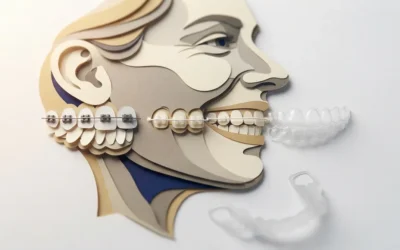
Clear aligners require 22 hours daily wear and work best for mild to moderate misalignment, while traditional braces handle complex cases and suit younger patients who may forget removable appliances.
-
Treatment duration varies significantly: mild cases take months, typical cases 12-24 months, but severe bite issues can require 3+ years, so a personalized consultation is crucial for realistic timelines.
-
The American Association of Orthodontists recommends first orthodontic screening at age seven to catch problems early and guide jaw growth, potentially simplifying and shortening future treatment.
-
Modern orthodontics offers three stages: gaining space, active correction, and retention—understanding this roadmap reduces anxiety and helps patients commit to the full process including the often-skipped retention phase.
-
Straightening teeth improves oral health beyond appearance by making brushing and flossing easier, reducing food trapping, and addressing functional issues like overbites that affect chewing and speech.
Thinking about teeth straightening treatment but not sure where to start? You’re not alone. The American Association of Orthodontists reports that 4.5 million people in the United States are currently wearing braces or other dental appliances to straighten their teeth. Whether you’re a parent watching your child’s smile grow crooked, a teen dreaming of picture-perfect photos for graduation, or a busy professional who finally has time to fix that old bite issue, you have more choices today than ever before.
At Brockway Orthodontics in Clearwater, Florida, we hear the same question daily: braces or clear aligners? Both work wonders, but they work differently, and the right choice depends on your lifestyle, your smile goals, and even your age. This friendly guide breaks down everything you need to know, so you can walk into your first visit feeling confident instead of confused.

What Is Teeth Straightening Treatment, Really?
Teeth straightening treatment, known clinically as orthodontics, is a dental specialty focused on fixing crooked, overlapped, twisted, or gapped teeth. It also corrects bad bites, called malocclusion, where your upper and lower teeth don’t line up properly. Think of it as guided movement: gentle, steady pressure over time coaxes your teeth into their ideal positions.
Most people picture metal brackets and wires when they hear the word “orthodontics.” But modern treatment includes several paths, and understanding each one helps you make a smart, informed decision.
The Three Stages of Treatment
No matter which method you choose, most teeth straightening treatment follows the same basic roadmap. Knowing these stages ahead of time makes the whole process feel much less mysterious.
- Gaining space: Sometimes your mouth needs a little more room before teeth can move safely. This might involve a palatal expander or even removing a tooth in certain cases.
- Active correction: This is the heart of treatment, where braces or aligners gradually shift your teeth into their new, improved positions.
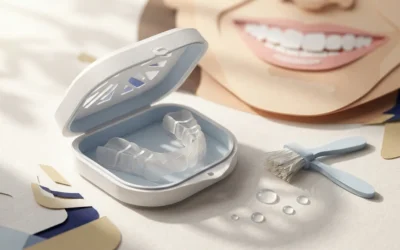
- Retention: Once your teeth reach their goal, you’ll wear a retainer to lock in those results and prevent any drifting back.
Skipping that final retention stage is one of the biggest regrets patients have. Your teeth naturally want to shift over time, so a good retainer routine is non-negotiable if you want your new smile to last.

Traditional Braces: The Tried-and-True Option
Braces have been straightening smiles for generations, and honestly, they still do an amazing job. Metal brackets get bonded to each tooth, connected by a wire that your orthodontist adjusts at regular visits. That gentle tension is what moves your teeth into alignment.
Braces work well for almost every type of case, from mild crowding to more complex bite problems. They’re also a great fit for kids and teens who might not be responsible enough yet to wear removable aligners for the full recommended time each day.
- Handle complex cases, including severe crowding and bite issues
- No responsibility needed to “remember” to wear them since they stay in place
- Available in classic metal or more discreet ceramic (clear) options
- Often more budget-friendly than other treatment types
- Great for younger patients still developing self-discipline
Curious about what modern braces actually look and feel like today? Check out our guide on all about braces to see how far the technology has come.
Clear Aligners: The Discreet, Flexible Choice
Clear aligners are nearly invisible plastic trays custom-made to fit your teeth. You wear each set for about a week before switching to the next one in your series, with each tray nudging your teeth by tiny fractions of a millimeter. For best results, aligners need to stay in your mouth at least 22 hours a day.
This option has exploded in popularity, especially among teens and adult professionals who want straighter teeth without anyone noticing mid-treatment. At Brockway Orthodontics, we proudly offer Spark™ Clear Aligners, a comfortable and more affordable alternative that delivers beautiful results without breaking the bank.
Why Adults Love Clear Aligners
If you’re in a demanding career and worried about how metal brackets might look during client meetings or job interviews, clear aligners solve that problem completely. They’re removable too, so you can eat whatever you want without worrying about food restrictions.
- Nearly invisible, ideal for professional and social settings
- Removable for eating, brushing, and flossing with ease
- Smooth plastic means no mouth sores from wires or brackets
- Fewer in-office visits compared to traditional braces
- Great option for mild to moderate misalignment
Braces vs. Clear Aligners: A Side-by-Side Comparison
Sometimes seeing the facts laid out side by side makes the decision so much clearer. Here’s how these two popular teeth straightening treatment options stack up against each other.
| Feature | Traditional Braces | Clear Aligners |
|---|---|---|
| Visibility | Visible (or subtle with ceramic) | Nearly invisible |
| Removable | No | Yes |
| Average Treatment Time | 18 to 24 months | 12 to 18 months |
| Best For | Complex cases, kids, teens | Mild to moderate cases, adults |
| Food Restrictions | Yes, several foods to avoid | None (remove before eating) |
| Maintenance | Regular adjustments needed | Change trays weekly at home |
Curious to dig deeper into this comparison? Our detailed breakdown of traditional braces vs. clear aligners covers even more angles to help you decide.
How Long Does Teeth Straightening Treatment Actually Take?
This is probably the question we hear most often, and the honest answer is: it depends. Treatment length varies based on how much your teeth need to move and how complex your bite issue is.
| Treatment Type | Typical Duration |
|---|---|
| Traditional Metal Braces | 18 to 24 months |
| Damon Braces | 12 to 18 months |
| Clear Aligners (like Spark™) | 12 to 18 months |
| Mild Misalignment Cases | A few months |
| Severe Bite or Jaw Cases | 3 years or more |
Every mouth is different, which is exactly why a personalized consultation matters so much. During your first visit, Dr. Brockway will examine your teeth and give you a realistic timeline based on your unique situation.
Teeth Straightening Treatment for Every Stage of Life
One of the best things about modern orthodontics is that it truly works for everyone. Let’s look at how treatment needs shift depending on your age and life stage.
Children and the First Orthodontic Visit
The American Association of Orthodontists recommends that kids have their first orthodontic screening around age seven. At this age, some adult teeth have come in, making it easier to spot potential problems early. Catching issues now can mean simpler, shorter treatment later.
Early treatment can guide jaw growth and create room for permanent teeth to come in properly. Learn more about what to expect with early treatment options designed specifically for young smiles.
Teens: Timing It Around Big Moments
Many teenagers want their braces off before homecoming, prom, or graduation photos. We get it, and we plan treatment timelines with these milestones in mind whenever possible. Clear aligners have also become a favorite among image-conscious teens who want results without the metal-mouth look.
Our team specializes in making adolescent treatment comfortable, efficient, and even a little fun along the way.
Adults: It’s Never Too Late
More adults than ever are seeking teeth straightening treatment, whether it’s their first time or a retreatment after old braces relapsed. Life gets busy, and maybe your retainer got lost in a move, or you simply never got treatment as a kid. Either way, it’s completely normal, and completely fixable.
Adult professionals especially appreciate discreet options like clear aligners that fit seamlessly into a demanding work schedule. Explore our adult treatment options to see what might work best for your smile and your calendar.
Steps to Getting Started With Treatment
Ready to take the leap toward a straighter smile? Here’s what the process typically looks like from your very first phone call to the day your treatment begins.
- Schedule a consultation to meet with Dr. Brockway and discuss your smile goals
- Get a full exam, including digital X-rays and 3D imaging for precise planning
- Receive a personalized treatment plan with cost and timeline details
- Review financing and insurance options that fit your budget
- Begin treatment with braces or clear aligners, whichever suits your needs
- Attend regular check-ins to track progress and make adjustments
- Transition into retention with a custom retainer once treatment ends
We also offer financing and insurance guidance to help make treatment as affordable as possible for your family.
Why Retention Matters More Than People Think
Here’s a truth many patients don’t hear enough: finishing active treatment isn’t the finish line. Retainers are essential after braces or aligners because teeth naturally want to drift back toward their original spots. Most orthodontists recommend nightly retainer wear indefinitely to protect your investment.
We’ve worked with plenty of relapse patients who skipped this step years ago and are now ready to reinvest in their smile the right way. If that sounds like you, there’s zero judgment here, only a fresh path forward.
Choosing Between Metal and Ceramic Braces
Not everyone wants the classic metal look, and that’s completely okay. Ceramic braces use tooth-colored or clear brackets that blend in much more subtly while still delivering the same reliable results as metal braces.
- Metal braces: durable, affordable, and great for complex cases
- Ceramic braces: less noticeable, ideal for image-conscious patients
- Both types follow the same treatment timeline and process
- Both require similar care and maintenance routines
Not sure which fits your lifestyle? Our comparison guide on metal vs. clear braces for adults walks through the pros and cons in detail.
What Can Orthodontic Treatment Fix Besides Crooked Teeth?
Many people assume orthodontics is purely cosmetic, but that’s only part of the picture. Treatment can correct a wide range of functional issues too.
- Overbites and underbites that affect chewing and speech
- Crossbites that cause uneven jaw growth
- Gapped teeth that trap food and increase decay risk
- Overcrowding that makes brushing and flossing difficult
- Jaw misalignment that contributes to headaches or jaw pain
According to the American Dental Association, properly aligned teeth are easier to clean and maintain, which supports better long-term oral health. That’s why we consider teeth straightening treatment both a health investment and a confidence boost.
Finding the Right Orthodontist Near You
Choosing who guides your treatment matters just as much as choosing the treatment itself. You want someone experienced, warm, and genuinely invested in your results, not just another appointment on the schedule.
Dr. Brockway has built her Clearwater practice around exactly that philosophy. She listens closely to your concerns, explains every option in plain language, and uses modern tools like digital impressions and 3D imaging to plan your treatment with precision. Our team is proud members of organizations like the Florida Association of Orthodontists, staying current on the latest techniques and standards in the field.
Want to see what real patients say about their experience? Feel free to visit us on Google — Brockway Orthodontics and read through honest reviews from families just like yours. You can also follow along with smile transformations and office updates on our Instagram and Facebook pages.
Our Full Range of Services
Whether you need traditional braces, clear aligners, or guidance for your child’s first screening, we’ve got you covered. Browse our full list of services to see everything available at our Clearwater office.
We also love spotlighting the person behind the practice. Get to know more about her background and approach on our Meet Dr. Brockway page, and see why so many Clearwater families trust her with their smiles.
Your Next Step Toward a Confident Smile
Teeth straightening treatment is one of those investments that pays off every single day, every time you smile in a photo or laugh with friends without a second thought. Whether you’re a parent exploring options for your seven-year-old, a teen counting down to graduation, or an adult finally ready to fix that smile you’ve been self-conscious about, there’s a path designed for you.
At Brockway Orthodontics, we combine modern technology, genuine care, and a real love for our Clearwater community to make your journey smooth and even enjoyable. Ready to see what’s possible for your smile? Book your free consultation online today, or feel free to contact our team with any questions along the way. We can’t wait to meet you and start this journey together.
FAQs
Q: What are the different types of teeth straightening treatments available?
A: You’ve got several great options, including traditional metal braces, ceramic (clear) braces, and clear aligners like our Spark™ system. Each one moves teeth using gentle pressure, just in slightly different ways, so the best choice really depends on your smile goals and daily lifestyle.
Q: How long does orthodontic treatment typically take for adults?
A: Most adult treatments run about 12 to 24 months, depending on how much movement your teeth need. Mild cases can wrap up in just a few months, while more complex bite issues might take closer to three years, so a personalized consultation really helps set expectations.
Q: Do I need to wear a retainer after getting my teeth straightened?
A: Yes, absolutely, and this step is more important than people realize! Teeth naturally want to drift back over time, so wearing a retainer, often nightly, helps lock in all that hard-earned progress for good.
Q: What is the difference between traditional braces and clear aligners?
A: Braces use fixed brackets and wires that stay on your teeth the whole time, while clear aligners are removable trays you switch out weekly at home. Braces handle more complex cases, while aligners offer a nearly invisible, flexible option for milder misalignment.
Q: At what age should a child have their first orthodontic screening?
A: The American Association of Orthodontists recommends age seven for that first screening visit. It’s early enough to catch potential issues while there’s still time to guide healthy jaw and tooth development.
Our Service Area