Key Takeaways
-
Check orthodontist credentials with the state licensing board or Florida Association of Orthodontists, and schedule a consultation to assess team comfort and communication style before committing to treatment.
-
Ask about specific costs, insurance coverage, payment plans, and what's included (like retainers) during your consultation to avoid surprises and find a treatment plan that fits your budget.
-
Choose between traditional braces for complex bite issues or clear aligners for mild-to-moderate misalignment based on your lifestyle, visibility preferences, and treatment timeline needs.
-
Start orthodontic care early—the American Association of Orthodontists recommends children see an orthodontist by age 7 to catch jaw growth and crowding issues that may require shorter treatment later.
-
Maintain your smile after treatment by wearing your retainer as instructed and coordinating regular dental check-ups with your orthodontist to prevent decay and tooth shifting.
-
Look for a practice with modern technology (digital scans, 3D imaging), emergency care availability, positive multi-platform reviews, and a warm team that explains treatment options clearly.
Searching for a Coral Springs orthodontist can feel like a big task. You want someone who is skilled, kind, and easy to talk to. You also want a plan that fits your family’s budget and busy schedule. This guide walks you through everything you need to know, from picking the right provider to understanding braces, clear aligners, and retainers. Whether you’re a parent looking out for your child’s smile, a teen wanting straighter teeth before graduation, or an adult ready to finally fix your bite, we’ve got friendly, practical advice for you.
While this guide focuses on what to look for in a Coral Springs orthodontist, families across Florida often ask the same smart questions no matter where they live. At Brockway Orthodontics, we believe every patient deserves clear answers and a treatment plan built just for them. Let’s dig into what makes orthodontic care work, so you can make a confident choice for your smile.
What Does an Orthodontist Actually Do?
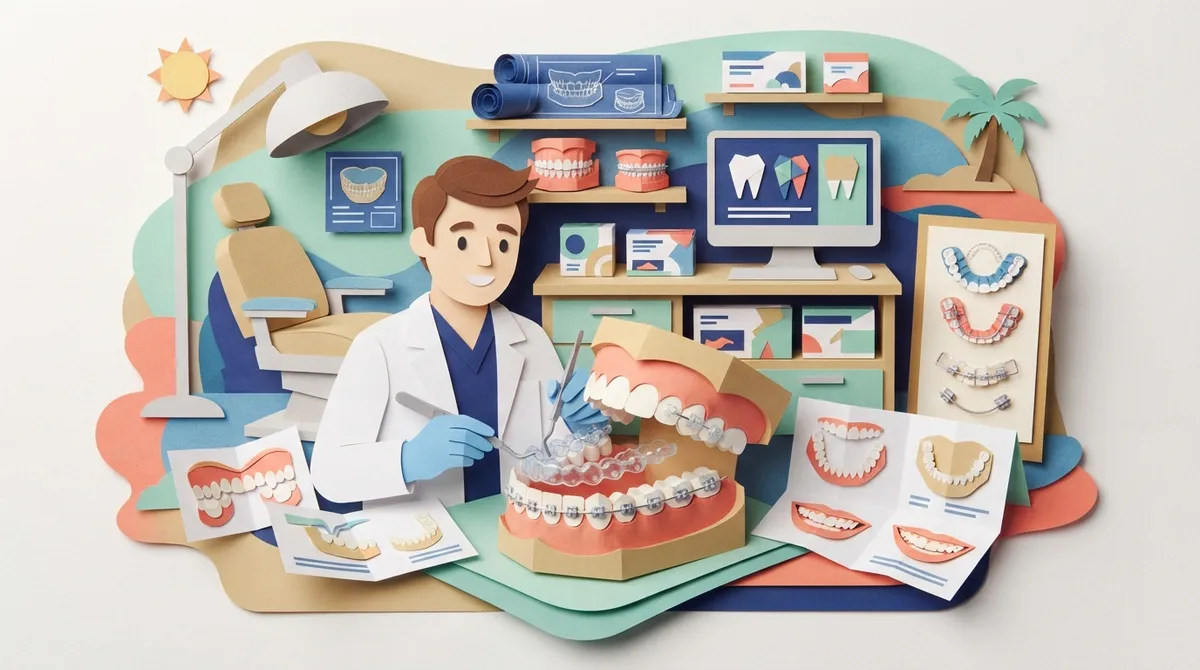
An orthodontist is a dental specialist trained to fix crooked teeth, gaps, and bite problems. They treat overbites, underbites, crowded teeth, and jaw alignment issues. Unlike a general dentist, an orthodontist has extra years of training focused only on tooth movement and jaw growth.
Local practices often serve families in Coral Springs, Parkland, and nearby Broward County communities. Good orthodontic care isn’t just about straight teeth. It’s also about a healthy bite, easier chewing, and a smile you feel proud to show off. Learn more about the range of orthodontic services typically offered by skilled providers.
Common Treatments You’ll Find
- Traditional metal braces for all ages
- Clear or ceramic braces for a subtler look
- Clear aligners, like Spark™ Clear Aligners, for removable treatment
- Early treatment for young children with growing jaws
- Retainers to protect your results after treatment ends
- Special appliances like palatal expanders or space maintainers

How to Choose the Best Orthodontist
Picking the right orthodontist takes more than a quick search. You want someone with real training, a caring team, and a track record of happy patients. Here’s a simple way to think through your decision.
Steps to Find a Great Fit
- Check their credentials and confirm they are a licensed, trained orthodontic specialist.
- Look at online reviews across several platforms, not just one site.
- Ask about the technology they use, like digital scans or 3D imaging.
- Find out what treatment options they offer, from braces to clear aligners.
- Confirm they explain costs, insurance, and payment plans clearly.
- Ask about emergency care in case a bracket breaks or an aligner gets lost.
- Schedule a consultation to see how comfortable you feel with their team.
One local Coral Springs provider states it has served the area for more than 25 years. Another reports over 30 years of experience for its lead doctor. These are helpful data points, but always double-check credentials directly with the state licensing board or the Florida Association of Orthodontists before making a final decision.
Comparing Treatment Options
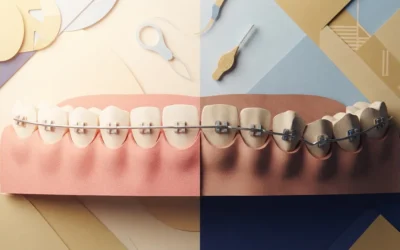
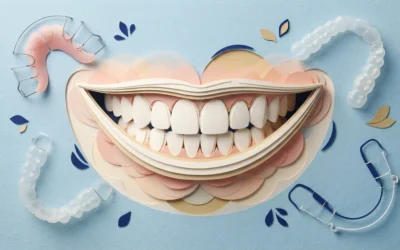
Not sure whether braces or clear aligners are right for you? Here’s a simple breakdown to help you decide, based on common patient needs.
| Feature | Traditional Braces | Clear Aligners |
|---|---|---|
| Visibility | Visible metal or ceramic brackets | Nearly invisible, removable trays |
| Best For | Complex bite issues, severe crowding | Mild to moderate misalignment |
| Daily Wear | Worn full-time, fixed in place | 20-22 hours per day, removable |
| Diet Restrictions | Avoid sticky, hard foods | Remove for eating and drinking |
| Average Treatment Time | 1-3 years, depending on case | About 1-2 years for many cases |
Curious about the differences in more detail? Our guide on traditional braces versus clear aligners breaks down which option fits different lifestyles and goals.
What Happens During Your First Visit
Your first orthodontic consultation sets the stage for everything that follows. It should feel welcoming, not rushed. A good provider takes time to answer your questions and explain your options clearly.
What to Expect at a Consultation
- A friendly welcome and review of your dental and medical history
- Digital photos or scans of your teeth and bite
- X-rays, if needed, to check jaw and root positions
- A clear explanation of your diagnosis and treatment choices
- An estimate of treatment time, cost, and what’s included
- A chance to ask about retainers, payment plans, and follow-up care
Learn more about what to expect during your first orthodontic visit so you walk in feeling prepared and relaxed.
Understanding Costs and Insurance
Cost is one of the biggest questions families ask. Prices vary based on the treatment type, how complex your case is, and where you live. Many practices offer flexible financing to make care more affordable.
| Question to Ask | Why It Matters |
|---|---|
| Does my insurance cover orthodontics? | Some plans cover kids only, others include adults too |
| Are retainers included in the fee? | Retainers are key to keeping your new smile in place |
| What payment plans are available? | Monthly plans can make treatment easier to budget for |
| Is there a consultation fee? | Many offices offer free initial visits |
| What happens if I miss an appointment? | Some offices charge fees for missed visits |
Our financing and insurance page covers common payment options that make treatment more accessible for busy families. You can also read tips on using dental insurance to help pay for braces.
Treatment for Every Stage of Life
Great orthodontic care isn’t one-size-fits-all. Kids, teens, and adults all have different needs, and a good provider adjusts their approach for each group.
Early Treatment for Kids
The American Association of Orthodontists recommends kids see an orthodontist by age 7. At this age, an orthodontist can spot problems early, like crowded teeth or jaw growth issues. Catching these problems early sometimes means shorter, simpler treatment later. Explore early treatment options designed just for growing smiles.
Braces and Aligners for Teens
Teen years are full of big moments, from school photos to prom. Many teens want a treatment that fits their busy, social lives. Options like clear aligners or ceramic braces offer a more low-key look. Check out our page on adolescent treatment to see what fits your teen’s needs.
Orthodontics for Busy Adults
More adults are choosing braces or aligners than ever before. Many want a discreet option that fits their work life without drawing attention. Clear aligners like Spark™ are popular because they’re removable and nearly invisible. Learn more about adult orthodontic treatment and how it can fit into a demanding schedule.
Retainers: The Step People Forget
Treatment doesn’t end when your braces come off or your last aligner tray is done. Your teeth can shift back over time without a retainer. This step is just as important as the active treatment phase.
Retainer Tips Every Patient Should Know
- Wear your retainer exactly as instructed, especially in the first few months.
- Clean your retainer daily to avoid bacteria buildup.
- Store it in its case when not in use to avoid loss or damage.
- Ask your orthodontist how often you need check-ups.
- Replace a lost or broken retainer quickly to prevent shifting.
Our retainer care guide has more tips to help you protect your results for years to come. If something goes wrong, read our guide on what to do if your retainer breaks.
Handling Orthodontic Emergencies
Sometimes things happen between visits. A wire pokes your cheek, or a bracket comes loose. Knowing what counts as a true emergency can save you stress and a late-night trip to urgent care.
- Broken brackets or bands that cause pain or discomfort
- Wires poking the inside of your mouth
- Lost or cracked aligner trays
- Severe pain after an adjustment
- Swelling or signs of infection
Not every issue needs a same-day visit. Our article on emergency versus routine orthodontics explains how to tell the difference so you know when to call right away.
Why Coordination With Your Dentist Matters
Orthodontic treatment works best when your teeth and gums are healthy first. Cavities, gum disease, or infections should be treated before or during your orthodontic care. Your orthodontist and general dentist should work as a team.
According to the American Dental Association, keeping regular dental check-ups during orthodontic treatment helps prevent decay around brackets and wires. Good oral hygiene habits matter even more once you have braces or aligners in your daily routine.
Signs You’ve Found a Great Orthodontic Office
A great office does more than fix teeth. It makes you feel welcome, informed, and cared for at every visit. Here’s what to look for.
- A warm, friendly team that answers questions patiently
- Clear explanations of your treatment plan and costs
- Modern technology like digital scans instead of messy molds
- Flexible scheduling for busy families
- Positive reviews across multiple platforms
- A clean, comfortable office environment
One local listing showed a Coral Springs practice with a 4.4-star rating from 21 reviews in 2025. Ratings change over time, so it’s smart to check current reviews before booking. You can also follow orthodontic practices on social platforms like Instagram or Facebook to see recent patient stories and smile transformations.
Bringing It All Together
Choosing the right orthodontist is a big decision, but it doesn’t have to be stressful. Focus on credentials, clear communication, and a treatment plan built around your life. Whether you need braces for your child, aligners for yourself, or a retainer check-up, the right team will make you feel supported every step of the way.
At Brockway Orthodontics in Clearwater, Florida, Dr. Brockway and her team are passionate about creating smiles for the whole family. We offer modern options like Spark™ Clear Aligners, ceramic braces, and traditional metal braces, all backed by digital technology and same-day treatment in certain cases. You can visit us on Google — Brockway Orthodontics to see what our patients are saying about their experience.
Ready to take the next step toward a smile you’ll love? Book your appointment online today or reach out to our friendly team with any questions. We can’t wait to meet you and your family!
FAQs
Q: How do I choose the best orthodontist near me?
A: Start by checking their credentials, reading reviews on multiple platforms, and scheduling a consultation. A great orthodontist explains your options clearly and makes you feel comfortable from the very first visit. Trust your gut, too. If a team feels warm and welcoming, that’s a great sign!
Q: How much do braces typically cost?
A: Costs vary widely based on your treatment needs and the type of braces you choose. Many offices offer payment plans to spread the cost over time, so don’t let sticker shock scare you away. Always ask for a written estimate during your consultation so there are no surprises.
Q: Does dental insurance cover braces or clear aligners?
A: Many dental insurance plans cover a portion of orthodontic treatment, though coverage for adults varies more than coverage for kids. It’s worth calling your insurance provider to ask about your specific plan. Our team is happy to help you understand your benefits too.
Q: At what age should my child first see an orthodontist?
A: Most experts recommend a first orthodontic visit around age 7. This lets the orthodontist catch potential issues early, even if treatment doesn’t start right away. Early visits are simply a smart, proactive step for your child’s smile.
Q: Are retainers included in the cost of treatment?
A: This depends on the practice, so it’s a great question to ask during your consultation. Some offices include retainers in their overall fee, while others charge separately. Either way, retainers are essential for keeping your smile straight long after treatment ends.
Our Service Area