Key Takeaways
-
Elastics only work when worn exactly as your orthodontist prescribes, so never copy a friend's pattern or change the schedule on your own.
-
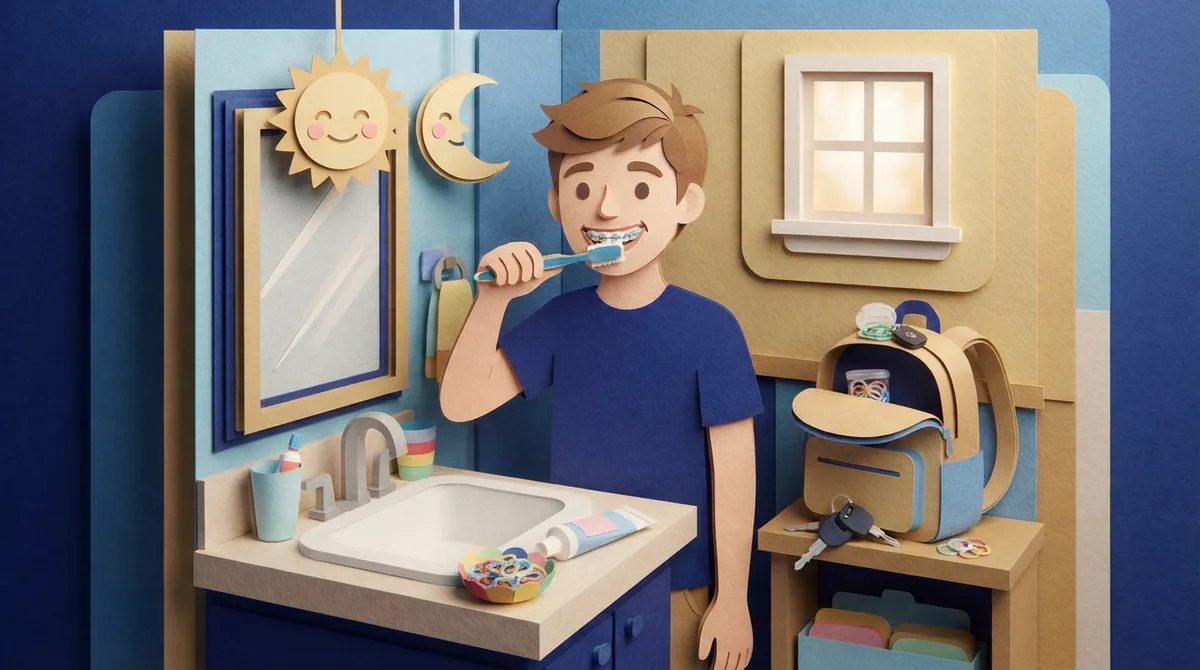
Attach elastics to existing daily habits like brushing, meals, or bedtime, so wearing them becomes as automatic as brushing your teeth.
-
Keep spare elastics in your backpack, bathroom, and car to avoid skipped days caused by running out or forgetting them at home.
-
If you forget a day, simply resume the normal schedule; never wear extra elastics to make up for missed time, as too much force can harm teeth or slow progress.
-
Parents should support the routine with neutral check-in questions and praise for consistency rather than nagging or scolding after missed days.
-
Write down your exact elastic instructions and confirm them at your visit, since wear times, attachment points, and replacement frequency vary by patient.
Let’s be honest: most teens have a lot going on. School, sports, friends, group chats, and a phone that never stops buzzing. So when an orthodontist hands over a bag of tiny rubber bands, it is no surprise that remembering them can feel like one more thing to juggle. The good news? Helping teens remember orthodontic elastics is very doable with a few simple habits and a little teamwork at home.
Elastics are a big deal in treatment. They help guide the bite into a healthier position, but they only work when they are worn the way the orthodontist prescribes. Skipped days can mean slower progress, and nobody wants extra time in braces. At Brockway Orthodontics, we see how much of a difference a steady routine makes, and we love helping families build one that sticks.
In this guide, you will learn what elastics do, how to tie them to daily routines, which reminders actually work, and how parents can help without turning into the “rubber band police.” Whether you are a teen or a parent, you are in the right place.
Why Orthodontic Elastics Matter So Much
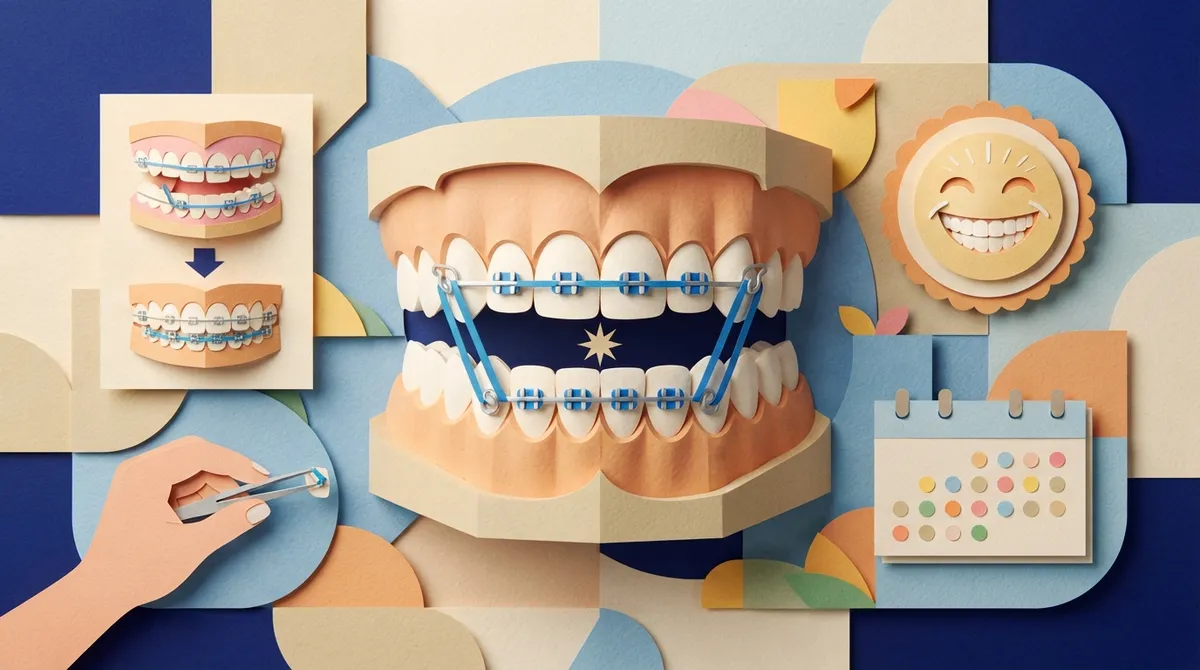
Orthodontic elastics, often called rubber bands, apply gentle force between teeth or between the upper and lower jaws. That steady pull helps correct the bite so teeth fit together comfortably and work well.
Here is the important part: elastics are prescribed for specific patients. Not every teen needs them. Your orthodontist decides the type, the attachment points, and the wear schedule based on your bite. That is why you should never copy a friend’s pattern or change it on your own.
Think of elastics like a team sport. Braces or aligners do part of the work, and elastics do another part. If one player skips practice, the whole team slows down.
What Happens When Elastics Are Missed
When elastics are not worn as directed, the bite correction can stall. The force is no longer steady, so teeth may not move the way the plan expects. Over time, that can mean extra visits or a longer treatment timeline. If you want a closer look at what can slow things down, our article on rubber band mistakes that slow your braces covers the most common slip-ups.
Start With the Prescription, Not Guesswork
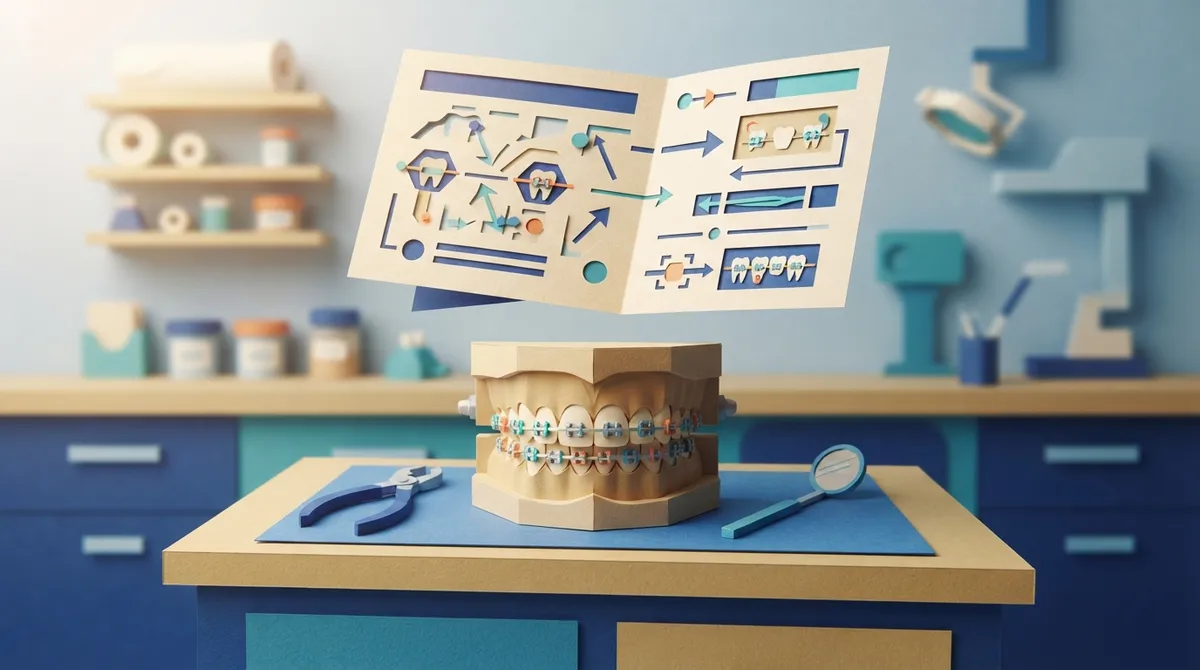
Before you build any routine, make sure you know exactly what was prescribed. Different patients get different instructions, so clarity is step one.
Ask your orthodontist these questions at your next visit:
- Which teeth or hooks do my elastics attach to?
- Which size and strength should I use?
- Do I wear them all day and night, or only part of the day?
- When should I take them out?
- How often should I put on fresh ones?
Write the answers on a sticky note, or snap a photo on your phone. Having the instructions handy makes it much easier to follow them. If you are not sure what to ask, our list of questions teens should ask their orthodontist is a great place to start.
Tie Elastics to Daily Routines
The easiest way to remember something new is to attach it to something you already do. Experts call this habit stacking, and it works wonders for elastics.
Your orthodontist’s schedule always comes first, but here is how many teens connect elastics to everyday moments:
- Morning routine: Put on fresh elastics right after brushing your teeth and getting dressed.
- After meals: Make “finish eating, brush, new elastics” one smooth chain.
- Before school or practice: Check that elastics are in before you grab your bag.
- Bedtime: Add them as the last step after brushing, if your schedule calls for night wear.
The goal is to make elastics feel as automatic as brushing your teeth. After a couple of weeks, many teens stop even thinking about it.
A Quick Word on Eating and Brushing
The American Association of Orthodontists generally advises removing elastics to eat and brush, then putting on fresh ones afterward. Your own instructions may differ, so always go with what your orthodontist told you. And speaking of brushing, if your technique needs a refresher, take a peek at these brushing mistakes that wreck braces.
Reminders That Actually Work for Teens
Good intentions are great, but reminders are better. Here are simple tools that fit right into a teen’s world. These are habit helpers, not replacements for your orthodontist’s instructions.
| Reminder Tool | How It Helps | Best For |
|---|---|---|
| Phone alarms | Pings you at set times, like after lunch | Teens who always have their phone |
| Habit-tracking app | Lets you check off each day and see streaks | Goal-driven teens who like progress |
| Note near the toothbrush | Visual cue during the brushing routine | Morning and bedtime wear |
| Spare elastics in a backpack | Fresh ones ready after lunch or practice | Busy school days and sports |
| Checklist on the mirror | Daily tick-box you see while getting ready | Visual learners |
Keep Spare Elastics Everywhere
One of the most common reasons teens skip elastics is simple: they ran out, or they left them at home. The AAO recommends carrying extra elastics, and we agree. Keep a small supply in these places:
- Your backpack or gym bag
- The bathroom drawer at home
- Your car, if you drive or carpool
- A small case in your locker or purse
Only use the elastics your orthodontist prescribed. Wash your hands before handling them, and swap in fresh ones daily or as often as your orthodontist recommends.
How Parents Can Help Without Nagging
Parents, this section is for you. We know you want to help, and we know teens can bristle at constant reminders. The secret is to support the routine instead of policing it.
Here are friendly ways to help:
- Set up the system together. Help your teen choose reminders and stock the supplies. When teens help design the plan, they are more likely to follow it.
- Ask neutral questions. Try “How are the elastics going this week?” instead of “Did you forget again?”
- Praise consistency. A simple “I noticed you’ve been really steady with your elastics” goes a long way.
- Skip the shame. Missed days happen. Respond with problem-solving, not scolding.
- Keep a backup stash. Make sure there are always extra elastics at home.
For more ideas, our guide on ways parents can support teen oral hygiene with braces shares simple strategies that work well alongside an elastics routine.
A Note for Teens
If the routine feels hard, tell your orthodontist honestly. Maybe the elastics feel awkward, break often, or clash with your schedule. We would much rather hear about it and adjust the plan than have you quietly struggle. Teams like ours are here to help, not to judge.
What to Do When Things Go Wrong
Even the most organized teen will have an off day. Here is how to handle common hiccups calmly.
If You Forget for a Day
Do not panic. Simply go back to your normal schedule right away. Whatever you do, do not wear extra elastics to “make up” for lost time. The AAO warns that too much force can harm teeth or jaws, or even slow tooth movement. Steady and prescribed wins every time.
If an Elastic Breaks or You Run Out
Elastics can snap, especially during meals or yawns. That is normal. Put on a fresh one from your spare supply. If you are out of elastics, keep breaking them repeatedly, or feel unsure about your instructions, call the office. It is a quick fix, and we are happy to help. Our article on orthodontic emergency fixes offers more ideas for small problems.
If Wearing Elastics Feels Uncomfortable
A little soreness is common when you first start elastics or when a new schedule begins. It usually fades within a few days. If the discomfort is strong or lasts, let your orthodontist know. You can also read up on braces pain and what to expect for gentle relief tips.
Make It Fun and Rewarding
Habits stick faster when they feel good. Try mixing in a little fun:
- Track your streak. Mark each successful day on a calendar. Seeing a long chain of checkmarks feels great.
- Set small rewards. Pick a treat for a full week of steady wear, like a movie night or a new playlist.
- Use color to your advantage. Some teens enjoy picking fun colors where their treatment allows. Ask your orthodontist what is possible.
- Remember your why. Picture the big day when the braces come off. A healthier bite and a confident smile are worth the effort.
Keeping the finish line in mind helps on those days when elastics feel like a chore. If you want a sense of how long the journey may take, our guide on how long you have to wear braces breaks it down.
Why Regular Checkups Keep Everyone on Track
Elastics are only one piece of treatment. Regular visits let your orthodontist check your progress, adjust your elastic plan, and catch small issues early. If a teen is struggling with consistency, a checkup is the perfect time to talk it through and tweak the routine. You can learn more in our post on why orthodontic checkups matter so much.
At Brockway Orthodontics in Clearwater, Dr. Brockway takes the time to listen, explain, and build a plan that fits real life. We offer metal braces, ceramic braces, and Spark Clear Aligners for teens and adults, and we love celebrating families at every step. If you would like to see what other families think, you can visit us on Google and read Brockway Orthodontics reviews.
You can also find guidance from trusted professional groups like the American Dental Association and the Florida Association of Orthodontists if you want more background on oral health and orthodontic care.
Your Quick-Start Plan
Ready to put this into action? Here is a simple plan you can start today:
- Confirm your exact elastic instructions with your orthodontist.
- Pick two daily moments to attach elastics to, like brushing and bedtime.
- Set one or two phone alarms for the tricky times.
- Stash spare elastics in your backpack, bathroom, and car.
- Check in weekly as a family using friendly, neutral questions.
- Celebrate every week of steady wear.
That is all it takes. Small habits, repeated daily, add up to big results.
Ready for a Smoother Braces Journey?
Remembering elastics does not have to be stressful. With the right routine, handy reminders, and a supportive family, teens can stay on track and finish treatment with a smile they love. If your teen is struggling with elastics, or if you have questions about braces and aligners, we are here to help. Book your appointment online or contact our friendly team today, and let’s get your teen’s smile moving in the right direction.
FAQs
Q: How can I help my teenager remember to wear orthodontic elastics?
A: Tie elastics to routines your teen already has, like brushing or bedtime, and add phone alarms or a mirror checklist. Keep spare elastics in a backpack so they are always within reach. Ask friendly check-in questions instead of nagging, and praise steady effort.
Q: What should my teen do if they forget elastics for a day?
A: No worries, it happens! Just return to the normal schedule right away. Do not wear extra elastics to make up for missed time, since too much force can harm teeth or slow progress. If it keeps happening, let your orthodontist know so you can adjust the routine together.
Q: Can wearing extra rubber bands make braces work faster?
A: Nope, more is not better here. Extra elastics can put too much force on teeth and jaws, which may cause harm or even slow tooth movement. Always follow the exact schedule your orthodontist prescribed.
Q: How often should orthodontic elastics be changed?
A: The American Association of Orthodontists suggests replacing elastics daily or as often as your orthodontist recommends. Elastics lose their stretch over time, so fresh ones keep the force steady. Your own instructions may differ, so follow your care team’s guidance.
Q: What should teens do if an elastic breaks or they run out?
A: Swap in a fresh elastic from your spare supply right away. If you are out of elastics, keep breaking them, or feel unsure about your instructions, call your orthodontic office. We are always happy to help get you back on track.
Our Service Area