Key Takeaways
-
Always rinse aligners with cool or lukewarm water every time you remove them, and never use hot water, since heat can warp the thermoplastic and change how the trays fit.
-
Gently brush aligners with a soft-bristled brush and water, and check with your orthodontist before using toothpaste or mouthwash, since abrasive products can scratch the plastic and cause cloudiness.
-
Always brush and floss your teeth before reinserting aligners to avoid trapping food and drink residue against your teeth and gums.
-
For deeper cleaning when trays look cloudy, feel sticky, or smell, soak them in a cleaner made for aligners, following the label directions, since combining brushing with an approved soak appears most effective.
-
Store aligners in their protective case whenever they're out, and never wrap them in a napkin, as this is a common way they get thrown away by accident.
-
Remove aligners before eating or drinking anything other than water, and avoid coffee and tea, since hot drinks can warp trays and dark drinks can stain them.
You pop your aligners out after a long day, and you notice a little cloudiness or a funny taste. Sound familiar? Don’t worry. It happens to nearly everyone who wears clear aligners, and the fix is easier than you might think.
Knowing how to clean clear aligners is one of the best habits you can build during treatment. Clean trays look better, smell fresher, and help keep your teeth and gums healthy while your smile shifts into place. Whether you’re a teen heading to school, a busy professional, or a parent helping a child stay on track, this guide walks you through each step in plain, friendly language.
At Brockway Orthodontics in Clearwater, we love helping patients feel confident about every part of their treatment, including daily care. Let’s get your aligners sparkling.
Why Cleaning Your Clear Aligners Matters
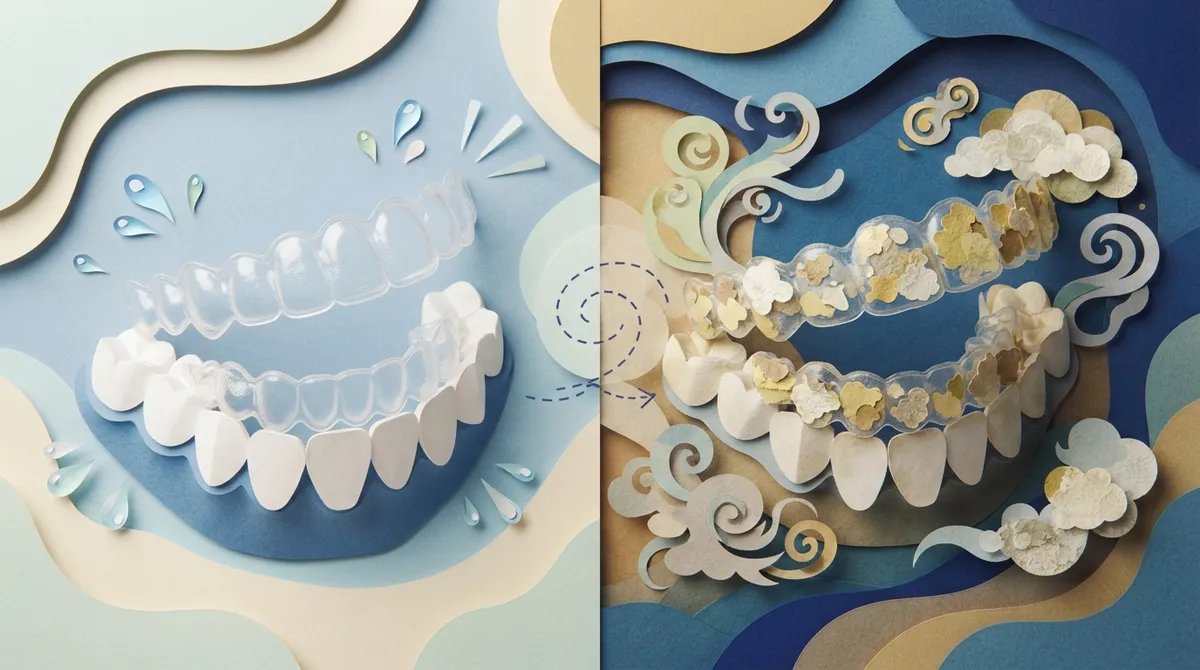
Clear aligners sit snugly against your teeth for many hours each day. That means saliva, bacteria, and tiny bits of food can build up on the plastic. This sticky film is called biofilm.
If you skip cleaning, a few things can happen:
- Cloudy or dull trays that are easier to notice when you smile
- Bad breath or an off taste from bacteria on the plastic
- Stains from coffee, tea, or colorful drinks
- Extra plaque held against your teeth and gums
A short daily routine keeps all of this in check. It only takes a few minutes, and your smile will thank you.
How to Clean Clear Aligners: Your Daily Routine
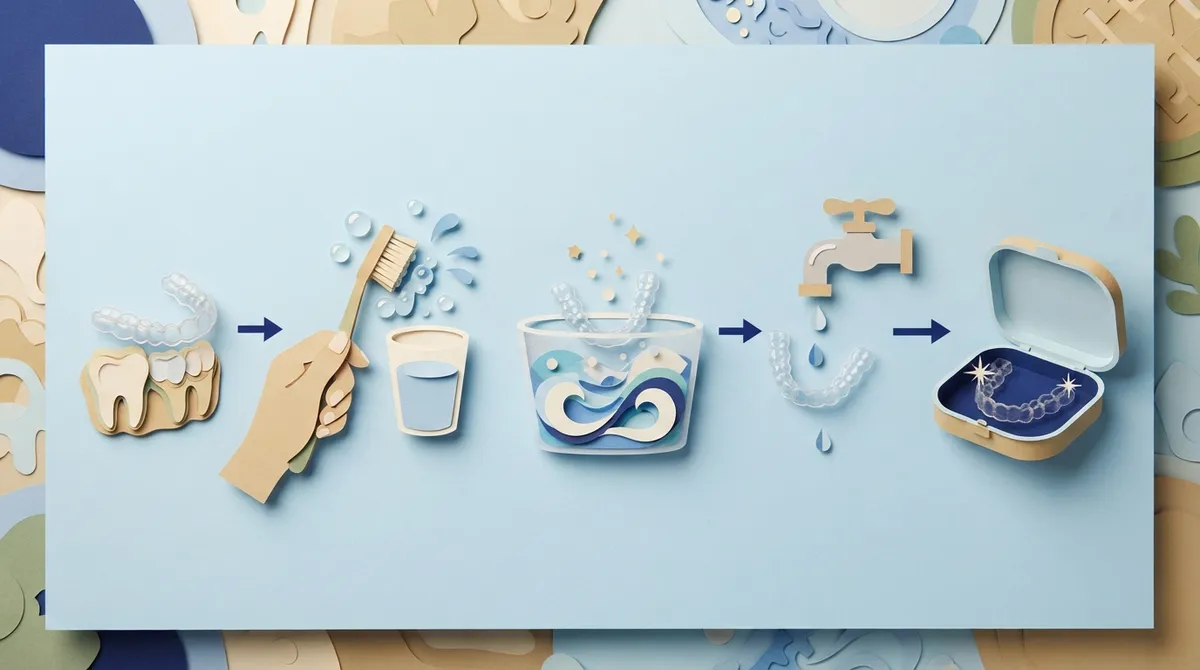
Here is the simple routine we recommend for most patients. Always follow the exact instructions from your orthodontist and your aligner maker, since small details can vary from brand to brand.
- Rinse right away. Whenever you take your aligners out, rinse them with cool or lukewarm water. Rinsing quickly stops saliva and debris from drying onto the plastic.
- Brush gently. Use a soft-bristled toothbrush and water to lightly clean every surface, inside and out. Use a separate brush just for your aligners if you can.
- Clean your teeth. Brush and floss before you put your trays back in. Otherwise, you trap food and drink residue against your teeth.
- Rinse again. Give the trays one more rinse before you pop them back in.
- Store them safely. When your aligners are out, keep them in their protective case.
That’s it. Rinse, brush, and store. Doing this every time you remove your trays builds a habit that protects both your aligners and your smile.
The Right Water Temperature
Always use cool or lukewarm water. Hot or boiling water is a big no. Aligners are made of thermoplastic, and heat can warp them. Even a small change in shape can affect how well they fit and how well they move your teeth.
So skip the hot tap, the dishwasher, and the microwave. Cool water does the job beautifully.
What About Toothpaste and Mouthwash?
This is one of the most common questions we hear. The answer depends on the manufacturer. Invisalign’s published instructions recommend a soft brush and water, and they advise against using toothpaste and mouthwash on its aligners.
Here’s why many orthodontists agree with a gentler approach:
- Many toothpastes are slightly abrasive and can create tiny scratches in the plastic.
- Scratches make trays look cloudy and give bacteria more places to hide.
- Some mouthwashes contain dyes or strong ingredients that can stain or leave residue.
Because product instructions can differ, ask your orthodontist before you try anything new. When in doubt, plain water and a soft brush are a safe choice.
Deep Cleaning: When Water and a Brush Aren’t Enough
Some days, a quick brush won’t cut it. If your trays look cloudy, feel sticky, or start to smell, it’s time for a deeper clean.
Use a Cleaner Made for Aligners
Look for a cleaning product specifically designed for aligners or retainers. Follow the label directions closely, soak for the recommended time, and rinse the trays well before putting them back in. Don’t assume all cleaners are interchangeable, since each one has its own instructions.
Why Combining Methods Helps
Research on the best at-home cleaning method is still limited. A 2024 systematic review of at-home aligner biofilm management looked at 11 studies and judged the overall certainty of the evidence to be low. Still, the approaches that seemed most effective generally combined mechanical cleaning (like gentle brushing) with a chemical cleaning agent.
A 2025 study also found that brushing alone, or with whitening toothpaste, left noticeable debris on the aligners it tested. These findings don’t replace your orthodontist’s advice, but they do suggest that a quick brush and an approved soak can work well together.
A Note on Denture Tablets
Many people ask whether denture-cleaning tablets are okay. Some patients use them, but they aren’t always approved by aligner makers. Check with your care team first so you don’t risk clouding or damaging your trays.
Cleaning Do’s and Don’ts at a Glance
| Do | Don’t |
|---|---|
| Rinse with cool or lukewarm water every time | Use hot or boiling water |
| Brush gently with a soft-bristled brush | Scrub with a hard brush or abrasive cleaners |
| Use cleaners approved for aligners | Use unapproved chemicals or harsh products |
| Clean your teeth before reinserting trays | Put trays back over a dirty mouth |
| Store aligners in their case | Wrap them in a napkin or leave them out |
Smart Habits That Keep Aligners Cleaner
Cleaning is only half the story. A few small habits make your trays much easier to keep fresh.
- Take them out to eat and drink. Remove your aligners before eating or drinking anything other than water. This prevents stains and keeps food from getting trapped under the plastic.
- Skip coffee and tea while wearing them. Hot drinks can warp aligners, and dark drinks can stain them.
- Rinse your mouth after meals. If you can’t brush right away, a quick rinse with water helps before the trays go back in.
- Always use the case. Aligners wrapped in napkins are one of the most common ways they get thrown away by accident.
- Wash your hands first. Clean hands mean fewer germs on your trays.
For more ideas on what to avoid, check out our post on clear aligner food mistakes that harm your smile.
How to Remove Stains and Odor
Even careful patients sometimes notice a stain or a smell. Here’s a friendly game plan.
- Rinse the trays in cool water and brush gently with a soft brush.
- Soak them in a cleaner made for aligners, following the label directions.
- Rinse thoroughly so no taste or residue remains.
- Brush and floss your teeth before putting the trays back in.
If stains or odor keep coming back even with good cleaning, it’s worth a quick chat with your orthodontist. We can check whether the trays need replacing or whether a different routine might help.
Cleaning Tips for Different Patients
For Parents of Kids and Teens
Busy school days can make cleaning easy to forget. Try keeping a small kit in the backpack with the case, a travel toothbrush, and a travel-size container for rinsing. Build the routine into mealtimes so it becomes automatic. If you’re exploring options for your child, our guide on braces vs. clear aligners for kids is a helpful read.
For Busy Adult Professionals
Keep a spare case and a travel brush in your desk or bag. A quick rinse and brush after lunch takes only a minute, and it keeps your trays looking discreet and fresh during meetings. If you’re curious about different approaches, see our post on clear aligners vs. braces.
For Retainer Wearers and Retreatment Patients
Good news: most of these cleaning habits also work for retainers. Gentle brushing, cool water, and careful storage protect your investment. Learn more about caring for yours on our retainers page.
When to Call Your Orthodontist
Cleaning handles most everyday issues. But some signs mean it’s time to reach out. Contact your care team if:
- A tray becomes cracked, damaged, or clearly warped
- Your aligner turns cloudy and won’t clear up with cleaning
- A bad smell lingers even after a deep clean
- Your aligners no longer fit the way they should
Don’t try to fix a damaged tray yourself. A quick call can save you time and keep your treatment on track.
Clean Aligners Start With Great Care
Our patients love Spark™ Clear Aligners, which are a more affordable alternative to Invisalign. With Dr. Brockway’s personalized guidance, you’ll get care tips made for your specific treatment and lifestyle. You can meet Dr. Brockway and learn how she helps patients of all ages feel comfortable and informed from day one.
For general oral health guidance, the American Dental Association offers helpful resources, and the Florida Association of Orthodontists shares information about orthodontic care across the state. You can also see what our patients say by reading Brockway Orthodontics reviews on Visit us on Google — Brockway Orthodontics.
Final Thoughts: Make Cleaning a Happy Habit
Learning how to clean clear aligners doesn’t have to feel like a chore. Rinse with cool water, brush gently, clean your teeth, and store your trays in their case. Add an approved soak when you need a deeper clean, and avoid heat and harsh products. Those simple steps go a long way toward a fresh, clear, and comfortable treatment.
Remember, research on the perfect home routine is still growing, so your orthodontist’s advice always comes first. If you have questions, we’re happy to help.
Ready to start your smile journey in Clearwater? Book your appointment online and let’s talk about the best option for you, or contact us with any questions. We can’t wait to meet you!
FAQs
Q: How often should I clean clear aligners?
A: Rinse them every time you take them out, and give them a gentle brush at least once or twice a day. Add a deeper clean with an approved aligner cleaner as your orthodontist recommends. Think of it as brushing your teeth, but for your trays!
Q: Can I clean clear aligners with toothpaste?
A: It’s best to check with your orthodontist first. Many toothpastes are abrasive and can scratch the plastic, which makes trays cloudy. Invisalign’s published instructions, for example, recommend a soft brush and water and advise against toothpaste and mouthwash on its aligners.
Q: Can hot water damage clear aligners?
A: Yes, it can. Heat can warp the thermoplastic and change how your trays fit. Stick with cool or lukewarm water every time, and your aligners will thank you.
Q: Can I drink coffee or other beverages while wearing aligners?
A: Water is the only drink we recommend while your aligners are in. Coffee, tea, and colorful drinks can stain the trays, and hot drinks can warp them. Just take your aligners out, enjoy your drink, then clean your teeth before putting them back.
Q: What should I do if my clear aligner becomes cloudy or stops fitting?
A: First, try a gentle brush and an approved soak. If the tray stays cloudy, looks damaged, or no longer fits well, give your orthodontist a call. We’re always happy to take a look and get you back on track.
Our Service Area