Key Takeaways
-
Apply orthodontic wax to rubbing brackets or wires by rolling a small ball, drying the bracket with tissue, and pressing wax onto the spot; replace after eating to prevent cheek and lip irritation.
-
Most braces discomfort peaks within 24-48 hours then fades within days; research shows pain scores drop from 42.4/100 at 24 hours to 9/100 by day seven, so soreness is temporary and manageable.
-
Eat only soft foods like soup, yogurt, pasta, and eggs for the first few days; cut firmer foods into small pieces and avoid hard, crunchy, sticky, and chewy items that worsen soreness and damage braces.
-
Use a warm salt-water rinse (1 teaspoon salt in 8 ounces warm water) and cold compress wrapped in a towel to soothe irritation; avoid very hot drinks and spicy foods that irritate sore gums.
-
Never cut, bend, or repair a poking wire yourself; cover it with wax and call your orthodontist immediately, as professional care is essential for safety and proper alignment.
-
Contact your orthodontist if pain is severe, lasts longer than a few days, or if you have a loose bracket, very red swollen gums, or worsening sores despite home treatment.
Let’s be honest: nobody loves the sore-teeth feeling that can come with new braces. If you just got braces, had a wire change, or your child is wincing at the dinner table, you’re not alone. The good news? Braces discomfort is common, usually short-lived, and very manageable once you know a few tricks.
Here’s a number that might make you feel better. Research summaries report that 87% to 95% of patients feel some pain during fixed orthodontic treatment, especially in the first 24 hours. So if your teeth feel tender, your braces are simply doing their job.
In this friendly guide, we’ll walk you through practical braces discomfort solutions that really help. You’ll learn what to eat, what to rinse with, how to handle a poking wire, and when to call your orthodontist. Whether you’re a parent helping a nervous kid, a teen getting ready for a big event, or an adult juggling a busy career, these tips are for you.
Why Braces Cause Discomfort in the First Place
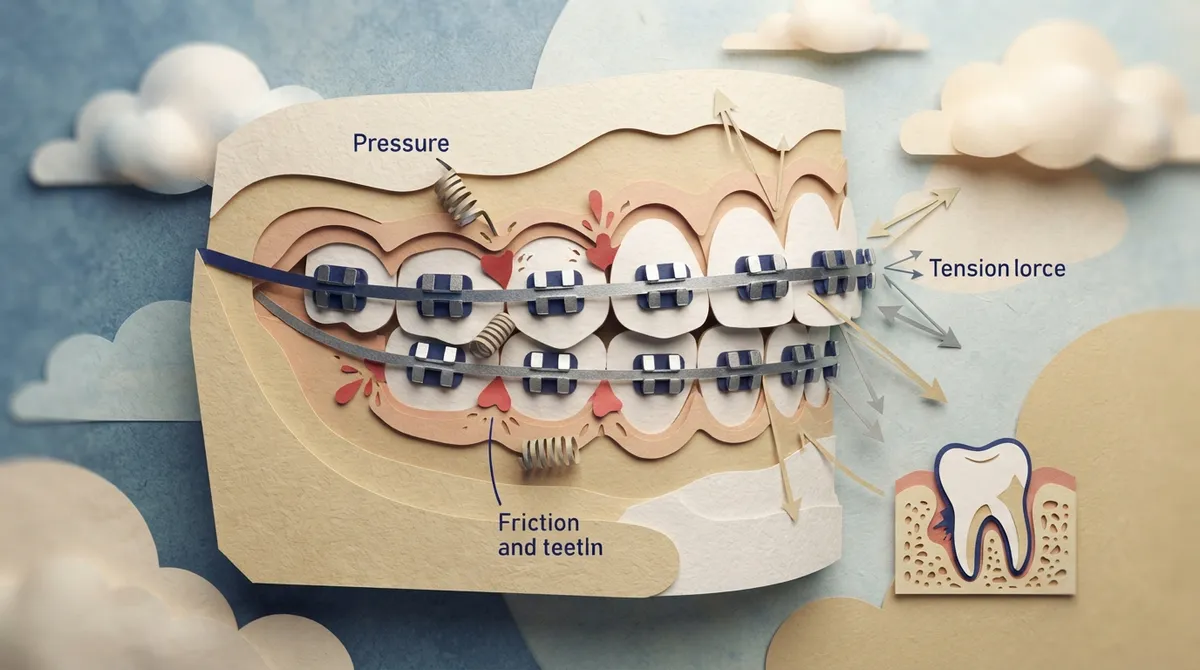
Braces work by applying gentle, steady pressure to move your teeth. That pressure wakes up the tissues around each tooth, and your teeth may feel tender or achy for a bit. It’s a sign that movement is happening.
There are really two kinds of discomfort, and they need different fixes:
- Pressure soreness: A dull ache or tenderness in the teeth after braces are placed or adjusted.
- Irritation from the hardware: Rubbing or poking from a bracket or wire that bothers your cheeks, lips, or tongue.
Knowing which one you have makes it much easier to pick the right remedy. If you’d like a deeper look at what to expect, our guide on whether braces hurt and what Clearwater patients can expect is a great place to start.

How Long Does Braces Discomfort Last?
For most people, soreness starts within a few hours. It is usually strongest during the first 24 to 48 hours, then eases over several days. NHS guidance says soreness after fitting or an adjustment generally lasts a few days.
One 2025 study article summarized average pain scores of about 42.4 on a 100-point scale at 24 hours, dropping to about 9 by day seven. Every mouth is different, but the pattern is reassuring: it gets better fast.
| Timeframe | What You May Feel | What Usually Helps |
|---|---|---|
| First few hours | Tight, pressured teeth | Soft foods, cold compress |
| 24 to 48 hours | Peak tenderness, sore cheeks | Wax, salt-water rinses, pain relief as directed |
| Days 3 to 5 | Soreness fading | Return to normal soft-to-moderate foods |
| Day 7 and beyond | Mild or no discomfort | Regular brushing and care |
If pain lasts longer than a few days or keeps getting worse, that’s your cue to reach out to your orthodontist.
9 Braces Discomfort Solutions That Actually Work
1. Choose Soft Foods for the First Few Days
When your teeth are tender, chewing can feel like a chore. Soft foods give your teeth a break while you still get good nutrition. Try these:
- Soup (let it cool a bit first)
- Yogurt and smoothies
- Pasta and mashed potatoes
- Scrambled eggs
- Oatmeal and applesauce
Cut firmer foods into small pieces. Skip hard, crunchy, sticky, and chewy foods, because they can make soreness worse and even damage your braces. Need more ideas? Check out our friendly list of what you can eat with braces, and our guide to foods to avoid with braces.
2. Use Orthodontic Wax on Rubbing Spots
If a bracket or wire is bugging your cheek, lip, or tongue, orthodontic wax is your new best friend. It forms a soft, protective barrier over the rough spot.
- Wash and dry your hands.
- Pinch off a small piece of wax and roll it into a little ball.
- Dry the bracket or wire with a tissue so the wax sticks.
- Press the wax gently onto the bothersome spot.
- Remove it before eating, then replace it with a fresh piece afterward.
Keep a few wax sticks in your backpack, purse, or desk drawer. You’ll thank yourself later.
3. Try a Warm Salt-Water Rinse
A warm salt-water rinse can soothe minor irritation and small sores. The American Association of Orthodontists suggests dissolving 1 teaspoon of salt in 8 ounces of warm water. Swish it around your mouth gently, then spit it out. Repeat a few times a day as needed.
4. Apply a Cold Compress
A cold compress on the outside of your cheek can temporarily ease soreness. Wrap an ice pack or a bag of frozen peas in a thin towel and hold it against your cheek for a few minutes at a time. Never put ice directly on your skin.
5. Consider Over-the-Counter Pain Relief
Some patients find over-the-counter pain medicine helpful during the first couple of days. Always follow the label directions. It’s smart to check with a pharmacist or your clinician first, especially for children, during pregnancy, if you have a medical condition, or if you take other medicines.
6. Stay Hydrated and Go Easy on Hot or Spicy Foods
Sore gums and irritated cheeks don’t love very hot drinks or spicy meals. Lukewarm and cool options feel much kinder. Sipping water throughout the day also keeps your mouth fresh and comfortable.
7. Keep Your Teeth Clean, but Be Gentle
It’s tempting to skip brushing when your mouth is sore, but clean teeth and gums heal and feel better faster. Use a soft-bristled toothbrush and go slowly around the brackets. Our step-by-step tips on how to brush teeth with braces can help you feel confident.
8. Give Yourself Time to Adjust
Your mouth needs a little time to get used to braces. Cheeks and lips toughen up as they adapt. If you want to know what the first week looks like, our post on 14 things to expect your first week with braces walks you through it.
9. Ask About Comfort Options Before You Start
Different appliances feel different. Some patients find Spark™ Clear Aligners more comfortable because there are no brackets or wires to rub the mouth, though aligners can still cause pressure soreness when you switch to a new set. Ask your orthodontist which option fits your needs and comfort level.
Quick Guide: Pressure Soreness vs. Rubbing Irritation
| Problem | Best Solutions |
|---|---|
| Sore, achy teeth | Soft foods, cold compress, pain relief as directed |
| Sore cheek or lip | Orthodontic wax, warm salt-water rinse |
| Small mouth sore | Salt-water rinse, wax over the rubbing spot |
| Poking wire | Wax, then call your orthodontist |
What to Do About a Poking Wire or Loose Bracket
A wire that pokes your cheek can be annoying, and it’s tempting to fix it yourself. Please don’t. Do not cut or bend a wire, or try to repair your braces, unless your orthodontist has told you exactly how to do it.
Instead, cover the sharp spot with wax and call the office. A broken or loose part, especially one causing pain or a cut, deserves a quick visit. Not sure if it’s urgent? Our post on emergency vs. routine orthodontics can help you decide, and our guide to DIY wire fixes vs. an orthodontist visit explains why professional care wins.
Tips for Different Family Members
For Parents of Kids and Teens
Kids may not always tell you what hurts. Watch for clues like skipping meals, rubbing the cheeks, or being extra quiet at dinner. Keep soft snacks and wax handy, and remind your child that soreness is temporary. Our post on braces for teens has more parent-friendly advice.
For Teens and Young Adults
Got a big event coming up, like prom or graduation? Plan ahead. Schedule adjustments with a few days of cushion, stock up on soft foods, and keep wax in your bag so a rubbing bracket never ruins the moment.
For Busy Adult Professionals
Between meetings and deadlines, you don’t have time for mouth pain. Keep wax in your desk, pack soft lunch options, and book adjustments at the end of the week so soreness peaks over the weekend. Our guide to adult treatment shows how modern options fit a busy life.
When to Call Your Orthodontist
Most braces discomfort is normal, but some signs mean you should get help. Contact your orthodontist if you notice:
- Severe pain, or pain that doesn’t improve after a few days
- A broken or loose bracket, band, or wire
- Very red, swollen, or painful gums
- A sore that keeps getting worse despite home care
Seek urgent medical or dental care right away for serious symptoms like trouble breathing or swallowing, bleeding you can’t control, or significant facial swelling.
At Brockway Orthodontics, Dr. Brockway takes the time to listen and explain, so you always feel comfortable asking questions. If you’re in the Clearwater area and need help, our team also offers fast, friendly emergency orthodontic care. You can also see what our patients say by reading Brockway Orthodontics reviews on Google.
Everyday Habits That Keep Discomfort Low
A few simple habits can make your whole braces journey smoother:
- Wear your rubber bands and follow instructions so treatment stays on track.
- Avoid chewing on pens, ice, or fingernails.
- Keep up with brushing and flossing to prevent irritated gums.
- Attend every scheduled appointment.
You can learn more about keeping your smile in top shape in our post on how to get the most out of your orthodontics care. For general oral health guidance, the American Dental Association is another trusted resource.
You’ve Got This
Braces discomfort can feel like a big deal in the moment, but it passes quickly, and the payoff is a healthy, confident smile you’ll love for years. With soft foods, wax, a simple salt-water rinse, and a little patience, most soreness fades within a few days.
If you have questions or your discomfort feels like more than it should, don’t tough it out alone. Book your appointment online or contact our friendly team. Dr. Brockway and the Brockway Orthodontics crew are here to keep you comfortable every step of the way.
FAQs
Q: How long do braces hurt after they are put on or adjusted?
A: Most people feel soreness within a few hours, and it’s usually strongest during the first 24 to 48 hours. It then fades over several days. If pain lasts longer or keeps getting worse, give your orthodontist a call.
Q: Does orthodontic wax really help with braces pain?
A: Yes, it does! Wax creates a soft barrier over a bracket or wire that rubs your cheek, lip, or tongue. Just roll a small ball, press it onto a dry bracket, and replace it with a fresh piece after eating.
Q: Can I take pain medicine for braces discomfort?
A: Many people use over-the-counter pain relief for a day or two, but always follow the label. It’s best to check with a pharmacist or clinician first, especially for kids, during pregnancy, or if you take other medicines.
Q: What should I do if a braces wire is poking my cheek?
A: Cover the sharp spot with orthodontic wax and call your orthodontist. Please don’t cut or bend the wire yourself unless your orthodontist has told you how. A quick visit can fix it safely.
Q: When is braces pain a sign I should call the orthodontist?
A: Call if you have severe pain, pain that doesn’t improve after a few days, a broken or loose part, or very red, swollen gums. For trouble breathing or swallowing, uncontrolled bleeding, or major facial swelling, get urgent medical care right away.
Our Service Area