
Key Takeaways
-
Experienced orthodontists must complete an accredited 2-3 year specialty residency after dental school with at least 3,700 hours of training, not just years in practice—verify this credential directly before choosing.
-
Request a personalized diagnosis with digital scans and 3D imaging rather than accepting a one-size-fits-all treatment plan, and ask the orthodontist to explain benefits, risks, and timelines in clear language.
-
An experienced orthodontist will match treatment method to your specific case (braces for complex bites, aligners for mild-to-moderate cases) rather than pushing one option on everyone.
-
Avoid mail-order aligners and direct-to-consumer options, as the FDA warns they risk unintended tooth movement, bite problems, and tooth loss without professional orthodontic supervision.
-
Check for red flags including vague answers about specialist training, treatment plans offered without exams, pressure to sign immediately, and no follow-up care plan with retainers.
-
Adults and retreatment patients benefit from experienced orthodontists who understand age-specific needs and can identify why relapse occurred to prevent future tooth shifting.
Picking an orthodontist can feel like a big decision, and that’s because it is! You’ll see this person often over months or even years. They’ll shape how your smile looks and how your teeth work for decades. So it makes sense to want someone with real skill and a caring approach.
But what does “experienced orthodontist” really mean? Is it someone who has been in practice for 30 years? Someone with lots of five-star reviews? Or something more?
The truth is that experience is about more than a number on the wall. It’s about training, case history, clear communication, and a plan built just for you. In this friendly guide, we’ll walk you through what to look for, what to ask, and how to feel confident about your choice. Whether you’re a parent planning for your child, a teen eager for a new smile, or an adult thinking about treatment (or retreatment), this guide is for you.

What Does “Experienced Orthodontist” Really Mean?
An experienced orthodontist is a dental specialist who has completed extra training after dental school to diagnose and treat tooth alignment and bite problems. They also have a track record of treating cases like yours.
That’s two things working together: specialist training and real-world case experience. You need both.
Specialist Training Comes First
An orthodontist is a dentist who completes full-time specialty education in orthodontics after dental school. According to the American Association of Orthodontists (AAO), this residency typically takes two to three years, and its members have completed at least 3,700 hours of specialized training.
That’s a lot of focused learning on how teeth move, how jaws grow, and how bites work. A general dentist may offer some braces or aligners, but that is not the same as completing an accredited orthodontic residency. If you’re curious about the difference, our post on orthodontist vs. dentist explains it clearly.
Years in Practice Aren’t the Whole Story
Years of practice are useful. But years alone don’t tell you if someone is a true orthodontic specialist. A clinician could be in practice a long time without that specialty training. On the flip side, a newer orthodontist with strong training and modern tools can deliver excellent care.
The best approach is to look at the full picture: education, case experience, technology, and how well the team communicates.
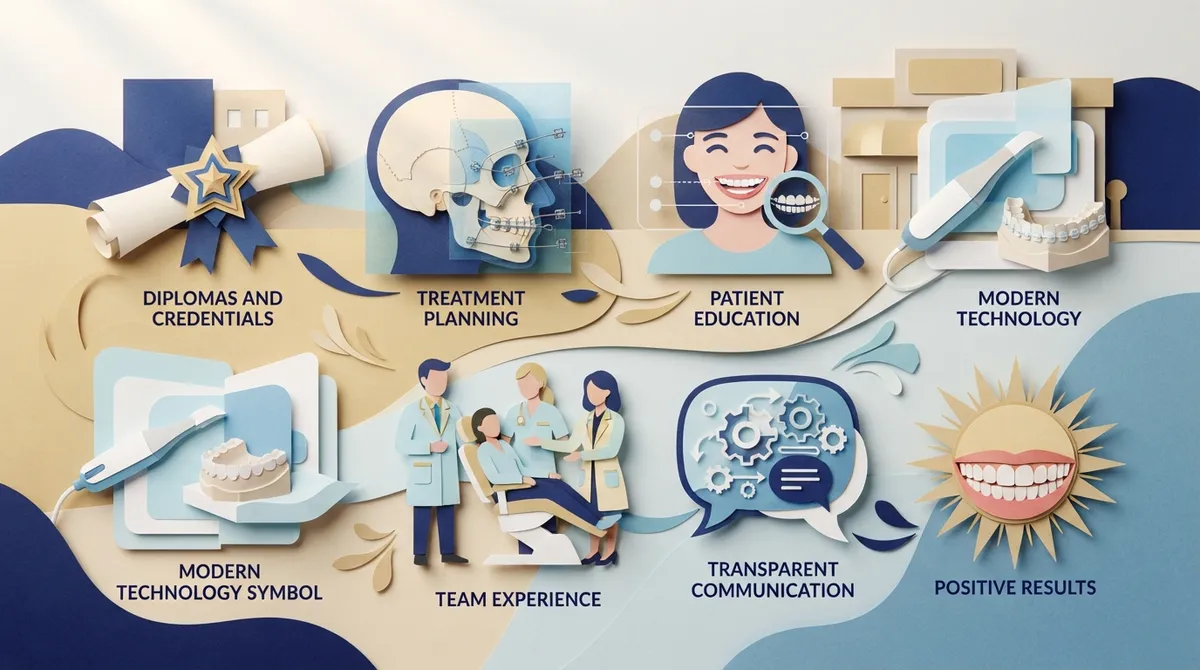
7 Signs You’ve Found an Experienced Orthodontist
Use this checklist when you’re comparing offices. You don’t need every box checked on day one, but the more you see, the better.
- Verified specialist education. They completed an accredited orthodontic residency after dental school.
- Experience with cases like yours. They can speak clearly about treating similar bite problems, ages, or concerns.
- A personalized diagnosis. They don’t hand you a one-size-fits-all plan.
- Clear talk about options and trade-offs. You hear about benefits, risks, and expected timelines.
- Modern tools. Digital scans and 3D imaging help with precise planning and comfort.
- Follow-up care built into the plan. That includes retainers and check-ins after treatment.
- A welcoming, patient-first team. You feel heard, never rushed.
For an even deeper look, you may enjoy 9 Signs You’ve Found a Top Rated Orthodontist in 2026.
How to Verify an Orthodontist’s Credentials
Checking credentials is easier than you might think. Here’s a simple way to do it.
- Look at the practice website. Most offices list the doctor’s education and training. Look for a dental degree plus an orthodontic residency.
- Check professional memberships. Organizations like the Florida Association of Orthodontists and the American Association of Orthodontists can help you confirm specialty status.
- Ask directly. It’s perfectly fine to ask, “Are you an orthodontic specialist, and where did you complete your residency?” A great doctor will be happy to answer.
- Review licensing. Your state dental board can confirm that a clinician is licensed.
- Ask about board certification. This is an extra step some orthodontists take. Our guide on choosing a board certified orthodontist explains what it means.
The American Dental Association is another helpful resource for understanding dental specialties in general.
Questions to Ask at Your Consultation
A consultation is your chance to get to know the doctor and the office. Think of it as a two-way conversation. You’re deciding if this is the right place for you, too!
Here are some great questions to bring along:
- Are you a specialist in orthodontics? Where did you train?
- How many patients with my type of bite or alignment concern have you treated?
- What treatment options fit my goals, and why?
- How long will treatment likely take?
- What are the risks or trade-offs of each option?
- What will I pay, and what payment options are available?
- What happens after my braces or aligners come off?
Not sure what to expect? Our article on your orthodontic consultation walks through the visit step by step. You can also read about your first visit with us.
What a Great Diagnosis Looks Like
Good orthodontic care starts with a personal diagnosis. Your teeth, bite, and jaw relationships are unique. A thoughtful evaluation may include:
- A full examination of your teeth and bite
- Photographs of your face and smile
- X-rays and other records
- Digital scans or 3D imaging
After that, an experienced orthodontist should explain what they found in plain language. They should walk you through your options, how long treatment may take, and any trade-offs. If you ever feel confused or pressured, that’s a sign to keep asking questions. For more on this, see what to expect during your orthodontic exam.
Braces vs. Clear Aligners: Matching the Method to You
An experienced orthodontist won’t push one treatment on everyone. The right choice depends on your diagnosis and goals. Clear aligners are great for many people, but they aren’t suitable for every case. Braces may be the better tool for certain bite issues.
| Treatment | Best For | Things to Keep in Mind |
|---|---|---|
| Metal braces | Wide range of cases, including complex bites; teens and adults | Visible, but very effective and reliable |
| Ceramic (clear) braces | Patients wanting a more discreet look with fixed braces | Need careful cleaning; fixed in place |
| Clear aligners | Mild to moderate cases; patients wanting a nearly invisible option | Must be worn consistently; not right for every bite |
At Brockway Orthodontics, we offer all three. We offer Spark™ Clear Aligners, a more affordable alternative to Invisalign, along with metal and ceramic braces. Curious which fits you? Our guide to clear aligners vs. braces can help you think it through.
A Word of Caution on Mail-Order Aligners
Clear aligners are prescription medical devices. The FDA notes that unsupervised, direct-to-consumer aligners may raise risks like unintended tooth movement, bite problems, pain, and even tooth loss. Having a licensed orthodontist guide your care helps keep your smile and your health safe. For a deeper look, read about at-home aligners vs. professional orthodontics.
Experience Matters at Every Age
Orthodontic care isn’t just for teens. Here’s how experience helps different patients.
For Children and Parents
The AAO recommends a first orthodontic check-up by age 7. That doesn’t mean your child will start braces then! It’s simply an evaluation. Many kids are just monitored until the timing is right. An experienced orthodontist can spot growth patterns early and tell you whether to act now or wait. Learn more about early treatment or read what every parent should know.
For Teens and Young Adults
Teens often want a great smile in time for big moments like graduation, prom, or a first job. A skilled orthodontist can build a plan that fits your schedule and style, with options that feel modern and comfortable. See our page on adolescent treatment for more.
For Adults and Busy Professionals
You’re never too old for a better smile. The AAO reports that about one in four orthodontic patients is an adult. Many adults want something discreet and efficient that fits a busy career. Explore our adult treatment options, or read 8 truths about whether you’re too old for braces.
For Patients Who Need Retreatment
Teeth can shift after treatment, especially if retainers weren’t worn as directed. If that’s your story, you’re not alone, and it’s not a failure. An experienced orthodontist can look at why relapse happened and build a plan to fix it for the long term. Good retainer care is a big part of keeping results.
Why Technology and Personal Care Go Hand in Hand
Experience also shows up in how an office uses modern tools. Digital impressions replace messy molds. 3D imaging helps plan treatment with more precision. In certain cases, same-day treatment can save busy families extra trips.
But tools are only part of it. The best offices pair technology with a warm, human touch. You should feel listened to, informed, and comfortable at every visit. Take a peek at 9 things to expect from a great orthodontic office to see what that looks like.
Red Flags to Watch For
Most offices are wonderful, but it helps to know what might signal a poor fit:
- No clear answer about specialist training
- A treatment plan offered without an exam or records
- Pressure to sign up on the spot
- Vague talk about cost, timelines, or risks
- No plan for retainers or follow-up
If you notice any of these, take a breath and keep shopping around. Our list of 7 mistakes to avoid when choosing an orthodontist can help you stay on track.
Meet an Experienced Orthodontist in Clearwater
At Brockway Orthodontics, we believe great care starts with great listening. Dr. Brockway brings extensive training and experience to every smile she treats. She takes time to hear your concerns and goals, and she explains your options in an easy, friendly way, so you always know what to expect.
We care for the whole family, from kids and teens to adults, with braces, ceramic braces, and Spark™ Clear Aligners. We also care deeply about our Clearwater community, and we love building lasting relationships with the families we serve. Want to hear from real patients? Read what neighbors say on our Brockway Orthodontics Google page, or browse our patient reviews.
Cost matters too. We offer flexible options to help make care manageable. Learn more about financing and insurance.
Your Next Step Toward a Confident Smile
Finding an experienced orthodontist comes down to a few simple things: verified specialist training, real case experience, a personalized plan, and a team that treats you like family. Trust your gut, ask lots of questions, and choose the office where you feel comfortable and informed.
Ready to take the first step? We’d love to meet you. Book your appointment online or contact us with any questions. Your best smile is closer than you think!
FAQs
Q: What qualifications should an experienced orthodontist have?
A: Look for a licensed dentist who has also completed an accredited orthodontic residency after dental school, which typically lasts two to three years. Beyond training, a great orthodontist can talk about their experience with cases like yours and explain your plan in a clear, friendly way.
Q: When should my child first see an orthodontist?
A: The American Association of Orthodontists recommends a first check-up by age 7. Don’t worry, this doesn’t mean your child will start braces right away! It’s simply an evaluation, and many kids are just monitored until the timing is right.
Q: Can adults get orthodontic treatment?
A: Absolutely! About one in four orthodontic patients is an adult, and it’s never too late to improve your smile and bite. Adults can choose from options like braces, ceramic braces, and clear aligners, depending on their goals and diagnosis.
Q: Are mail-order or direct-to-consumer clear aligners safe?
A: The FDA warns that unsupervised aligners may raise risks like unintended tooth movement, bite problems, pain, and tooth loss. Clear aligners are prescription devices, so having a licensed orthodontist guide your care is the safest path to a healthy, lasting smile.
Q: How do I choose between braces and clear aligners?
A: The best choice depends on your diagnosis, lifestyle, and goals, and aligners aren’t right for every case. An experienced orthodontist will examine your teeth and bite, walk you through the pros and cons of each option, and help you pick what works best for you.
Our Service Area