Key Takeaways
-
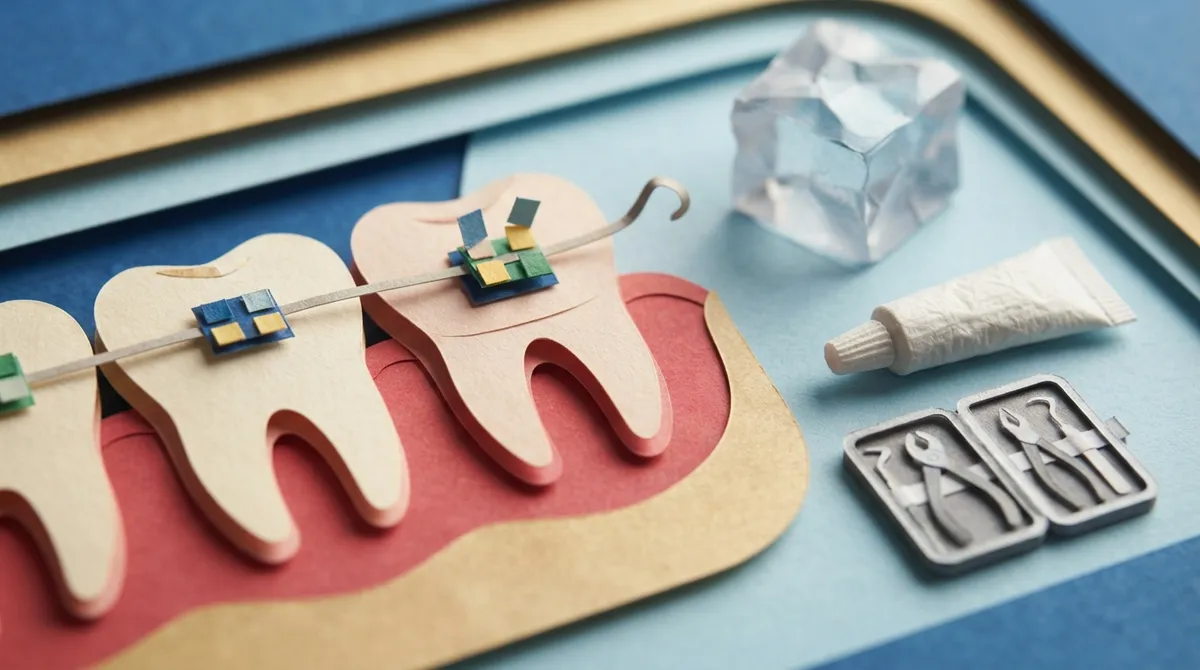
Ice is much harder than your braces can handle: biting down concentrates sudden force on one bracket or wire, which can pop a bracket loose or bend an archwire.
-
If a bracket breaks or a wire bends, call your orthodontist promptly rather than trying to fix it yourself, since DIY repairs can make things worse.
-
If a bracket is still attached to the wire, it may be gently slid toward the center of the tooth, and orthodontic wax can cover any irritating spot until your visit.
-
Broken brackets and loose wires can prolong treatment because the affected tooth may not get its planned pressure and repairs may require extra appointments.
-
Letting ice melt in your mouth is gentler than biting it, but the safest habit is to skip ice altogether and follow your own orthodontist's instructions.
-
Easy swaps like sipping cold water through a straw, choosing smoothies, or using a chilled water bottle satisfy the craving without risking your braces.
It is a hot Florida afternoon, you have a big cup of ice water in your hand, and those little cubes are just sitting there. The crunch is tempting. Maybe you have chewed ice for years, and it feels like second nature. But if you wear braces, that crunchy habit can cause real trouble.
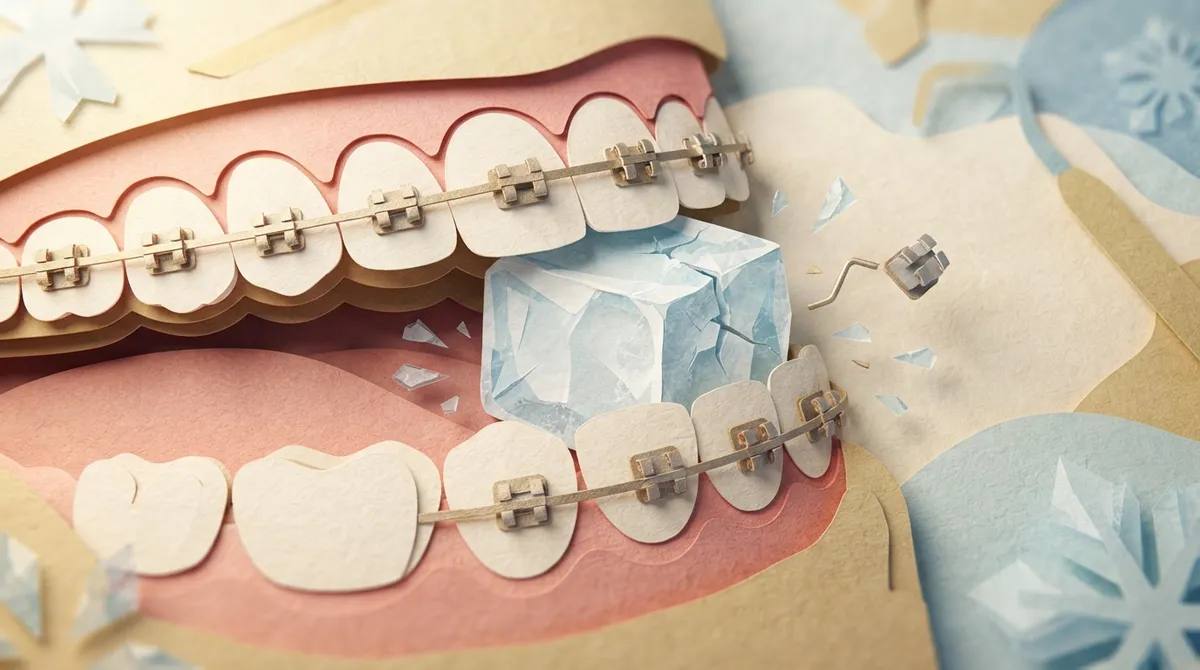
So, why chewing ice can damage braces comes down to one simple thing: ice is hard, and braces are delicate. When you bite down on a cube, all that force lands on a tiny spot. That sudden pressure can pop a bracket loose or bend a wire.
The good news? A little knowledge goes a long way. In this friendly guide, we will explain what happens when you crunch ice, how to spot damage, and what to do if something breaks. We will also share easy swaps that satisfy the craving. Whether you are a parent helping a child, a teen, or an adult with a busy schedule, you will find simple tips you can use today.
Why Chewing Ice Can Damage Braces
Braces are built to handle everyday chewing. They are not built to handle a frozen block that does not give way. Ice is hard and unyielding, so biting or crunching it puts a sudden, concentrated force on one bracket or one stretch of wire.
Think of it like tapping a nail with a hammer versus pressing it with your thumb. The same bite feels very different when it hits something rigid. A soft food spreads out and gives way. Ice does not.
That sharp force can do a few things:
- Loosen a bracket so it no longer sits firmly on the tooth
- Bend an archwire so it no longer guides the tooth the way it should
- Damage another part of the appliance, like a band or a tie
The American Association of Orthodontists (AAO) advises patients with braces not to crunch ice. It is on the short list of foods and habits to skip while you are in treatment.
Braces Are Strong, but Not Unbreakable
Here is something worth knowing. Braces are made to stand up to normal life, like eating pasta, sandwiches, and fruit. But hard foods and objects can go beyond the forces the appliance was designed to handle.
Ice is a perfect example. It is solid, cold, and it does not break down easily when you bite it. So the braces take the hit instead of the ice.
What Happens Inside Your Mouth When You Crunch Ice
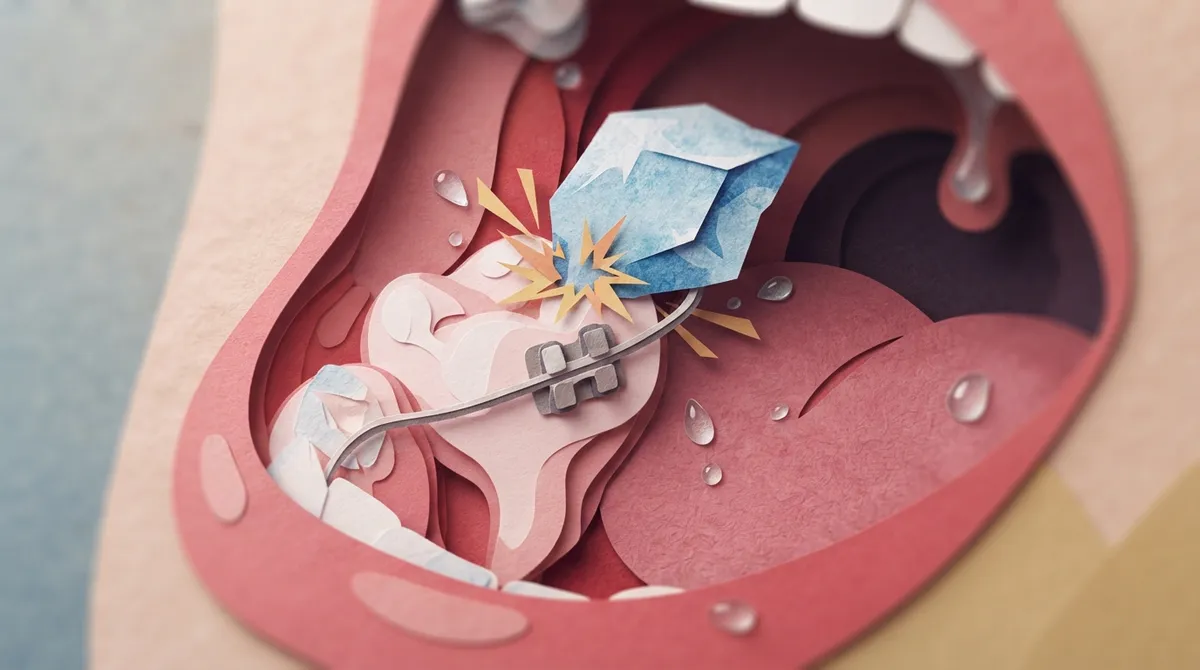
Let us walk through it. You bite down on a cube. The ice does not squish, so the pressure travels straight into the tooth and the bracket glued to it. The bracket holds the wire, and the wire is what gently moves your teeth.
If the bond between the bracket and your tooth is not strong enough to take that jolt, the bracket can pop off. If the wire takes the hit, it can bend out of shape. Either way, the system that moves your teeth is no longer working as planned.
Ice Can Stress Your Teeth Too
Braces are not the only thing at risk. Chewing ice puts stress on your natural teeth, with or without braces. Hard, cold crunching is simply tough on tooth surfaces.
We will not throw around scary numbers here, because there is no reliable study to back a specific rate of tooth damage from ice chewing. But common sense says it plainly: your teeth already have a big job with braces on. Giving them extra hard crunches is not helping.
How a Broken Bracket or Bent Wire Can Affect Your Treatment
A loose or broken bracket may no longer hold the archwire the way it should. When that happens, the affected tooth may not get the gentle pressure your orthodontist planned for it.
That is where it can start to slow things down. Fixing the problem may need an extra appointment. If breakages keep happening, treatment can take longer. The AAO notes that broken brackets and loose wires can interfere with treatment and may prolong it, though it does not put an exact number on how much extra time to expect.
Here is a simple look at how the problem unfolds:
| What Happens | What It Means for You |
|---|---|
| Bracket comes loose | The tooth may stop getting its planned pressure |
| Wire bends | Teeth may not move the way they should |
| Repair is needed | You may need an extra visit |
| Breakages repeat | Your overall treatment may take longer |
For parents, this means a few more trips and a bit more time off school or work. For adults juggling busy careers, it can be a real hassle. And for teens counting down to a big event, like graduation or a school dance, it can push the finish line back. Nobody wants that.
If you want to see how treatment time can add up, our guide on mistakes that extend how long you need braces is a helpful read.
Common Ice Habits That Sneak Up on You
Most people do not sit down with a bowl of ice cubes on purpose. The habit sneaks in. Here are a few common moments where ice chewing happens without much thought:
- Finishing a cold drink and crunching the leftover cubes at the bottom
- Chewing ice at a restaurant while waiting for your meal
- Snacking on ice during a workout or a long study session
- Grabbing a cup of ice from the freezer out of boredom or stress
- Biting into small pieces left floating in a slushy drink
Even small pieces count. Tiny shards can still put sudden pressure on a bracket. The simplest rule is this: skip the crunch, no matter the size.
How to Tell If Your Braces Are Damaged
Sometimes damage is obvious. Other times it is subtle. Here are some signs to watch for after a hard bite:
- A bracket looks crooked or has moved. It may seem to be sitting differently on your tooth.
- A piece feels loose. You may feel something wiggle when you touch it with your tongue.
- A wire pokes or sticks out. A bent wire can irritate your cheek or gums.
- You hear or feel a snap. Many people notice a sudden pop right after biting something hard.
- Your bite feels different. Things may not line up the way they did yesterday.
If you notice any of these, do not panic. It happens to many people with braces, and it is usually fixable. We have more on this in our post about why braces brackets break and what to do next.
What to Do If You Broke a Bracket Chewing Ice
Okay, so the crunch happened and something feels off. Take a deep breath. Here is a calm, step-by-step plan.
- Call your orthodontist promptly. Let the office know what happened so they can advise you. Do not wait and hope it fixes itself.
- Check if the bracket is still on the wire. If it is, AAO guidance says it may be gently slid toward the center of the tooth.
- Cover any sharp or irritating spot with orthodontic wax. Wax can make your mouth more comfortable, but it does not repair the braces.
- Do not pull the bracket off. Leave it in place unless your orthodontist tells you otherwise.
- Do not try to fix it yourself. DIY repairs can make things worse.
- Stick to softer foods. Until your orthodontist advises otherwise, avoid hard, sticky, or chewy foods.
If you are ever unsure whether something counts as urgent, our article on when you need an emergency orthodontist appointment can help you decide. You can also read about broken brackets versus poking wires to see which situations need faster attention.
A Quick Word About Wax
Orthodontic wax is a great little helper. It works like a soft cushion between a sharp spot and your cheek. Just remember, it is a comfort tool, not a fix. Always follow up with your orthodontist so the real problem gets handled.
Is It Safe to Suck on Ice Instead of Chewing It?
This is a popular question, and it makes sense. If crunching is the problem, what about letting a cube melt in your mouth?
Letting ice melt is gentler than biting down, since you are not putting force on your brackets. Still, follow the instructions your own orthodontist gives you, since every treatment plan is a little different. The safest habit is to skip the crunch entirely. For a cold drink, let the ice melt rather than biting it.
Easy Swaps for the Ice Craving
Need that cool, refreshing feeling? You have options that will not put your braces at risk. Here are some friendly alternatives:
- Sip cold water through a straw to get the chill without the crunch
- Try a smoothie for a cool, creamy treat
- Enjoy frozen yogurt or soft ice cream in place of hard frozen foods
- Let a small ice cube melt slowly in your drink, then sip the cold water
- Chill your water bottle so your drink stays cold without cubes
If you are looking for more snack ideas, check out our list of braces-friendly snacks that work for busy days.
Other Foods and Habits to Avoid With Braces
Ice is just one item on the list. To keep your braces safe, it helps to steer clear of other hard, sticky, or chewy things too. Here is a quick guide:
| Type | Examples | Why It Is a Problem |
|---|---|---|
| Hard foods | Ice, hard candy, nuts | Can loosen brackets or bend wires |
| Sticky foods | Caramel, taffy | Can pull on brackets and wires |
| Chewy foods | Tough bagels, gummy treats | Can tug at the appliance |
| Habits | Chewing pens or fingernails | Adds sudden pressure to braces |
Our guides on what foods to avoid with braces and what you can eat with braces go into much more detail, so you can build a menu that works.
Tips for Parents, Teens, and Adults
Each person wearing braces has a slightly different challenge. Here are a few quick tips for each group.
For Parents of Kids and Teens
Kids and teens often chew ice without even noticing. A gentle reminder at home goes a long way. Try filling their cups with less ice, or offering a straw. If your child is active in sports or after-school activities, pack soft, braces-friendly snacks so they are not tempted by whatever is nearby.
For Teens and Young Adults
You have got big moments coming up, like prom, graduation, or a new job. Avoiding ice is a small thing that can help keep your treatment on track. Fewer broken brackets means fewer extra visits and a smoother path to your finished smile.
For Adult Professionals
Between meetings and deadlines, extra appointments are the last thing you need. Skipping the ice at the office or at lunch is an easy way to protect your time. If you love iced coffee, ask for less ice or sip it through a straw.
Keep Your Braces Healthy Every Day
Avoiding ice is one smart step. A good daily routine is another. Brushing well, flossing, and keeping up with your checkups all help your treatment move along smoothly. If you want to sharpen your routine, our guide on how to brush teeth with braces is a great place to start.
Regular visits matter too. They let your orthodontist spot small problems early, before they become big ones. You can learn more in why orthodontic checkups matter so much.
Why Local Care Makes a Difference
When something goes wrong with your braces, you want help that is close by and friendly. At Brockway Orthodontics, Dr. Brockway takes the time to listen, explain, and make sure you feel comfortable at every step. Our team uses modern technology, like digital impressions and 3D imaging, to plan your care with precision. And for families across Clearwater, that kind of personal attention makes a big difference.
Want to hear what other patients think? You can visit us on Google and read what Brockway Orthodontics patients are saying. For general oral health guidance, the American Dental Association is another trusted resource. And if you want to learn more about orthodontic care across the state, the Florida Association of Orthodontists is a helpful place to look.
Staying active and handy around the house is part of life with braces, too. If you are tackling a big cleanup or yard project, local pros like Wayne & Sons Landscaping & Junk Removal can take some of the heavy lifting off your plate, so you can focus on keeping your smile safe.
Final Thoughts: Skip the Crunch, Save Your Smile
So, to sum it up, why chewing ice can damage braces is simple. Ice is hard, braces are delicate, and one bad bite can loosen a bracket or bend a wire. That can lead to extra appointments and a longer road to your finished smile.
The fix is easy. Let ice melt instead of crunching it. Choose softer, braces-friendly foods. And if something does break, call your orthodontist right away rather than trying to fix it on your own.
You are working hard for a smile you will love, and a few small habits can protect all that effort. If you have questions, or if a bracket or wire is bothering you, we are here to help. Book your appointment online or contact us and our friendly team at Brockway Orthodontics will take great care of you.
FAQs
Q: Can chewing ice break a bracket or bend a wire?
A: Yes, it can! Ice is so hard that biting it puts a sudden, strong force on one small spot. That pressure may loosen a bracket or bend a wire, so it is best to skip the crunch while you wear braces.
Q: What should I do if I broke a bracket chewing ice?
A: Call your orthodontist promptly and let them know what happened. If the bracket is still on the wire, it may be gently slid toward the center of the tooth, and orthodontic wax can cover any irritating spot. Please do not pull it off or try to repair it yourself.
Q: Can a loose bracket delay orthodontic treatment?
A: It can. A loose bracket may stop a tooth from getting its planned pressure, and repairs can mean extra visits. Repeated breakages can also lengthen treatment, so protecting your braces helps keep you on schedule.
Q: Is it safe to suck on ice instead of chewing it with braces?
A: Letting ice melt is gentler than crunching it, since you are not biting down on your brackets. Still, the simplest and safest habit is to skip chewing ice altogether, and to follow your own orthodontist’s instructions for your treatment.
Q: What other foods and habits should I avoid with braces?
A: Try to steer clear of hard, sticky, and chewy foods like hard candy, caramel, and tough bagels. Habits like chewing pens or fingernails can also put extra stress on your braces, so softer choices are the way to go.
Our Service Area