Key Takeaways
-
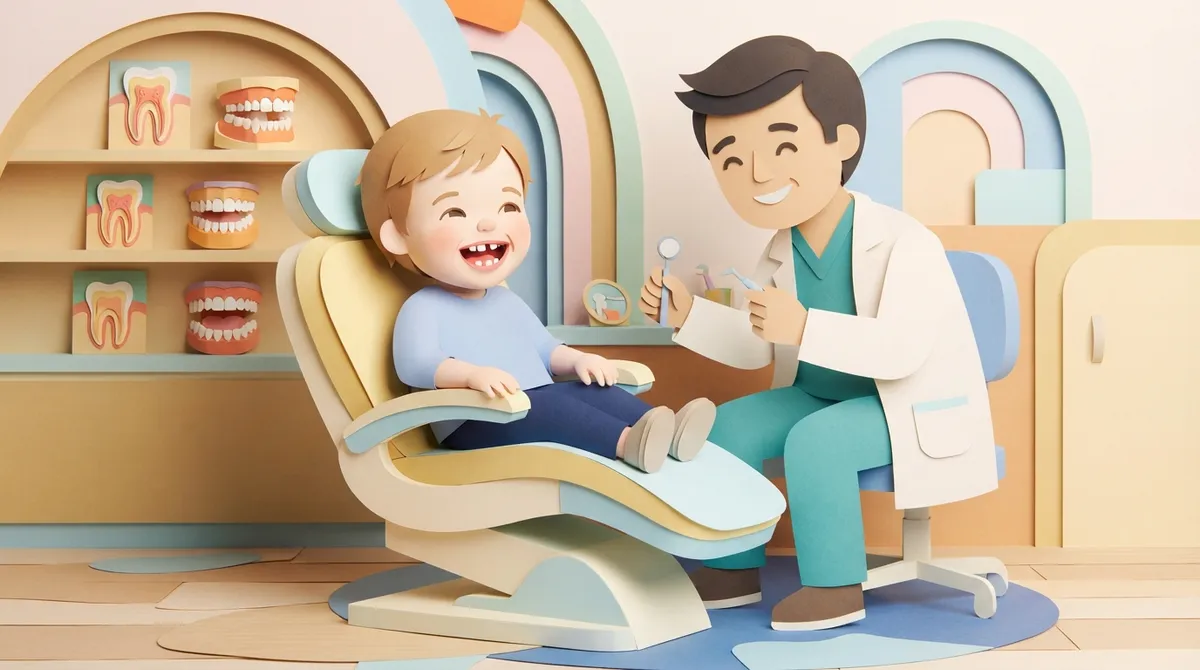
The American Association of Orthodontists recommends a first check-up by age 7 because children have a mix of baby and permanent teeth, giving orthodontists a clear view of tooth development and jaw growth.
-
A first orthodontist visit is primarily an assessment appointment consisting of paperwork, examination, and discussion—braces or aligners are typically not started on the same day.
-
Common reasons to schedule an appointment include crowded or crooked teeth, large gaps, jaw clicking, mouth breathing, or poor bite alignment; early intervention can prevent more complex problems later.
-
The orthodontist evaluates tooth alignment, bite type (overbite, underbite, crossbite), jaw growth, permanent tooth eruption, oral habits, and gum health to determine if treatment is needed.
-
Prepare for your visit by bringing medical and dental history, medication list, insurance information, dentist contact details, and a written list of questions and concerns.
-
After the initial visit, outcomes typically fall into three categories: no treatment needed, monitor and watch approach with periodic check-ups, or early treatment if timing is critical for jaw development.
Walking into your 1st orthodontist appointment can feel a little like the first day of school. You may wonder what will happen, what questions to ask, and whether you will walk out with a mouth full of braces. Take a deep breath. It is much friendlier than you might think!
A first visit is mostly a conversation and a close look at your smile. The orthodontist checks how your teeth, bite, and jaws are growing or lining up. Then you talk about whether treatment is needed now, later, or not at all. That last one is a real possibility, and it is good news when it happens.
Whether you are a parent booking for a child, a teen dreaming of a new smile, or an adult who has put this off for years, this guide walks you through the whole visit. You will learn when to book, what to bring, what the doctor will check, and what happens next.

When Should You Book a First Orthodontist Appointment?
The American Association of Orthodontists (AAO) recommends that children have a first orthodontic check-up by age 7, or sooner if a parent or dentist spots a concern. This is a screening visit. It is not a promise that your child needs braces at age 7.
Why age 7? At this age, kids usually have a mix of baby and permanent teeth. That gives the orthodontist a great view of how teeth are coming in, how the jaws are growing, and how the bite is shaping up. You can read more in our guide on when your child should first see an orthodontist.
Missed the age-7 window? No worries at all. Teens and adults can have a first appointment at any time. The AAO simply advises getting checked whenever a concern comes up. Our post on whether you are too old for braces shows why it is never too late.
Signs It May Be Time to Call
- Teeth look crowded, crooked, or overlapping
- Gaps between teeth seem larger than normal
- Baby teeth come out very early or very late
- Your child breathes through the mouth or sucks a thumb past the usual age
- The upper and lower teeth do not meet well when biting
- Your jaw clicks, shifts, or feels uncomfortable
- Chewing or speaking feels awkward
For a deeper look, see these signs your child needs braces.
What Happens at a First Orthodontist Appointment?
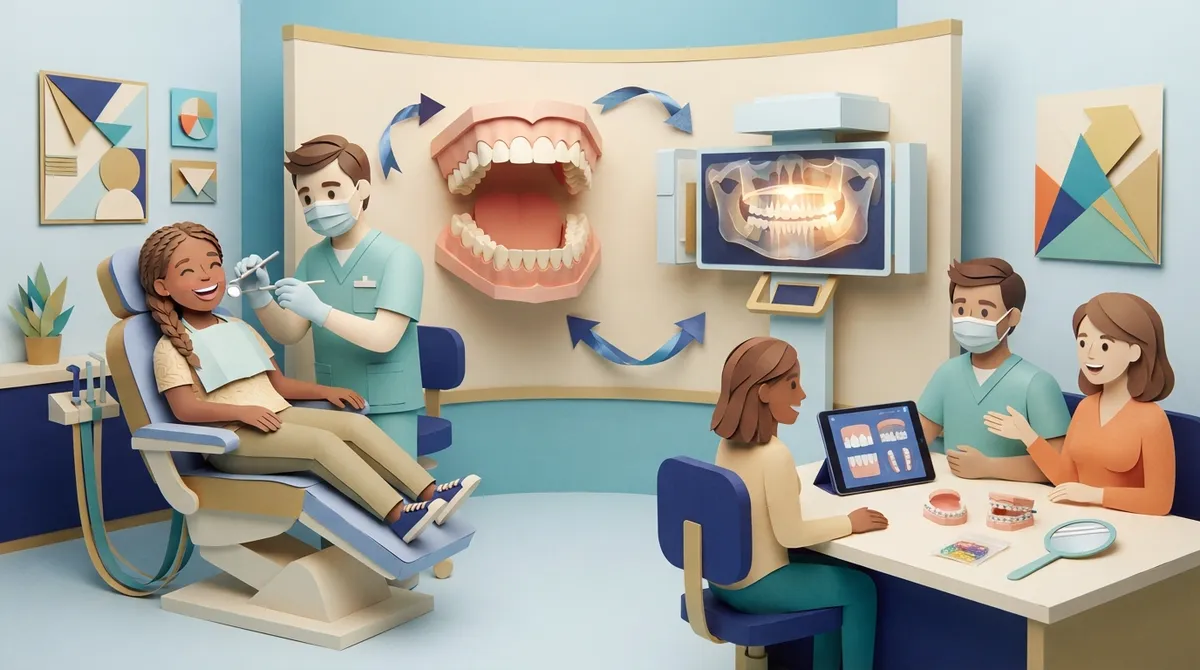
Most first visits follow a simple flow. Here is what usually happens, step by step.
- Warm welcome and paperwork. You share medical and dental history, any medications, and your main concerns.
- A friendly chat. The team asks what you hope to change about your smile or what worries you about your child’s teeth.
- A careful exam. The orthodontist looks at your teeth, bite, gums, and jaw movement.
- Records, if needed. Depending on your case, the office may take photos, digital scans, or X-rays. These are not required at every first visit.
- Findings and options. The doctor explains what they see and what choices you have.
- Next steps. You talk about timing, estimated cost, and how to move forward.
The visit is mainly about assessing and planning. If treatment is recommended, braces or aligners are not necessarily started that day. You can see the general flow on our Your First Visit page, or read what to expect during your orthodontic exam.
What the Orthodontist Looks For
Your orthodontist is a specialist in how teeth and jaws fit together. During the exam, they look at a few key things.
| What They Check | Why It Matters |
|---|---|
| Tooth alignment | Finds crowding, twisting, or gaps |
| Bite (how teeth meet) | Spots overbite, underbite, crossbite, or open bite |
| Jaw growth and position | Shows if the jaws are developing in balance |
| Tooth eruption | Checks that permanent teeth are coming in on track |
| Oral habits | Notes thumb sucking, mouth breathing, or clenching |
| Gum and tooth health | Makes sure the mouth is ready for treatment |
If a bite issue comes up, you may want to learn about common fixes such as how braces fix a deep overbite or options for correcting an underbite.
Possible Outcomes After Your Visit
Many families are surprised to learn that a first appointment does not always lead to braces. Here are the three most common outcomes.
1. No Treatment Is Needed
Sometimes everything looks great. The orthodontist may simply say your child’s smile is developing well. That is a win!
2. Monitor and Watch
Often the teeth and jaws just need time. The orthodontist may ask you to return every so often to track growth. Treatment starts only when the timing is right.
3. Early Treatment Is Helpful
If a developing problem could get harder to fix later, the doctor may suggest starting sooner. Our page on early treatment explains how this works, and this article on why timing matters goes deeper.
The AAO notes that the right timing depends on each person’s diagnosis. There is no one-size-fits-all age to begin.
How to Prepare for Your Visit
A little prep makes the appointment smoother and helps you get more from it. Here is a handy checklist.
- Medical and dental history. Include past surgeries, allergies, and health conditions.
- Medication list. Even vitamins and supplements count.
- Insurance information. Bring your dental insurance card or details.
- Contact details for your dentist and doctor. This helps the team coordinate care.
- Recent dental X-rays. Ask the office whether they want records sent in advance.
- Your questions and concerns. Jot them down so nothing slips your mind.
For more ideas, check out how to prepare for your first orthodontist consultation.
Questions Worth Asking
- What do you see in my (or my child’s) bite and alignment?
- Is treatment needed now, or can we wait and watch?
- What are my options, such as braces or clear aligners?
- About how long will treatment take?
- What is the estimated cost, and what payment options are there?
- What will daily life look like during treatment?
Tips for Each Kind of Patient
Parents of Younger Children
Keep the tone light and positive. Tell your child it is just a “tooth check-up” with a specialist. Most kids feel relaxed when the visit is calm and curious rather than scary. Our guide to orthodontics for kids is a handy read.
Teens
Come with your own questions. Want a more discreet look for graduation or prom season? Ask about all your choices. Take a peek at adolescent treatment to see what is available.
Adults and Professionals
Busy schedule? Ask about appointment length, how often visits happen, and discreet options. Many adults choose clear aligners or ceramic braces to fit work and social life. Learn more about adult treatment.
Patients Facing Relapse
If you wore braces before and your teeth have shifted, you are far from alone. Bring your old retainers and any records you have. A fresh evaluation can show whether a quick fix or a new plan makes the most sense. Our retainers page explains how to protect results long term.
Treatment Options You Might Hear About
If your orthodontist recommends treatment, they will walk you through the choices. Here is a quick overview of common options.
| Option | Best For | Key Feature |
|---|---|---|
| Metal braces | Kids, teens, and adults with complex needs | Time-tested and highly effective |
| Ceramic (clear) braces | Teens and adults wanting a subtle look | Tooth-colored brackets blend in |
| Clear aligners | Teens and adults with suitable cases | Removable and nearly invisible |
| Early (phase one) treatment | Children with developing bite issues | Guides growth while jaws are still developing |
At Brockway Orthodontics, we offer Spark™ Clear Aligners, metal braces, and ceramic braces so you can find the right fit. Want to compare? Read clear aligners vs. braces.
Cost, Insurance, and Payment Questions
It is smart to talk about money at the first visit. A good orthodontic office should explain the problem, your options, the expected timeline, and the estimated cost. Do not be shy about asking.
Ask what your insurance may cover and what payment plans are available. Many families find monthly plans make care very manageable. You can explore our financing and insurance page, or read how to use dental insurance to help pay for braces.
Why Choose Brockway Orthodontics for Your First Visit
A first appointment should feel welcoming, clear, and pressure-free. At Brockway Orthodontics in Clearwater, Dr. Brockway takes time to listen to your goals and explain everything in plain, friendly language. We treat the whole family, from kids to adults, and we use modern tools like digital impressions and 3D imaging so you can skip messy molds.
In certain cases, we can even offer same-day treatment, which is a big help for busy families. Curious how our team works? Take a look at our office and read your orthodontic consultation: what to expect and why it matters. You can also see what neighbors say by reading our Brockway Orthodontics reviews on Google.
For extra background on orthodontic care and oral health, you can browse the American Dental Association and the Florida Association of Orthodontists. For the national guideline on early check-ups, visit the American Association of Orthodontists.
Common Worries, Answered
“Will it hurt?”
A first visit is a look-and-talk appointment. There is typically no pain. If photos or scans are taken, they are quick and gentle.
“Will I have to decide right away?”
Nope. You can take your time, ask follow-up questions, and think it over. A good practice never rushes you.
“Do I need a referral?”
Many families do not. Our post on why you do not need a referral explains more.
“Is an orthodontist the same as a dentist?”
Both care for your smile, but orthodontists focus on moving teeth and guiding jaw growth. See orthodontist vs. dentist for a clear breakdown.
Ready to Book Your First Visit?
Your first orthodontist appointment is the easiest step on the path to a healthy, confident smile. You get answers, a clear picture of your options, and a plan that fits your life. No pressure, no guesswork.
Whether you are checking in on your seven-year-old, helping your teen plan ahead, or finally treating yourself to the smile you have wanted for years, we would love to meet you. Book your appointment online today, or contact our friendly team with any questions. We cannot wait to see you smile!
FAQs
Q: When should my child have their 1st orthodontist appointment?
A: The American Association of Orthodontists recommends a first check-up by age 7, or sooner if you or your dentist notice a concern. It is simply a screening visit, so it does not mean your child needs braces right away.
Q: What happens at a first orthodontist appointment?
A: You will share health history, chat about your concerns, and the orthodontist will examine your teeth, bite, and jaws. Photos, scans, or X-rays may be taken if needed, and then you will talk through options, timing, and estimated cost.
Q: Will I get braces at my first orthodontist visit?
A: Usually not. The first visit is mainly for assessment and planning. If treatment is recommended, the orthodontist will explain your options so you can decide what feels right.
Q: What should I bring to my first orthodontist appointment?
A: Bring your medical and dental history, a medication list, insurance information, and contact details for your dentist and doctor. Ask the office if they want recent dental X-rays sent ahead, and write down any questions you have.
Q: Is it too late to see an orthodontist as a teen or adult?
A: Not at all! Teens and adults can have a first appointment at any age. Missing the age-7 check-up does not close the door, and an evaluation can show which options fit you best.
Our Service Area