Key Takeaways
-
Clear aligners come in a series because teeth move best in small, controlled steps; each tray applies gentle pressure for one stage, and the next tray picks up where the last left off.
-
Each series is a custom roadmap built from your exam, X-rays, and digital scans, so the number of trays varies: mild cases may need fewer, complex bites often need more.
-
Different teeth move on different schedules, so some must move first to open space before others can slide into place, a sequence a single tray cannot deliver.
-
Wearing aligners about 20 to 22 hours a day is essential, since teeth can only keep up with the plan when trays are in place most of the day.
-
Never skip ahead or force a tray that does not seat; instead, contact your orthodontist, who may extend wear time or order a refinement or replacement tray.
-
Tray-change timing is set by your orthodontist, often weekly or every one to two weeks, and the series ends with retainers that hold your teeth in their new positions.
Ever opened your first box of clear aligners and wondered why there are so many trays inside? You are not alone! Lots of patients ask, “Why can’t one aligner just do the whole job?” It is a fair question, and the answer says a lot about how safe, gentle tooth movement really works.
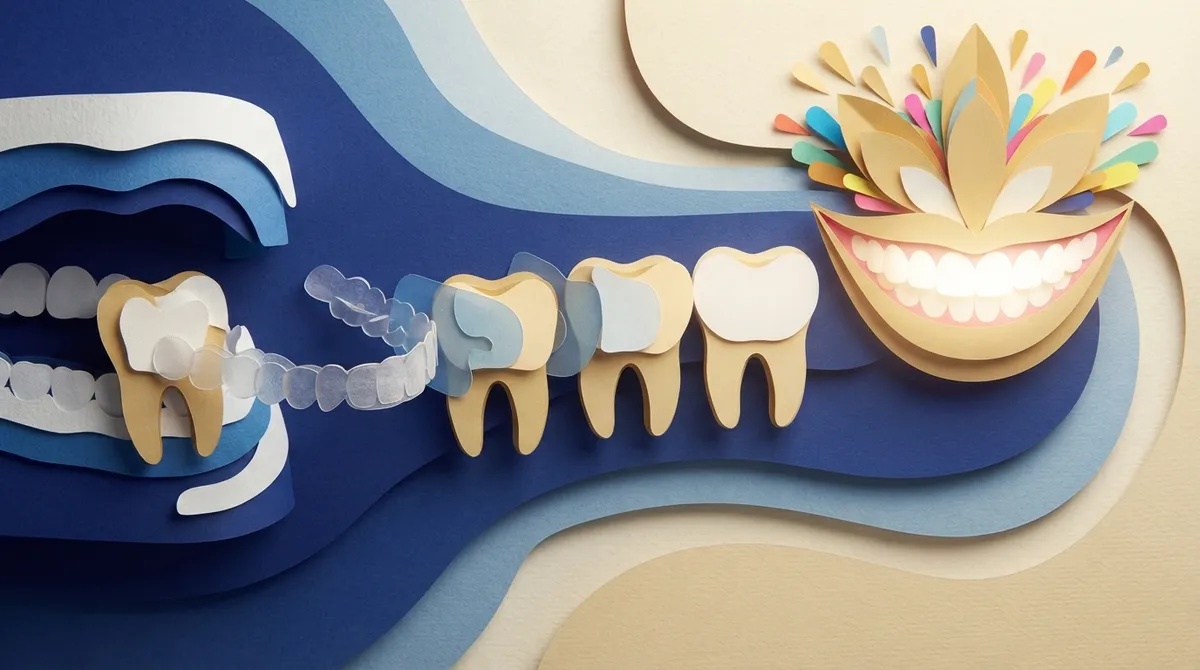
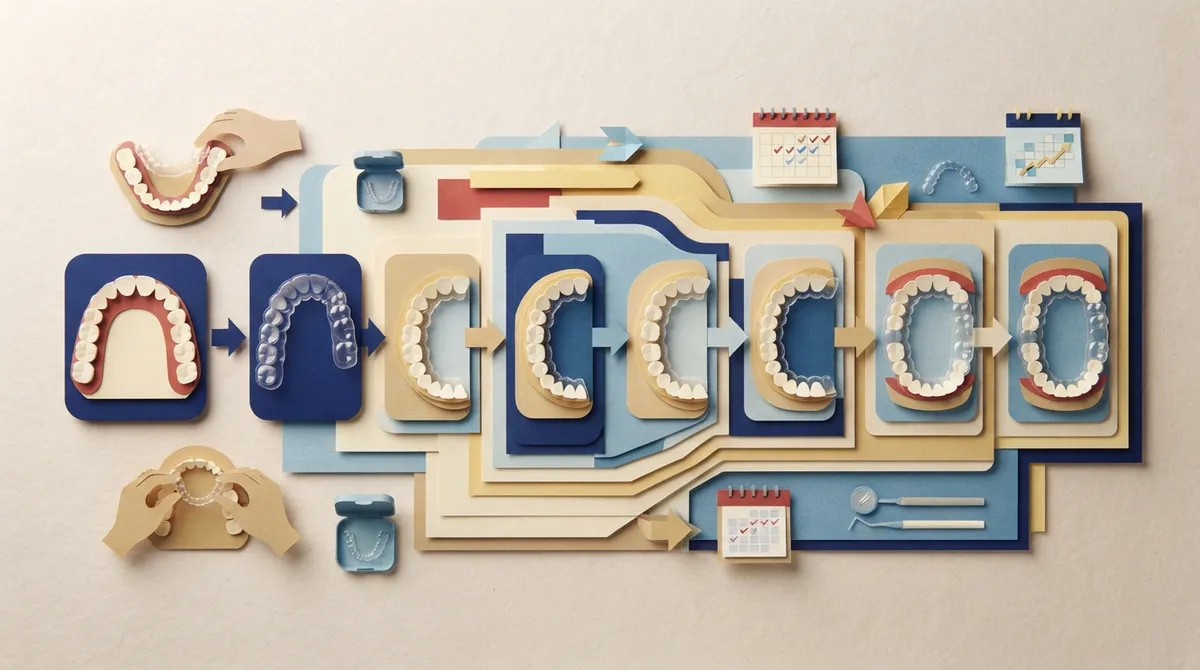
Here is the short version: why clear aligners come in a series comes down to small steps. Your orthodontist plans your treatment as a sequence of tiny, controlled movements. Each custom tray moves your teeth a little, then the next tray picks up where the last one left off. Think of it like climbing a staircase instead of jumping to the top floor.
In this friendly guide, we will walk through ten clear reasons for the series, what to expect along the way, and how to get the most from every tray. Whether you are a parent helping a teen, a busy professional, or an adult returning for a second round of care, this guide is for you. Our team at Brockway Orthodontics loves helping families understand each step, because a confident patient is a successful patient.
The Quick Answer: Small Steps, Big Smile Changes
Clear aligners are custom-made plastic trays. Each one is shaped to apply gentle pressure to specific teeth. The pressure encourages your teeth to shift a small amount. Once your teeth catch up to that shape, you move to the next tray, which is shaped for the next stage.
No single tray is meant to move all your teeth to their final spots at once. That would be too much force, too fast. Instead, your orthodontist breaks the whole journey into stages. That is why the series exists.
10 Reasons Why Clear Aligners Come in a Series
1. Teeth Move Best in Small, Controlled Steps
Your teeth are anchored in bone by roots and supporting tissue. They respond best to light, steady pressure. A series lets each tray ask for just a little movement at a time.
This staged approach keeps each step gradual and manageable. It also helps protect your teeth and gums while the bone remodels around the new tooth positions.
2. Every Smile Needs a Custom Roadmap
Your orthodontist starts with an exam and records. These often include photos, X-rays, and digital scans. From these, the doctor decides which teeth should move, in what direction, and in what order.
The result is a plan built just for you. The number of trays is not a standard count. A mild case may need fewer trays, while a more complex bite may need more. If you want to see how that planning works, our guide on how orthodontists plan tooth movement walks through it step by step.
3. Each Tray Is Shaped for the Next Stage
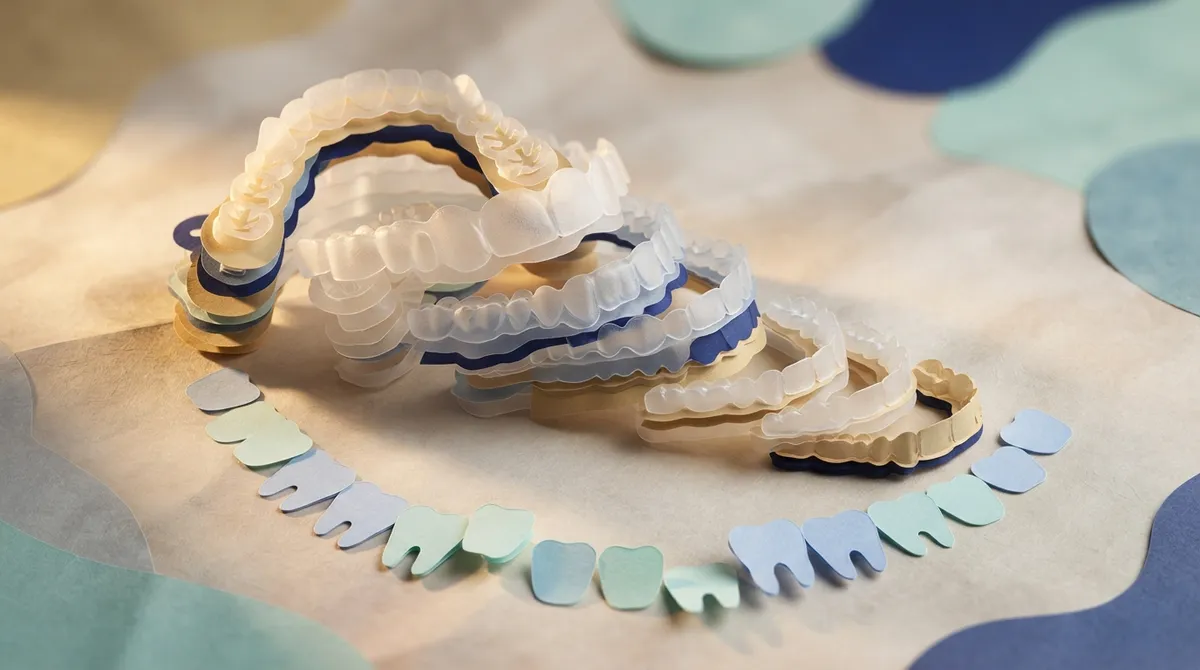
Every aligner in your set is a little different from the one before it. The edges, curves, and pressure points shift slightly from tray to tray. Together, the trays form a movie, and each tray is one frame.
If you are curious about the bigger picture, we explain how removable aligners straighten teeth in plain language.
4. Gradual Movement Is Easier on You
Small shifts usually mean gentler pressure. Many patients feel a bit of tightness when they start a new tray. That is normal and often fades in a few days.
If everything moved at once, discomfort could be much stronger. The series helps keep the process comfortable enough to stick with. That matters for teens and busy adults alike.
5. Different Teeth Move on Different Schedules
Not every tooth moves at the same time. Your orthodontist may plan for some teeth to move first, while others wait for their turn. For example, space may need to open up before a crowded tooth can slide into place.
This kind of sequencing is one big reason a single tray would not work. The series lets the plan unfold in the right order.
6. The Series Lets Your Orthodontist Track Progress
A series creates natural checkpoints. At each visit, your orthodontist can see how well your teeth are following the plan. This is called teeth “tracking.”
Research shows that clear aligner movement is not perfectly predictable. A 2024 review in the Turkish Journal of Orthodontics noted that predictability varies by movement type, with tipping generally easier than root torque. Those figures are not a success rate for every patient, but they explain why professional monitoring matters. Learn more about how orthodontists track progress and what they look for.
7. The Plan Can Be Adjusted Along the Way
Because treatment happens in stages, your orthodontist can tweak the plan if needed. Maybe a tooth lags behind. Maybe a new tray needs a different design.
Some patients need additional or replacement aligners if their teeth do not follow the plan closely enough. This is a normal part of care, not a failure. Our article on refinement aligners vs. the original set explains why extra trays sometimes come into play.
8. A Series Builds a Healthy Wear Routine
Changing trays gives you a simple rhythm to follow. Each new tray is a fresh start and a reminder to stay on track. Many patients like marking the calendar for tray-change day.
The American Association of Orthodontists notes that aligners commonly need to be worn about 20 to 22 hours per day. They are generally removed for meals, for drinks other than water, and for brushing and flossing. The series helps turn that habit into a steady routine.
9. It Protects Your Teeth, Gums, and Bite
Moving teeth too fast can stress the supporting tissues. A staged plan respects how your body heals and adapts. It also lets your orthodontist watch your bite as it changes.
Your bite matters for chewing, speaking, and long-term comfort. A careful series helps protect it. If you are curious about bite changes, see our post on why your bite changes during orthodontic treatment.
10. The Series Leads to a Stable Final Result
The last tray is not the finish line. After your teeth reach their new spots, they need time to settle. A retainer helps hold them in place.
Your series gets the teeth where they need to be. Your retainer keeps them there. Our guide on why you still need retainers after aligners explains this final, important step.
How a Typical Aligner Series Works
Every plan is personal, but most aligner journeys follow a similar path. Here is a simple look at the flow:
- Exam and records: Your orthodontist reviews your teeth and bite, then takes photos, X-rays, and digital scans.
- Treatment planning: The doctor maps out each tooth movement and the order it should happen.
- Custom trays made: Your series of aligners is created from your digital plan.
- Wearing and switching: You wear each tray as directed and change to the next on your orthodontist’s schedule.
- Progress checks: Your orthodontist confirms your teeth are tracking and makes changes if needed.
- Retention: You move into retainers to hold your new smile.
How Often Do You Switch Trays?
This is one of the most common questions. The honest answer is: it depends on you. American Association of Orthodontists patient information describes changing sets about every one to two weeks in one resource, and typically weekly in another. That is why you should follow your own orthodontist’s schedule rather than a generic timeline.
A 2024 systematic review in the European Journal of Orthodontics looked at six studies chosen from 9,076 records. It found no significant difference in tooth movement among 7-, 10-, and 14-day schedules in most comparisons. Some movements did better with a 14-day schedule. The authors also noted limits in the evidence, so your doctor’s plan is the one to trust.
| Factor | What It Means for Your Series |
|---|---|
| Type of movement | Some movements, like simple tipping, are easier than others, like root torque. |
| Case complexity | More complex cases often need more trays. |
| Tracking | If teeth follow the plan, you stay on schedule. If not, the plan may change. |
| Wear time | Wearing trays 20 to 22 hours daily helps teeth keep up. |
| Tray-change interval | Set by your orthodontist, often weekly or every one to two weeks. |
What If Your Teeth Don’t Fit the Next Tray?
Sometimes a new tray feels snug in a way that is more than normal pressure. It might not seat all the way down. Do not force it, and do not skip ahead.
Here is what to do:
- Stay with your current tray a little longer if your orthodontist advises it.
- Check that you are wearing your trays for the recommended hours each day.
- Call your orthodontist so they can see if your teeth are tracking.
- Ask whether a refinement or replacement tray might help.
It also helps to know what to do with your old trays. Our guide on whether to keep previous aligner trays can help you decide.
Are Clear Aligners Right for Every Case?
Clear aligners are a wonderful option for many smiles, but they are not the answer for every orthodontic problem. A 2024 systematic review in Systematic Reviews looked at 24 studies on one popular aligner system. It described the technique as a valid alternative in no-extraction cases, while movement accuracy varied by movement and by study.
The best way to know is a full exam. Your orthodontist can tell you whether aligners, braces, or a mix of both fits your goals. If you are weighing your choices, which is right for you: clear aligners vs. braces is a helpful place to start.
Tips to Help Every Tray Do Its Job
You play a big role in how smoothly your series goes. These habits make a real difference:
- Wear them consistently: Aim for the daily hours your orthodontist recommends.
- Clean your teeth first: Brush and floss before putting trays back in.
- Keep water-only rules: Take trays out for anything but plain water.
- Use your case: Never wrap trays in a napkin. They are easy to lose that way!
- Follow the calendar: Change trays on the day your orthodontist gave you.
- Keep every checkup: Visits let your doctor spot small issues early.
Parents of teens, take note: a simple reminder system works wonders. Our post on helping teens remember aligner wear time has easy ideas to try at home.
Why Local, Personal Care Makes the Difference
A series of trays is only as good as the plan behind it and the person watching your progress. At Brockway Orthodontics in Clearwater, Florida, Dr. Brockway takes time to listen to your goals and explain each stage in plain, friendly language. We use modern tools like digital impressions and 3D imaging, so your plan is precise and your visits are comfortable.
We also offer Spark™ Clear Aligners, a more affordable alternative to Invisalign, along with metal braces and ceramic braces. That means we can match the right treatment to your smile and your budget. You can read what neighbors say about us when you visit us on Google — Brockway Orthodontics.
For more background on professional standards in orthodontic care, the Florida Association of Orthodontists and the American Dental Association are trusted places to learn. The American Association of Orthodontists also shares helpful patient guidance on clear aligner treatment.
Final Thoughts: Trust the Series, Trust the Process
So, why do clear aligners come in a series? Because great results happen in small, well-planned steps. Each tray moves your teeth a little, your orthodontist checks your progress, and the plan adjusts when needed. It is a thoughtful, gentle way to build a smile that lasts.
If you are ready to see how a custom aligner plan could work for you or your family, we would love to meet you. Book your appointment online and start your smile journey with a team that truly cares. Prefer to chat first? You can always contact us with your questions.
FAQs
Q: Why do clear aligners come in multiple trays instead of one?
A: Teeth move best in small, gentle steps, so each tray is shaped for one stage of your plan. One tray cannot safely move every tooth to its final spot at once. The series keeps your treatment comfortable and controlled.
Q: How many clear aligners will I need?
A: It depends on your smile! Your orthodontist plans the number of trays based on your exam, your records, and the movements you need. Some patients need fewer trays, while more complex cases may need more, and extra trays are sometimes added later.
Q: How often should I switch to the next aligner?
A: Follow the schedule your own orthodontist gives you. Patient guidance from the American Association of Orthodontists describes changing trays about weekly or every one to two weeks, depending on the plan. Your doctor’s timeline is always the one to trust.
Q: How many hours a day should I wear clear aligners?
A: Most orthodontists recommend about 20 to 22 hours a day. You take them out to eat, to drink anything besides water, and to brush and floss. Wearing them consistently helps your teeth keep up with the plan.
Q: What happens if my teeth do not fit the next aligner?
A: Do not force the tray or skip ahead. Stay in touch with your orthodontist, who can check how your teeth are tracking. Sometimes you will wear a tray a bit longer, or you may get a refinement or replacement tray to get back on track.
Our Service Area