Key Takeaways
-
Mixed dentition (baby and permanent teeth coexisting, roughly ages 6-12) is not by itself a reason to start or delay braces; the decision depends on what is actually happening in the child's mouth.
-
The American Association of Orthodontists recommends a first orthodontic check-up by age 7, which is an assessment of development and does not automatically mean treatment is needed.
-
Early intervention is worth considering for specific problems such as crossbite, ectopic eruption, early loss of baby teeth, open bite, harmful habits like thumb sucking, and significant jaw growth differences.
-
Braces are only one option: palatal expanders, removable appliances, space maintainers, limited braces on a few teeth, or simple monitoring may fit a child's diagnosis better.
-
Some children need two-phase treatment; one study found about 71% reached their final result in one phase and 29% needed more, so ask whether phase one is final or preparatory.
-
Waiting is often the smarter choice for mild issues that are not worsening, when many permanent teeth are still missing, or when a later single-phase plan would give the same result.
Picture your child’s smile right now. A few baby teeth are wiggling, some big new grown-up teeth are poking through, and the whole thing looks a little like a puzzle in progress. That in-between stage has a name: mixed dentition. And if you’ve noticed crowding, a bite that looks off, or teeth that just don’t seem to fit, you may be wondering if braces treatment with mixed dentition is a good idea.
The honest answer? It depends. Some kids benefit from a targeted early start. Many others do best with simple monitoring and a little patience. The goal is never to rush. It is to match the right care to the right moment.
In this friendly guide, we will walk you through seven things every family should know. You will learn what mixed dentition means, which problems may be worth treating early, what options exist beyond braces, and how to choose a path with confidence. Whether you are a parent of a young child or a teen heading into a growth spurt, you are in the right place.
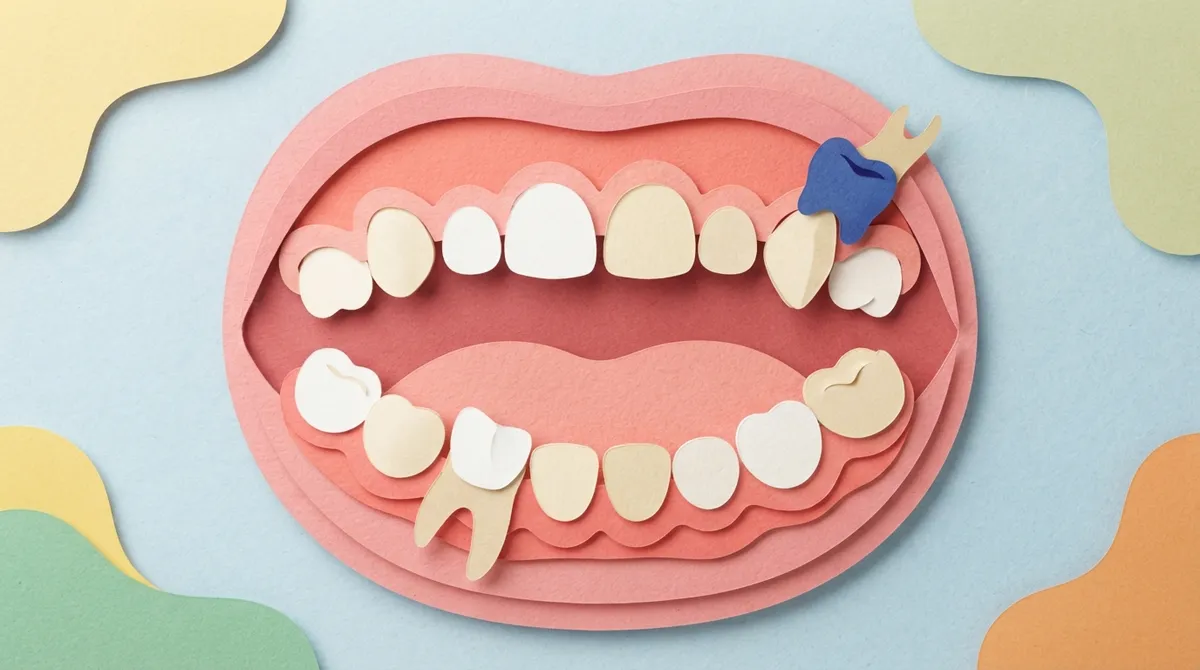
1. Understand What Mixed Dentition Really Means
Mixed dentition is the stage when a child has both primary (baby) teeth and permanent teeth in the mouth at the same time. It usually begins around age 6 and continues until the last baby tooth is gone, often around age 12.
This stage is a busy one. Jaws are growing, permanent teeth are finding their spots, and the bite is taking shape. That is why orthodontists pay close attention during these years.
Here is an important point. Having baby teeth is not a reason to start braces, and it is not a reason to wait either. The decision comes down to what is happening in your child’s mouth, not the number of baby teeth left.
- Early mixed dentition: The first permanent molars and front teeth arrive.
- Middle phase: A quieter stretch where growth continues and teeth settle.
- Late mixed dentition: Canines and premolars replace the last baby teeth.
Knowing where your child is in this timeline helps an orthodontist decide whether to act now, watch closely, or wait.
2. Know When to Schedule the First Visit
The American Association of Orthodontists recommends a first orthodontic check-up by age 7. At that age, there is usually a nice mix of baby and permanent teeth, which lets an orthodontist see how teeth are coming in and how the jaws relate to each other.
Here is the part that surprises many parents: a check-up at age 7 does not mean your child needs treatment. It is simply a smart look at what is developing. In many cases, the answer is, “Everything looks great. Let’s keep an eye on it.”
If you are curious about timing, our guide on when your child should see an orthodontist breaks it down by age. You can also read about early treatment to see how Brockway Orthodontics approaches this stage.
What Happens at a Mixed Dentition Evaluation?
A good evaluation is thorough but gentle. Here is what families can usually expect:
- A review of your child’s dental and health history.
- A close look at the teeth, bite, and jaw alignment.
- Diagnostic records, such as digital scans or X-rays, when they are truly needed.
- A clear conversation about findings, options, and timing.
Want a preview? Read what to expect during your orthodontic exam, or learn about your first visit at our office.
3. Recognize the Problems That May Benefit From Early Care
Early orthodontic care, often called interceptive treatment, aims to guide growth or fix a specific problem before it becomes harder to correct. Not every bite issue needs this. But some are good candidates.
Common reasons an orthodontist may suggest starting during mixed dentition include:
- Crossbite: Upper teeth bite inside the lower teeth, which can affect jaw growth.
- Ectopic eruption: A permanent tooth coming in off course.
- Early loss of baby teeth: This can cause nearby teeth to drift and steal space.
- Crowding or lack of space: Selected cases may benefit from timely help.
- Harmful habits: Long-term thumb sucking can shape the bite.
- Open bite: Front teeth that do not touch when the mouth closes.
- Developing jaw differences: Such as an upper and lower jaw growing at different rates.
The right response varies a lot from child to child. A mild issue may only need watching. A more serious one may need action sooner.
Curious about the red flags? Our post on 9 signs your child needs braces is a helpful checklist, and how crossbite correction works explains one of the most common early concerns.
4. Remember That Braces Are One Option, Not the Only One
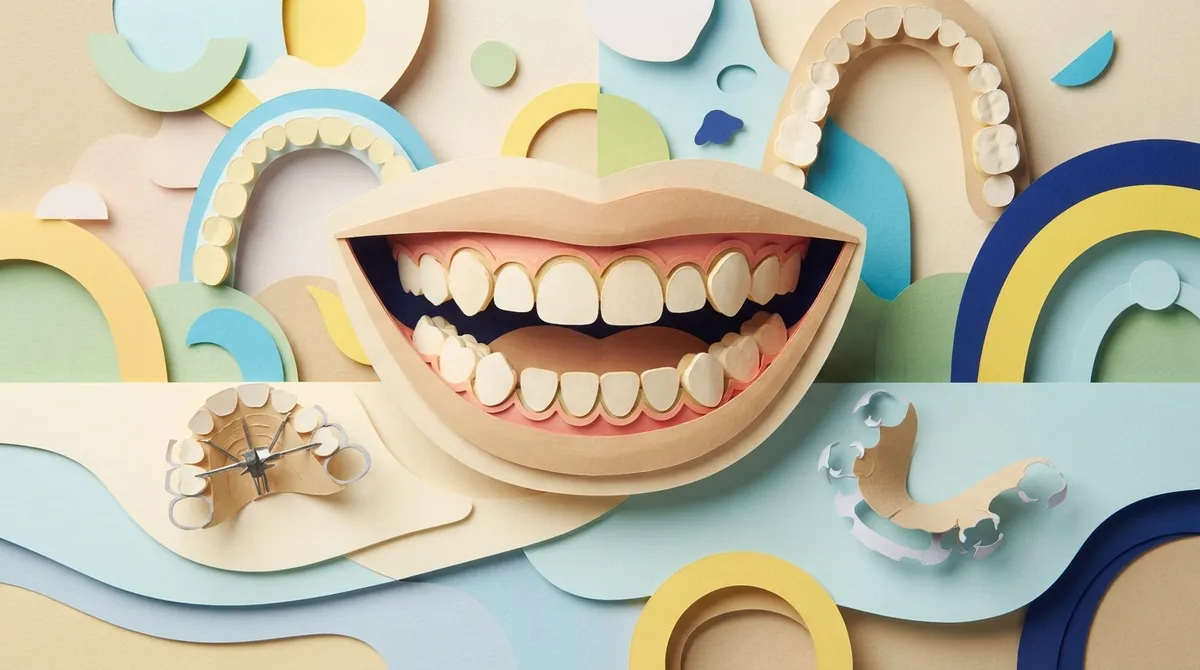
When people hear “early treatment,” they often picture a full set of braces on a seven-year-old. In reality, orthodontists have several tools. The best choice depends on the diagnosis.
| Approach | Best For | What It Does |
|---|---|---|
| Observation and monitoring | Mild issues or normal development | Tracks growth with regular check-ins, no appliance needed |
| Limited fixed braces | A few misplaced front teeth | Moves selected teeth without braces on every tooth |
| Palatal expander | Narrow upper jaw or crossbite | Gently widens the upper arch to make room and improve the bite |
| Removable appliances | Selected bite or habit concerns | Guides teeth or growth with a device that can be taken out |
| Space maintainers | Early baby tooth loss | Holds space open for the permanent tooth |
This is why a personal plan matters so much. One child may need a simple expander, while another only needs a yearly look. Learn more about palatal expanders and how they work.
Where Do Braces Fit In?
When braces are used in mixed dentition, they are often placed on only some teeth to fix a targeted problem, such as turning a rotated front tooth or aligning incisors. Full braces on all permanent teeth usually come later, once more adult teeth have arrived. You can see how braces work in our overview, All About Braces.
5. Learn About One-Phase vs. Two-Phase Treatment
Some children have a two-phase plan. Phase one happens during mixed dentition and focuses on one specific goal. Then there is a rest period while the remaining teeth come in. Phase two, if needed, is comprehensive treatment with braces or aligners once most permanent teeth are in place.
Does phase one mean your child will need braces again? Not always, but sometimes. Results vary. One published study of mixed-dentition treatment found that about 71% of patients reached their final result in a single phase, while 29% needed additional treatment. That study also noted better one-phase success when treatment began earlier. Keep in mind these numbers come from one specific study and should not be treated as a promise for every child.
Questions to Ask About a Two-Phase Plan
Before you say yes, it helps to ask:
- What exact problem is phase one trying to solve?
- Is this phase meant to be final, or is it preparation for later treatment?
- What happens if we wait instead?
- How likely is it that my child will need a second phase?
- How long will each phase last, and what will it cost?
A trustworthy orthodontist will answer these clearly and without pressure. For a deeper dive, explore why timing matters in early intervention orthodontics, or see 14 mistakes parents make skipping early orthodontic treatment.
6. Know When Waiting Is the Smarter Move
Here is something we love to tell families: sometimes the best treatment is no treatment, at least for now. Not every bite problem needs a quick fix. Some are easier, and often more comfortable, to correct once more permanent teeth have come in.
Waiting may make sense when:
- The issue is mild and not getting worse.
- Your child is still missing many permanent teeth.
- A single-phase plan later would give the same result.
- Your child is not yet ready to handle an appliance.
That does not mean ignoring the problem. It means watching it. Regular monitoring lets your orthodontist catch changes early and step in at just the right time. This is the difference between watchful waiting and simply hoping for the best.
For teens heading into later growth, the timing conversation changes. Our adolescent treatment page and guide to when teens should start orthodontic treatment can help you plan ahead.
7. Choose a Team That Puts Your Child First
The best outcomes come from a thoughtful plan and a team your child feels comfortable with. Look for an orthodontist who listens, explains things in plain language, and lays out the purpose, benefits, alternatives, and timing of any recommendation.
At Brockway Orthodontics in Clearwater, Florida, Dr. Brockway takes time to hear your concerns and answer every question. The practice uses modern tools like digital impressions and 3D imaging, which means no messy molds and a more precise plan. In certain cases, same-day treatment may even be possible, which is a real help for busy families.
Not sure what to look for? These guides can help: how to find a good pediatric orthodontist and orthodontics for kids: what every parent should know.
Cost and Coverage Questions
Two-phase plans can feel like a big commitment, so it helps to talk money early. Ask about monthly payment options and what your insurance may cover. Brockway Orthodontics offers flexible choices, and you can read more on financing and insurance.
Want to hear from other families first? See what neighbors say by visiting Brockway Orthodontics on Google. Professional organizations like the American Dental Association and the Florida Association of Orthodontists also offer helpful, trustworthy oral health information.
A Quick Look at Braces vs. Aligners for Growing Smiles
Parents often ask whether clear aligners can work during mixed dentition. In some situations, yes. Often, though, teeth are still erupting, which makes tracking a fit tricky. A comprehensive stage with braces or aligners usually works better once more permanent teeth are in.
Brockway Orthodontics offers metal braces, ceramic (clear) braces, and Spark™ Clear Aligners, an affordable alternative for suitable patients. To compare, check out braces vs. clear aligners for kids.
Taking the Next Step Toward a Healthy Smile
Braces treatment with mixed dentition is not about rushing a child into hardware. It is about understanding what is developing, choosing the right moment, and picking the gentlest effective path. For some kids, that means a small, targeted early step. For others, it means friendly check-ins until the time is right.
The most helpful thing you can do is get a clear picture. A simple evaluation answers a lot of questions and gives you peace of mind, whatever the result.
Ready to see where your child stands? Book your appointment online with Brockway Orthodontics, or contact us with any questions. We would love to meet your family and help your child’s smile grow in confident and healthy.
FAQs
Q: Can a child get braces while they still have baby teeth?
A: Yes, in some cases! Limited braces can be placed on selected teeth to fix a specific problem during mixed dentition. An orthodontist will decide if early braces are right or if another option, like an expander or simple monitoring, fits your child better.
Q: What does mixed dentition mean in orthodontics?
A: Mixed dentition is the stage when a child has both baby teeth and permanent teeth at the same time, usually from about age 6 to 12. It is a key time for checking how teeth and jaws are growing.
Q: At what age should a child first see an orthodontist?
A: The American Association of Orthodontists suggests a first check-up by age 7. This visit is about looking at development, not starting treatment. Many children simply need regular monitoring.
Q: Does early treatment mean my child will need braces again later?
A: Sometimes, yes. Some children finish in one phase, while others need a second stage once more permanent teeth arrive. Ask your orthodontist whether phase one is meant to be final or preparatory so you know what to expect.
Q: Are braces the only option for early orthodontic treatment?
A: Not at all. Depending on the problem, your child may use a palatal expander, a removable appliance, a space maintainer, limited braces, or just careful observation. The best choice depends on your child’s unique needs.
Our Service Area