Key Takeaways
-
Compare the full orthodontic plan, not just the headline price, and ask whether it includes adjustment visits, retainers, replacements, and emergency repairs.
-
Confirm the provider is a trained orthodontic specialist and ask who will supervise your treatment at each visit.
-
Schedule a first orthodontic check for children around age 7, when baby and adult teeth are mixed; an evaluation doesn't automatically mean treatment.
-
Choose braces or clear aligners based on your bite and commitment level, since aligners only work with consistent daily wear.
-
Verify insurance benefits directly, checking age limits, lifetime maximums, waiting periods, and whether braces and aligners are treated the same.
Picture this: you finally decide it is time to straighten your smile, or your child’s smile. You search online, book the first appointment you find, and hope for the best. A few months later, you feel confused about fees, unsure about the plan, and wondering if you chose the right fit. It happens more often than you might think!
The good news? Most of these headaches are easy to avoid. Clearwater orthodontic care covers a wide range of services, from braces and clear aligners to early treatment for kids. With a little prep, you can walk into your first visit feeling calm and confident.
In this friendly guide, we will walk through nine common mistakes families make in 2026 and how to dodge each one. Whether you are a parent, a teen, a busy professional, or an adult thinking about retreatment, you will find tips that fit your situation. Let’s get started!
What Clearwater Orthodontic Care Actually Includes
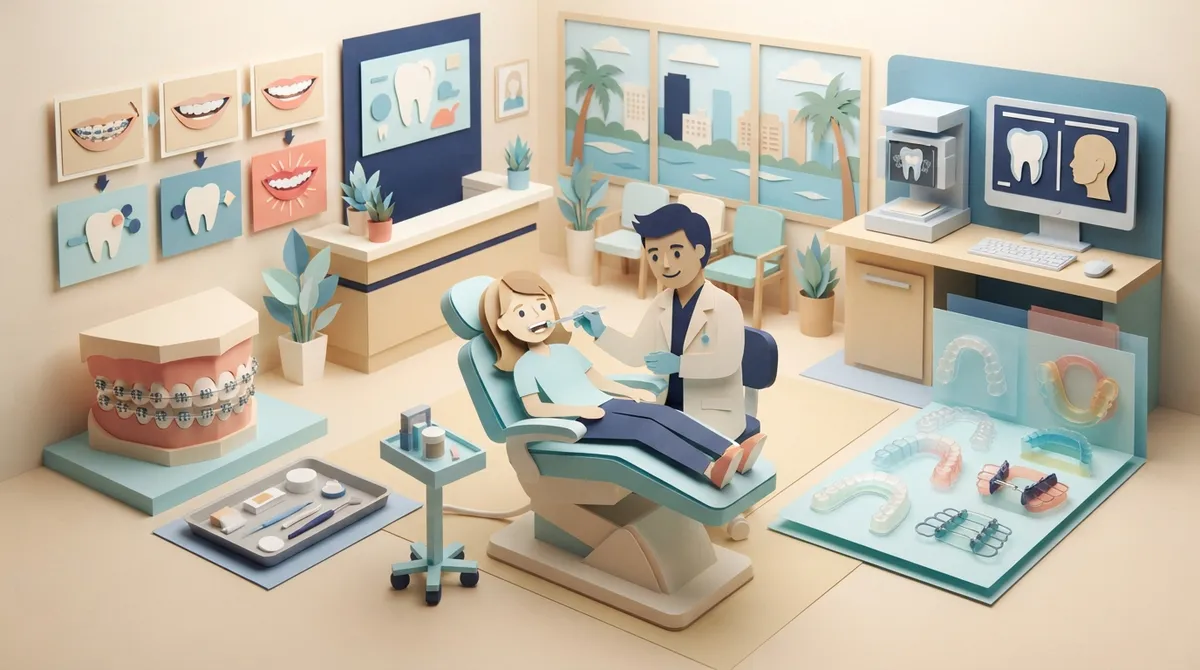
Before we dive into the mistakes, let’s make sure we are on the same page. Clearwater orthodontic care means evaluating and treating tooth alignment and bite problems for children, teens, and adults in Clearwater, Florida, and nearby Pinellas County communities.
Local practices commonly offer these options:
- Traditional metal braces: A time-tested choice that handles many types of bite and alignment problems.
- Ceramic (clear) braces: Tooth-colored brackets that blend in more than metal.
- Clear aligners: Removable trays that are less noticeable but need steady wear.
- Early or Phase 1 treatment: Care for some children while permanent teeth are still coming in.
The right choice depends on your bite, your oral health, your goals, and the orthodontist’s exam. At Brockway Orthodontics, Dr. Brockway offers metal braces, ceramic braces, and Spark™ Clear Aligners for patients of all ages. Now, on to the mistakes!

Mistake 1: Choosing a Provider Based on Price Alone
Everyone loves a good deal. But the lowest number on a flyer does not always tell the full story. Some quotes leave out visits, retainers, or repairs, so the final bill can climb later.
Instead of chasing the cheapest option, ask what the fee covers. A fair comparison looks at the whole plan, not just the headline price. If budget is a big concern, our guide on ways to find an affordable orthodontist in Clearwater can help you shop smart without cutting corners.
Mistake 2: Skipping the Credentials Check
Not every dental office that offers braces is run by an orthodontic specialist. Orthodontists complete extra years of training focused only on moving teeth and aligning jaws. That focus matters, especially for tricky bites.
Here is a quick checklist to run through before you book:
- Ask if the provider is a trained orthodontic specialist.
- Find out who will supervise your treatment at each visit.
- Look up the provider’s license and professional memberships.
- Read patient reviews for comments about communication and comfort.
The Florida Association of Orthodontists is a helpful place to learn what to look for in a specialist. You can also read about what makes a specialist orthodontist different.
Mistake 3: Waiting Too Long to Check a Child’s Smile
Many parents think braces only start around age 12 or 13. But an early check can give you a head start. Orthodontists often suggest a first look around age 7, when a mix of baby and adult teeth is present.
Here is the sweet part: an early visit does not mean your child needs braces right away. In many cases, the answer is simply, “Let’s keep an eye on things.” You can learn more in why an early evaluation isn’t the same as treatment.
When problems do show up early, such as crowding, a crossbite, or a jaw that is growing unevenly, early care can make later treatment simpler. Curious about the details? Check out our Phase One vs. Phase Two orthodontics facts.
Mistake 4: Picking Braces or Aligners Because of Hype
Social media makes clear aligners look like magic. Meanwhile, braces get a bad rap they no longer deserve. The truth is simpler: the best option depends on your teeth.
Clear aligners are removable and less visible, but they only work if you wear them consistently. Braces stay on all day, which helps some patients, and they may be recommended for certain complex tooth movements. Here is a quick side-by-side:
| Feature | Metal or Ceramic Braces | Clear Aligners |
|---|---|---|
| Visibility | Metal is noticeable; ceramic blends in more | Less noticeable |
| Removable? | No, fixed to teeth | Yes, but must be worn consistently |
| Typical timeline (practice estimates) | About 18–24 months | About 9–15 months |
| Typical visit schedule (practice estimates) | Roughly every 4–8 weeks | Roughly every 6–10 weeks |
| Best for | Many bite types, including complex cases | Patients who can stay committed to wear time |
Remember, those timelines come from local practice pages and are only estimates. Your own case may be shorter or longer. For a deeper comparison, see Braces vs. Clear Aligners: Which Clearwater Choice Wins?
Mistake 5: Not Asking What the Fee Includes
This one trips up lots of families. Published local price figures are estimates from providers, not a full market survey. One local source gives rough ranges of about $3,000–$7,000 for braces and $3,500–$6,500 for clear aligners. That is a wide gap, and your real fee depends on how complex your case is and what is bundled in.
Before you say yes to a plan, ask these questions:
- Does the fee include all adjustment visits?
- Are retainers included, and what happens if I lose one?
- What does a replacement aligner or retainer cost?
- Is there a charge for emergency repairs?
- Are there payment plans or financing options?
Getting the answers in writing is a smart move. Our article on why a written orthodontic fee breakdown matters explains how this protects your budget.
Mistake 6: Assuming Insurance Will Cover Everything
Orthodontic insurance benefits vary a lot from plan to plan. Some plans cover only children. Others have a lifetime maximum, waiting periods, or exclusions that surprise people later.
Do a little homework before your visit:
- Call your insurer and ask if orthodontic care is covered for your age.
- Ask about the lifetime maximum and any waiting period.
- Check whether the plan treats braces and aligners the same way.
- Ask the orthodontic office to help verify your benefits.
For more help, read orthodontic insurance waiting periods to ask about and common insurance mistakes Clearwater families make.
Mistake 7: Showing Up to the Consultation Unprepared
A consultation is your chance to learn, ask, and feel things out. It is not a sales pitch you have to say yes to! A good visit reviews your diagnosis, treatment options, expected length, fees, insurance benefits, and follow-up schedule.
Many local practices describe digital imaging or treatment planning as part of the process, but what is included can differ. So ask what your own evaluation covers. Bring a short list of questions, your insurance card, and any past dental records. If you have had braces before, mention it right away.
Want a handy list? Try 13 questions to ask at an orthodontic consultation or how to prepare for your orthodontist consultation in Clearwater.
Mistake 8: Treating Retainers as an Afterthought
Here is a mistake that sneaks up on adults and teens alike. You finish treatment, celebrate your new smile, and then toss the retainer in a drawer. Months later, your teeth start to drift. Sound familiar? Many adults who return for retreatment say exactly this.
Teeth naturally want to shift back. Retainers help hold your hard work in place. Your orthodontist will tell you how long and how often to wear yours, and that schedule can differ from person to person.
Good habits make all the difference:
- Wear your retainer exactly as directed.
- Keep it in its case, never wrapped in a napkin.
- Clean it gently, and never use hot water.
- Call your orthodontist if it cracks, feels tight, or goes missing.
Learn more in how to care for your dental retainer the right way, or if your smile has already shifted, explore orthodontic relapse warning signs.
Mistake 9: Letting Daily Care and Check-Ups Slip
Braces and aligners do the moving, but you do the caring. Brushing and flossing around brackets takes extra time. Skipping it can lead to stained teeth, gum trouble, and even delays in your plan.
For aligner wearers, the daily job is different but just as important. Wear the trays for the hours your orthodontist recommends, and take them out to eat and drink anything besides water. For braces wearers, steer clear of very hard or sticky foods that can pop brackets loose.
Do not skip your scheduled visits either. Those regular check-ins let your orthodontist track progress and adjust your plan. If you want to see why they matter, read why orthodontic checkups matter so much, plus our tips on how to brush teeth with braces.
A Quick Word for Every Reader
For Parents of Kids and Teens
Start with an early evaluation and involve your child in decisions. Kids who feel heard tend to follow care routines better. You can also help them build habits with ideas from how parents can help kids build appliance care habits.
For Teens and Young Adults
Big events like graduation or prom are great motivators, but give yourself enough time. Rushing is rarely the best plan. Ask your orthodontist what a realistic timeline looks like for your case.
For Busy Adult Professionals
Discreet options like clear aligners or ceramic braces may fit your work life. Just be honest with yourself about consistency. Aligners only work when they are in your mouth! Our guide to orthodontics for adults in Clearwater is a great place to start.
For Retreatment and Health-Focused Patients
If you had braces years ago, you are not alone, and it is not too late. A fresh evaluation can show what is possible now. If you have gum concerns or other dental needs, share them up front so your plan can be customized to protect your oral health.
How Brockway Orthodontics Can Help
Choosing a provider is personal, and we get that. At Brockway Orthodontics, Dr. Brockway takes the time to listen to your concerns and your dreams for your smile. We want you to feel comfortable and informed from the first hello to the final retainer.
Here is what families in Clearwater can expect:
- Treatment options for the whole family, from teens to adults.
- Metal braces, ceramic braces, and Spark™ Clear Aligners, a more affordable alternative to Invisalign.
- Modern tools like digital impressions instead of messy molds, plus 3D imaging for precise planning.
- Same-day treatment in certain cases, so busy families can get started without multiple visits.
Dr. Brockway has a real love for this community, and it shows in how she cares for each patient. If you want to meet her, visit who the Brockway orthodontist in Clearwater, FL is. You can also see what neighbors are saying: Visit us on Google — Brockway Orthodontics.
Want to stay in the loop? Follow along on Facebook for friendly updates and smile stories. And for general guidance on dental health, the American Dental Association offers trusted resources for families.
Your Smart, Simple Game Plan
Let’s pull it all together. Before you commit to any Clearwater orthodontic care plan, remember these steps:
- Compare the whole plan, not just the price.
- Check credentials and ask who supervises your care.
- Schedule an early check for kids around age 7.
- Choose braces or aligners based on your bite, not hype.
- Ask exactly what the fee includes.
- Confirm insurance details with your insurer and the office.
- Prepare questions before your consultation.
- Take retainers seriously for life.
- Keep up daily care and every follow-up visit.
Nobody expects you to become an orthodontics expert overnight. You just need a team that explains things clearly and treats you like a neighbor. That is what we love doing every day.
Ready to Start Your Smile Journey?
You deserve care that feels clear, caring, and personal. If you are ready to take the next step, book your appointment online and let’s talk about your goals. Prefer to chat first? Just contact our friendly team with any questions. We can’t wait to meet you and help you smile with confidence in 2026 and beyond!
FAQs
Q: How much do braces cost in Clearwater, Florida?
A: Prices vary a lot depending on the case and what the fee includes. One local source lists rough estimates of about $3,000 to $7,000 for braces, but those are provider-published numbers, not a full market survey. The best move is to ask for a written quote that shows exactly what is covered.
Q: What is the difference between braces and clear aligners?
A: Braces are fixed to your teeth and work all day, while clear aligners are removable trays you wear for the hours your orthodontist recommends. Aligners are less noticeable but need steady wear, and braces may be suggested for some complex movements. Your orthodontist can help you pick the right fit for your bite.
Q: At what age should a child see an orthodontist?
A: Many orthodontists suggest a first check around age 7, when baby and adult teeth are mixed together. An early visit does not always mean treatment is needed right away. It just helps spot any concerns and gives you time to plan.
Q: Does dental insurance cover braces or Invisalign in Clearwater?
A: It depends on your plan. Some cover only certain ages, and many have a lifetime maximum, waiting periods, or exclusions. Call your insurer and the orthodontic office to confirm your exact benefits before starting.
Q: How long does orthodontic treatment usually take?
A: Local practices estimate roughly 18 to 24 months for braces and about 9 to 15 months for clear aligners. These are general estimates, and your own timeline depends on your case and how well you follow your plan. Your orthodontist can give you a more personal estimate at your consultation.
Our Service Area