Key Takeaways
-
Call your orthodontist immediately when you notice a broken bracket, even if it seems minor, as delayed repairs can interfere with tooth movement and extend your overall treatment timeline.
-
Use orthodontic wax to cover sharp edges, switch to soft foods, and avoid hard, sticky, or crunchy foods until your repair appointment to prevent further damage.
-
A broken bracket is rarely a medical emergency unless accompanied by severe pain, heavy bleeding, difficulty breathing, or swallowing—most cases can wait for your next available appointment.
-
Maintain good oral hygiene around the damaged bracket by gently brushing and using interdental tools, as broken brackets trap food and plaque more easily, increasing cavity risk.
-
Prevent future bracket breakage by cutting hard foods into smaller pieces, wearing a mouthguard during sports, avoiding pen-chewing habits, and attending regular checkups for early issue detection.
-
Most orthodontic offices include minor bracket repairs in your overall treatment plan at no extra charge, so ask your provider about costs and whether repeated breakage incurs additional fees.
You’re eating dinner when you feel something poke your cheek. You reach up and find it—a loose bit of metal that used to sit snug against your tooth. A broken braces bracket has a way of showing up at the worst possible moment, whether it’s right before a big presentation or during a family vacation. The good news? This is one of the most common orthodontic hiccups out there, and it’s rarely a reason to panic.
At Brockway Orthodontics in Clearwater, we see this happen more than you might think. Brackets loosen, wires poke, and life happens. What matters most is knowing what to do next so you protect your smile and keep your treatment on track. In this guide, we’ll walk you through exactly what a broken bracket looks like, how to handle it at home, and when it’s time to call in the pros. Let’s get you back to smiling comfortably.
What Exactly Is a Broken Braces Bracket?
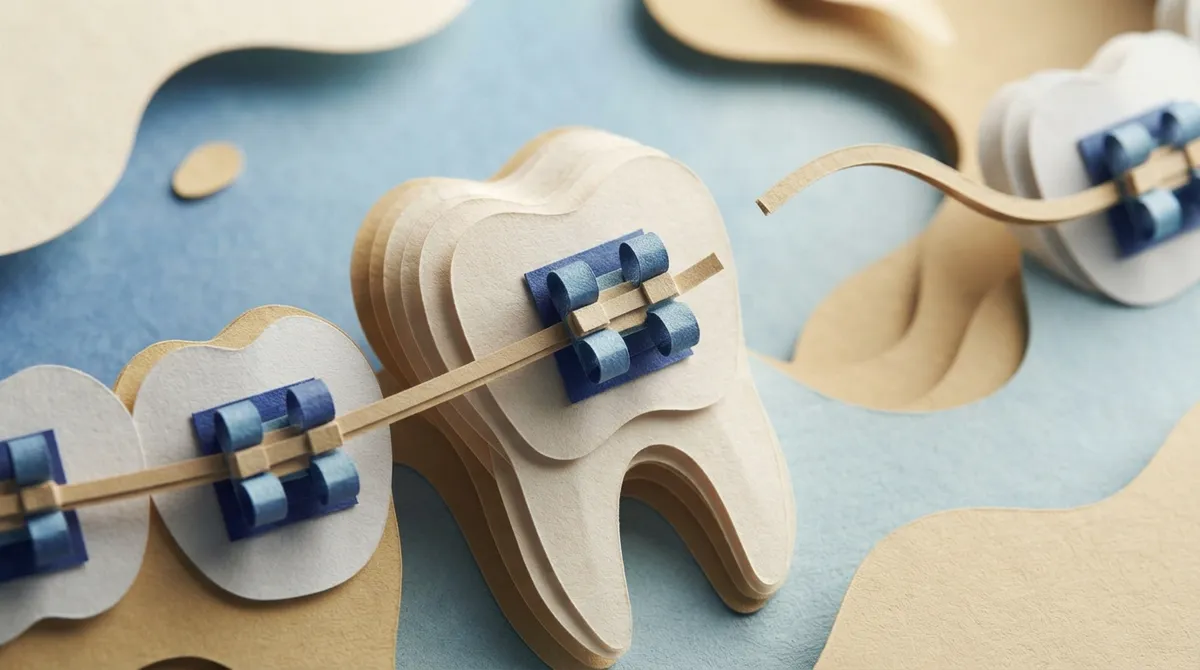
A bracket is the small square piece bonded to each tooth that holds your archwire in place. When we talk about a broken braces bracket, we usually mean one of two things. Either the bracket has come loose from the tooth but is still hanging onto the wire, or it has popped off completely.
Either way, this can cause the bracket to move around, rotate, or even let the wire poke your cheek, lip, or gum. It’s uncomfortable, sure, but it’s usually not dangerous. Think of it like a loose button on your shirt. It needs fixing, but it’s not an emergency requiring a trip to the ER.
Common Signs Your Bracket Has Broken
- A bracket feels wiggly or spins when you touch it with your tongue
- You notice a sharp edge poking the inside of your cheek or lip
- A small piece has fallen out completely and you can see it or feel it in your mouth
- The wire seems to be sticking out further than usual on one side
- You feel unusual pressure or looseness compared to your other teeth
Why Do Brackets Break in the First Place?
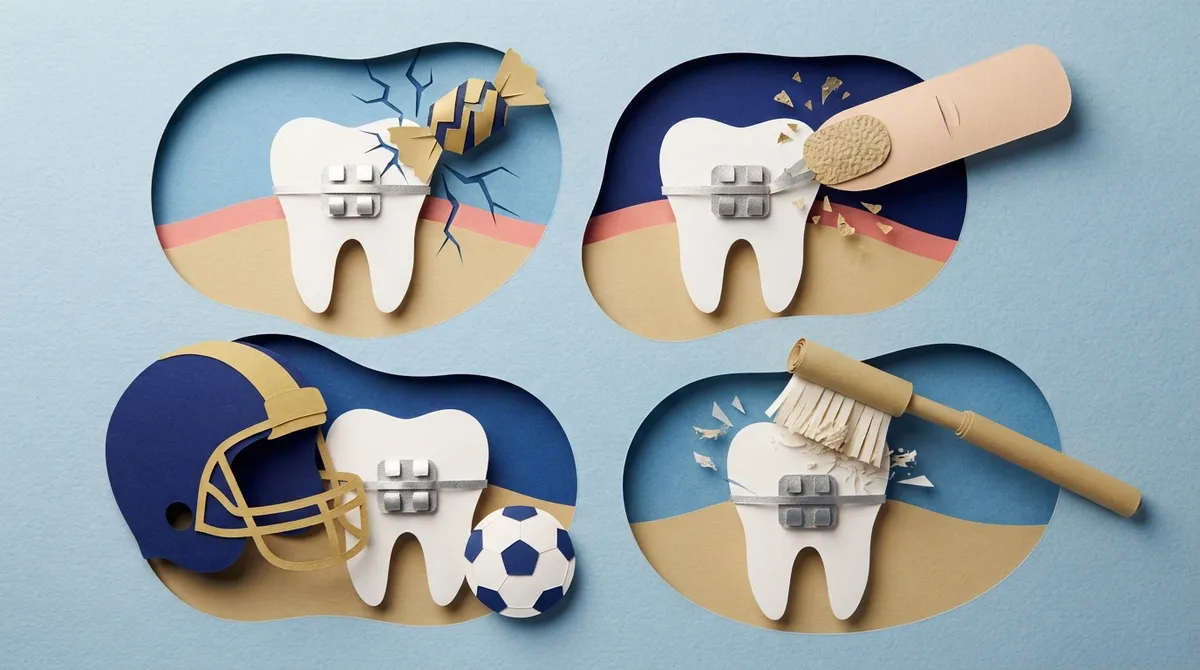
There’s no single reason a bracket comes loose. It depends on a bunch of factors, including the type of bracket, how it was bonded, your diet, and even habits like chewing on pens or ice. Hard and sticky foods are frequent culprits, along with accidental bumps to the mouth during sports or everyday activities.
If you’re curious about why this keeps happening to you specifically, our blog post on why braces brackets break and what to do next dives deeper into the everyday habits that put extra stress on your appliance. Understanding the cause can help you avoid repeat trips to the office.
First Steps: What to Do the Moment You Notice a Broken Bracket
Don’t panic. Most broken bracket situations can wait a bit, but you shouldn’t ignore them either. Here’s a simple step-by-step approach to follow.
- Call your orthodontist right away. Even if it doesn’t hurt much, let the office know. They’ll tell you whether you need to come in immediately or if it can wait until your next scheduled visit.
- Leave the bracket in place if it’s still attached to the wire. Resist the urge to pull, twist, or fidget with it. Moving it around can make things worse or cause you to swallow it accidentally.
- Cover any sharp spots with orthodontic wax. A small ball of wax pressed over the bracket or wire can stop it from irritating your cheek or gum until you’re seen.
- Save any piece that falls out completely. Keep it in a small clean container and bring it with you to your appointment. Never try to glue it back on yourself.
- Switch to soft foods for the time being. This helps prevent further damage while you wait for your repair visit.
If you’re not sure whether your situation needs immediate attention, our guide on broken bracket vs poking wire and which is a real emergency can help you figure out your next move with confidence.
Is a Broken Bracket a True Emergency?
In most cases, no. A loose bracket is an orthodontic annoyance, not a medical emergency. However, there are situations where you should seek urgent care right away. According to guidance from the American Dental Association, dental and orthodontic issues become true emergencies when there’s severe pain, uncontrolled bleeding, trouble breathing or swallowing, or signs of facial trauma.
Here’s a simple breakdown to help you decide what kind of care you need.
| Situation | What It Usually Means | Recommended Action |
|---|---|---|
| Bracket loose but still on wire, mild irritation | Common orthodontic issue | Use wax, call office, wait for next available appointment |
| Bracket fully detached, no bleeding or pain | Minor repair needed | Save the piece, call office, schedule a repair visit |
| Wire poking cheek causing a sore | Irritation from displaced wire | Cover with wax, rinse with warm salt water, call office |
| Severe pain, heavy bleeding, or swelling | Possible dental or medical emergency | Seek urgent care or contact your orthodontist’s emergency line immediately |
| Difficulty breathing or swallowing | Medical emergency | Go to urgent care or call 911 |
Not sure which category your situation falls into? Our article on emergency vs routine orthodontics and which one you need breaks it down even further so you can make the right call.
How to Manage Discomfort at Home
While you wait for your repair appointment, a few simple comfort measures can make a big difference. These tips come straight from trusted orthodontic guidance and are easy to do at home.
- Rinse with warm salt water using about one teaspoon of salt in eight ounces of warm water to soothe irritated gums or cheeks
- Apply orthodontic wax over any sharp edges to create a smooth barrier
- Take over-the-counter pain relief if needed, following the package directions
- Use a topical oral anesthetic gel for extra relief on sore spots, if approved by your orthodontist
- Stick to soft foods like yogurt, mashed potatoes, and scrambled eggs
What Foods Should You Avoid With a Loose Bracket?
Until your bracket gets fixed, it’s smart to steer clear of anything that could make things worse. Hard, crunchy, chewy, and sticky foods are the biggest troublemakers.
Avoid raw vegetables, hard fruits like apples eaten whole, caramel, taffy, and anything crunchy like chips or nuts. These foods put extra pressure on an already weakened bracket and can cause more damage or even make the bracket detach completely. For a full list of braces-friendly foods, check out our guide on what foods to avoid with braces and why it matters.
Keeping Your Teeth Clean With a Broken Bracket
Good oral hygiene doesn’t get a pass just because a bracket is loose. In fact, it becomes even more important. A damaged appliance can trap food and plaque more easily, which raises your risk of decalcification and cavities.
Keep brushing gently around the area, and use floss or an interdental brush to clean between teeth and around brackets carefully. If you’re not confident in your technique, our post on how to brush teeth with braces and keep your smile healthy has simple tips that make a real difference.
What Happens at Your Repair Appointment?
When you come in for your repair visit, the process is usually quick and straightforward. Here’s what typically happens.
- Your orthodontist examines the damaged bracket and surrounding area
- The old or displaced bracket is removed if needed
- The tooth surface is cleaned and prepped for a fresh bond
- A new bracket is bonded to the tooth using dental adhesive
- The archwire is adjusted or replaced if necessary to keep your treatment on schedule
Most repair visits are short, often fitting into a regular office visit. If you’ve been putting off calling, know that our team makes these fixes as smooth and stress-free as possible. You can always get in touch with our team to find a time that works for your schedule.
Can a Broken Bracket Delay Your Treatment?
This is one of the most common questions we hear, especially from busy adults and parents managing their teen’s treatment. The honest answer is that it depends. One broken bracket, fixed promptly, usually won’t set you back much at all.
However, repeated breaks or long delays in getting them fixed can interfere with tooth movement. Your archwire relies on all your brackets working together to guide your teeth into the right position. When one is missing or displaced for too long, that tooth may not move as planned, which can add time to your overall treatment.
This is why calling your orthodontist right away, even for something that seems minor, really does matter. The team at Brockway Orthodontics prioritizes getting you back on track quickly, whether you’re wearing traditional metal braces or working through a treatment plan with Spark™ Clear Aligners.
How Much Does It Cost to Fix a Broken Bracket?
There’s no universal price tag for bracket repairs. Costs depend on your specific treatment contract, how many brackets need attention, whether this is an accidental one-time issue or a repeated pattern, and your insurance coverage.
Many orthodontic offices, including ours, build minor repairs into your overall treatment plan at no extra charge. If repeated breakage becomes an issue, there may be additional fees involved. It’s always best to ask your provider directly about your specific situation. Our page on financing and insurance options can help you understand what’s typically covered.
Preventing Future Broken Brackets
While you can’t always avoid every mishap, a few smart habits go a long way in protecting your brackets.
- Avoid biting into hard foods like whole apples or corn on the cob; cut them into smaller pieces instead
- Skip sticky candies and gum that can pull brackets loose
- Wear a mouthguard during sports, even casual pickup games
- Break habits like chewing on pens, pencils, or fingernails
- Keep up with regular checkups so small issues get caught early
These small changes protect not just your brackets but your entire treatment timeline. For more prevention tips, take a look at our post on braces treatment mistakes you should never make.
Why Choose Brockway Orthodontics for Your Braces Care
Dr. Brockway and her team understand that orthodontic emergencies, even small ones like a broken bracket, can feel stressful. That’s why we make it easy to reach us and get quick answers. Our Clearwater office is equipped with modern technology, including digital impressions and 3D imaging, so repairs are precise and comfortable.
We treat patients of every age, from kids getting their first set of braces to adults exploring more discreet options. Whether you’re new to our practice or a longtime patient, you can always learn what to expect during your first visit or explore our full range of orthodontic services. We also encourage you to connect with us on Facebook or follow along on Instagram for tips, updates, and a look at real patient smiles.
Curious what other Clearwater families think of our care? You can visit us on Google to see what our Brockway Orthodontics patients are saying. We’re proud to be a trusted resource for orthodontic care in the community, and we’re always happy to answer questions, big or small. The Florida Association of Orthodontists also offers helpful resources if you’d like to learn more about choosing a qualified orthodontic provider in our state.
Your Smile Is Worth the Quick Fix
A broken braces bracket might feel like a small disaster in the moment, but it’s a bump in the road, not the end of your journey. With a little wax, some soft foods, and a quick call to your orthodontist, you’ll be back on track in no time. Remember, your treatment plan is designed to work as a whole system, so keeping every piece in good shape helps you reach your goal smile faster.
If you’re dealing with a loose bracket right now or just want peace of mind before it happens, our friendly Clearwater team is here for you. Book your appointment online today and let us help you keep your smile journey moving forward, one comfortable step at a time.
FAQs
Q: What should I do if my braces bracket breaks?
A: First things first, don’t panic! Call your orthodontist right away to let them know what happened. While you wait for guidance, cover any sharp edges with orthodontic wax and stick to soft foods until you can get it fixed.
Q: Is a broken braces bracket an emergency?
A: Usually not! Most broken brackets are more annoying than dangerous. It only becomes a true emergency if you’re dealing with severe pain, heavy bleeding, or trouble breathing or swallowing, in which case you should seek urgent care right away.
Q: Can I wait until my next orthodontist appointment for a loose bracket?
A: Sometimes, yes! It really depends on your specific situation, so give your orthodontist a call either way. They’ll let you know if it’s fine to wait or if you should come in sooner to keep your treatment on schedule.
Q: Can I fix or glue a broken bracket at home?
A: We totally understand the urge to DIY it, but please don’t try gluing anything at home. Orthodontic bonding requires special materials and a clean, prepped tooth surface, so it’s best left to your orthodontic team.
Q: Why do braces brackets keep breaking?
A: Great question, and the answer usually comes down to diet and habits! Hard, sticky, or crunchy foods are common culprits, along with things like chewing on pens or biting your nails. A few small changes can make a big difference in keeping your brackets secure.
Our Service Area