Key Takeaways
-
Recurring chewing pain should be evaluated rather than ignored, since it can signal decay, a cracked tooth, gum disease, or a bite that overloads certain teeth.
-
Avoiding certain foods or changing your diet to dodge chewing discomfort is a clear signal that an exam is a smart next step.
-
Red flags such as severe or worsening pain, facial or jaw swelling, or pus around a tooth or gum need prompt care, and fever or trouble swallowing or breathing requires urgent medical attention.
-
Start with a general dentist for pain, gum, or dry mouth issues, and see an orthodontist when teeth that don't meet evenly, an open bite, or bite misalignment may be involved.
-
Chewing trouble alone does not mean you need braces; the right treatment depends on the underlying cause, which only a proper exam can determine.
-
Before your appointment, note when chewing trouble happens and which foods bother you, and choose softer foods cut into smaller pieces to stay comfortable.
Have you ever winced while biting into a crisp apple, or quietly skipped the steak at dinner because chewing just felt like too much work? You are not alone, and you are not being dramatic. Chewing is something we do dozens of times a day, so when it starts to feel off, it is worth paying attention.
The tricky part is knowing when a little chewing trouble is just a passing annoyance and when it is a sign that something deeper is going on. Sometimes the cause is a cavity or sore gums. Other times, the way your teeth and jaws meet may be playing a role. That is why knowing when chewing difficulties warrant a dental evaluation can save you discomfort, time, and worry.
In this friendly guide, we will walk through eight clear signs that it is time to get checked, what a dentist or orthodontist looks for, and which red flags need fast care. Whether you are a parent watching your child, a teen thinking about braces, or an adult who has noticed changes in your bite, you will find helpful answers here.
Why Chewing Problems Deserve Your Attention
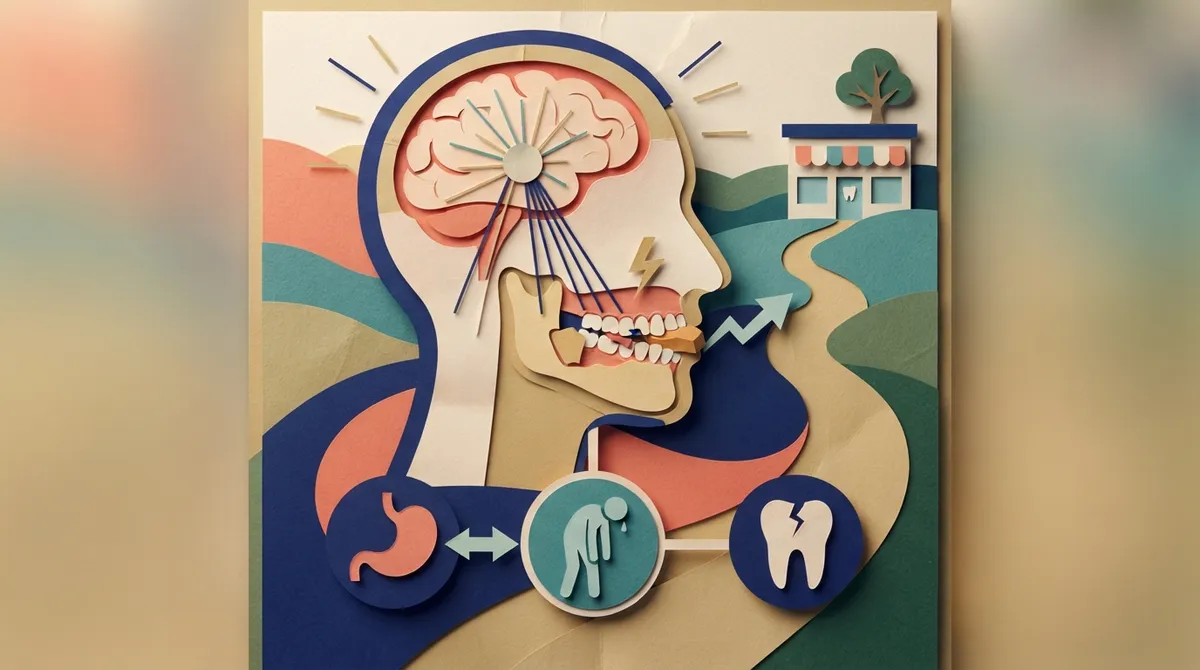
Chewing is a team effort. Your teeth, gums, jaw joints, and muscles all have to work together smoothly. When one part is off, the whole system can feel it.
Persistent or recurring trouble chewing, especially pain, trouble biting into foods, or avoiding certain foods altogether, is a reason to schedule an exam. It should not simply be brushed off, and it should not be assumed to be an orthodontic problem either. Causes can include tooth decay, gum disease, a damaged or missing tooth, dry mouth, and bite or jaw misalignment.
That is exactly why an evaluation matters. A professional can sort out the real cause instead of guessing. If you are curious about what that first visit looks like, take a peek at Your First Visit to see how we make it simple and welcoming.
8 Signs It Is Time for a Dental Evaluation
1. Chewing Pain That Keeps Coming Back
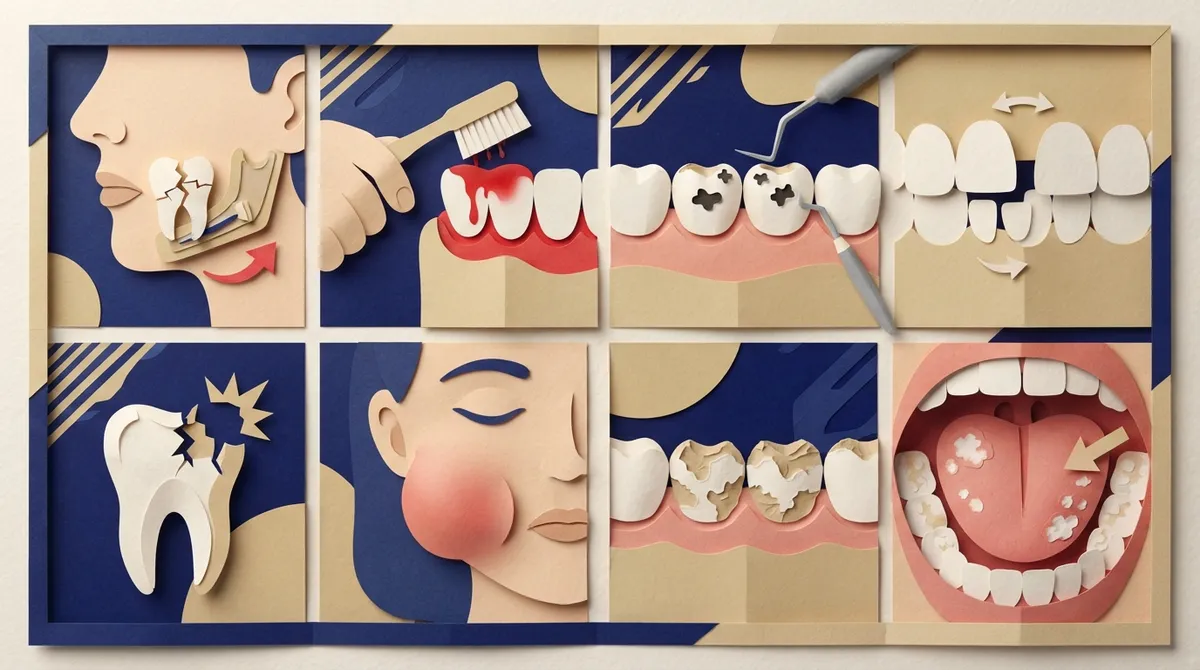
A single sore bite after a crunchy chip is no big deal. But pain that shows up again and again is different. Recurring pain when you chew can point to tooth decay, a cracked tooth, gum disease, or a bite that puts too much pressure on certain teeth.
If the pain sticks around for more than a few days, or keeps returning, book an exam. Do not wait for it to get worse.
2. You Avoid Certain Foods Without Even Thinking About It
This one sneaks up on people. You stop ordering the salad with crunchy veggies. You cut your sandwich into tiny pieces. You choose soft foods “just because.”
When you change your diet to dodge chewing trouble, your mouth is trying to tell you something. Limited food choices are a clear signal that an evaluation is a smart next step.
3. You Cannot Bite Into Foods the Way You Used To
Maybe you struggle to bite through a sandwich, a slice of pizza, or an apple. When front teeth do not meet well, biting can feel awkward or even impossible.
This can happen with an open bite, where the upper and lower front teeth do not touch. It can also happen when a tooth is damaged or missing. An exam helps pinpoint which it is.
4. Your Teeth Do Not Seem to Meet Evenly
Try this quick check in the mirror. Close your back teeth gently together. Do your teeth seem to line up evenly, or does one side feel off? Uneven contact can make chewing less efficient and more tiring.
Teeth that do not meet evenly, along with an overbite, underbite, crossbite, or crowding, can signal malocclusion. If you want to learn how a deep overbite is handled, check out How Do Braces Fix a Deep Overbite? for a friendly overview.
5. Your Jaw Shifts, Clicks, or Feels Tired
Does your jaw slide to one side when you close your mouth? Does it feel sore after a meal? A jaw that shifts or tires easily can make chewing uncomfortable.
These signs can be linked to bite or jaw misalignment, but they can also come from other causes. Only an exam can tell the difference, so it is best not to self-diagnose.
6. You Bite Your Cheek or Tongue Often
Everyone bites their cheek once in a while. But if it happens all the time, your teeth and jaws may not be working in sync. Frequent cheek or tongue biting can be a clue that your bite is not lining up the way it should.
It is a small sign, but it can add up to a big conversation with your orthodontist.
7. A Tooth Feels Loose, Broken, or Missing
A damaged or missing tooth can throw off your whole chewing pattern. Nearby teeth may drift, and you may start chewing on one side without realizing it.
Loose teeth can also be a sign of gum disease. Do not wait on this one. Get it looked at so the problem does not grow.
8. Your Mouth Feels Dry or Your Gums Are Sore
Chewing relies on saliva and healthy gums. Dry mouth can make food harder to chew and swallow, and gum trouble can make biting painful.
Because these issues are not always orthodontic, a general dental exam is a great place to start. Your dentist can then refer you to an orthodontist if your bite may be involved.
Red Flags That Need Fast Care
Most chewing problems can be handled with a regular appointment. Some, however, call for quicker action. Seek prompt dental care if you notice:
- Severe or worsening pain that does not ease up
- Swelling in your face or jaw
- Pus around a tooth or gum
Some symptoms are more serious. Fever, trouble swallowing or breathing, or swelling that affects the floor of your mouth or spreads toward your eye can signal a serious infection. Those symptoms need urgent medical attention, so please do not wait it out.
If you are ever unsure whether something counts as urgent, our guide on Emergency vs. Routine Orthodontics can help you decide.
Dentist or Orthodontist: Who Should You See First?
This is one of the most common questions we hear, and it is a good one. The honest answer is that it depends on the cause.
| Your Main Symptom | Possible Cause | Best First Step |
|---|---|---|
| Sharp pain on one tooth | Decay or cracked tooth | General dentist |
| Sore, swollen, or bleeding gums | Gum disease | General dentist |
| Teeth that do not meet evenly | Malocclusion | Orthodontist |
| Open bite or trouble biting food | Bite misalignment | Orthodontist |
| Dry mouth with chewing trouble | Low saliva | General dentist |
| Facial swelling, fever, or pus | Possible infection | Urgent dental or medical care |
A general dentist can check your overall oral health and refer you to an orthodontist when tooth or jaw alignment may be part of the picture. An orthodontist can assess whether malocclusion is playing a role. Either way, you are on the right path by getting checked. Curious about how the two roles differ? Read Orthodontist vs. Dentist: Which One Do You Actually Need?
Bite Problems That Can Make Chewing Harder
When your teeth and jaws do not line up well, everyday eating can become more work than it should be. Here are some bite issues an orthodontist looks for:
- Overbite: Upper front teeth sit too far over the lower ones
- Underbite: Lower teeth sit in front of the upper teeth
- Crossbite: Some upper teeth sit inside the lower teeth
- Open bite: Teeth do not touch when the mouth is closed
- Crowding: Teeth overlap or twist because there is not enough room
These are common. A systematic review of 77 studies reported a worldwide malocclusion prevalence of 56% among children and adolescents, though estimates varied widely by region and study. Another review found posterior crossbite in about 9.39% of the sample examined.
Here is the good news and the honest truth. Untreated malocclusion can be linked to impaired chewing and unusual tooth wear, but not every bite difference causes symptoms or needs treatment. Decisions should be personal and based on a real exam. To learn more, see How Does Crossbite Correction Work or How to Fix an Underbite.
What Happens During an Evaluation
Many people feel nervous before an appointment. Let us take the mystery out of it. Here is what usually happens:
- A friendly chat. We ask about your symptoms, when they started, and which foods give you trouble.
- A careful look. The team checks your teeth, bite, jaws, and the soft tissues in your mouth.
- Imaging when needed. Dental imaging may be used when appropriate to see what is happening below the surface.
- A clear explanation. We help sort out whether the issue is orthodontic or something else, like decay, infection, or gum trouble.
- A plan that fits you. If treatment is needed, we talk through your options. If you need general dental or medical care, we point you in the right direction.
Want a deeper look? Our post on What to Expect During Your Orthodontic Exam walks through every step.
Chewing Trouble in Children and Teens
If you are a parent, you may notice your child chewing on one side, avoiding crunchy foods, or biting their cheek often. Kids rarely complain, so little habits can be your best clues.
The American Association of Orthodontists recommends a first orthodontic check-up no later than age 7. This is a chance to look at developing teeth and jaws, not a promise that treatment will be needed. Many kids simply get a thumbs-up and a plan to monitor growth.
That said, chewing difficulty at any age is a reason to seek a personal assessment. Learn more about timing in How to Know When Your Child Should First See an Orthodontist, or explore our Early Treatment and Adolescent Treatment options.
Teens and young adults often tell us they care about both comfort and looks. The good news is that modern care can help with both. Options like Spark™ Clear Aligners offer a discreet path for many patients.
Chewing Changes in Adults
Adults are not left out. Teeth can shift over time, especially after past orthodontic treatment. If you wore braces years ago and your bite feels different now, relapse could be the reason.
Busy professionals often put off checkups, and then chewing trouble becomes a daily distraction. The sooner you get answers, the easier it is to choose a plan that fits your schedule. If you are thinking about options, Adult Treatment is a great place to start, and you can read 8 Truths About Whether You’re Too Old for Braces for some encouragement.
Health-conscious patients, including those with gum concerns or more complex needs, often benefit from a plan built around their whole mouth. At Brockway Orthodontics, Dr. Brockway takes time to listen so your care is truly personal. You can meet Dr. Brockway and learn about her approach.
Does Chewing Trouble Mean You Need Braces?
Not necessarily, and we want to be clear about that. Difficulty chewing alone does not mean braces or other orthodontic treatment are needed. The right next step depends on the cause.
Sometimes a filling or gum care solves the problem. Other times, an alignment issue is involved, and braces or clear aligners can help. If you are weighing choices, All About Braces and Traditional Braces vs. Clear Aligners can help you compare.
At Brockway Orthodontics, we offer metal braces, ceramic (clear) braces, and Spark™ Clear Aligners, a more affordable alternative to Invisalign. Our team explains each option in easy, friendly terms so you can feel confident about your choice. We also use modern tools like digital impressions and 3D imaging, and in some cases we can offer same-day treatment to fit your busy life. You can see more on our Services page and learn about Financing and Insurance too.
Simple Tips While You Wait for Your Appointment
Getting in to be seen can take a few days. In the meantime, a few gentle habits can help you stay comfortable:
- Choose softer foods and cut food into smaller pieces
- Chew on the side that feels more comfortable, but try not to overdo it
- Keep brushing and flossing gently to protect your gums
- Write down when the trouble happens and which foods bother you
- Avoid very hard, sticky, or chewy foods until you are checked
These notes make your visit more useful. The more details you share, the easier it is to find the real cause. Please remember that these tips are for comfort only and do not replace a proper exam.
Ready to Get Answers? We Are Here for You
Chewing should feel easy and natural. If it does not, you deserve answers, and you do not have to figure it out alone. A quick evaluation can bring peace of mind and point you toward the right care, whether that is a general dentist, an orthodontist, or urgent attention.
As a trusted orthodontist in Clearwater, Florida, Dr. Brockway and our team love helping families and adults feel comfortable and confident again. You can read what our patients say on Google by visiting Visit us on Google — Brockway Orthodontics. For more about oral health standards, the American Dental Association and the Florida Association of Orthodontists are helpful, trusted resources.
Ready to take the next step? Book your appointment online and let us take a look at your smile and your bite. Prefer to talk first? Simply contact us, and our friendly team will be happy to help.
FAQs
Q: When should difficulty chewing be checked by a dentist?
A: If chewing trouble keeps coming back, causes pain, or makes you avoid certain foods, it is time for an exam. Do not wait for it to get worse. A quick visit can find the cause and get you comfortable again.
Q: Can crooked teeth or a bad bite make chewing difficult?
A: Yes, they can. Problems like an overbite, underbite, crossbite, open bite, or crowding can make chewing less efficient or uncomfortable. That said, not every bite difference causes symptoms, so an exam is the best way to know for sure.
Q: Is pain when chewing a dental emergency?
A: Not always, but some signs need fast care. Severe or worsening pain, facial or jaw swelling, or pus should be seen promptly. Fever, trouble swallowing or breathing, or swelling that spreads toward the eye needs urgent medical attention.
Q: Should I see a dentist or an orthodontist for trouble chewing?
A: Start with whichever is easiest to reach. A general dentist can check for decay, gum disease, and other oral health causes, then refer you if your bite may be involved. An orthodontist can assess whether alignment issues are playing a role.
Q: Does difficulty chewing mean I need braces?
A: Not necessarily. Chewing trouble alone does not prove you need braces or aligners. The right next step depends on the cause, and a proper evaluation will help you and your care team decide together.
Our Service Area