Key Takeaways
-
Orthodontic checkups every 6-8 weeks during fixed braces let your orthodontist confirm, adjust, or change your treatment plan before small delays turn into longer treatment time.
-
Call your orthodontist promptly if a bracket or wire breaks; cover a poking wire with orthodontic wax in the meantime rather than waiting for your next routine visit.
-
The American Association of Orthodontists recommends an initial orthodontic checkup by age 7, mainly to monitor jaw growth and bite development, not necessarily to start braces.
-
Orthodontic checkups and regular dental exams serve different purposes: your orthodontist tracks tooth alignment and bite, while your general dentist handles cleanings, cavities, and gum health.
-
Braces make cleaning harder, so checkups are a good time to get hygiene coaching that can prevent cavities, gum inflammation, and permanent marks on enamel.
-
Follow-up visits after braces are important because teeth can shift back over time; checkups confirm your retainer fits well and is being worn as directed.
Picture this: you’re halfway through a road trip, and you stop checking the map. Maybe you’re still headed in the right direction. Maybe you’ve drifted a few miles off course. Without a check-in, you won’t know until you’ve lost a lot of time.
Orthodontic treatment works the same way. Your teeth move slowly, a little at a time, and your orthodontist is the person holding the map. So why orthodontic checkups matter comes down to one simple idea: small, regular check-ins keep your smile journey on track, comfortable, and efficient.
Whether you’re a parent juggling soccer practice and school pickup, a teen counting down to graduation photos, or a busy professional who wants a discreet smile upgrade, this guide is for you. We’ll walk through what happens at a checkup, how often to go, what problems get caught early, and why your regular dentist still has a big role too.
Grab a snack (a braces-friendly one, of course) and let’s dig in!
What Is an Orthodontic Checkup, Really?
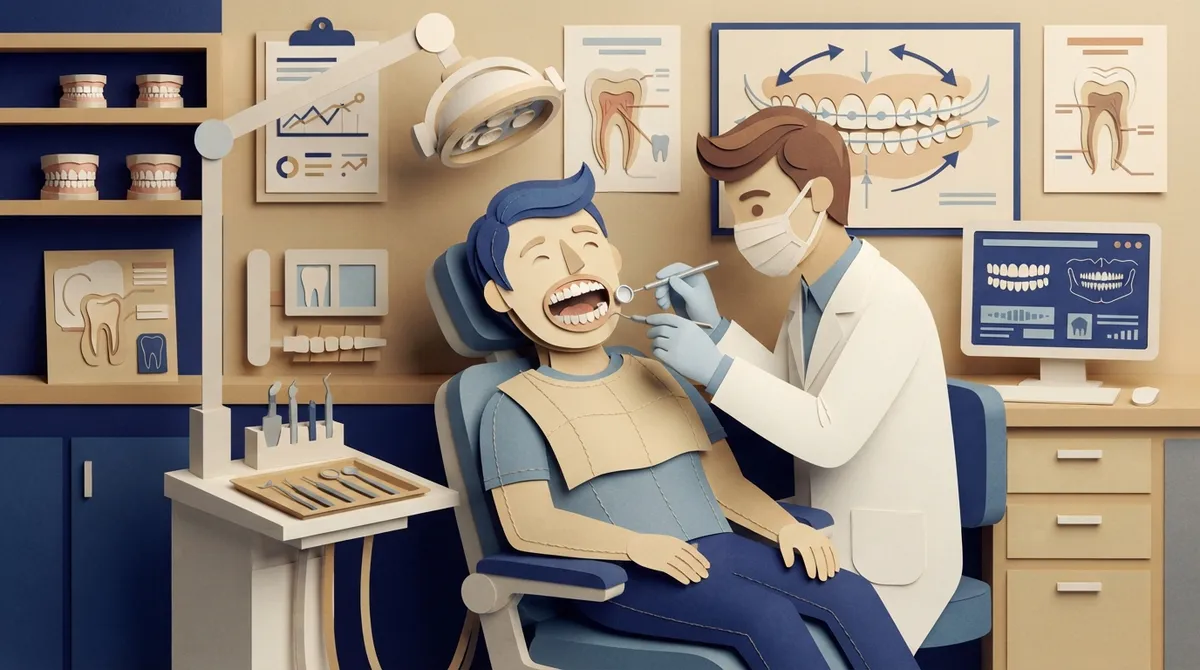
An orthodontic checkup is a short visit where your orthodontist looks at how your teeth, bite, and appliance are doing. The goal is simple: make sure everything is moving the way it should.
These visits are different from a routine cleaning. Your orthodontist focuses on tooth movement, bite changes, and how well your braces or aligners fit. Your general dentist focuses on the overall health of your teeth and gums.
During a typical visit, your care team may:
- Check how far your teeth have moved since the last visit
- Look at your bite and jaw development
- Inspect brackets, wires, bands, and elastics for wear or damage
- Check how well your aligners fit and track
- Review your brushing and flossing habits
- Make adjustments or change your plan if needed
Think of it as a quick tune-up. Not scary. Not long. Just very helpful.
Why Orthodontic Checkups Matter for Your Treatment Progress
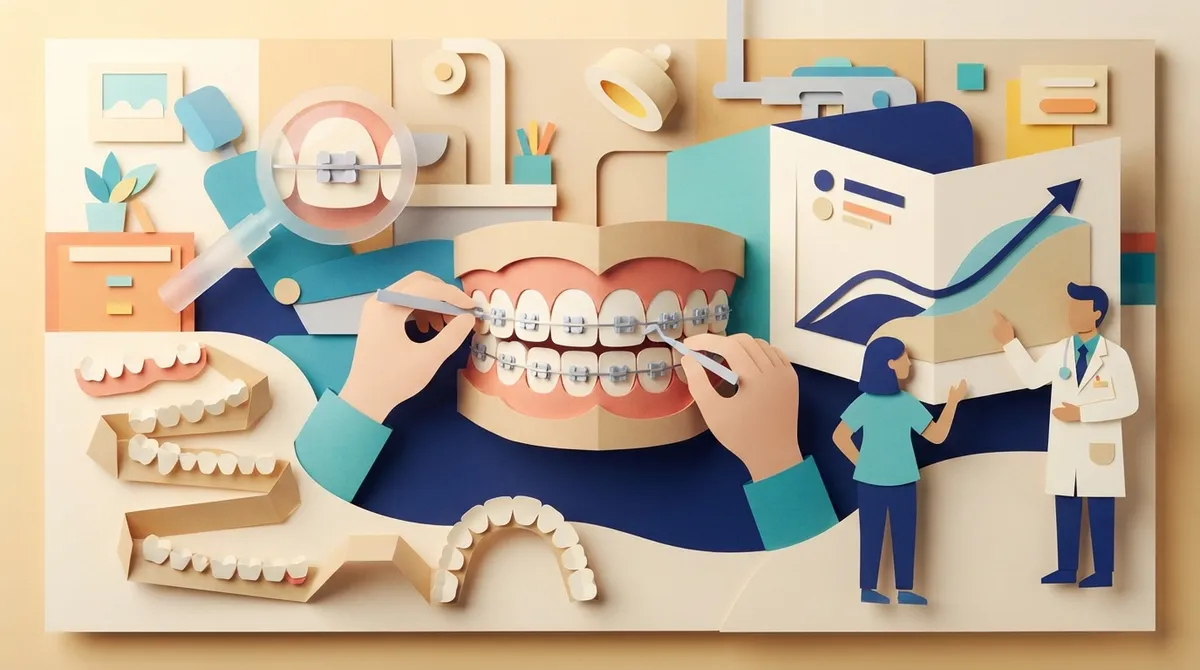
Teeth don’t move on their own schedule. They move on the schedule your orthodontist plans for them. Checkups are where that plan gets confirmed, fine-tuned, or changed.
They Keep Tooth Movement on Track
Every mouth responds a little differently. Some teeth glide into place. Others take their sweet time. At each visit, your orthodontist can see how things are going and decide what comes next.
That might mean swapping a wire, adjusting pressure, or moving to the next set of aligners. Without those check-ins, small delays can quietly turn into longer treatment time.
They Let Us Adjust the Plan
Sometimes a plan needs a tweak. A tooth may move faster than expected. A bite may shift in a surprising way. Regular visits give your orthodontist the chance to adapt, so you get the best result possible.
They Watch Your Bite and Jaw Development
This one is especially important for kids and teens. Growing jaws change fast. Checkups help your orthodontist track bite development and spot issues like crossbites or overbites as they emerge. You can read more in our guide on how orthodontics shapes healthy jaw development.
How Often Should You Go?
The honest answer: it depends. Your schedule is based on your appliance, your stage of treatment, and your personal plan.
That said, many practices see patients with fixed braces for adjustments about every 6 to 8 weeks. The NHS describes the same general range for braces wearers. Always follow the schedule your orthodontist gives you, since yours may be shorter or longer.
| Stage of Care | Typical Visit Pattern | What Happens |
|---|---|---|
| Early evaluation (around age 7) | One initial checkup, then monitoring as advised | Assess bite and jaw growth; often observation, not braces |
| Fixed braces | About every 6–8 weeks (varies) | Wire changes, adjustments, hygiene review |
| Clear aligners | As scheduled by your orthodontist | Check fit, tracking, and trays; provide next sets |
| After active treatment | Follow-up visits as advised | Check retainer fit and tooth stability |
Not sure what your own timeline looks like? Our team can walk you through it during your first visit.
Catching Problems Before They Become Bigger Problems
Braces and aligners work hard every day. Once in a while, something goes wrong. A bracket pops off. A wire pokes. An aligner stops fitting right. Regular checkups help us find these issues before they cause avoidable delays or discomfort.
Common Things We Catch at Checkups
- Loose or broken brackets
- Bent or damaged wires
- Aligners that don’t fit snugly
- Elastics that aren’t being worn as directed
- Areas where food and plaque are building up
What to Do If Something Breaks Between Visits
Don’t wait for your next routine appointment. If a bracket or wire breaks, call the office promptly. A broken piece can slow your progress, and a poking wire can be uncomfortable. If you’re not sure whether it’s urgent, our guide on emergency vs. routine orthodontics can help you decide.
Here’s a simple step-by-step plan if something breaks:
- Stay calm. Most appliance problems are very fixable.
- Remove any loose piece that is bothering you, if it comes off easily.
- Cover a poking wire with orthodontic wax.
- Call your orthodontist’s office and describe what happened.
- Follow their advice on whether you need a quick repair visit.
If you live in the Clearwater area, we offer friendly help for these moments. Learn more about our emergency orthodontic care in Clearwater.
Checkups Help You Keep Your Teeth and Gums Healthy
Here’s something many people don’t realize: braces make cleaning harder. Food and plaque love to hide around brackets and wires. If plaque stays too long, it can lead to cavities, gum inflammation, and even permanent white or brown marks on enamel.
Orthodontic visits are a great time for coaching. Your team can show you where you’re missing spots and share tips that make cleaning easier. A little encouragement goes a long way, especially for teens who are still building habits.
Want to sharpen your routine at home? These guides are packed with practical help:
- How to brush teeth with braces and keep your smile healthy
- 9 oral hygiene with braces tips
- What can you eat with braces?
Just remember, orthodontic checkups don’t replace your regular dental exams.
Do You Still Need Your Regular Dentist?
Yes, absolutely! Your orthodontist and your dentist are teammates, not substitutes for each other.
| Visit Type | Main Focus | Who You See |
|---|---|---|
| Orthodontic checkup | Tooth alignment, bite, appliance progress | Your orthodontist |
| Dental exam and cleaning | Cavities, gum health, overall oral health, preventive care | Your general dentist |
Keep both on your calendar. Together, they protect your health and your investment in a straighter smile. Curious how the two roles compare? Read orthodontist vs. dentist: which one do you actually need?
Why Early Checkups Matter for Kids
If you’re a parent, you may wonder when to start. The American Association of Orthodontists recommends an initial orthodontic checkup no later than age 7.
That doesn’t mean your child will get braces at 7. Far from it! An early look simply gives your orthodontist a chance to see how your child’s teeth and jaws are developing. Many kids are just monitored. Some benefit from early treatment. Others need nothing until later.
It’s all about timing. Catching a concern early can make treatment simpler down the road. For a deeper dive, check out our article on how to know when your child should first see an orthodontist or learn more about early treatment.
For some context on overall dental habits, CDC data shows that 86.9% of U.S. children aged 2 to 17 had a dental visit in the past year in 2019. That’s a great start, and an orthodontic evaluation adds a specialized layer of care on top of it.
Checkups for Teens, Adults, and Everyone In Between
Checkups matter at every age, but the reasons look a little different.
Teens and Young Adults
Teens are busy. Between school, sports, and social plans, it’s easy to let routines slip. Regular visits keep treatment moving so that braces or aligners come off on time, hopefully before that big graduation or event. Our guide to braces for teens has more tips for staying on track.
Adult Professionals
If you work long hours, you may worry about missing time. The good news is that checkups are usually quick. Many adults choose Spark™ Clear Aligners for a discreet option that fits a busy schedule. Regular monitoring helps make sure your aligners are tracking well, so you aren’t wearing trays longer than you need to.
Retreatment Patients
If your teeth shifted after earlier orthodontic treatment, you’re not alone. Checkups give your orthodontist the chance to evaluate what changed and build a plan that fits your goals. Our adult treatment options are designed with this in mind.
Health-Conscious Patients
If gum health or complex dental needs are on your radar, checkups are a great chance to build a customized plan. Your orthodontist can work with your dentist to protect your oral health while your teeth move.
Don’t Skip Checkups After Braces Come Off
Here’s a surprise for many people: the work isn’t done when the braces come off. Teeth can shift back over time, which is why retainers matter so much.
After active treatment, follow-up visits help your orthodontist check whether your retainer fits well and whether you’re wearing it as directed. If something feels tight, loose, or cracked, it’s better to ask than to guess.
These helpful reads can keep your results looking great:
- Retainers at Brockway Orthodontics
- How to wear a retainer after braces and keep your smile
- What to do if your retainer breaks
A little retainer care now protects all the effort you put in earlier. Your future self will thank you!
What Happens When You Miss Appointments?
Life happens. A missed visit now and then is not the end of the world. But skipping too many can cause real setbacks.
When appointments get pushed back, these things can happen:
- Teeth may not move on schedule
- Small appliance problems may go unnoticed
- Treatment time may stretch longer than planned
- Hygiene issues may build up
If you miss a visit, the best move is simple: call and reschedule as soon as you can. We’d much rather help you get back on track than have you feel embarrassed. If you want to avoid common slip-ups, our article on braces treatment mistakes you should never make is a handy read.
How Brockway Orthodontics Makes Checkups Easy
At Brockway Orthodontics, we believe checkups should feel friendly, not stressful. Dr. Brockway takes time to listen, explain what’s happening, and make sure you feel comfortable at every step.
We use modern tools like digital impressions and 3D imaging, which help us plan your care precisely and keep visits comfortable. In certain cases, we can even offer same-day treatments, so busy families can save time.
We treat the whole family, from kids to teens to adults. Whether you wear braces or clear aligners, we tailor your visit schedule to your plan. Want to see what other families say? You can visit us on Google — Brockway Orthodontics and read reviews from our Clearwater community.
You can also stay connected with orthodontic news and standards through the Florida Association of Orthodontists and learn about general oral health from the American Dental Association.
Simple Tips to Get the Most From Every Visit
A little prep makes every appointment smoother. Try these steps:
- Brush and floss before you arrive so your orthodontist can see clearly.
- Write down any questions or concerns you’ve noticed.
- Bring your retainer, aligner case, or elastics if asked.
- Tell us about any sore spots, loose pieces, or fit problems.
- Ask what to expect before your next visit.
These small habits help your team give you the best care possible. You can also explore how to get the most out of your orthodontics care for more ideas.
Ready to Keep Your Smile on Track?
So, why orthodontic checkups matter? Because they keep your treatment moving, catch small problems early, support healthy habits, and protect your results long after treatment ends. They’re short visits with a big payoff.
If you’re due for a checkup, or thinking about starting treatment, we’d love to meet you. Book your appointment online and take the next step toward a smile you’ll love. Prefer to talk first? Just contact us, and our friendly team will be happy to help.
FAQs
Q: How often should I have an orthodontic checkup while wearing braces?
A: Many patients with fixed braces visit about every 6 to 8 weeks, but your schedule depends on your appliance and treatment stage. Your orthodontist will give you the timing that fits your plan, so be sure to follow it!
Q: Do I still need my regular dentist if I have braces?
A: Yes, you do! Your orthodontist focuses on tooth alignment and your bite, while your general dentist keeps an eye on overall tooth and gum health and provides cleanings. Together, they make a great team.
Q: When should a child have their first orthodontic checkup?
A: The American Association of Orthodontists recommends an initial checkup by age 7. This doesn’t mean braces right away. It simply lets your orthodontist watch your child’s growth and decide if or when treatment makes sense.
Q: What should I do if a bracket or wire breaks between appointments?
A: Give your orthodontist’s office a call as soon as you can rather than waiting for your next routine visit. In the meantime, cover any poking wire with orthodontic wax so you stay comfortable.
Q: Do I need checkups after my braces come off?
A: Yes, follow-up visits are really important! Teeth can shift after treatment, so your orthodontist checks that your retainer fits well and that you’re wearing it as directed to keep your smile in place.
Our Service Area