Key Takeaways
-
Orthodontists compare your teeth against the treatment plan at every visit, and adjust the plan when movement doesn't match predictions.
-
Follow-up visits are typically scheduled every 6 to 10 weeks, though the exact timing is personalized to your case.
-
Hands-on exams check tooth spacing, bite alignment, tooth angles, and gum health, catching small changes you may not see in the mirror.
-
Photos and digital 3D scans let orthodontists compare current tooth positions against earlier records to measure precise progress.
-
Missing more than two appointments was linked to treatment nearly a year longer in one study of Class III patients, so attendance matters.
-
Call your orthodontist promptly if a bracket breaks or a wire loosens, since these problems can quietly stall tooth movement.
Ever sit in the chair during a braces appointment and wonder, “How does my orthodontist actually know if this is working?” You’re not alone! Braces move teeth slowly, often just a tiny bit at a time. From the outside, it can feel like nothing is happening for weeks.
Here’s the good news. Behind the scenes, your orthodontist is watching your smile closely. Understanding how orthodontists track braces progress can ease worries and help you feel like a true partner in your care. Whether you’re a parent keeping tabs on a child’s treatment, a teen counting down to graduation photos, or an adult balancing a busy career, knowing what’s happening behind the scenes brings real peace of mind.
In this friendly guide, we’ll walk through 10 ways your orthodontist keeps your treatment on track. We’ll also share what you can do at home to help things move smoothly.
1. Baseline Records Set the Starting Line
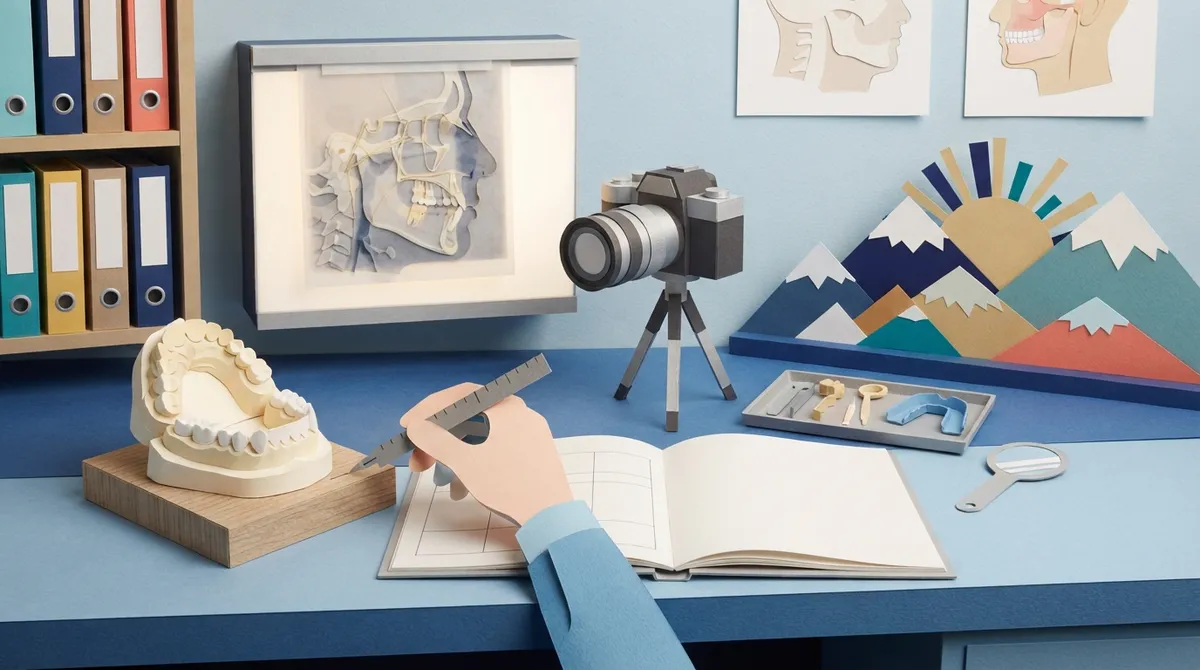
Every journey needs a starting point. Before braces go on, your orthodontist gathers a set of records. These usually include a clinical exam, photographs, dental impressions or digital scans, and X-rays when they are clinically appropriate.
These records help with diagnosis and planning. They also give your orthodontist a “before” picture to compare against later. Think of it like a fitness app that records your starting weight, so you can see real change down the road.
If you’re curious what this first step looks like, check out our guide on your first visit or read about what to expect during your orthodontic exam.

2. A Detailed Treatment Plan Acts as the Roadmap
Progress only means something when you know where you’re headed. Your orthodontist builds a treatment plan based on your bite, tooth positions, and goals. That plan outlines which teeth need to move, in what order, and about how long it may take.
At each visit, your orthodontist compares your teeth to this roadmap. Are the teeth shifting the way the plan predicted? If yes, great! If not, the plan gets adjusted. You can learn more about this process in what goes into your orthodontic treatment plan.
3. Regular In-Person Check-Ups Keep Things on Track
Your follow-up visits are the heart of progress tracking. At these appointments, your orthodontist looks at tooth alignment, bite relationships, the braces and wires, and the health of your teeth and gums.
According to the American Association of Orthodontics, follow-up visits for braces adjustments are typically scheduled every six to ten weeks, depending on the case. Other clinical sources describe a range of roughly four to ten weeks. The schedule is personal, not one-size-fits-all.
Want to know more about timing? Our post on how often braces are adjusted goes deeper.
4. Hands-On Exams Reveal Tooth Movement
Your orthodontist doesn’t just glance at your smile. They carefully check how each tooth sits and moves. They look for things like:
- Whether crowded teeth are spacing out evenly
- If gaps are closing the way they should
- How the upper and lower teeth meet when you bite down
- Whether any teeth are tipping or rotating off course
- The condition of your gums and enamel around the brackets
This hands-on look lets your orthodontist spot small changes that you might not notice in the mirror. It’s also why skipping appointments can slow things down.
5. Photographs Show Changes Over Time
Photos are a simple but powerful tool. Your orthodontist may take pictures of your face, smile, and teeth from several angles. Later, they compare new photos with the originals.
It’s a lot like looking at growth photos of a child. Day to day, you can’t see much change. Side by side, the difference can be striking! Parents often love seeing these comparisons, and teens get a boost of motivation too.
6. Digital Scans Capture Precise Tooth Positions
Gone are the days when everyone had to bite into goopy trays! Digital intraoral scans create a detailed 3D picture of your teeth. Because they are precise, they let your orthodontist compare tooth positions against earlier records and against the treatment plan.
Here’s a quick look at the common tracking tools and what each one does:
| Tracking Tool | What It Shows | How Often It’s Used |
|---|---|---|
| Clinical exam | Alignment, bite, gum health, appliance condition | Every visit |
| Photographs | Visible changes in teeth and smile | At key points in treatment |
| Digital scans | Precise 3D tooth positions | When needed to compare progress |
| X-rays | Roots, jaw, and hidden tooth positions | Only when clinically appropriate |
| Remote photo check-ins | Fit and appliance issues between visits | Offered by some practices |
We’re proud to use modern tools like digital impressions and 3D imaging at Brockway Orthodontics. They keep planning accurate and make your visits more comfortable. Learn more about this in 8 ways 3D dental scans upgrade your braces plan.
7. X-Rays Check What You Can’t See
Some progress happens below the surface. X-rays let your orthodontist check tooth roots, jaw position, and teeth that haven’t come in yet. They are not taken at every visit. Your orthodontist uses them only when there is a clinical reason, such as checking root health or confirming that a tooth is moving safely.
For kids, X-rays can also show how adult teeth are developing. That helps guide the timing of early treatment.
8. Wire and Bracket Checks Keep Forces Working
Your braces work through gentle, steady pressure. At each visit, your orthodontist checks that the brackets are secure and the wires are doing their job. They may swap in a new wire, adjust the one you have, or change small parts like elastic ties.
A loose bracket or bent wire can quietly stall movement. That’s why we encourage you to call us if something breaks. Our guide on broken brackets versus poking wires can help you decide what needs quick attention.
9. Remote Monitoring Adds a Helpful Check-In
Some practices use smartphone-based photo monitoring between visits. You snap a few pictures, and your orthodontist reviews them. This can help flag fit problems, loose appliances, or missed wear instructions.
Research shows how common these flags can be. In a 24-week study of 78 adolescents using a digital aligner pathway, 84.6% triggered at least one remote-monitoring alert or intervention. That study involved aligners, so it doesn’t apply to every braces patient. Another study of 1,014 U.S. patients found that an AI monitoring system detected bracket debonding with 98.4% sensitivity. Those numbers describe one system and one dataset, not a promise for every office.
The key takeaway is simple. Digital tools support your orthodontist, but they don’t replace a real exam. Curious about virtual options? Read in-person vs. virtual orthodontist appointments.
10. Your Own Habits Shape the Results
Here’s where you come in! Your orthodontist tracks progress, but your daily routine drives it. Treatment speed depends on the starting bite problem, how your body responds, the treatment plan, your attendance, your oral hygiene, and how well you follow instructions like wearing elastics.
Here are simple habits that help your progress:
- Keep every scheduled appointment.
- Wear your elastics exactly as directed.
- Brush and floss daily to keep teeth and gums healthy.
- Avoid hard or sticky foods that can break brackets.
- Call the office right away if something feels loose or broken.
Attendance matters more than many people expect. In one study of patients with Class III malocclusion, those who missed more than two appointments had treatment nearly a year longer. That finding comes from one specific group, so it isn’t a universal estimate. Still, it shows how much consistency counts.
Need help with the daily routine? Try our tips on how to brush teeth with braces and our list of foods to avoid with braces.
How Long Does Braces Treatment Usually Take?
Every smile is different, so timelines vary. A review of fixed-appliance studies reported a mean treatment duration of 19.9 months, with study averages ranging from 14 to 33 months. Another review reported a mean of 24.6 months for single-phase treatment assessed with American Board of Orthodontics standards.
Your own timeline depends on your bite and your plan. Your orthodontist can give you a personal estimate after your exam. For more details, see how long braces take to work.
Signs Your Braces Are Working at Home
You don’t need a dental degree to notice progress. Many patients see small signs between visits, such as:
- Gaps slowly closing
- Crowded teeth lining up
- Your bite feeling different when you chew
- Teeth feeling a little sore after adjustments, which often means pressure is working
- Photos showing a straighter smile than before
These are helpful clues, but they are not a replacement for a professional check. Only your orthodontist can confirm that things are moving the right way.
What About Braces for Every Age?
Progress tracking looks similar across ages, but the focus can shift. Kids may need monitoring of growth and incoming adult teeth through adolescent treatment. Adults often want discreet options and attention to gum health through adult treatment. Folks coming back after relapse may need a fresh plan that accounts for past work.
Prefer a nearly invisible path? Spark™ Clear Aligners are tracked with the same careful exams, along with digital tools to review how your trays are fitting. You can also explore all about braces to compare options.
Why Choose Brockway Orthodontics for Tracking Your Progress?
At Brockway Orthodontics in Clearwater, Florida, Dr. Brockway takes time to listen and explain what’s happening at every stage. We use modern technology like digital impressions and 3D imaging, so your plan stays precise and your visits stay comfortable. In certain cases, we can even offer same-day treatment to fit your busy life.
We believe you should always know what to expect. If you’d like to hear from real families, visit us on Google — Brockway Orthodontics and see what our Clearwater patients say. You can also learn about reputable professional groups like the American Dental Association and the Florida Association of Orthodontists for general oral health information.
Ready to See Your Progress?
Straight teeth don’t happen overnight, but with the right team and the right tracking, every visit brings you closer. Your orthodontist watches your smile through exams, photos, scans, and sometimes remote check-ins, then adjusts your plan as needed. You bring consistency and care at home, and together you reach your goal.
Have questions about your own treatment, or thinking about starting? We’d love to meet you. Book your appointment online or contact us and let’s get your smile story started!
FAQs
Q: How often do you have appointments when you have braces?
A: Most braces patients come in about every six to ten weeks, according to the American Association of Orthodontists. The exact timing depends on your case, so your orthodontist will set a schedule that fits your treatment plan.
Q: What does an orthodontist check at a braces adjustment appointment?
A: Your orthodontist looks at tooth alignment, how your bite fits together, the condition of your brackets and wires, and the health of your teeth and gums. They then make any needed adjustments, like changing a wire or fixing a loose bracket.
Q: Can an orthodontist monitor braces progress remotely?
A: Some practices use smartphone photo check-ins between visits to spot fit problems or appliance issues early. It’s a nice extra tool, but it supports rather than replaces your in-person exams and your orthodontist’s professional judgment.
Q: Can missed orthodontist appointments make braces treatment take longer?
A: Yes, they can! Missed visits and broken appliances can delay progress. One study found that patients who missed more than two appointments had treatment nearly a year longer, though results vary from person to person.
Q: What happens if a bracket breaks or a wire comes loose?
A: Call your orthodontist’s office as soon as you can. A loose bracket or wire can stall tooth movement, and your team can tell you whether it needs a quick visit or can wait until your next appointment.
Our Service Area