Key Takeaways
-
Three main discreet adult options exist: clear aligners (removable, very low visibility), ceramic braces (tooth-colored brackets), and lingual braces (hidden behind teeth), each with distinct trade-offs.
-
Clear aligners only work when worn about 20 to 22 hours per day, so they suit adults who can reliably keep them in most of the day; otherwise fixed braces may be better.
-
Aligners may not handle complex bite problems alone, so a clinical exam is essential to determine whether aligners, ceramic braces, or lingual braces fit your case.
-
Ceramic braces are less noticeable than metal but brackets can stain or chip, so careful brushing and cleaning matter; lingual braces cost more and may affect speech at first.
-
Request a written, case-specific cost estimate that details visits, adjustments, and retainers, since prices vary by location, case complexity, and appliance type.
-
Retainers are needed after active treatment to keep teeth in position, so ask your orthodontist about the retainer type, wear schedule, and follow-up plan before starting.
Picture this: you have a big presentation on Monday, a family wedding in June, and a smile you’d love to straighten. But the thought of a mouth full of shiny metal feels like a lot. Sound familiar? You’re far from alone, and the good news is that discreet orthodontic options for adults are better than ever in 2026.
Adults make up a big part of today’s orthodontic patients. The American Association of Orthodontists’ 2025 member survey estimated about 1.91 million adults were being treated by AAO members in the United States, up from about 1.64 million in 2022. So if you’ve been wondering whether it’s “too late” for a straighter smile, the numbers say you’re in good company.
In this friendly guide, we’ll walk through the three main low-profile choices, compare them side by side, and share how to pick the right fit for your bite, budget, and busy life. Let’s dive in!
What Counts as a Discreet Orthodontic Option?
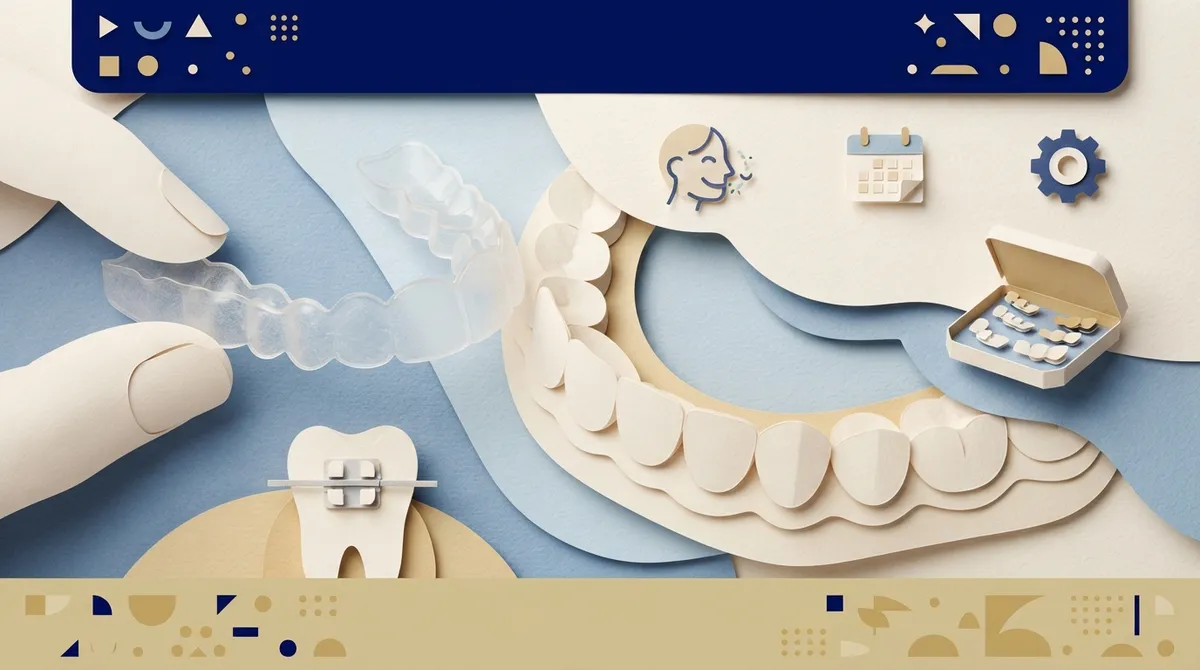
“Discreet” simply means less noticeable than traditional metal braces. For adults, three choices come up most often:
- Clear aligners: removable, clear plastic trays that gently move your teeth.
- Ceramic braces: fixed braces with tooth-colored or clear brackets.
- Lingual braces: fixed braces attached to the back (tongue side) of your teeth.
Each one has its own trade-offs in visibility, comfort, cost, and the kinds of tooth movements it handles well. The best pick depends on your teeth, your gums, and your lifestyle. That is why an orthodontic exam is the true first step, not a guess based on photos online.
How Do Clear Aligners Work for Adults?
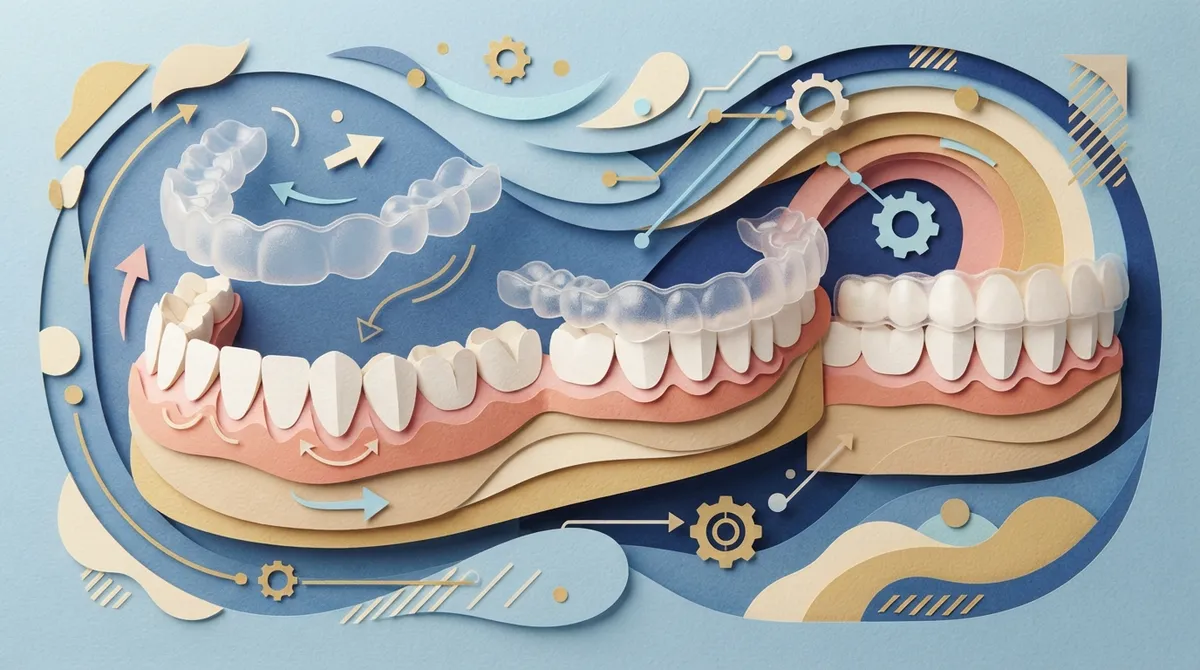
Clear aligners are a favorite for adult professionals, and it’s easy to see why. They’re see-through, removable, and fit around meetings, dinners, and photos. You switch to a new set of trays on a schedule your orthodontist sets, and each set nudges your teeth a little further.
If you’re curious about the mechanics, our guide on how removable aligners straighten teeth breaks it down simply.
The Wear-Time Rule You Can’t Skip
Here’s the part that surprises many people. Aligners only work when they’re in your mouth. Typical treatment protocols call for about 20 to 22 hours of wear per day, and you remove them for meals and any drinks other than water. Always follow the exact instructions your orthodontist gives you.
Where Aligners Shine (and Where They Don’t)
Aligners can handle many alignment and bite concerns. But they are not the right tool for every case. Complex tooth movements or tougher bite problems may need fixed braces, small tooth-colored attachments, elastics, or a mix of approaches. Only a clinical exam can tell you what’s realistic for your smile.
One thing to know about the market: a 2025 AAO survey report showed clear-aligner starts made up about 23% of total treatment starts among surveyed practices, compared with 25% in 2022. That tells us aligners are popular, but braces still play a big role in real-world care.
At Brockway Orthodontics, we offer Spark™ Clear Aligners, a more affordable alternative to Invisalign, so more adults can get a nearly invisible option without a sky-high price tag.
What Are Ceramic Braces and Who Are They For?
Ceramic braces work just like metal braces, but the brackets are tooth-colored or clear. They blend in with your teeth, which makes them far less eye-catching up close and from across the room.
They’re a great fit if you want the steady, always-working power of fixed braces without the “metal mouth” look. Because they stay on, there’s no tray to forget on a lunch napkin. For a deeper look, check out our article on things adults should know before choosing ceramic braces.
Honest Pros and Cons
- Less conspicuous than metal braces, but still visible up close.
- Brackets can stain or chip, so careful brushing and cleaning matter.
- Fixed in place, which helps with treatment consistency.
Wondering how they stack up against the classic look? See our comparison of metal vs ceramic braces.
What Are Lingual Braces?
Lingual braces are the “secret agent” of orthodontics. The brackets and wire sit on the tongue-facing surfaces of your teeth, so they’re very hard to spot from the front. If you want to keep your treatment almost completely private, they’re worth a look.
There are a few things to keep in mind:
- They can cost more than other discreet options.
- Your speech may feel different at first, and your tongue can get irritated while it adjusts.
- Availability and suitability depend on your case and your provider’s experience.
Our overview of incognito braces explains this hidden style in more detail.
Discreet Options Compared Side by Side
Sometimes a table says it best. Here’s a quick snapshot of how the three choices compare. Keep in mind these are general patterns, and your own exam will shape the real answer.
| Feature | Clear Aligners | Ceramic Braces | Lingual Braces |
|---|---|---|---|
| How noticeable? | Very low | Low to moderate | Very low (hidden behind teeth) |
| Removable? | Yes | No | No |
| Daily commitment | About 20–22 hours of wear | Careful cleaning and diet habits | Careful cleaning; speech adjustment |
| Best for | Many alignment and bite concerns | Wide range of cases, including complex ones | Patients wanting maximum privacy |
| Common drawback | Needs strict wear time | Brackets may stain or chip | Higher cost; tongue irritation at first |
Not sure whether to go removable or fixed? Our guide on clear aligners vs braces can help you weigh it up.
How to Choose the Right Discreet Option: 5 Steps
Feeling a little overwhelmed by choices? Totally normal. Here’s a simple path to follow.
- Start with an exam. Your bite, tooth positions, and gum health decide what’s possible.
- Check your oral health first. Gum disease or cavities usually need care before or during treatment.
- Be honest about your habits. Will you reliably wear aligners most of the day? If not, fixed braces may suit you better.
- Think about your calendar. Weddings, promotions, and big events can shape which look you want and when.
- Ask for a written estimate. Make sure you know exactly what’s included.
If you’re feeling unsure about the first step, our tips on how to prepare for your orthodontist consultation will help you walk in with confidence.
Is It Too Late for Adults to Get Treatment?
Nope! Adult orthodontic treatment can happen at many ages, as long as your teeth and the gums and bone that support them are healthy enough. A 2024 study of adult orthodontic patients found the questions they ask most often are about treatment duration (64%), expected results (56%), available appliance types (55%), and cost (52%). Those are smart questions, so let’s tackle a couple here.
Curious about the bigger picture? Take a look at facts that prove adults can get braces, and see why invisible braces for adults are so popular right now.
How Long Does Discreet Treatment Take?
The honest answer is: it depends. Treatment time varies with how complex your bite is, which appliance you choose, and how closely you follow instructions. There’s no one-size-fits-all number, and anyone promising a guaranteed timeline before seeing your teeth should raise an eyebrow.
What we can say is that the most common reasons treatment runs long are missed wear time, broken appliances, and skipped visits. Staying consistent is the best way to keep your smile on track. Our post on how treatment length affects orthodontic costs shows how time and price connect.
What Do Discreet Orthodontic Options Cost?
Let’s talk money, because it matters. Broad U.S. consumer estimates commonly place comprehensive orthodontic treatment in the several-thousand-dollar range, with lingual braces often landing at the higher end. But there’s no single national price. Your location, your case, and the appliance all shape the final number.
That’s why a written, case-specific estimate is so helpful. It should spell out what’s included, such as visits, adjustments, and retainers. Many adults also use payment plans to spread the cost out. Our guides on monthly payment plans for braces and using dental insurance to help pay for braces are great places to start.
Don’t Forget About Retainers
Here’s a tip that saves smiles: your treatment doesn’t end when the braces come off or the last aligner is done. Retention is needed after active treatment to help keep your teeth where you moved them. Your orthodontist should explain the retainer type, the wear schedule, and the follow-up plan.
For more on keeping that new smile steady, explore fixed vs removable retainers and learn how to care for your dental retainer the right way.
Why Choose Brockway Orthodontics for Adult Care?
If you’re looking for a warm, no-pressure place to start, Dr. Brockway is the go-to orthodontist in Clearwater, Florida. She takes time to listen to your goals, explains your options in plain language, and builds a plan around your life, not the other way around.
Our practice offers Spark™ Clear Aligners, metal braces, and ceramic (clear) braces, so you can compare real options in one place. We also use modern tools like digital impressions instead of messy molds and 3D imaging for precise planning, which makes your visits more comfortable. You can learn more about orthodontics for adults in Clearwater or see what neighbors say when you visit us on Google — Brockway Orthodontics.
For extra reading on dental health standards, the American Dental Association is a trusted resource, and you can find professional information through the Florida Association of Orthodontists.
Ready for a Smile You’ll Love?
The right discreet option is out there, and you don’t have to figure it out alone. Whether you lean toward nearly invisible aligners, tooth-colored ceramic braces, or hidden lingual braces, the best plan starts with a friendly conversation and a careful look at your teeth.
Take the first step today. Book your free consultation online and let’s map out a smile plan that fits your life. Prefer to chat first? You can always contact us with your questions. We can’t wait to meet you!
FAQs
Q: What is the most discreet orthodontic treatment for adults?
A: Lingual braces, which sit behind your teeth, are the hardest to see from the front, while clear aligners are also very low-profile. The best pick really depends on your bite and lifestyle, so a friendly exam is the way to find your match.
Q: Are clear aligners as effective as braces for adults?
A: Clear aligners can work wonderfully for many alignment and bite concerns, but they aren’t ideal for every case. Complex bite problems may need fixed braces or a combination approach, so your orthodontist can tell you what fits your smile.
Q: How many hours a day do adult clear aligners need to be worn?
A: Most treatment plans call for about 20 to 22 hours a day, taking them out only for meals and drinks other than water. Follow your orthodontist’s specific instructions, and you’ll keep your progress right on track!
Q: Do ceramic braces stain?
A: The brackets themselves can stain or chip over time, so careful brushing and good cleaning habits really help. Your orthodontist can share easy tips to keep them looking fresh.
Q: Can I get discreet treatment if I have gum disease or cavities?
A: Often yes, but existing gum or tooth problems generally need to be assessed and managed before or during treatment. A thorough exam helps your care team build a safe plan that protects your oral health.
Our Service Area